The Art of the Silhouette: Striking Profiles in Furniture Design
October 4, 2022
Brutalist Beauty: Raw Aesthetics in Refined Spaces
October 18, 2022

-
Table of Contents
- Introduction
- Mastering Monochrome: Luxe Layering Techniques for a Sophisticated Look
- Elevating Your Space: The Art of Layering in Monochromatic Interiors
- Texture and Tone: Creating Depth with Luxe Layering in Monochrome Designs
- From Flat to Fabulous: Transforming Monochrome Spaces with Layering
- The Power of Subtlety: Enhancing Monochromatic Schemes with Luxe Layers
- Conclusion
Introduction
Luxe Layering: Creating Depth in Monochromatic Schemes explores the art of transforming single-color spaces into rich, dynamic environments through the strategic use of texture, material, and tone. This design approach elevates monochromatic palettes from simple to sophisticated by incorporating various shades, patterns, and finishes that add visual interest and depth. By skillfully layering elements such as fabrics, metals, and natural materials, designers can create a sense of luxury and complexity within a unified color scheme. This technique not only enhances the aesthetic appeal but also brings a sense of harmony and balance to interior spaces, making them both inviting and intriguing.
Mastering Monochrome: Luxe Layering Techniques for a Sophisticated Look
Creating a sophisticated look with a monochromatic color scheme might seem like a daunting task at first, but with the right techniques, it can be both fun and rewarding. Luxe layering is the key to adding depth and interest to a single-color palette, transforming what could be a flat and uninspiring space into one that exudes elegance and style. The beauty of monochrome lies in its simplicity, yet achieving a rich and layered look requires a bit of creativity and a keen eye for detail.
To begin with, it’s essential to understand that monochrome doesn’t mean using just one shade of a color. Instead, it involves exploring the full spectrum of tones within that color family. For instance, if you’re working with blue, consider incorporating everything from the palest sky blue to the deepest navy. This variation in shades creates visual interest and prevents the space from feeling monotonous. Moreover, it allows you to play with light and shadow, adding depth to the overall design.
Texture is another crucial element in luxe layering. By mixing different materials and finishes, you can create a tactile experience that draws people in. Think about pairing a plush velvet sofa with a sleek leather chair, or a soft wool rug with a glossy ceramic vase. These contrasting textures not only add dimension but also invite touch, making the space feel more inviting and lived-in. Additionally, incorporating natural elements like wood, stone, or plants can introduce an organic layer that softens the monochromatic scheme and adds warmth.
In addition to texture, pattern plays a significant role in creating depth. While it might seem counterintuitive to use patterns in a monochromatic design, subtle patterns can enhance the overall look without overwhelming it. Consider using tone-on-tone patterns, such as a damask wallpaper in a slightly darker shade than the wall color, or a geometric throw pillow that echoes the room’s primary hue. These patterns can add a layer of complexity and sophistication, making the space feel more dynamic.
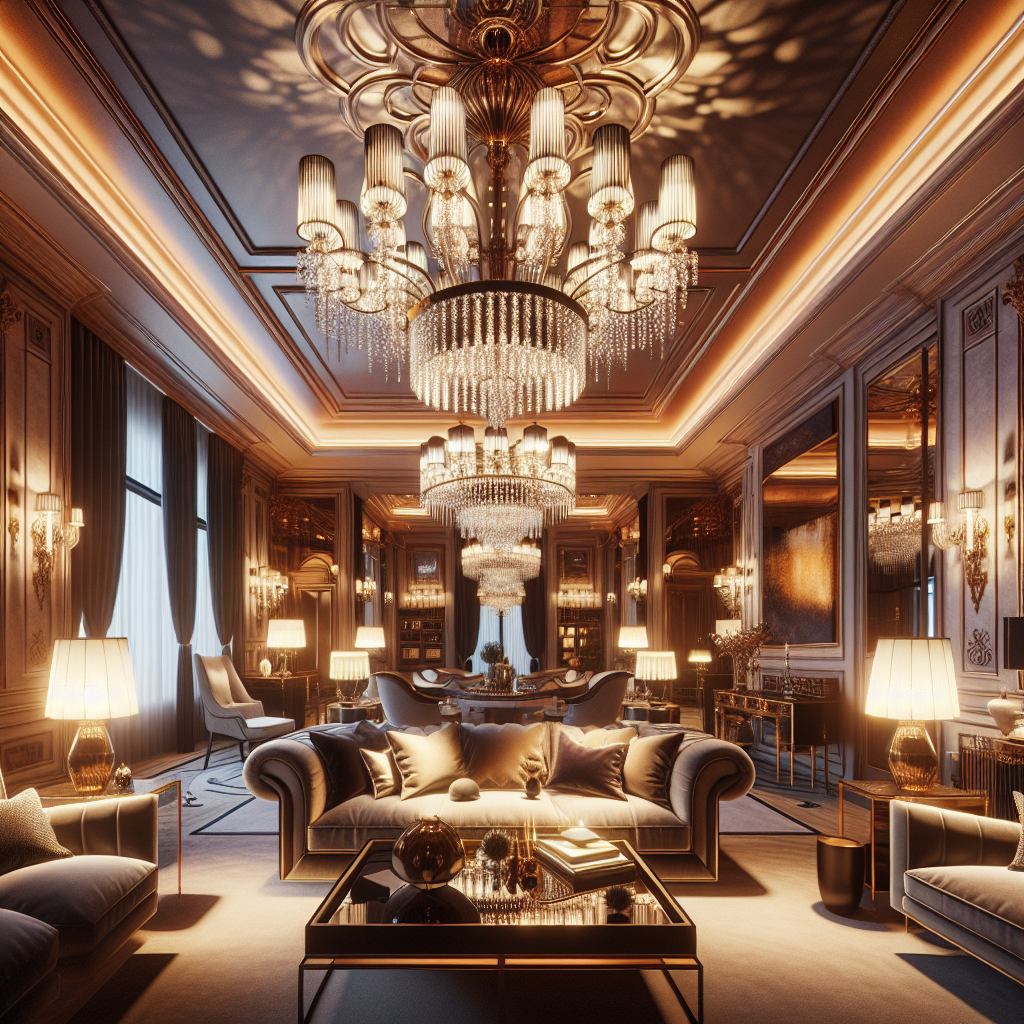
Lighting is another powerful tool in the luxe layering arsenal. The right lighting can highlight different elements of your design, creating shadows and highlights that add depth. Layering your lighting with a mix of ambient, task, and accent lights can help you achieve this effect. For example, a statement chandelier can provide ambient light, while table lamps or wall sconces offer task lighting. Accent lighting, such as LED strips or spotlights, can be used to highlight artwork or architectural features, adding another layer of interest.
Accessories and artwork are the finishing touches that can tie a monochromatic scheme together. When selecting these pieces, consider their color, texture, and scale. A large, monochromatic painting can serve as a focal point, while smaller accessories like vases, books, or sculptures can add pops of interest throughout the space. Remember to keep the overall color palette in mind, ensuring that each piece complements the others and contributes to the cohesive look.
In conclusion, mastering monochrome through luxe layering is all about balance and attention to detail. By thoughtfully combining shades, textures, patterns, lighting, and accessories, you can create a space that is both sophisticated and inviting. So, don’t be afraid to experiment and let your creativity shine as you explore the endless possibilities of monochromatic design.
Elevating Your Space: The Art of Layering in Monochromatic Interiors
Creating a luxurious and inviting space using a monochromatic color scheme might seem like a daunting task at first, but with the right approach, it can be both rewarding and visually stunning. The key to mastering this art lies in the concept of layering, which adds depth and interest to what might otherwise be a flat and uninspiring design. By thoughtfully combining different shades, textures, and materials, you can transform a simple monochromatic palette into a rich and dynamic environment.
To begin with, it’s important to understand that a monochromatic scheme doesn’t mean using just one color in its purest form. Instead, it involves exploring the various shades, tints, and tones of a single hue. This approach allows you to create a cohesive look while still offering plenty of visual variety. For instance, if you choose blue as your base color, you can incorporate everything from the palest sky blue to the deepest navy, each adding its own unique character to the space.
Once you’ve settled on your color palette, the next step is to introduce different textures. Texture plays a crucial role in adding depth to a monochromatic room, as it engages the senses and creates a tactile experience. Consider mixing materials like soft velvet, sleek leather, and rough-hewn wood to create a layered effect. A plush velvet sofa in a deep shade can serve as a focal point, while a leather armchair in a slightly lighter tone adds contrast and interest. Meanwhile, a wooden coffee table with a natural grain can ground the space and provide a warm, organic touch.
In addition to texture, pattern is another powerful tool for enhancing a monochromatic scheme. Subtle patterns can add complexity without overwhelming the overall design. Think about incorporating patterned throw pillows, area rugs, or even wallpaper to introduce a sense of movement and rhythm. A geometric rug in varying shades of your chosen color can tie the room together, while a patterned wallpaper can serve as an eye-catching backdrop that elevates the entire space.
Lighting also plays a pivotal role in creating depth in monochromatic interiors. The right lighting can highlight different elements of the room and create a sense of drama. Layering your lighting with a mix of ambient, task, and accent lights can help define areas within the space and draw attention to specific features. For example, a statement chandelier can add a touch of elegance, while strategically placed table lamps can create cozy nooks perfect for reading or relaxing.
Finally, don’t forget the power of accessories in completing your monochromatic look. Thoughtfully chosen decor items can add personality and flair to your space. Consider incorporating metallic accents, such as gold or silver, to introduce a touch of glamour. Mirrors can also be a great addition, as they reflect light and create the illusion of more space, further enhancing the layered effect.
In conclusion, creating depth in a monochromatic interior is all about embracing the nuances of your chosen color and experimenting with different elements to add richness and dimension. By layering shades, textures, patterns, and lighting, you can transform a simple color scheme into a luxurious and inviting space that feels anything but one-dimensional. So go ahead, dive into the world of luxe layering, and watch as your monochromatic interiors come to life with depth and sophistication.
Texture and Tone: Creating Depth with Luxe Layering in Monochrome Designs
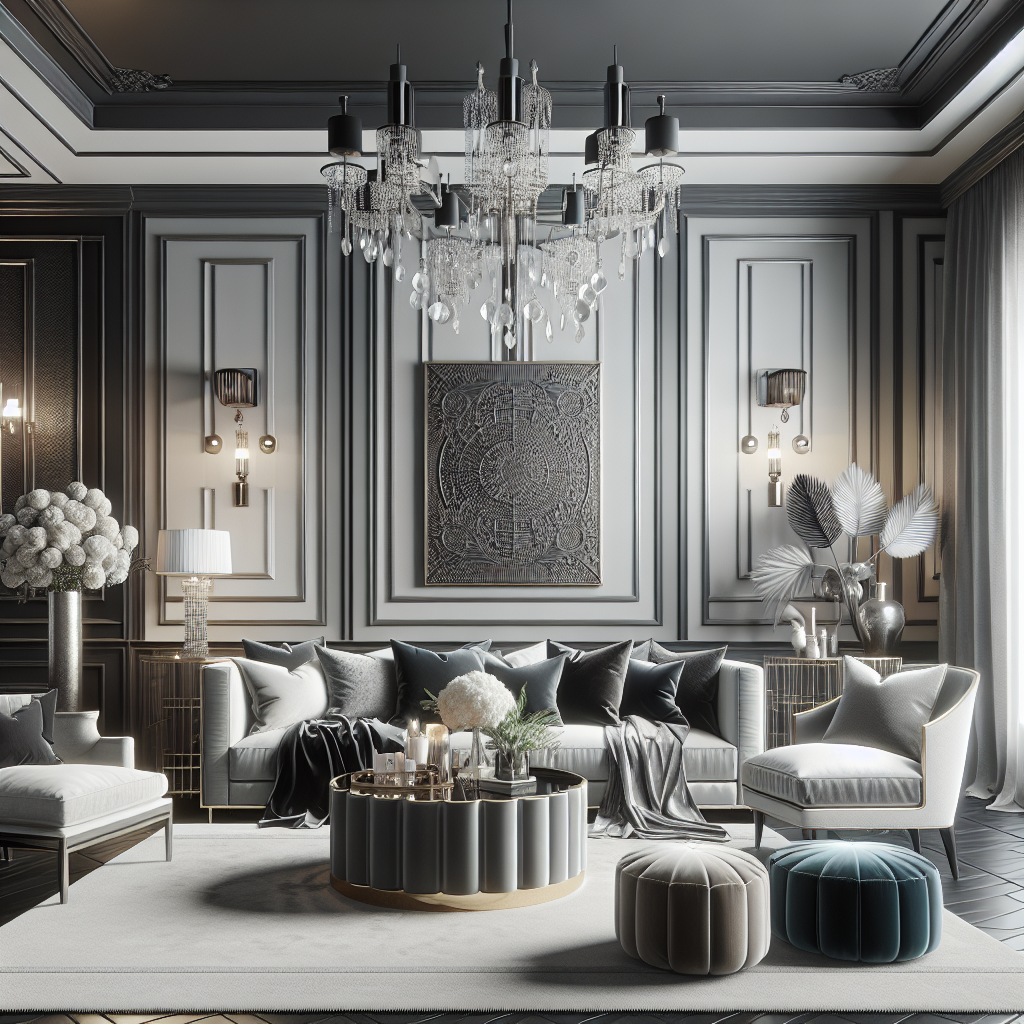
Creating depth in monochromatic designs can be a delightful challenge, especially when you’re aiming for a luxe look. The key to mastering this art lies in the subtle interplay of texture and tone, which can transform a seemingly simple color scheme into a rich, inviting space. When you think of monochrome, you might picture a room awash in a single color, but the beauty of this design approach is in its potential for complexity and sophistication. By layering different textures and tones, you can create a dynamic environment that feels anything but one-dimensional.
To start, consider the foundational color of your monochromatic scheme. Whether it’s a soft gray, a deep navy, or a warm beige, this hue will set the tone for the entire space. Once you’ve chosen your base color, it’s time to explore its various shades and tints. This is where the magic happens. By incorporating lighter and darker versions of your chosen color, you can add visual interest and depth. For instance, pairing a charcoal gray with a light dove gray can create a soothing yet sophisticated atmosphere.
However, tone alone isn’t enough to achieve that luxe layered look. Texture plays an equally important role in adding depth to monochromatic designs. Think about the different materials you can incorporate into your space. A plush velvet sofa, a sleek leather chair, or a chunky knit throw can all contribute to a rich, tactile experience. Mixing these textures not only adds dimension but also invites touch, making the space feel more engaging and comfortable.
In addition to fabrics, consider the surfaces in your room. A glossy lacquered table can contrast beautifully with a matte painted wall, while a rough-hewn wooden floor can ground the space with its natural warmth. These textural contrasts are essential in preventing a monochromatic room from feeling flat or monotonous. They create a sense of movement and flow, guiding the eye around the space and highlighting different elements.
Lighting is another crucial factor in creating depth within a monochromatic scheme. The way light interacts with different textures and tones can dramatically alter the perception of a room. Soft, diffused lighting can enhance the coziness of a space, while strategically placed spotlights can draw attention to specific features or areas. Consider using a mix of lighting sources, such as floor lamps, table lamps, and pendant lights, to create layers of light that complement your design.
Accessories and artwork also offer opportunities to introduce texture and tone. A monochromatic painting with varying shades of your chosen color can serve as a focal point, while decorative objects in different materials—such as glass, metal, or ceramic—can add subtle interest. Even plants can contribute to the layered look, with their organic shapes and varying shades of green providing a refreshing contrast to the more structured elements of the room.
Ultimately, the goal of luxe layering in monochrome designs is to create a space that feels cohesive yet dynamic. By thoughtfully combining texture and tone, you can achieve a look that is both elegant and inviting. So, don’t be afraid to experiment with different materials and shades. With a little creativity and attention to detail, you can transform a simple monochromatic scheme into a stunning, multidimensional masterpiece.
From Flat to Fabulous: Transforming Monochrome Spaces with Layering
Monochromatic spaces often get a bad rap for being flat or uninspired, but with a little creativity and a keen eye for detail, they can be transformed into luxurious, dynamic environments. Luxe layering is the secret ingredient that can elevate a monochrome room from simple to stunning. By thoughtfully incorporating various textures, materials, and shades, you can create depth and interest without straying from your chosen color palette.
To begin with, consider the power of texture. When working with a single color, texture becomes your best friend. Imagine a living room where the walls are painted a soft dove gray. To add depth, you might introduce a plush velvet sofa in a slightly darker shade of gray. The contrast between the smoothness of the walls and the richness of the velvet creates an immediate sense of dimension. Adding a chunky knit throw or a faux fur rug can further enhance this effect, inviting touch and adding warmth to the space.
In addition to texture, varying the materials used in a room can significantly impact its overall feel. For instance, pairing a sleek, glossy coffee table with matte ceramic vases can create a visually appealing contrast. Similarly, mixing metals—like incorporating brushed nickel light fixtures with polished chrome accents—can add a layer of sophistication. These subtle differences in material finish can make a monochromatic room feel anything but monotonous.
Moreover, playing with different shades within the same color family is another effective way to add depth. A monochromatic scheme doesn’t mean everything has to be the exact same hue. Instead, think of it as a spectrum. In a bedroom, you might start with a deep navy bedspread, complemented by lighter blue-gray walls and crisp white sheets. This gradient effect draws the eye around the room, creating a sense of movement and flow.
Lighting also plays a crucial role in transforming a monochrome space. The right lighting can highlight textures and create shadows, adding another layer of depth. Consider using a combination of ambient, task, and accent lighting to achieve this. A statement chandelier can provide general illumination, while table lamps or wall sconces can offer focused light for reading or highlighting artwork. Accent lighting, such as LED strips under shelves or behind a headboard, can add a modern touch and emphasize architectural features.
Furthermore, don’t underestimate the power of accessories in a monochromatic scheme. Thoughtfully chosen decor items, like a collection of vases in varying shapes and sizes or a series of black-and-white photographs, can add personality and interest. These elements can be easily swapped out to refresh the space without overhauling the entire design.
Finally, consider the role of natural elements in your monochrome space. Incorporating plants or flowers can introduce a pop of color and life, breaking up the uniformity while still maintaining a cohesive look. A simple green fern or a vase of white lilies can add freshness and vibrancy, making the room feel more inviting.
In conclusion, transforming a monochrome space from flat to fabulous is all about embracing the art of layering. By combining textures, materials, shades, lighting, and accessories, you can create a rich, luxurious environment that feels anything but one-dimensional. So, the next time you find yourself drawn to a monochromatic palette, remember that with a little creativity and attention to detail, you can achieve a space that is both elegant and engaging.
The Power of Subtlety: Enhancing Monochromatic Schemes with Luxe Layers
Creating a stunning monochromatic space is like painting a picture with a single color, where the beauty lies in the subtle variations and textures that bring the scene to life. Luxe layering is the secret ingredient that transforms a simple monochromatic scheme into a rich, inviting environment. By carefully selecting materials, finishes, and accessories, you can add depth and interest to your space without straying from your chosen color palette. Let’s explore how to master the art of luxe layering and elevate your monochromatic design to new heights.
To begin with, it’s essential to understand that a monochromatic scheme doesn’t mean using just one shade of a color. Instead, it involves playing with different tones, tints, and shades of the same hue. This approach allows you to create a harmonious and cohesive look while still providing visual interest. For instance, if you’re working with a blue palette, you might incorporate everything from soft sky blues to deep navy tones. This variation in color depth sets the stage for layering different textures and materials.
Texture is a key player in the world of luxe layering. By incorporating a variety of textures, you can add dimension and tactile interest to your space. Consider mixing materials like velvet, linen, and silk for a luxurious feel. A plush velvet sofa in a rich shade can serve as a focal point, while a linen throw in a lighter tone adds contrast and softness. Additionally, incorporating metallic elements such as brass or gold can introduce a touch of glamour and reflect light, enhancing the overall ambiance.
Moreover, don’t underestimate the power of patterns in a monochromatic scheme. Subtle patterns can add complexity and intrigue without overwhelming the space. Think about incorporating patterned wallpaper, rugs, or cushions that feature variations of your chosen color. These elements can break up the monotony and provide a sense of movement and energy. For example, a geometric patterned rug in varying shades of gray can add a modern touch to an otherwise minimalist room.
Lighting also plays a crucial role in enhancing a monochromatic scheme. The right lighting can highlight the different layers and textures you’ve incorporated, creating a warm and inviting atmosphere. Consider using a mix of ambient, task, and accent lighting to create a balanced and dynamic environment. A statement chandelier or pendant light can serve as a striking focal point, while strategically placed table lamps and wall sconces can add depth and dimension.
In addition to these elements, accessories are the finishing touches that can tie your monochromatic scheme together. Thoughtfully chosen artwork, vases, and decorative objects can add personality and character to your space. Opt for pieces that complement your color palette and contribute to the overall theme. For instance, a collection of ceramic vases in varying shades of your chosen color can create a cohesive and visually appealing display.
Ultimately, the key to successful luxe layering in a monochromatic scheme is balance. By carefully curating a mix of textures, patterns, lighting, and accessories, you can create a space that feels both sophisticated and inviting. Remember, the beauty of a monochromatic design lies in its subtlety, so take the time to experiment and find the perfect combination that speaks to your personal style. With a little creativity and attention to detail, you can transform your space into a luxurious haven that exudes elegance and charm.
Conclusion
Luxe layering in monochromatic schemes involves the strategic use of varying shades, textures, and materials within a single color palette to create depth and visual interest. By incorporating different fabrics, finishes, and patterns, designers can add richness and dimension to a space, preventing it from feeling flat or monotonous. This approach allows for a sophisticated and cohesive look that highlights the nuances of the chosen color, enhancing the overall aesthetic appeal. The key to successful luxe layering lies in balancing contrast and harmony, ensuring that each element complements the others while contributing to a unified design narrative.