Zen Luxury: Eastern Influences in Western High-End Design
September 28, 2021
Monochromatic Mastery: Single-Color Schemes in Luxury Design
October 12, 2021
-
Table of Contents
- Introduction
- Curating Elegance: Integrating Art Collections into Luxury Living Spaces
- The Perfect Balance: Harmonizing Art and Interior Design in High-End Homes
- Lighting Mastery: Illuminating Art Collections in Luxury Interiors
- Bespoke Display Solutions: Customizing Art Showcases for Opulent Environments
- Timeless Aesthetics: Blending Classic and Contemporary Art in Luxury Settings
- Conclusion
Introduction
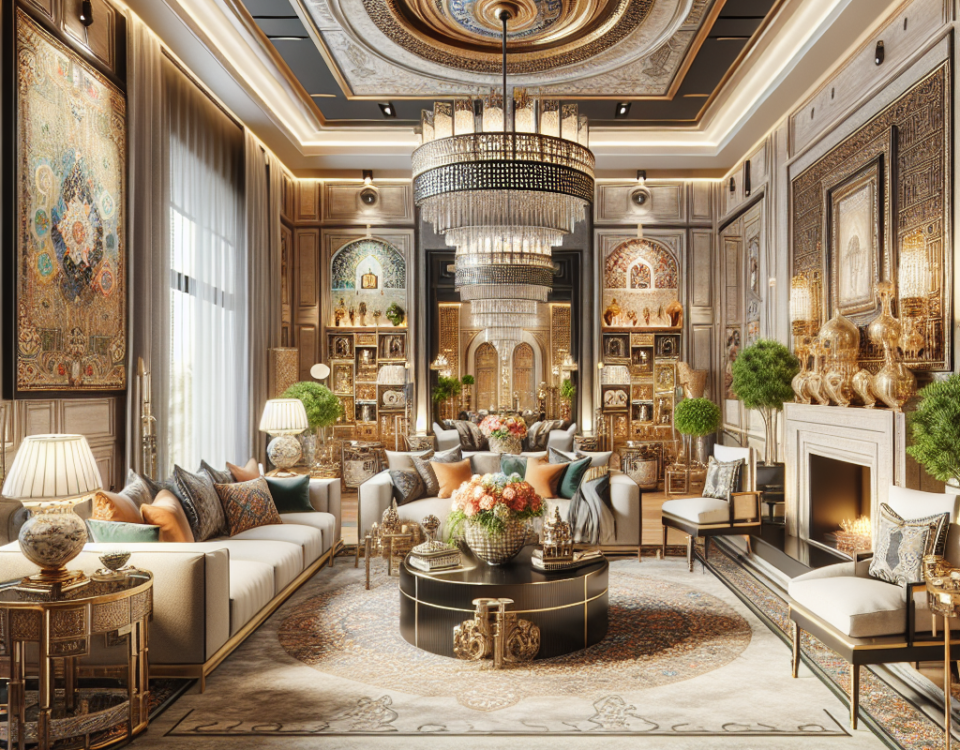
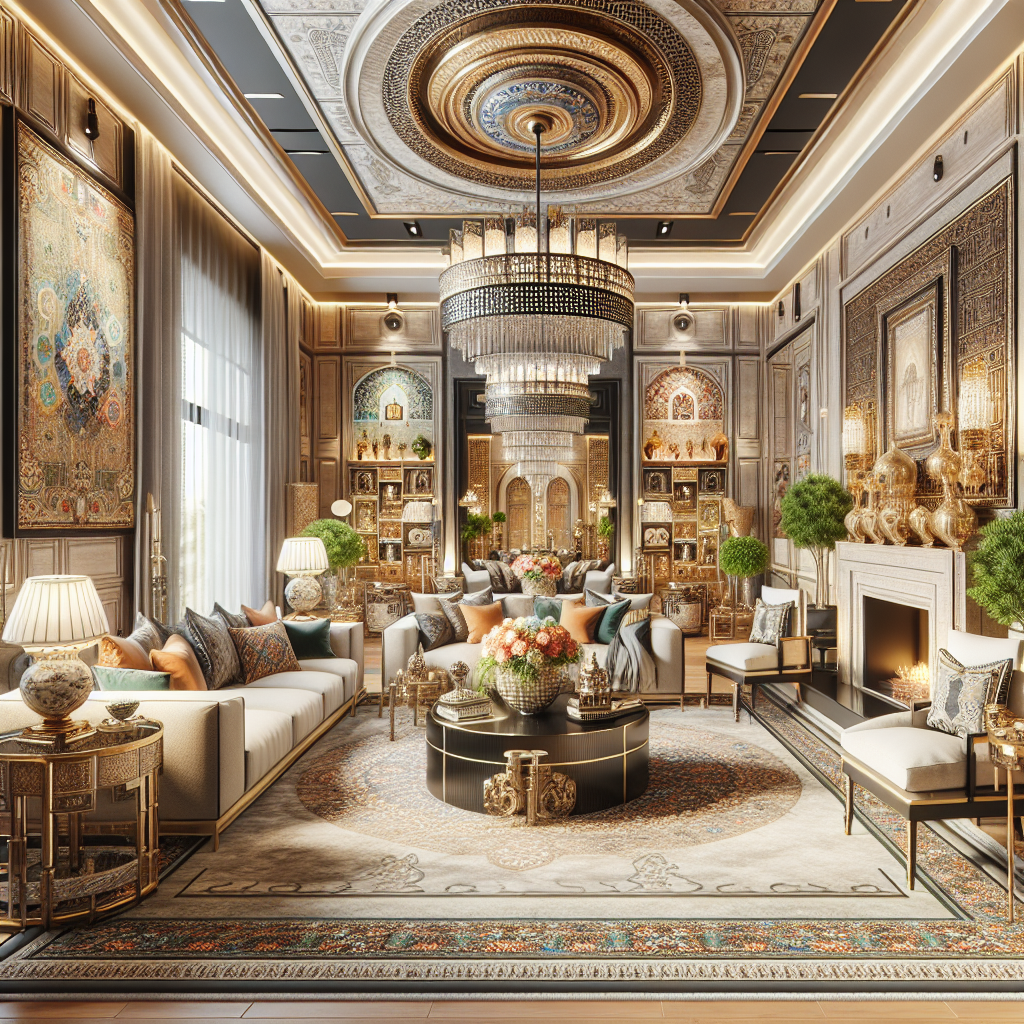
“The Art of Display: Showcasing Collections in Luxury Interiors” delves into the sophisticated world of interior design, where the curation and presentation of collections transform living spaces into personalized art galleries. This exploration highlights the intersection of aesthetics and functionality, offering insights into how treasured items can be elegantly integrated into luxurious environments. By examining various styles, from minimalist to opulent, the book provides inspiration and practical advice for collectors and design enthusiasts alike. It emphasizes the importance of lighting, spatial arrangement, and thematic coherence in creating visually stunning and emotionally resonant interiors that reflect the unique tastes and stories of their inhabitants.
Curating Elegance: Integrating Art Collections into Luxury Living Spaces
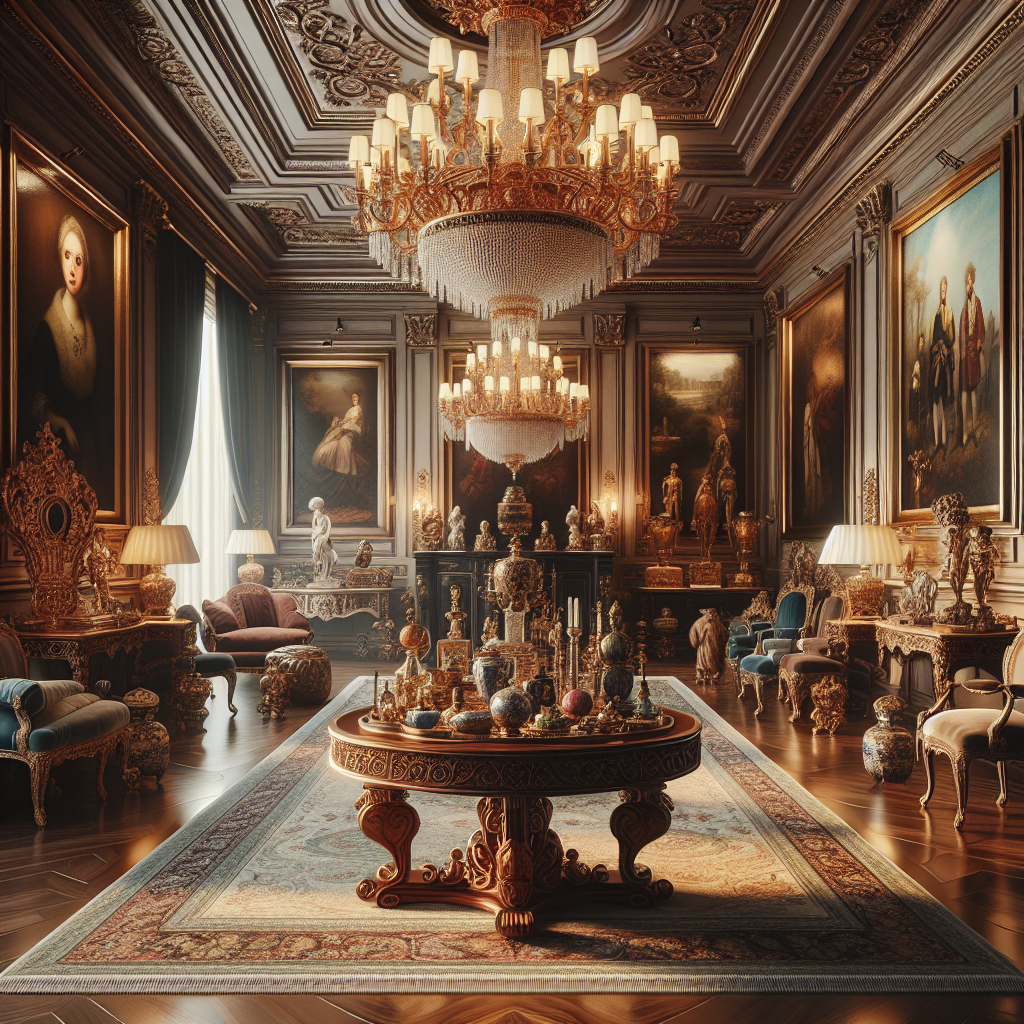
When it comes to luxury interiors, the art of display is a crucial element that can transform a space from merely opulent to truly extraordinary. Integrating art collections into luxury living spaces is not just about filling walls with expensive pieces; it’s about curating an environment that reflects personal taste and elevates the overall aesthetic. The process begins with understanding the essence of the collection and the story it tells. Whether it’s a series of contemporary paintings, a collection of vintage sculptures, or an array of eclectic artifacts, each piece has its own narrative that contributes to the ambiance of the room.
To seamlessly integrate art into a luxury interior, one must consider the balance between the artwork and the surrounding decor. It’s essential to ensure that the art complements the existing design elements rather than competing with them. For instance, a minimalist space with clean lines and neutral tones might benefit from a bold, colorful painting that serves as a focal point. Conversely, a room rich in textures and patterns might call for more subdued art pieces that enhance the existing palette without overwhelming it. This delicate balance can be achieved by playing with scale, color, and placement, allowing the art to breathe and interact with the space.
Lighting is another critical factor in showcasing art collections within luxury interiors. Proper lighting not only highlights the beauty of the artwork but also creates an inviting atmosphere. Natural light can be a wonderful asset, but it’s important to consider how it changes throughout the day and how it might affect the art. Supplementing natural light with strategically placed artificial lighting can ensure that each piece is illuminated to its best advantage. Adjustable track lighting or picture lights can be particularly effective, allowing for flexibility and precision in highlighting specific works.
Moreover, the choice of framing and display methods can significantly impact how art is perceived within a space. While traditional frames can add a touch of elegance, more modern approaches, such as floating frames or frameless displays, can offer a contemporary edge. Additionally, considering unconventional display options, like leaning art against walls or incorporating it into built-in shelving, can add an element of surprise and creativity to the presentation.
Incorporating art into luxury interiors is not limited to wall displays. Sculptures, ceramics, and other three-dimensional pieces can be strategically placed on pedestals, coffee tables, or within niches to add depth and interest to a room. These pieces can serve as conversation starters and focal points, drawing the eye and inviting closer inspection. The key is to ensure that these elements are integrated harmoniously, contributing to the overall flow and feel of the space.
Ultimately, the art of display in luxury interiors is about creating a dialogue between the art and the environment. It’s about curating a space that not only showcases a collection but also tells a story about the people who inhabit it. By thoughtfully considering the relationship between art, decor, lighting, and placement, one can create a living space that is not only luxurious but also deeply personal and engaging. As with any form of art, the process is as much about intuition and emotion as it is about aesthetics and design principles, resulting in a home that is both beautiful and meaningful.
The Perfect Balance: Harmonizing Art and Interior Design in High-End Homes
Creating a luxurious home is about more than just selecting high-end furniture and finishes; it’s about curating an environment that reflects personal taste and style. One of the most effective ways to achieve this is by showcasing art collections in a way that harmonizes with the overall interior design. The art of display is a delicate balance, requiring a keen eye for detail and an understanding of how art and design can complement each other to create a cohesive and inviting space.
To begin with, consider the relationship between the artwork and the room’s color palette. Art can either blend seamlessly with the existing colors or serve as a bold contrast that draws the eye. For instance, a vibrant painting can become the focal point in a room with neutral tones, adding a splash of color and energy. Conversely, artwork with softer hues can enhance a room’s calming atmosphere, creating a sense of tranquility. It’s all about finding that perfect balance where the art neither overwhelms nor gets lost in the space.
Lighting plays a crucial role in showcasing art collections effectively. Proper lighting can highlight the intricate details of a piece, bringing it to life and allowing it to shine. Consider using adjustable track lighting or picture lights to focus attention on specific pieces. Natural light can also be a wonderful asset, but it’s important to be mindful of how it interacts with the artwork. Too much direct sunlight can cause fading, so using UV-protective glass or strategically placing pieces away from direct sunlight can help preserve their beauty.
The scale and proportion of the artwork in relation to the room and its furnishings are also vital considerations. Large pieces can make a dramatic statement in spacious rooms, while smaller works might be better suited to more intimate settings. When hanging art, think about the height at which it is displayed. Eye level is generally a good rule of thumb, but don’t be afraid to experiment with different heights to see what feels right for the space.
Incorporating art into a room’s design doesn’t always mean hanging it on the walls. Sculptures, for example, can add dimension and interest to a space. Placing a sculpture on a pedestal or a console table can create a striking visual element that draws attention. Similarly, art books and smaller collectibles can be displayed on shelves or coffee tables, adding layers of texture and personality to the room.
Mixing different styles and periods of art can also create a dynamic and engaging environment. A contemporary piece can provide an unexpected contrast in a room filled with traditional furnishings, while a classic painting can add a touch of elegance to a modern space. The key is to ensure that there is a common thread, whether it’s a color, theme, or emotion, that ties the collection together.
Ultimately, the art of display in luxury interiors is about creating a space that feels both curated and personal. It’s about telling a story through the pieces you choose to showcase and how you choose to present them. By thoughtfully considering the interplay between art and design, you can create a home that not only looks beautiful but also resonates with your unique sense of style.
Lighting Mastery: Illuminating Art Collections in Luxury Interiors
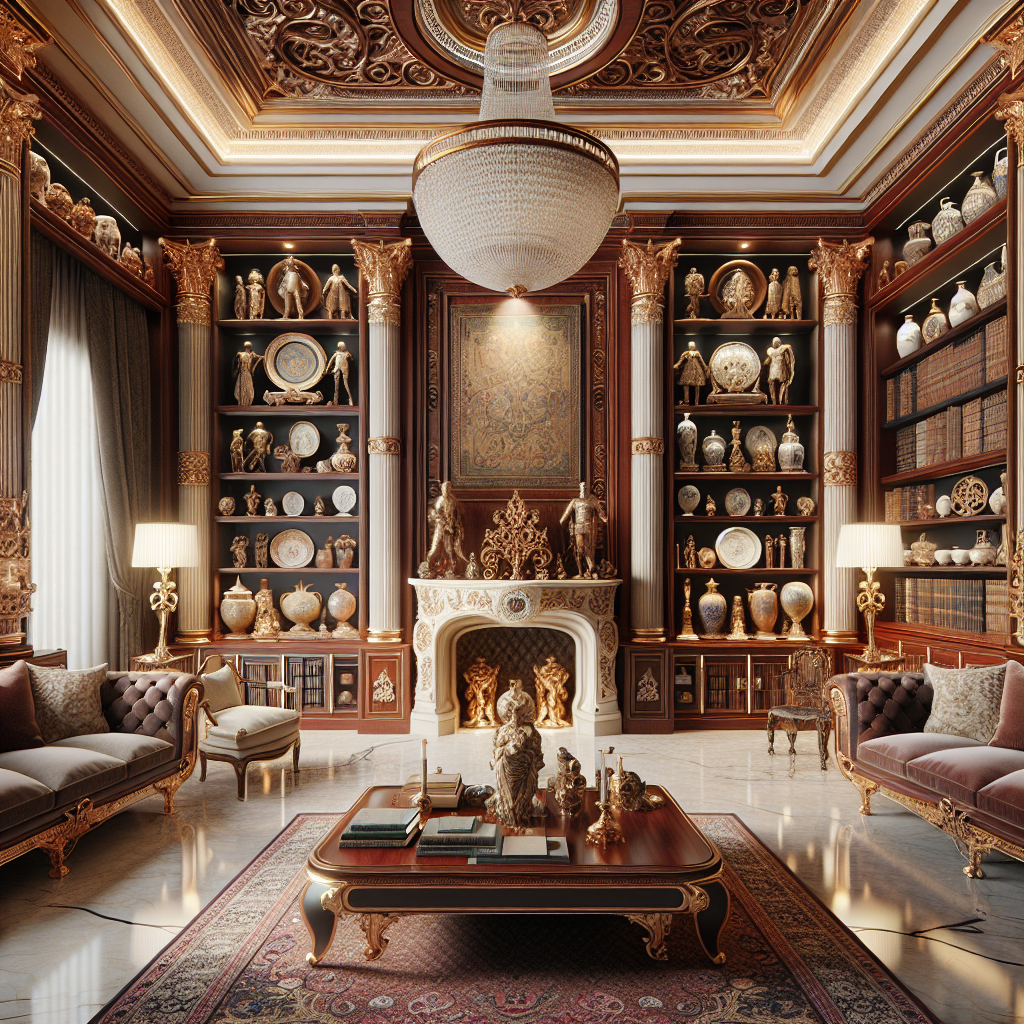
When it comes to showcasing art collections in luxury interiors, lighting plays a pivotal role in enhancing the visual appeal and emotional impact of each piece. Imagine walking into a room where the art is not just displayed, but celebrated, with each piece illuminated to reveal its true beauty. This is the magic of lighting mastery, where the right illumination can transform a space and elevate the art to new heights.
To begin with, understanding the nature of the artwork is crucial. Different pieces require different lighting techniques to bring out their best features. For instance, a vibrant painting might benefit from a warm, focused light that highlights its colors, while a delicate sculpture might need softer, diffused lighting to accentuate its form without casting harsh shadows. By tailoring the lighting to the specific needs of each piece, you can create a harmonious environment where the art truly shines.
Moreover, the placement of lighting fixtures is just as important as the type of light used. Strategically positioned lights can draw attention to key pieces in a collection, guiding the viewer’s eye through the space. Track lighting, for example, offers flexibility and precision, allowing you to adjust the direction and intensity of the light as needed. This adaptability is particularly useful in luxury interiors, where art collections may change or rotate over time.
In addition to direct lighting, ambient lighting plays a significant role in setting the overall mood of the space. Soft, ambient light can create a welcoming atmosphere that invites guests to linger and appreciate the art. This can be achieved through the use of dimmable fixtures, which allow for easy adjustments to the lighting levels depending on the time of day or the desired ambiance. By balancing direct and ambient lighting, you can create a dynamic environment that enhances the art without overwhelming it.
Furthermore, the integration of smart lighting technology offers an exciting opportunity to elevate the art viewing experience. With smart systems, you can program different lighting scenes to suit various occasions or moods. Imagine hosting a dinner party where the lighting subtly shifts to highlight different pieces as the evening progresses, creating a sense of discovery and intrigue for your guests. This level of control not only enhances the art but also adds a layer of sophistication to the overall interior design.
It’s also worth considering the impact of natural light on your art collection. While natural light can beautifully illuminate a space, it can also pose challenges, such as fading or damage to sensitive artworks. To mitigate these risks, consider using UV-filtering window treatments or strategically placing art away from direct sunlight. This way, you can enjoy the benefits of natural light while preserving the integrity of your collection.
In conclusion, the art of lighting mastery in luxury interiors is about more than just illuminating a space; it’s about creating an experience that celebrates the art and enriches the environment. By carefully considering the type, placement, and integration of lighting, you can transform your interior into a gallery that not only showcases your collection but also tells a story. Whether you’re a seasoned collector or just beginning to curate your own collection, mastering the art of lighting can make all the difference in how your art is perceived and appreciated.
Bespoke Display Solutions: Customizing Art Showcases for Opulent Environments
When it comes to luxury interiors, the art of display is as crucial as the art itself. Bespoke display solutions offer a unique opportunity to showcase collections in a way that not only highlights the pieces but also complements the opulent environment in which they reside. Customizing art showcases for these lavish spaces requires a keen eye for detail and a deep understanding of both the art and the space it inhabits. This delicate balance ensures that each piece is presented in a manner that enhances its beauty while seamlessly integrating with the overall aesthetic of the room.
To begin with, the process of creating bespoke display solutions starts with understanding the client’s vision and the story behind their collection. Whether it’s a series of contemporary sculptures or a collection of vintage timepieces, each piece has its own narrative that deserves to be told. By collaborating closely with the client, designers can craft a display that not only showcases the art but also reflects the personality and taste of the collector. This personalized approach ensures that the display is as unique as the collection itself.
Moreover, the choice of materials plays a significant role in customizing art showcases for luxury interiors. High-quality materials such as exotic woods, polished metals, and fine glass can elevate the display, adding a touch of sophistication and elegance. These materials not only provide a stunning backdrop for the art but also ensure durability and longevity, which are essential in maintaining the pristine condition of both the display and the collection. Additionally, incorporating innovative lighting solutions can dramatically enhance the visual impact of the art. Thoughtfully placed lights can highlight specific features, create depth, and add a sense of drama, transforming the display into a captivating focal point.
Furthermore, the spatial arrangement of the collection is another critical aspect of bespoke display solutions. In opulent environments, space is often at a premium, and every inch must be utilized effectively. Designers must consider the flow of the room, ensuring that the display does not disrupt the natural movement within the space. By strategically placing pieces at varying heights and distances, they can create a dynamic and engaging experience for viewers. This careful curation allows each piece to shine individually while contributing to a cohesive and harmonious overall presentation.
In addition to aesthetics, functionality is a key consideration in customizing art showcases. Luxury interiors often serve multiple purposes, from hosting intimate gatherings to providing a serene retreat. Therefore, the display must be adaptable, allowing for easy reconfiguration or expansion as the collection grows or changes. Incorporating modular elements or adjustable shelving can provide the flexibility needed to accommodate evolving collections without compromising on style or elegance.
Ultimately, bespoke display solutions are about more than just showcasing art; they are about creating an immersive experience that resonates with the viewer. By combining artistry, craftsmanship, and innovation, designers can transform a simple display into a masterpiece in its own right. As collectors continue to seek out unique and personalized ways to present their treasures, the art of display will undoubtedly remain an integral part of luxury interiors, offering endless possibilities for creativity and expression.
Timeless Aesthetics: Blending Classic and Contemporary Art in Luxury Settings
When it comes to luxury interiors, the art of display is a crucial element that can transform a space from merely opulent to truly captivating. Blending classic and contemporary art within these settings is an art form in itself, requiring a keen eye for balance and harmony. The key is to create a dialogue between the pieces, allowing them to complement and enhance each other while maintaining their individual allure. This delicate balance can be achieved through thoughtful curation and strategic placement, ensuring that each piece is given the space to breathe and be appreciated.
One of the most effective ways to blend classic and contemporary art is by considering the overall aesthetic of the room. For instance, a room with traditional architectural features can be enlivened with bold, modern art pieces that add a splash of color and energy. Conversely, a sleek, minimalist space can be warmed up with the addition of classic art, such as a timeless landscape or a portrait that exudes history and character. By juxtaposing these styles, you create a dynamic tension that draws the eye and invites closer inspection.
Moreover, the use of color is a powerful tool in harmonizing different art styles. Selecting pieces that share a common color palette can create a sense of cohesion, even if the styles are vastly different. For example, a contemporary abstract painting with vibrant blues and greens can be paired with a classic piece that features similar hues, creating a visual link that ties the room together. This approach not only enhances the individual pieces but also elevates the overall ambiance of the space.
In addition to color, scale plays a significant role in the art of display. Large, bold pieces can serve as focal points, anchoring a room and providing a sense of grandeur. Meanwhile, smaller works can be grouped together to form a gallery wall, offering an intimate glimpse into the collector’s personal taste and style. This method allows for a mix of classic and contemporary pieces to coexist harmoniously, each contributing to the narrative of the collection.
Lighting is another crucial element in showcasing art within luxury interiors. Proper lighting can highlight the intricate details of a classic piece or accentuate the bold strokes of a contemporary work. Adjustable lighting options, such as track lighting or picture lights, offer flexibility and allow for the art to be appreciated in different moods and settings. By carefully considering the lighting, you ensure that each piece is presented in its best light, quite literally.
Furthermore, the choice of framing can significantly impact the presentation of art. A classic piece might benefit from an ornate, gilded frame that echoes its historical roots, while a contemporary work might shine in a sleek, minimalist frame that emphasizes its modernity. The frame serves as a bridge between the art and its surroundings, enhancing the overall aesthetic and ensuring that the piece feels at home within the space.
Ultimately, the art of display in luxury interiors is about creating a space that reflects the collector’s unique vision and taste. By thoughtfully blending classic and contemporary art, you craft an environment that is not only visually stunning but also rich in narrative and meaning. This approach allows for a timeless aesthetic that transcends trends, offering a space that is both luxurious and deeply personal.
Conclusion
“The Art of Display: Showcasing Collections in Luxury Interiors” emphasizes the importance of thoughtful curation and strategic placement in enhancing the aesthetic and emotional impact of collections within high-end spaces. It highlights how the integration of art and collectibles into luxury interiors not only reflects personal taste and identity but also elevates the overall ambiance and sophistication of the environment. The book underscores the balance between functionality and artistry, encouraging a harmonious blend of design elements to create visually stunning and meaningful displays. Ultimately, it showcases the transformative power of well-executed displays in crafting unique and luxurious living experiences.