Neo-Classical Luxury: Ancient Inspirations in Modern Design
November 21, 2023
Luxe Linings: The Importance of Interiors in Furniture Design
December 5, 2023
-
Table of Contents
- Introduction
- Understanding the Role of Scent in Luxury Space Design
- Crafting Signature Scents: The Art of Personalized Fragrance
- The Psychology of Scent: How Fragrances Influence Perception
- Integrating Scent Design with Interior Aesthetics
- Case Studies: Successful Scent Design in Iconic Luxury Spaces
- Conclusion
Introduction
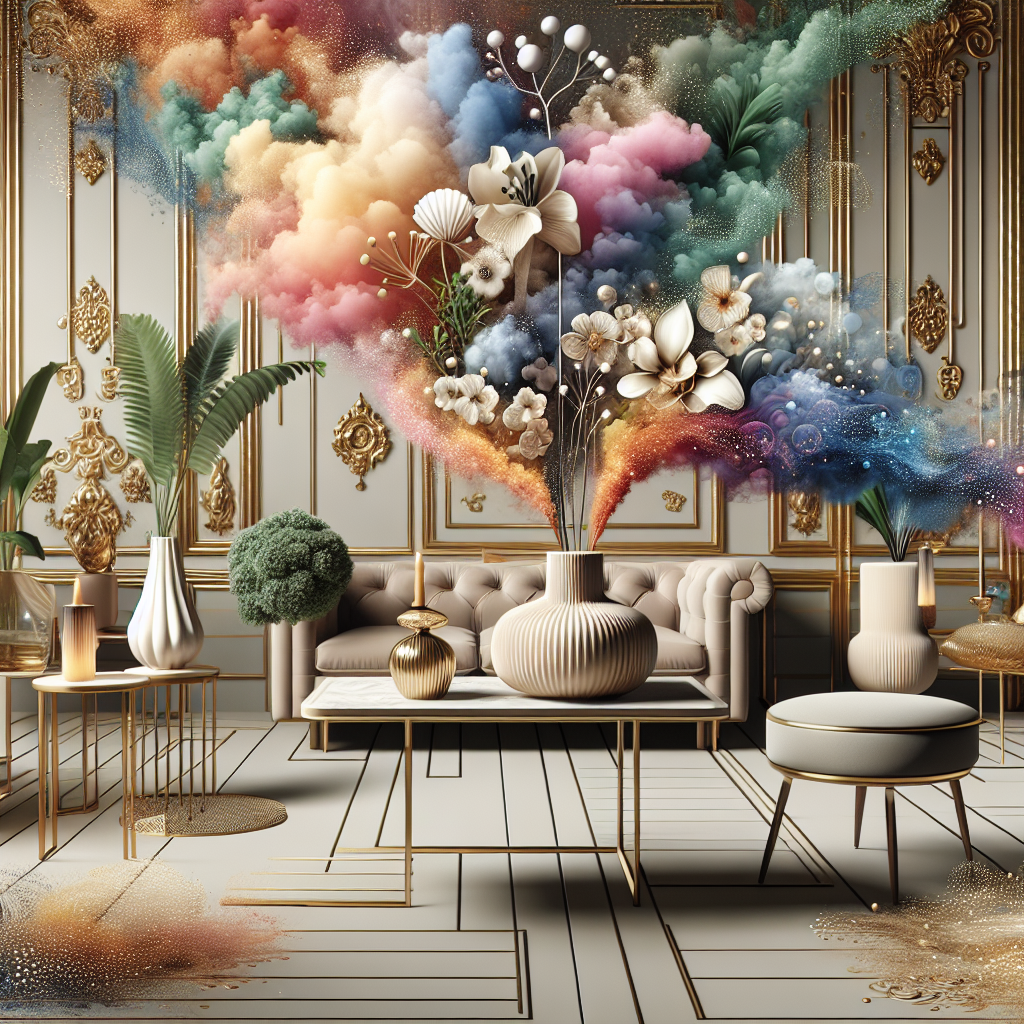
“The Art of Atmosphere: Scent Design for Luxury Spaces” explores the transformative power of fragrance in creating immersive and opulent environments. This book delves into the intricate process of scent design, revealing how carefully curated aromas can elevate the ambiance of high-end spaces, from boutique hotels to exclusive retail stores. By blending the science of olfaction with the art of storytelling, scent designers craft unique sensory experiences that captivate and engage. Through interviews with industry experts and case studies of iconic luxury brands, the book offers insights into the strategic use of scent as a tool for branding, emotional connection, and enhancing the overall aesthetic of a space. Whether for designers, marketers, or fragrance enthusiasts, this work provides a comprehensive guide to understanding and harnessing the subtle yet profound impact of scent in luxury environments.
Understanding the Role of Scent in Luxury Space Design
When you step into a luxury space, whether it’s a high-end hotel lobby, an upscale boutique, or an exclusive spa, there’s an immediate sense of opulence that envelops you. While the visual elements like plush furnishings, elegant lighting, and sophisticated decor play a significant role in creating this atmosphere, there’s another, often overlooked, component that subtly enhances the experience: scent. The art of scent design is an integral part of crafting the perfect ambiance in luxury spaces, and understanding its role can transform how we perceive and enjoy these environments.
Scent has a unique ability to evoke emotions and memories, making it a powerful tool in the design of luxury spaces. Unlike visual or auditory stimuli, which can be easily ignored or filtered out, scent has a direct pathway to the brain’s limbic system, which is responsible for emotion and memory. This means that a carefully chosen fragrance can instantly transport you to a different time or place, evoke a sense of calm, or even make you feel more energized. In luxury spaces, where the goal is often to create a memorable and immersive experience, scent becomes an essential element of the design palette.
Moreover, scent design in luxury spaces is not just about choosing a pleasant fragrance; it’s about crafting a signature scent that aligns with the brand’s identity and the space’s purpose. For instance, a luxury hotel might opt for a warm, inviting scent with notes of vanilla and sandalwood to create a sense of comfort and relaxation for its guests. On the other hand, a high-end fashion boutique might choose a more vibrant and sophisticated fragrance with hints of bergamot and jasmine to reflect its cutting-edge style and elegance. By carefully selecting and diffusing these scents throughout the space, designers can reinforce the brand’s message and enhance the overall guest experience.
Transitioning from the conceptual to the practical, the implementation of scent design involves a blend of art and science. Scent designers work closely with perfumers to create bespoke fragrances that capture the essence of the space. They consider factors such as the size of the area, the flow of foot traffic, and even the materials used in the decor, as these can all influence how a scent is perceived. Additionally, the method of scent diffusion is crucial; whether through discreet diffusers, scented candles, or even incorporating fragrance into the air conditioning system, the goal is to ensure a consistent and subtle presence that enhances rather than overwhelms.
Furthermore, the impact of scent on customer behavior and perception is well-documented. Studies have shown that pleasant scents can increase dwell time, improve mood, and even influence purchasing decisions. In luxury spaces, where every detail is meticulously curated to create an unforgettable experience, scent design offers an additional layer of engagement that can set a brand apart from its competitors. By appealing to the olfactory senses, luxury spaces can create a multi-sensory experience that resonates with guests on a deeper level.
In conclusion, the art of atmosphere through scent design is a fascinating and essential aspect of luxury space design. By understanding the role of scent and its ability to evoke emotions and memories, designers can create environments that are not only visually stunning but also emotionally engaging. As we continue to explore the possibilities of scent in design, the potential to craft truly immersive and memorable luxury experiences is limited only by our imagination.
Crafting Signature Scents: The Art of Personalized Fragrance
Creating a signature scent for a luxury space is much like crafting a fine piece of art. It requires a keen understanding of the environment, the people who inhabit it, and the emotions you wish to evoke. Just as a painter selects colors to convey a mood, a scent designer chooses notes to create an olfactory experience that is both memorable and unique. The art of scent design is about more than just choosing pleasant aromas; it’s about crafting an atmosphere that resonates with the essence of the space and its purpose.
To begin with, understanding the space is crucial. Whether it’s a high-end hotel, a boutique store, or a private residence, each location has its own character and story. The scent should complement and enhance this narrative, not overpower it. For instance, a luxury spa might benefit from calming notes of lavender and eucalyptus, creating a serene and relaxing environment. On the other hand, a chic fashion boutique might opt for something more vibrant and energetic, like citrus and bergamot, to reflect its modern and dynamic vibe.
Once the essence of the space is understood, the next step is to consider the people who will experience the scent. This involves thinking about the clientele or residents and what they might find appealing. A scent that works well in a bustling urban hotel might not be suitable for a quiet countryside retreat. It’s about finding that perfect balance between the space’s identity and the preferences of its inhabitants. This is where the art of personalization comes into play, as scent designers often work closely with their clients to tailor a fragrance that feels just right.
Moreover, the choice of fragrance notes is a delicate process. Top notes, which are the initial scents perceived, should be inviting and intriguing. Middle notes, or the heart of the fragrance, should provide depth and character, while base notes offer a lasting impression that lingers in the memory. The interplay of these notes is akin to a symphony, where each element must harmonize with the others to create a cohesive and pleasing experience.
In addition to the selection of notes, the method of delivery is also an important consideration. Whether through candles, diffusers, or air systems, the way a scent is introduced into a space can significantly impact its effectiveness. A subtle, consistent presence is often more desirable than an overwhelming burst of fragrance, ensuring that the scent enhances rather than distracts.
Furthermore, the art of scent design is not static; it evolves with trends and innovations. As sustainability becomes increasingly important, many designers are exploring eco-friendly options, using natural and responsibly sourced ingredients. This not only appeals to environmentally conscious clients but also adds an extra layer of authenticity to the fragrance.
In conclusion, crafting a signature scent for luxury spaces is a nuanced and creative process that goes beyond simply choosing a pleasant aroma. It involves a deep understanding of the space, its inhabitants, and the emotions you wish to evoke. By carefully selecting and blending fragrance notes, and considering the method of delivery, scent designers can create an atmosphere that is both unique and memorable. As trends continue to evolve, the art of scent design will undoubtedly continue to innovate, offering new ways to enhance the luxury experience through the power of fragrance.
The Psychology of Scent: How Fragrances Influence Perception
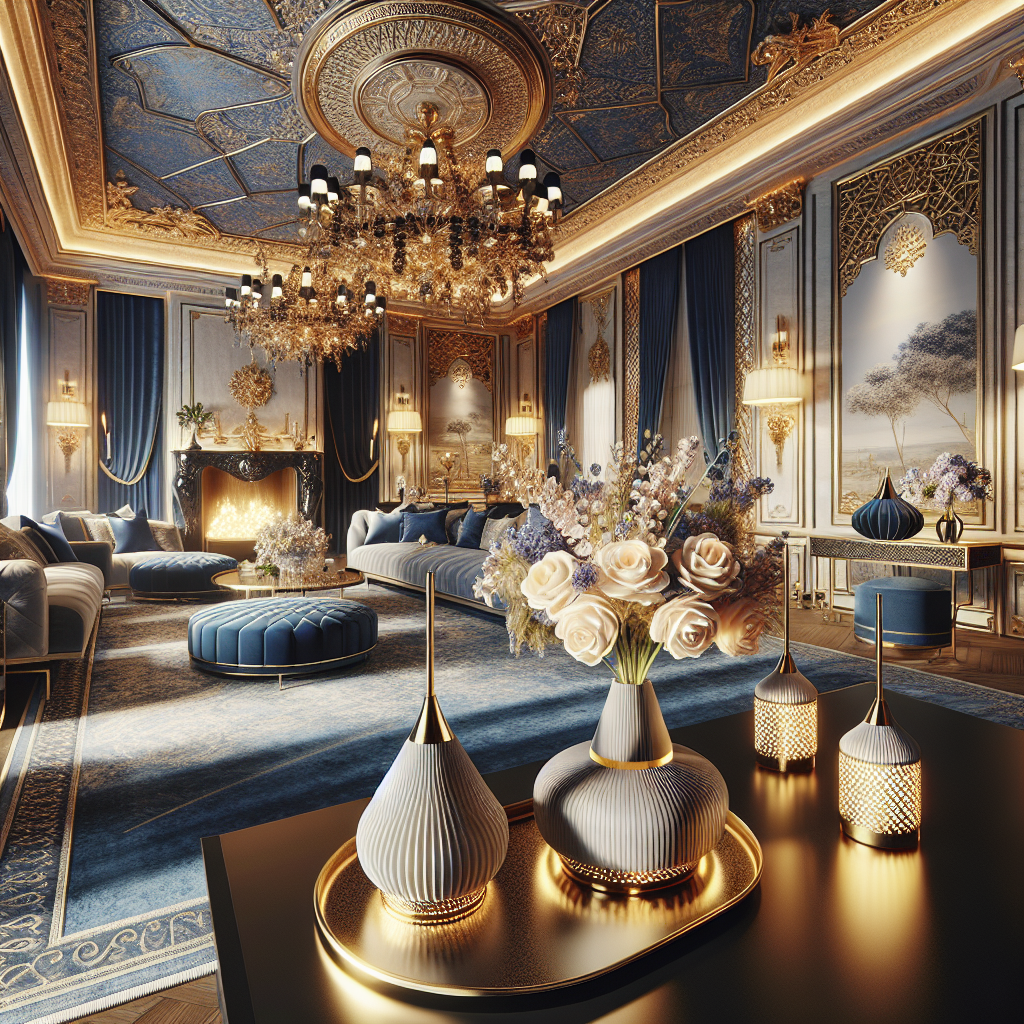
When you walk into a luxury hotel or a high-end boutique, there’s often an intangible quality that makes the experience memorable. While the plush furnishings and elegant decor certainly play a role, there’s another, subtler element at work: the scent. The art of scent design has become an essential aspect of creating luxury spaces, and it’s all about crafting an atmosphere that resonates with visitors on a deeper level. But what is it about fragrances that can so profoundly influence our perception?
To begin with, our sense of smell is directly linked to the limbic system, the part of the brain responsible for emotions and memory. This connection means that scents can evoke powerful emotional responses and bring back vivid memories. For instance, the smell of fresh linen might remind someone of childhood summers at their grandmother’s house, while the aroma of sandalwood could transport another to a serene spa retreat. By carefully selecting and designing scents, luxury spaces can tap into these emotional triggers, creating an environment that feels both welcoming and memorable.
Moreover, the psychology of scent is not just about nostalgia; it’s also about shaping perceptions in the present moment. Certain fragrances can influence how we perceive a space and even alter our behavior within it. For example, citrus scents are often associated with cleanliness and energy, making them a popular choice for spaces that want to convey freshness and vitality. On the other hand, warm, woody notes might be used to create a sense of comfort and sophistication, perfect for a high-end lounge or a cozy hotel lobby.
In addition to evoking emotions and shaping perceptions, scent design can also enhance brand identity. Just as a logo or color scheme can become synonymous with a brand, a signature scent can serve as an olfactory logo, reinforcing the brand’s image and values. Luxury brands often invest in creating unique fragrances that reflect their ethos, ensuring that every time a customer encounters that scent, they are reminded of the brand’s essence. This strategy not only strengthens brand recognition but also fosters a deeper emotional connection with customers.
Furthermore, the art of scent design is not limited to standalone fragrances. It often involves a complex layering of scents to create a multidimensional experience. This technique allows for a more nuanced atmosphere, where different notes can be detected at various points in a space, much like a symphony of aromas. For instance, a luxury spa might use a combination of lavender, eucalyptus, and cedarwood to create a calming yet invigorating environment, with each scent playing its part in the overall experience.
As we delve deeper into the world of scent design, it’s clear that the impact of fragrances on our perception is both profound and multifaceted. By understanding the psychology of scent, luxury spaces can craft environments that not only look beautiful but also feel extraordinary. Whether it’s through evoking cherished memories, shaping present perceptions, or enhancing brand identity, the art of atmosphere through scent design is a powerful tool in creating unforgettable experiences. So, the next time you find yourself in a luxurious setting, take a moment to breathe in the atmosphere—there’s a good chance that the scent is working its magic on you.
Integrating Scent Design with Interior Aesthetics
When you step into a luxury space, whether it’s a high-end hotel lobby, an exclusive boutique, or a sophisticated restaurant, there’s an immediate sense of ambiance that envelops you. While the visual elements like opulent furnishings, elegant lighting, and exquisite decor play a significant role in creating this atmosphere, there’s another, often subtler, component at work: scent. Integrating scent design with interior aesthetics is an art form that enhances the overall experience, making spaces not only look but also feel luxurious.
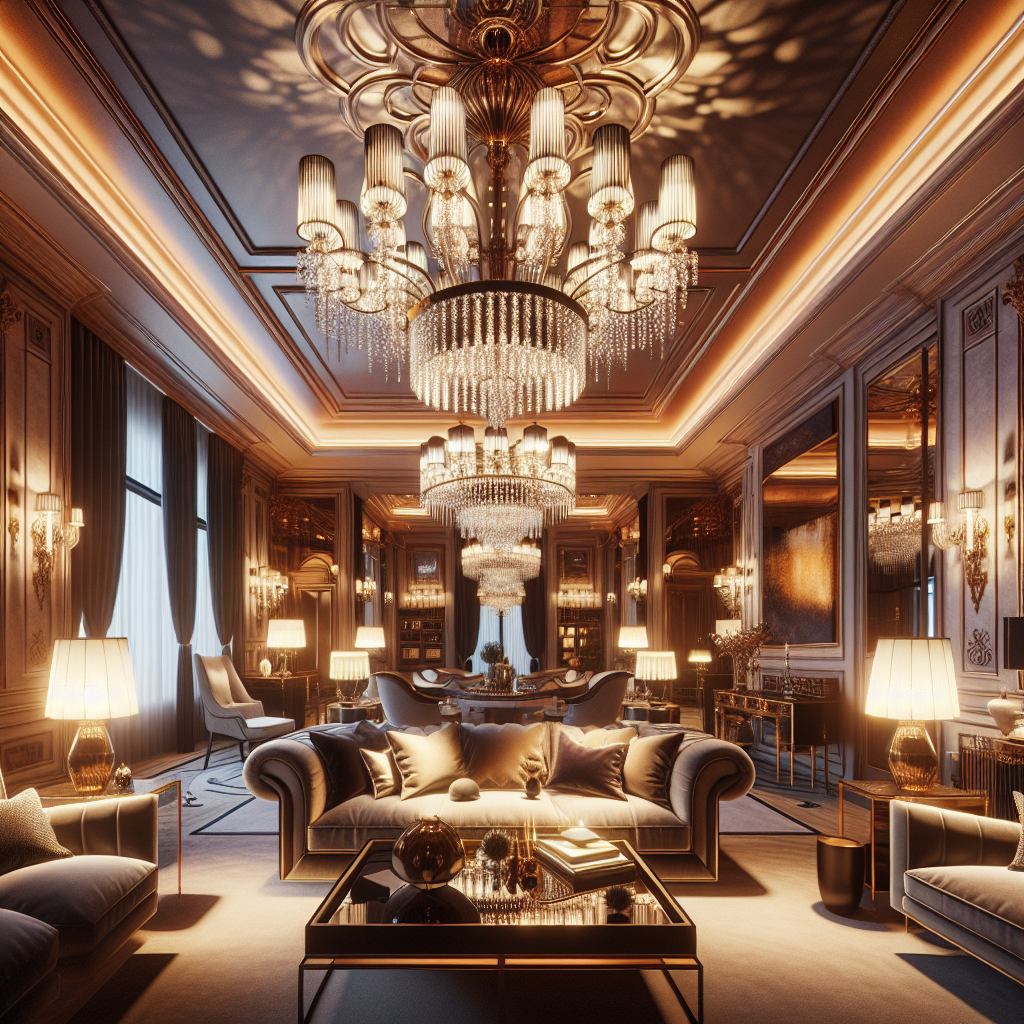
Imagine walking into a room where the air is infused with a delicate blend of jasmine and sandalwood. Instantly, the scent evokes a sense of calm and sophistication, complementing the plush velvet sofas and the soft glow of chandeliers. This is the magic of scent design. It works in harmony with the visual elements to create a cohesive and immersive environment. By carefully selecting fragrances that align with the interior’s theme and purpose, designers can elevate the sensory experience, making it memorable and unique.
The process of integrating scent design begins with understanding the space’s identity and the emotions it aims to evoke. For instance, a luxury spa might opt for soothing lavender and eucalyptus to promote relaxation, while a chic fashion boutique might choose a vibrant citrus and bergamot blend to energize and inspire. The key is to ensure that the scent complements the visual and tactile elements, creating a seamless sensory journey for anyone who enters.
Moreover, scent design is not just about choosing a pleasant fragrance; it’s about storytelling. Each scent can tell a story, evoke memories, or transport individuals to another place and time. For example, a high-end restaurant might use a subtle hint of rosemary and thyme to remind guests of a Mediterranean escape, enhancing the culinary experience. This storytelling aspect of scent design adds depth to the space, making it more than just a physical location but a destination filled with emotion and narrative.
In addition to enhancing the atmosphere, scent design can also influence behavior and perception. Studies have shown that certain scents can affect mood, productivity, and even purchasing decisions. By strategically incorporating scents that align with the desired outcomes, luxury spaces can subtly guide guests’ experiences and interactions. For instance, a hotel lobby might use a warm, inviting fragrance to encourage guests to linger and relax, while a retail store might use an invigorating scent to stimulate browsing and buying.
As with any art form, balance is crucial in scent design. The fragrance should be noticeable yet not overpowering, enhancing the space without overwhelming the senses. This requires a keen understanding of both the science of scent and the art of design. Collaborating with professional scent designers can ensure that the chosen fragrance harmonizes with the space’s aesthetics and purpose, creating an environment that is both beautiful and inviting.
In conclusion, integrating scent design with interior aesthetics is a powerful way to enhance the luxury experience. By carefully selecting and incorporating fragrances that complement the visual and tactile elements, designers can create spaces that are not only visually stunning but also emotionally resonant. This art of atmosphere transforms ordinary spaces into extraordinary experiences, leaving a lasting impression on all who enter. So next time you find yourself in a luxurious setting, take a moment to breathe in the ambiance and appreciate the subtle yet profound role that scent plays in the art of atmosphere.
Case Studies: Successful Scent Design in Iconic Luxury Spaces
Creating an unforgettable atmosphere in luxury spaces often involves more than just visual aesthetics; it requires engaging all the senses, including the often-overlooked sense of smell. Scent design has emerged as a powerful tool in crafting unique and memorable experiences in iconic luxury spaces. By carefully selecting and blending fragrances, designers can evoke emotions, enhance brand identity, and create a lasting impression on visitors. Let’s explore some successful case studies where scent design has played a pivotal role in elevating luxury environments.
One notable example is the Ritz-Carlton Hotel in New York City. Known for its opulence and attention to detail, the hotel has incorporated a signature scent that greets guests as they enter the lobby. This fragrance, a sophisticated blend of white tea and fig, was chosen to reflect the hotel’s commitment to elegance and tranquility. The scent not only complements the luxurious decor but also creates a calming atmosphere, making guests feel instantly at ease. By associating this unique aroma with their stay, visitors are more likely to remember their experience long after they have checked out.
Transitioning from hospitality to retail, the iconic fashion house Chanel has also embraced scent design in its flagship stores. Chanel’s approach involves using a subtle yet distinctive fragrance that echoes the brand’s timeless elegance and sophistication. The scent, reminiscent of the classic Chanel No. 5 perfume, is diffused throughout the store, enhancing the shopping experience by creating an immersive environment that aligns with the brand’s identity. This olfactory branding strategy not only reinforces Chanel’s image but also encourages customers to linger longer, potentially increasing sales.
In the realm of automotive luxury, Rolls-Royce has taken scent design to a new level by offering bespoke fragrances for their vehicles. Understanding that the driving experience is as much about the journey as it is about the destination, Rolls-Royce allows customers to personalize the scent of their car interiors. This customization option enables owners to select a fragrance that resonates with their personal taste, further enhancing the exclusivity and luxury of the brand. By integrating scent into the driving experience, Rolls-Royce has successfully added another layer of personalization and luxury for its discerning clientele.
Moving to the world of high-end retail, the luxury department store Harrods in London has also harnessed the power of scent design. Harrods uses a signature fragrance throughout its store to create a cohesive and inviting atmosphere. This scent, a blend of bergamot, amber, and musk, is designed to evoke a sense of warmth and sophistication, encouraging shoppers to explore the vast array of luxury goods on offer. By creating a consistent olfactory experience, Harrods strengthens its brand identity and enhances customer satisfaction.
In conclusion, these case studies illustrate the transformative power of scent design in luxury spaces. By carefully selecting and implementing fragrances that align with their brand values, these iconic establishments have successfully created memorable and immersive experiences for their guests and customers. As the art of atmosphere continues to evolve, it is clear that scent design will remain an essential component in crafting luxury environments that captivate and inspire. Whether in hotels, retail spaces, or automobiles, the strategic use of scent can elevate the experience, leaving a lasting impression that goes beyond the visual and into the realm of the unforgettable.
Conclusion
“The Art of Atmosphere: Scent Design for Luxury Spaces” explores the intricate relationship between scent and spatial experience, emphasizing how olfactory elements can transform environments into immersive, luxurious experiences. By integrating scent design into luxury spaces, designers can evoke emotions, create memorable experiences, and enhance the perceived value of a space. The strategic use of fragrance not only complements the visual and tactile elements of design but also establishes a unique identity and atmosphere that resonates with occupants. Ultimately, scent design emerges as a powerful tool in crafting sophisticated and engaging environments that captivate and delight the senses.