The Art of Atmosphere: Scent Design for Luxury Spaces
November 28, 2023
The New Iridescence: Subtle Shimmer in Sophisticated Spaces
December 12, 2023
-
Table of Contents
- Introduction
- Understanding Luxe Linings: Elevating Furniture Design Through Interior Detailing
- The Role of Luxe Linings in Enhancing Aesthetic Appeal and Comfort
- How Luxe Linings Influence the Durability and Functionality of Furniture
- Luxe Linings and Sustainable Design: Eco-Friendly Interior Choices
- Trends in Luxe Linings: Innovative Materials and Techniques in Modern Furniture Design
- Conclusion
Introduction
Luxe Linings: The Importance of Interiors in Furniture Design explores the often-overlooked yet crucial role that interior materials and finishes play in the overall aesthetic and functionality of furniture. While the exterior design of furniture pieces typically garners the most attention, it is the interiors—the linings, padding, and hidden structures—that significantly influence comfort, durability, and style. This examination delves into how luxurious linings can elevate furniture from mere functional objects to works of art, enhancing user experience and adding value. By focusing on the selection of high-quality materials and innovative design techniques, Luxe Linings underscores the integral relationship between a piece’s interior components and its exterior appeal, ultimately shaping the future of furniture design.
Understanding Luxe Linings: Elevating Furniture Design Through Interior Detailing
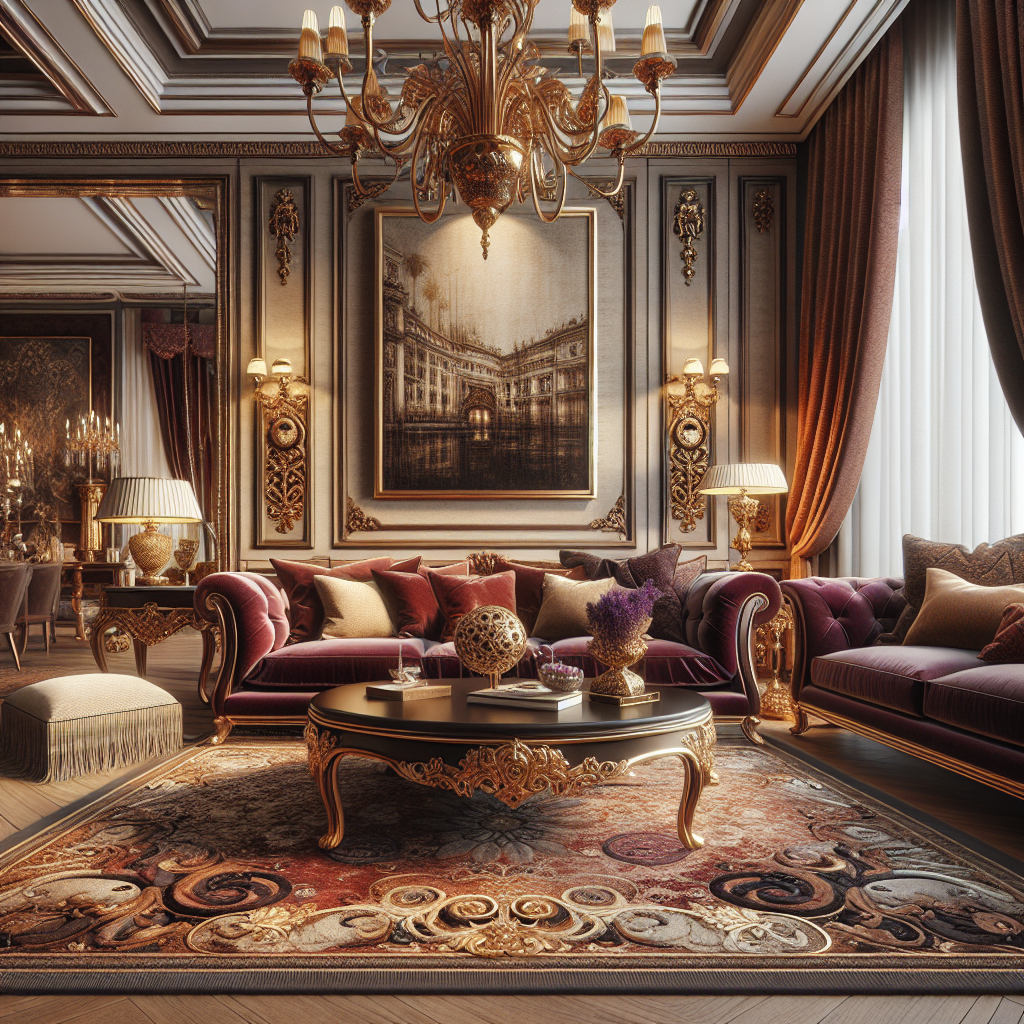
When it comes to furniture design, the exterior often steals the spotlight. We admire the sleek lines of a modern sofa or the rich grain of a wooden table, but what about the interiors? Luxe linings, the often-overlooked heroes of furniture design, play a crucial role in elevating both the functionality and aesthetic appeal of a piece. Understanding the importance of these interior details can transform how we perceive and appreciate our furniture.
To begin with, the interior of a piece of furniture is like the soul of the design. It’s where craftsmanship meets creativity, and where functionality is seamlessly integrated with style. Take, for instance, a beautifully upholstered chair. While the fabric choice and color might catch your eye, it’s the quality of the lining and padding inside that determines the comfort and durability of the chair. A well-constructed interior ensures that the chair not only looks good but also feels good, providing support and resilience over time.
Moreover, luxe linings are not just about comfort; they also contribute to the overall aesthetic of a piece. Consider a wardrobe with a velvet-lined interior. The moment you open the doors, you’re greeted with a sense of luxury that elevates the entire experience of using the furniture. This attention to detail can transform a simple storage solution into a statement piece, adding a touch of elegance to your daily routine. It’s these hidden elements that often make the difference between ordinary and extraordinary furniture.
In addition to enhancing aesthetics, the interiors of furniture play a vital role in its functionality. Thoughtfully designed interiors can maximize storage space, improve accessibility, and even prolong the life of the furniture. For example, a well-organized drawer with compartments and dividers can make all the difference in keeping your belongings tidy and easily accessible. Similarly, a sofa with a sturdy frame and high-quality springs will maintain its shape and comfort for years, thanks to the attention given to its interior construction.
Furthermore, the choice of materials used in the interiors can significantly impact the sustainability and environmental footprint of furniture. As more consumers become conscious of their environmental impact, designers are increasingly opting for eco-friendly materials and sustainable practices. Using recycled or responsibly sourced materials for linings and padding not only reduces waste but also appeals to environmentally conscious buyers. This shift towards sustainability in interior detailing reflects a broader trend in the industry, where luxury and responsibility go hand in hand.
As we delve deeper into the world of luxe linings, it becomes clear that these interior details are not just an afterthought but an integral part of furniture design. They bridge the gap between form and function, ensuring that a piece is not only beautiful but also practical and enduring. By appreciating the craftsmanship and thought that goes into these hidden elements, we gain a greater understanding of what makes a piece of furniture truly exceptional.
In conclusion, while the exterior of furniture may initially capture our attention, it’s the interiors that often hold the key to its true value. Luxe linings elevate furniture design by enhancing comfort, aesthetics, functionality, and sustainability. So, the next time you admire a piece of furniture, take a moment to consider the interior details that make it special. After all, it’s what’s inside that counts.
The Role of Luxe Linings in Enhancing Aesthetic Appeal and Comfort
When it comes to furniture design, the exterior often steals the spotlight, with sleek lines and eye-catching silhouettes capturing our attention. However, the true magic often lies beneath the surface, in the luxe linings that enhance both the aesthetic appeal and comfort of a piece. These interiors, though not always visible at first glance, play a crucial role in defining the overall experience of furniture, transforming it from mere utility to a statement of style and comfort.
To begin with, the choice of materials for the interior linings can significantly impact the visual appeal of furniture. Imagine opening a drawer to reveal a plush velvet lining or lifting a cushion to find a beautifully patterned fabric. These details, though subtle, add layers of sophistication and elegance. They invite a sense of discovery, making the furniture not just something to look at, but something to explore. The tactile experience of running your fingers over a soft, luxurious lining can elevate the perception of quality and craftsmanship, making the furniture feel more bespoke and personal.
Moreover, luxe linings contribute to the comfort of furniture in ways that are both direct and indirect. For instance, the padding beneath a sofa’s upholstery or the cushioning inside a chair can make all the difference in how comfortable it feels. High-quality linings provide support and resilience, ensuring that the furniture maintains its shape and comfort over time. This attention to detail in the interior construction can transform a piece from being just another item in the room to a cherished spot for relaxation and repose.
In addition to comfort, these linings also play a practical role in the longevity and maintenance of furniture. Durable materials used in the interiors can protect against wear and tear, extending the life of the piece. For example, a well-lined drawer can prevent scratches and damage to both the drawer itself and the items stored within it. Similarly, moisture-resistant linings can safeguard against spills and stains, making the furniture easier to care for and maintain. This practical aspect of luxe linings ensures that the furniture remains not only beautiful but also functional for years to come.
Transitioning from the practical to the personal, the choice of interior linings can also reflect individual style and taste. Just as people choose clothing that expresses their personality, the interiors of furniture can be customized to align with personal preferences. Whether it’s a bold color, a unique texture, or a classic pattern, these choices allow for a deeper connection between the owner and their furniture. This personalization adds a layer of intimacy, making the furniture feel like an extension of oneself.
In conclusion, while the exterior design of furniture often captures initial attention, it is the luxe linings that truly enhance its aesthetic appeal and comfort. These interiors, with their thoughtful selection of materials and attention to detail, play a vital role in transforming furniture into more than just functional objects. They invite us to engage with our surroundings in a more meaningful way, offering both visual delight and tactile pleasure. So, the next time you admire a piece of furniture, take a moment to appreciate the hidden beauty within, for it is these luxe linings that truly complete the experience.
How Luxe Linings Influence the Durability and Functionality of Furniture
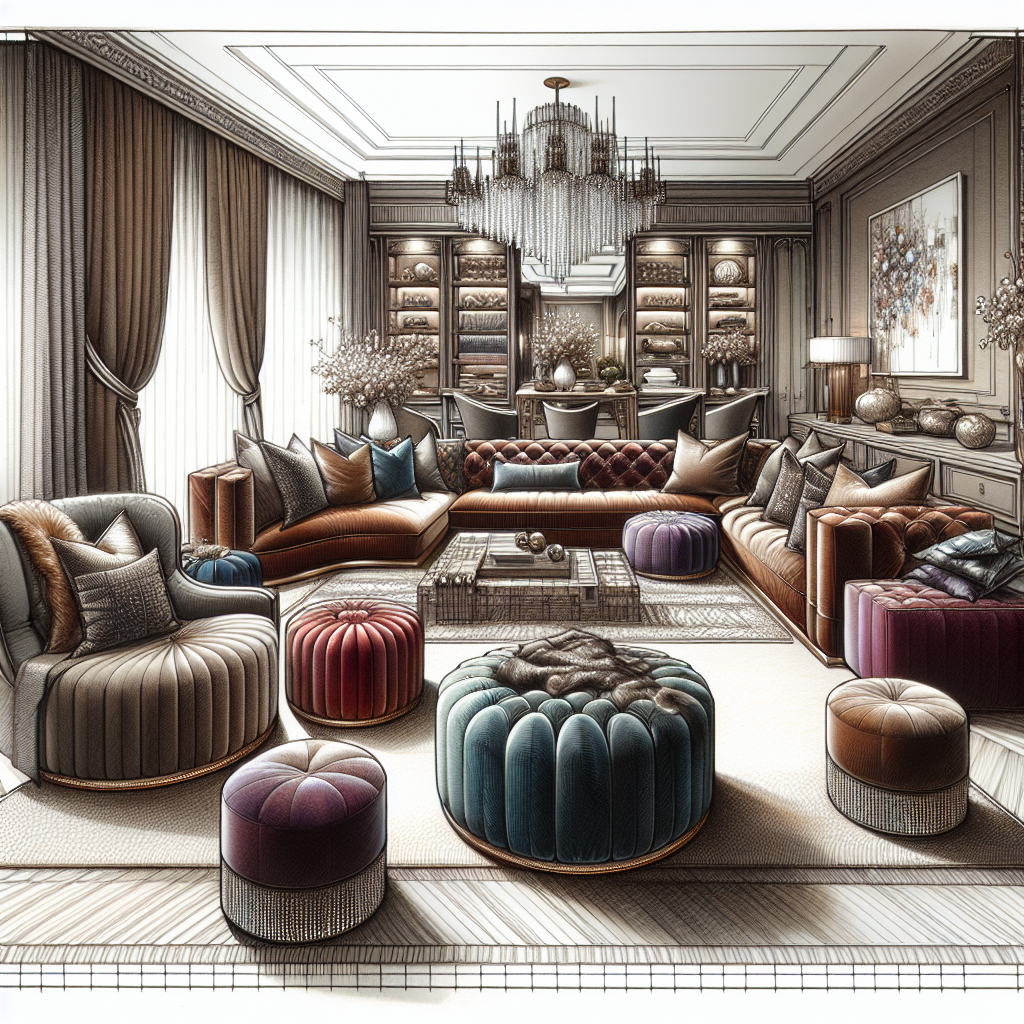
When it comes to furniture design, the exterior often steals the spotlight. We admire the sleek lines of a modern sofa or the rich grain of a wooden dining table. However, the true magic often lies beneath the surface, in the luxe linings that play a crucial role in both the durability and functionality of furniture. These hidden elements are the unsung heroes that ensure our beloved pieces not only look good but also stand the test of time.
To begin with, let’s consider the materials used in the linings of furniture. High-quality linings, such as those made from durable fabrics or reinforced materials, provide a sturdy foundation that enhances the overall strength of the piece. For instance, a well-constructed sofa might feature a lining made from heavy-duty cotton or a blend of synthetic fibers that resist wear and tear. This not only prolongs the life of the sofa but also maintains its shape and comfort over years of use. In contrast, furniture with inferior linings may sag or lose its form, leading to a less comfortable and aesthetically pleasing experience.
Moreover, luxe linings contribute significantly to the functionality of furniture. Take, for example, a set of dining chairs. The lining material used in the seat and backrest can affect how comfortable the chairs are during long dinners or gatherings. A high-quality foam lining wrapped in a breathable fabric can provide just the right amount of support and cushioning, making those extended family meals a pleasure rather than a pain. Similarly, in storage furniture like dressers or cabinets, the lining can protect delicate items from scratches and damage, ensuring that your belongings remain in pristine condition.
In addition to durability and functionality, luxe linings also play a role in the overall aesthetic appeal of furniture. While they may not be immediately visible, the choice of lining can influence the texture and feel of a piece. For example, a velvet-lined drawer adds a touch of elegance and luxury, making even the simple act of opening it feel special. This attention to detail can elevate the entire piece, transforming it from a mere functional item into a statement of style and sophistication.
Furthermore, the importance of luxe linings extends to the realm of sustainability. As consumers become more environmentally conscious, the demand for sustainable furniture has grown. High-quality linings made from eco-friendly materials not only reduce the environmental impact but also ensure that the furniture is built to last. This means fewer pieces end up in landfills, contributing to a more sustainable future. By investing in furniture with durable, sustainable linings, consumers can enjoy beautiful, functional pieces while also making a positive impact on the planet.
In conclusion, while the exterior of furniture may catch our eye, it’s the luxe linings that truly make a difference in terms of durability and functionality. These hidden elements ensure that our furniture remains comfortable, stylish, and long-lasting. So, the next time you’re in the market for a new piece, take a moment to consider what’s beneath the surface. You might just find that the true value lies in the unseen details that make all the difference.
Luxe Linings and Sustainable Design: Eco-Friendly Interior Choices
When it comes to furniture design, the exterior often steals the spotlight, with sleek lines and eye-catching finishes capturing our attention. However, the interior of furniture pieces plays an equally crucial role, especially when considering sustainability and eco-friendliness. Luxe linings, or the materials used inside furniture, can significantly impact both the environment and the overall quality of the piece. As we become more conscious of our ecological footprint, it’s essential to explore how these interior choices can align with sustainable design principles.
To begin with, the materials used in the interiors of furniture can greatly influence its durability and comfort. For instance, opting for natural fibers like cotton, wool, or linen not only provides a luxurious feel but also ensures breathability and longevity. These materials are biodegradable and often sourced from renewable resources, making them a more sustainable choice compared to synthetic alternatives. Moreover, they add a touch of elegance and comfort that enhances the overall experience of using the furniture.
Transitioning from natural fibers, let’s delve into the world of recycled materials. Incorporating recycled content into furniture interiors is a fantastic way to reduce waste and promote a circular economy. For example, using recycled foam or batting for cushioning not only diverts waste from landfills but also reduces the demand for new raw materials. This approach not only benefits the environment but also supports innovative design practices that prioritize resource efficiency.
In addition to recycled materials, another eco-friendly option is the use of sustainably sourced wood for structural components. Wood is a timeless choice for furniture interiors, offering strength and stability. However, ensuring that the wood is sourced from responsibly managed forests is crucial. Certifications like FSC (Forest Stewardship Council) or PEFC (Programme for the Endorsement of Forest Certification) provide assurance that the wood has been harvested sustainably, protecting ecosystems and supporting local communities.
Furthermore, the adhesives and finishes used in furniture interiors can also impact their environmental footprint. Traditional adhesives often contain volatile organic compounds (VOCs) that can be harmful to both human health and the environment. By choosing low-VOC or VOC-free adhesives, manufacturers can create healthier indoor environments and reduce air pollution. Similarly, opting for water-based finishes instead of solvent-based ones can minimize the release of harmful chemicals, making the furniture safer for both the user and the planet.
As we consider these sustainable interior choices, it’s important to recognize the role of craftsmanship in furniture design. Skilled artisans who prioritize quality over quantity can create pieces that stand the test of time, reducing the need for frequent replacements. Investing in well-crafted furniture not only supports local economies but also contributes to a more sustainable lifestyle by reducing consumption and waste.
In conclusion, while the exterior of furniture may initially catch our eye, the interior choices are equally vital in creating sustainable and luxurious designs. By selecting natural fibers, recycled materials, sustainably sourced wood, and eco-friendly adhesives and finishes, we can make a positive impact on the environment without compromising on style or comfort. As consumers, being mindful of these interior elements allows us to make informed decisions that align with our values and contribute to a more sustainable future. So, the next time you admire a beautifully designed piece of furniture, take a moment to appreciate the luxe linings that make it truly exceptional.
Trends in Luxe Linings: Innovative Materials and Techniques in Modern Furniture Design
In the world of furniture design, the focus often gravitates towards the exterior—sleek lines, bold colors, and striking silhouettes. However, a growing trend in the industry is the emphasis on luxe linings, where the interior of furniture pieces is given as much attention as the exterior. This shift is not just about aesthetics; it’s about creating a holistic experience that combines comfort, functionality, and style. As we delve into this trend, it’s fascinating to see how innovative materials and techniques are transforming the way we perceive and interact with furniture.
To begin with, the choice of materials plays a crucial role in defining the luxury of a piece. Designers are increasingly experimenting with high-end fabrics like velvet, silk, and leather, which not only add a touch of opulence but also enhance the tactile experience. Imagine sinking into a plush velvet sofa that feels as good as it looks. These materials are often paired with intricate stitching and detailing, elevating the overall design. Moreover, sustainable materials are making their mark in luxe linings, with designers opting for eco-friendly options like organic cotton and recycled fibers. This not only caters to the environmentally conscious consumer but also adds a unique narrative to each piece.
Transitioning from materials to techniques, the craftsmanship involved in creating luxe linings is nothing short of artistry. Traditional methods such as tufting and quilting are being reimagined with a modern twist, resulting in designs that are both timeless and contemporary. For instance, the use of digital printing technology allows for intricate patterns and textures that were once impossible to achieve by hand. This fusion of old and new techniques ensures that each piece is a testament to the skill and creativity of the designer.
Furthermore, the importance of luxe linings extends beyond aesthetics and craftsmanship. It’s about creating an emotional connection between the user and the furniture. When you open a beautifully lined drawer or sit on a chair with a hidden layer of comfort, it adds an element of surprise and delight. This attention to detail can transform everyday interactions into moments of luxury, making the furniture not just a functional object but a cherished part of one’s living space.
In addition to enhancing the user experience, luxe linings also play a significant role in the longevity and durability of furniture. High-quality interiors protect the structure of the piece, ensuring it withstands the test of time. This is particularly important in today’s fast-paced world, where consumers are increasingly looking for investments that offer both style and substance. By focusing on the interiors, designers are able to create pieces that are not only beautiful but also built to last.
As we look to the future, it’s clear that the trend of luxe linings is here to stay. With continuous advancements in materials and techniques, the possibilities are endless. Whether it’s through the use of innovative fabrics, cutting-edge technology, or sustainable practices, the emphasis on interiors is reshaping the landscape of modern furniture design. So, the next time you admire a piece of furniture, take a moment to appreciate the thought and care that goes into its interior. After all, true luxury lies in the details.
Conclusion
Luxe Linings: The Importance of Interiors in Furniture Design underscores the critical role that interior materials and craftsmanship play in the overall aesthetic and functionality of furniture. While exterior design often captures initial attention, the interior linings are essential for durability, comfort, and user experience. High-quality interiors enhance the longevity and usability of furniture, reflecting a commitment to excellence and attention to detail. By prioritizing luxe linings, designers can create pieces that not only look beautiful but also offer superior performance and satisfaction, ultimately elevating the standard of furniture design.