The Luxury of Simplicity: Embracing Scandinavian Design Principles
February 16, 2021
Heirloom Quality: Investing in Furniture That Lasts Generations
March 2, 2021
-
Table of Contents
- Introduction
- The Role of Texture in Creating Luxurious Spaces
- How Tactile Elements Enhance the Ambiance of High-End Interiors
- The Psychology of Touch: Why Texture Matters in Luxury Design
- Incorporating Tactile Luxury: Tips for Designers
- The Future of Tactile Luxury in Interior Design Trends
- Conclusion
Introduction
Tactile Luxury: The Importance of Touch in High-End Interiors
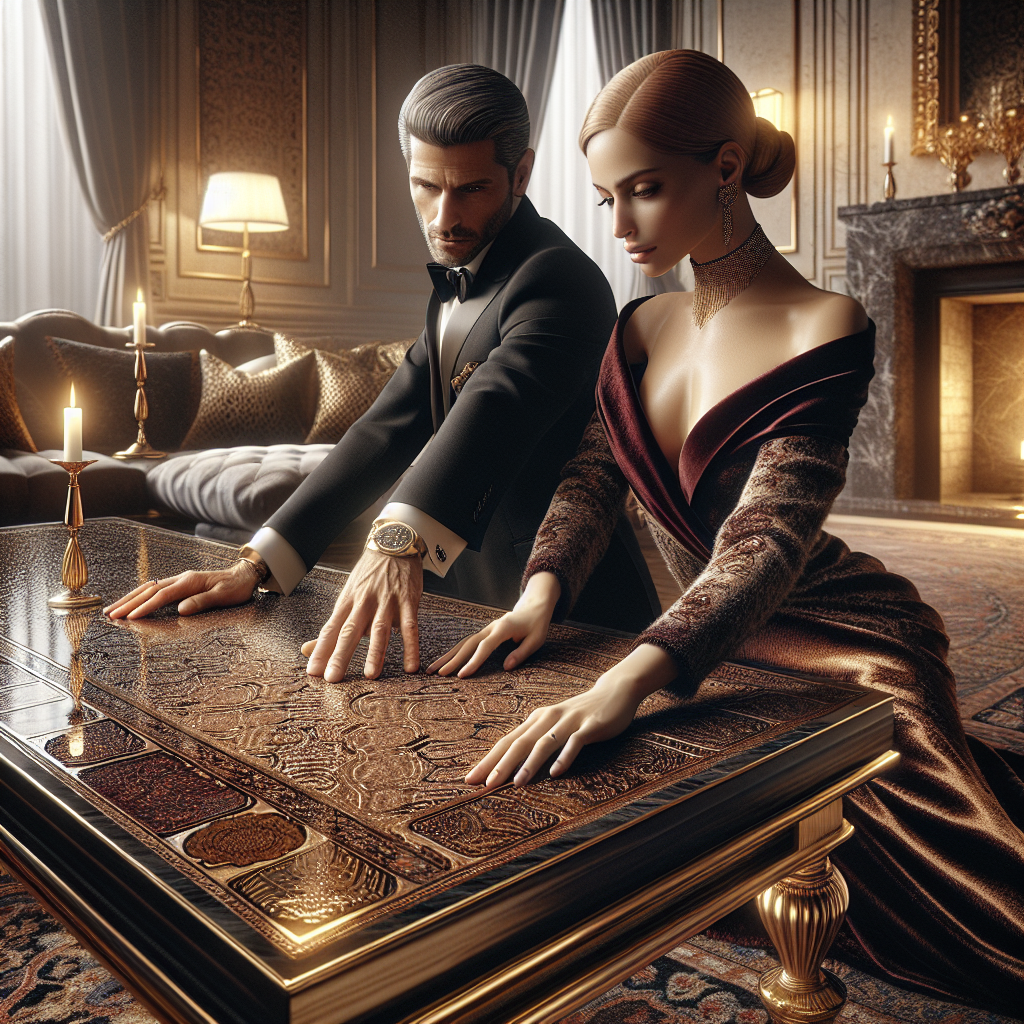
In the realm of high-end interior design, the visual allure of a space often takes center stage, captivating the eye with its opulent aesthetics and sophisticated elegance. However, beyond the visual splendor lies an equally vital yet sometimes overlooked dimension: the tactile experience. Tactile luxury, the art of engaging the sense of touch, plays a crucial role in creating truly immersive and sumptuous interiors. From the plushness of a velvet sofa to the cool smoothness of a marble countertop, the textures and materials chosen in luxury interiors are meticulously curated to evoke a sense of comfort, warmth, and exclusivity. This sensory engagement not only enhances the overall ambiance but also establishes a deeper emotional connection between the inhabitant and their environment. As we delve into the importance of touch in high-end interiors, we uncover how tactile elements transform spaces into sanctuaries of refined indulgence, where every surface invites interaction and every texture tells a story of craftsmanship and quality.
The Role of Texture in Creating Luxurious Spaces
When it comes to creating luxurious spaces, the role of texture is often underestimated. Yet, it’s the tactile elements that can transform a room from simply beautiful to truly opulent. Imagine walking into a room where every surface invites you to reach out and touch it, where the textures are so rich and varied that they create a sensory experience all their own. This is the magic of tactile luxury, and it’s an essential component of high-end interiors.
To begin with, texture adds depth and dimension to a space. While color and pattern are important, they can only go so far in creating a sense of richness. Texture, on the other hand, engages our sense of touch, which is a powerful way to evoke emotion and create a connection with our surroundings. For instance, the soft, velvety feel of a plush sofa can make a living room feel inviting and cozy, while the cool, smooth surface of a marble countertop can add a touch of elegance and sophistication to a kitchen.
Moreover, incorporating a variety of textures can help to balance a space. In a room where everything is sleek and shiny, adding a few rough or matte elements can prevent it from feeling too sterile or cold. Conversely, in a space filled with rustic, natural materials, a few glossy or metallic accents can add a touch of glamour and modernity. This interplay of textures creates a dynamic environment that feels both harmonious and interesting.
In addition to adding depth and balance, texture can also be used to highlight certain features or areas of a room. For example, a textured wallpaper or a three-dimensional wall panel can serve as a stunning focal point in a living room or bedroom. Similarly, a luxurious area rug with a deep pile can anchor a seating area and draw attention to the center of the room. By strategically using texture, designers can guide the eye and create a sense of flow throughout a space.
Furthermore, texture can evoke a sense of warmth and comfort, which is essential in creating a luxurious atmosphere. Soft, tactile materials like cashmere, silk, and wool invite you to relax and unwind, making a space feel more like a sanctuary. These materials not only look beautiful but also feel indulgent against the skin, enhancing the overall sensory experience. In contrast, hard, unyielding surfaces can feel cold and unwelcoming, detracting from the sense of luxury.
As we consider the role of texture in high-end interiors, it’s important to remember that luxury is not just about aesthetics; it’s about creating an experience. A truly luxurious space engages all the senses, and texture plays a crucial role in this. By thoughtfully incorporating a variety of tactile elements, designers can create spaces that are not only visually stunning but also deeply satisfying to inhabit.
In conclusion, the importance of touch in high-end interiors cannot be overstated. Texture adds depth, balance, and warmth, transforming a space into a luxurious retreat. So, the next time you find yourself in a beautifully designed room, take a moment to appreciate the textures around you. You might just find that it’s the tactile elements that make the space truly unforgettable.
How Tactile Elements Enhance the Ambiance of High-End Interiors
When you step into a high-end interior, there’s an immediate sense of luxury that envelops you. While the visual elements like opulent chandeliers, exquisite artwork, and elegant furniture often catch the eye first, it’s the tactile elements that truly enhance the ambiance and create a lasting impression. The importance of touch in high-end interiors cannot be overstated, as it adds a layer of depth and richness that visual elements alone cannot achieve.
Imagine running your fingers over a plush velvet sofa or feeling the cool, smooth surface of a marble countertop. These tactile experiences engage our senses in a way that sight alone cannot. The texture of materials can evoke emotions and set the tone for a space, making it feel warm and inviting or sleek and sophisticated. For instance, a room adorned with soft, textured fabrics like cashmere throws and silk drapes can create a cozy, intimate atmosphere, perfect for relaxation and unwinding. On the other hand, incorporating materials like polished metals and glass can lend a modern, minimalist vibe that feels clean and refreshing.
Moreover, tactile elements in high-end interiors often tell a story of craftsmanship and quality. When you touch a hand-carved wooden table or a custom-made leather chair, you can feel the dedication and skill that went into creating these pieces. This connection to craftsmanship not only enhances the aesthetic appeal but also adds a sense of authenticity and uniqueness to the space. It’s this attention to detail that sets high-end interiors apart, making them not just places to live but experiences to savor.
In addition to enhancing the aesthetic and emotional appeal, tactile elements also play a crucial role in the functionality of a space. Consider the flooring in a luxurious home. The choice between hardwood, stone, or plush carpeting can significantly impact how a room feels underfoot, influencing comfort and usability. A soft, thick carpet might be perfect for a bedroom, providing warmth and comfort, while a sleek stone floor could be ideal for a kitchen, offering durability and ease of cleaning. These choices are not just about practicality; they also contribute to the overall sensory experience of the home.
Furthermore, the integration of tactile elements can also reflect personal style and preferences, allowing homeowners to express their individuality. Whether it’s the choice of a sumptuous velvet headboard or a rustic, reclaimed wood dining table, these elements can be tailored to reflect the personality and taste of those who inhabit the space. This personalization adds another layer of luxury, as it transforms a beautiful interior into a truly bespoke environment.
In conclusion, while the visual aspects of high-end interiors are undeniably important, it’s the tactile elements that truly elevate the experience. They engage our senses, tell stories of craftsmanship, enhance functionality, and allow for personal expression. By thoughtfully incorporating textures and materials that invite touch, designers can create spaces that are not only visually stunning but also deeply satisfying to inhabit. So, the next time you find yourself in a luxurious setting, take a moment to appreciate the tactile details that contribute to its ambiance. You might just find that it’s these subtle touches that make all the difference.
The Psychology of Touch: Why Texture Matters in Luxury Design
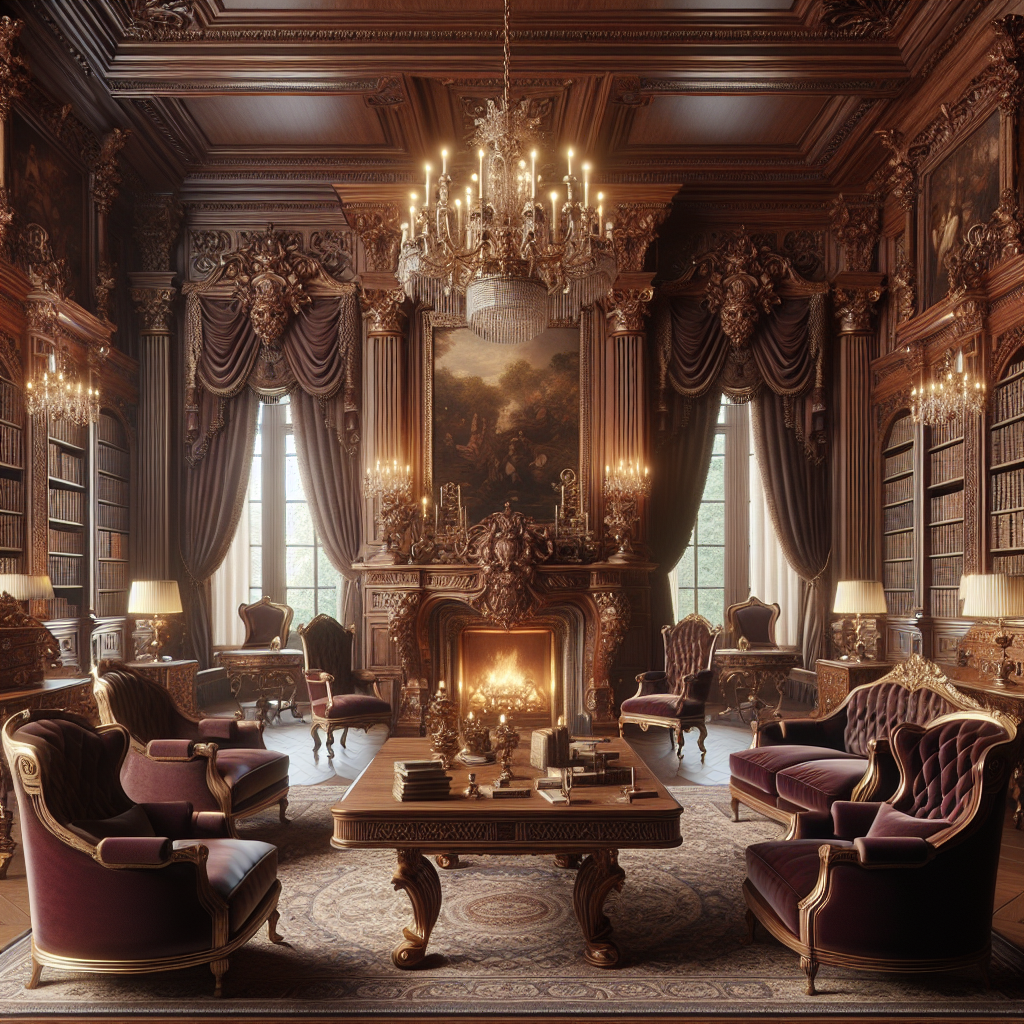
When you walk into a luxurious space, it’s not just the visual elements that captivate you; it’s the textures that invite you to reach out and touch. The psychology of touch plays a crucial role in high-end interior design, transforming spaces from merely beautiful to truly immersive. Texture, in this context, is more than just a design element—it’s a sensory experience that can evoke emotions, create comfort, and even influence our perception of a space’s quality.
Imagine running your fingers over a plush velvet sofa or feeling the cool, smooth surface of a marble countertop. These tactile experiences are not accidental; they are carefully curated to enhance the overall ambiance of a room. In luxury design, every material is chosen not only for its aesthetic appeal but also for the way it feels. This attention to tactile detail is what sets high-end interiors apart from the ordinary.
The importance of touch in design is deeply rooted in psychology. Our sense of touch is one of the first ways we interact with the world, and it remains a powerful tool for communication and connection throughout our lives. When we touch something, it can trigger a cascade of emotional responses. For instance, soft textures can evoke feelings of warmth and comfort, while rough or hard surfaces might convey strength and stability. By understanding these associations, designers can craft spaces that resonate on a deeper emotional level.
Moreover, texture can significantly influence our perception of a space’s luxury. High-end interiors often feature a mix of textures that create a sense of depth and richness. Think of a room where a silk rug lies beneath a glass coffee table, surrounded by leather chairs and linen drapes. Each material brings its own unique feel, contributing to a layered and sophisticated environment. This interplay of textures not only adds visual interest but also invites interaction, encouraging people to engage with their surroundings in a more meaningful way.
In addition to enhancing the sensory experience, texture can also play a practical role in design. For example, in a bustling family home, durable and easy-to-clean materials might be prioritized in high-traffic areas, while softer, more delicate textures are reserved for spaces meant for relaxation and retreat. This thoughtful approach ensures that luxury is not only about opulence but also about creating environments that are both beautiful and functional.
Furthermore, the tactile elements of a space can reflect personal style and taste. Some might prefer the sleek, modern feel of polished metals and glass, while others are drawn to the organic warmth of wood and natural fibers. By incorporating a variety of textures, designers can tailor spaces to reflect the unique preferences and lifestyles of their clients, making each interior a true reflection of its inhabitants.
In conclusion, the role of touch in luxury design is both profound and multifaceted. By carefully selecting and combining textures, designers can create spaces that are not only visually stunning but also emotionally resonant. Whether it’s the inviting softness of a cashmere throw or the reassuring solidity of a stone fireplace, these tactile elements enrich our experience of a space, making it feel truly luxurious. So next time you find yourself in a beautifully designed room, take a moment to appreciate the textures around you—they’re there to be felt, not just seen.
Incorporating Tactile Luxury: Tips for Designers
When it comes to designing high-end interiors, the visual appeal often takes center stage. However, the tactile experience is just as crucial in creating a truly luxurious environment. The sense of touch can transform a space from merely beautiful to deeply inviting and comfortable. As designers, incorporating tactile luxury into interiors can elevate the overall experience, making it memorable and engaging for anyone who steps inside. So, how can designers effectively integrate this element into their projects?
To begin with, selecting the right materials is key. Natural materials such as wood, stone, and leather not only add visual interest but also offer a rich tactile experience. For instance, a smooth marble countertop can provide a cool, sleek touch, while a reclaimed wood table might offer a warm, textured feel. By mixing and matching these materials, designers can create a dynamic interplay of textures that invites exploration and interaction.
Moving on, textiles play a significant role in enhancing the tactile quality of a space. Think about the soft embrace of a velvet sofa or the cozy warmth of a cashmere throw. These elements not only add layers of comfort but also encourage people to linger and enjoy the space. When choosing textiles, consider the mood you want to evoke. For a serene, calming environment, opt for soft, plush fabrics. On the other hand, if you’re aiming for a more vibrant, energetic feel, consider incorporating bold, textured patterns.
In addition to materials and textiles, the use of finishes can greatly impact the tactile experience. Matte finishes, for example, can offer a soft, understated elegance, while high-gloss surfaces might provide a sleek, modern touch. By thoughtfully selecting finishes, designers can further enhance the sensory experience of a space. It’s all about creating a balance that feels both luxurious and inviting.
Furthermore, incorporating tactile luxury isn’t just about the materials and finishes; it’s also about how these elements are used within the space. Consider the placement of tactile elements in areas where people are likely to interact with them. A plush rug underfoot in a living room or a textured wall covering in a hallway can make everyday interactions feel special. These thoughtful touches can turn ordinary moments into extraordinary experiences.
Lighting, too, can play a role in highlighting the tactile elements of a space. Soft, ambient lighting can accentuate the textures of materials, casting gentle shadows that add depth and dimension. By using lighting strategically, designers can draw attention to the tactile qualities of a room, enhancing the overall sensory experience.
Finally, it’s important to remember that tactile luxury is about creating a holistic experience. It’s not just about individual elements but how they come together to form a cohesive whole. By considering how different textures and materials interact, designers can create spaces that feel harmonious and balanced. This attention to detail can make all the difference in crafting an environment that feels truly luxurious.
Incorporating tactile luxury into high-end interiors is about more than just aesthetics; it’s about creating spaces that engage all the senses. By focusing on the tactile experience, designers can craft environments that are not only beautiful but also deeply satisfying to inhabit. So, the next time you embark on a design project, remember to consider the power of touch and how it can transform a space into a haven of luxury and comfort.
The Future of Tactile Luxury in Interior Design Trends
In the ever-evolving world of interior design, the concept of luxury has taken on new dimensions, with tactile elements playing a pivotal role in defining high-end spaces. As we look to the future, the importance of touch in luxury interiors is becoming increasingly apparent, offering a sensory experience that goes beyond mere visual appeal. This shift towards tactile luxury is not just a fleeting trend but a fundamental change in how we perceive and interact with our surroundings.
To begin with, the tactile aspect of interior design is all about creating a connection between the space and its inhabitants. It’s about the feel of a plush velvet sofa, the coolness of a marble countertop, or the warmth of a wooden floor underfoot. These elements invite us to engage with our environment in a more intimate way, making the space feel more personal and inviting. As designers continue to explore the potential of tactile materials, we can expect to see a greater emphasis on textures that evoke emotion and comfort.
Moreover, the rise of tactile luxury is closely linked to the growing trend of biophilic design, which seeks to incorporate natural elements into our living spaces. By using materials like stone, wood, and natural fibers, designers are able to create environments that not only look beautiful but also feel harmonious and grounding. This connection to nature is something that many people crave, especially in urban settings where access to the natural world is limited. As a result, tactile luxury is not just about opulence but also about creating a sense of balance and well-being.
In addition to natural materials, technology is also playing a role in the future of tactile luxury. Innovations in fabric and material science are allowing designers to create surfaces that are not only visually stunning but also incredibly tactile. For instance, smart textiles that change texture or temperature in response to touch are beginning to make their way into high-end interiors, offering a dynamic and interactive experience. This fusion of technology and design opens up exciting possibilities for creating spaces that are both luxurious and functional.
Furthermore, the importance of touch in interior design is also being recognized in the hospitality industry, where creating a memorable guest experience is paramount. High-end hotels and resorts are increasingly focusing on tactile elements to enhance the comfort and luxury of their spaces. From sumptuous bedding to textured wall coverings, these details contribute to a sense of indulgence and relaxation that guests are unlikely to forget. As travelers continue to seek out unique and immersive experiences, the demand for tactile luxury in hospitality is only set to grow.
As we move forward, it’s clear that tactile luxury will continue to shape the future of interior design. By prioritizing touch, designers are able to create spaces that are not only visually appealing but also deeply satisfying on a sensory level. This holistic approach to luxury is about more than just aesthetics; it’s about creating environments that nurture and inspire. Whether in our homes or in public spaces, the tactile elements of design have the power to transform the way we experience the world around us. As such, the future of tactile luxury is bright, promising a new era of interiors that are as comforting as they are captivating.
Conclusion
Tactile luxury in high-end interiors emphasizes the critical role of touch in creating an immersive and opulent environment. By incorporating a variety of textures and materials, such as plush fabrics, smooth marble, and rich woods, designers can evoke emotional responses and enhance the sensory experience of a space. This focus on tactile elements not only elevates the aesthetic appeal but also fosters a deeper connection between the individual and their surroundings. Ultimately, the importance of touch in luxury interiors lies in its ability to transform spaces into sanctuaries of comfort and sophistication, where every surface invites interaction and appreciation.