Tactile Luxury: The Importance of Touch in High-End Interiors
February 23, 2021
Bohemian Rhapsody: Eclectic Luxury for the Free-Spirited Home
March 9, 2021
-
Table of Contents
- Introduction
- Understanding Heirloom Quality: What Makes Furniture Last for Generations
- The Art of Craftsmanship: How Skilled Artisans Create Timeless Pieces
- Materials Matter: Choosing the Right Wood and Fabrics for Longevity
- The Environmental Benefits of Investing in Heirloom Furniture
- How to Identify and Purchase Heirloom-Quality Furniture for Your Home
- Conclusion
Introduction
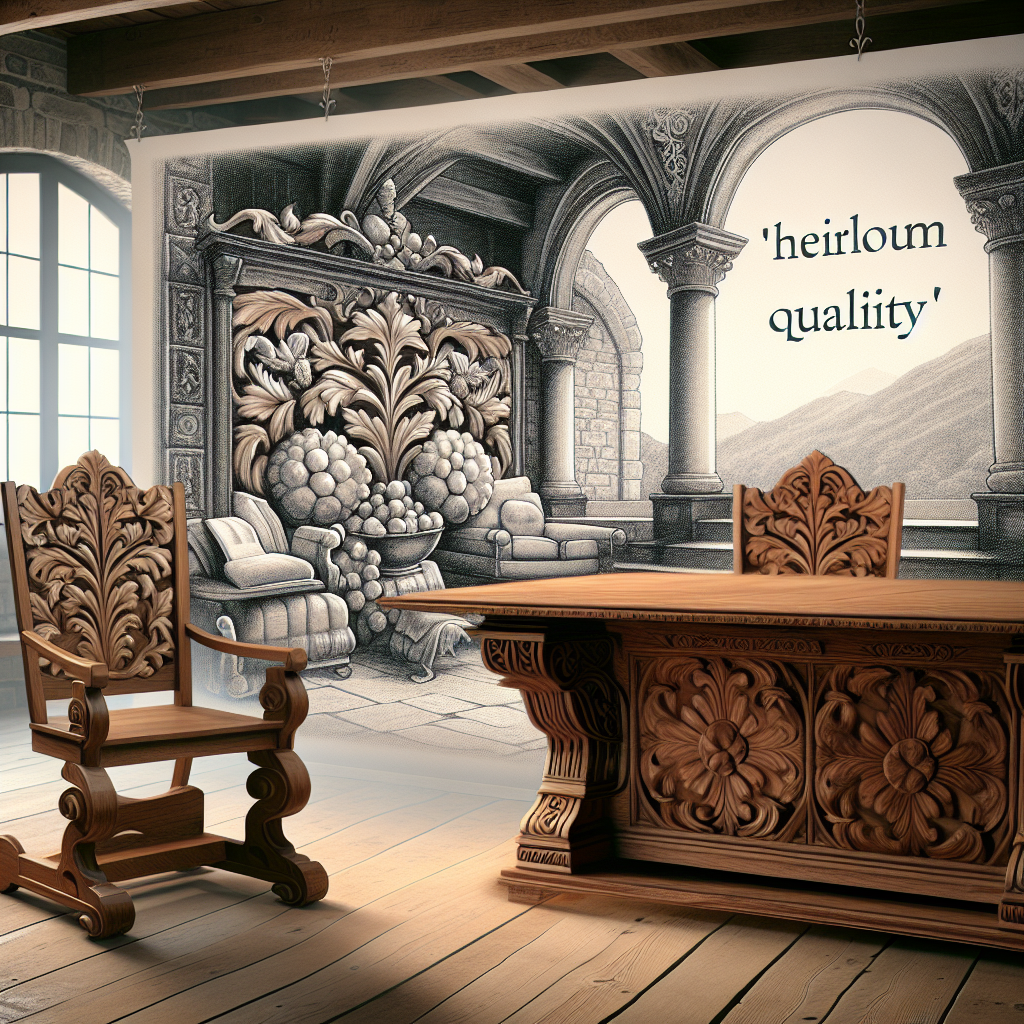
Heirloom quality furniture represents an investment in craftsmanship, durability, and timeless design, offering pieces that transcend fleeting trends and endure for generations. Unlike mass-produced alternatives, heirloom furniture is meticulously crafted from high-quality materials, often by skilled artisans who employ traditional techniques to ensure longevity and resilience. This type of furniture not only serves functional purposes but also carries sentimental value, becoming cherished family treasures passed down through the years. Investing in heirloom quality furniture is a commitment to sustainability and heritage, as each piece tells a story and contributes to a legacy of style and elegance that can be appreciated by future generations.
Understanding Heirloom Quality: What Makes Furniture Last for Generations
When it comes to furnishing a home, many people find themselves torn between the allure of trendy, affordable pieces and the timeless appeal of heirloom-quality furniture. While the former might offer a quick fix for a stylish space, the latter promises a legacy of beauty and durability that can be passed down through generations. Understanding what makes furniture heirloom quality is key to making an investment that will stand the test of time, both in terms of style and functionality.
First and foremost, the materials used in heirloom-quality furniture set it apart from mass-produced alternatives. Solid wood, such as oak, walnut, or cherry, is often the material of choice for these pieces. Unlike particleboard or veneer, solid wood offers unparalleled strength and resilience. It ages gracefully, developing a rich patina over time that adds character and depth. Moreover, solid wood can be refinished or repaired, ensuring that even if it suffers a few dings or scratches, it can be restored to its former glory.
In addition to the materials, the craftsmanship involved in creating heirloom-quality furniture is a crucial factor. Skilled artisans take pride in their work, employing traditional joinery techniques like dovetail or mortise and tenon joints. These methods not only enhance the structural integrity of the piece but also add an element of artistry that machine-made furniture simply cannot replicate. The attention to detail is evident in every curve and corner, making each piece a unique work of art.
Furthermore, the design of heirloom-quality furniture is often timeless, transcending fleeting trends. While contemporary styles may come and go, classic designs have a staying power that ensures they remain relevant and appealing through the years. This timelessness is not just about aesthetics; it also means that the furniture can adapt to different settings and styles, making it a versatile addition to any home. Whether your taste leans towards traditional, modern, or eclectic, heirloom pieces can seamlessly integrate into your decor.
Another aspect to consider is the environmental impact of your furniture choices. Investing in heirloom-quality furniture is a sustainable decision. These pieces are built to last, reducing the need for frequent replacements and, consequently, minimizing waste. Additionally, many artisans who create heirloom furniture prioritize sustainable practices, sourcing their materials responsibly and often using non-toxic finishes. By choosing heirloom-quality furniture, you are not only investing in your home but also contributing to a more sustainable future.
Of course, the initial cost of heirloom-quality furniture can be higher than that of mass-produced items. However, when you consider the longevity and enduring appeal of these pieces, the investment becomes more justifiable. Over time, the cost per year of use is often lower than that of cheaper alternatives that need to be replaced frequently. Moreover, heirloom furniture can appreciate in value, becoming a cherished family asset that holds both sentimental and monetary worth.
In conclusion, understanding what makes furniture heirloom quality involves recognizing the importance of materials, craftsmanship, design, and sustainability. By investing in pieces that embody these qualities, you are not just purchasing furniture; you are acquiring a legacy that can be enjoyed by future generations. So, the next time you find yourself contemplating a furniture purchase, consider the long-term benefits of choosing heirloom quality. It’s a decision that promises beauty, durability, and a lasting connection to the past and future.
The Art of Craftsmanship: How Skilled Artisans Create Timeless Pieces
When it comes to furnishing a home, there’s something truly special about pieces that stand the test of time, both in terms of style and durability. Investing in heirloom-quality furniture is not just about filling a space; it’s about acquiring pieces that tell a story, pieces that can be passed down through generations. At the heart of these timeless treasures is the art of craftsmanship, where skilled artisans pour their expertise and passion into creating furniture that is as beautiful as it is enduring.
The journey of crafting heirloom-quality furniture begins with the selection of materials. Artisans often choose hardwoods like oak, walnut, and cherry, known for their strength and natural beauty. These woods not only provide a sturdy foundation but also develop a rich patina over time, adding character and depth to each piece. The choice of wood is crucial, as it sets the stage for the craftsmanship that follows. With a keen eye for detail, artisans carefully inspect each plank, ensuring it meets their high standards before it becomes part of a future heirloom.
Once the materials are selected, the real magic begins. Skilled craftsmen employ traditional techniques that have been passed down through generations, blending time-honored methods with modern innovations. Techniques such as dovetail joints, mortise and tenon, and hand-carved details are hallmarks of quality craftsmanship. These methods not only enhance the structural integrity of the furniture but also showcase the artisan’s dedication to their craft. It’s this meticulous attention to detail that transforms a simple piece of wood into a work of art.
Moreover, the process of creating heirloom-quality furniture is often a labor of love. Artisans invest countless hours into each piece, ensuring that every curve, every joint, and every finish is executed to perfection. This dedication is evident in the final product, where the quality of craftsmanship speaks for itself. The smoothness of a hand-sanded surface, the precision of a well-fitted joint, and the luster of a carefully applied finish all contribute to the overall beauty and longevity of the furniture.
In addition to the technical skills required, there’s an element of artistry involved in crafting heirloom furniture. Artisans often draw inspiration from classic designs, infusing their creations with a sense of history and tradition. However, they also bring their unique vision to each piece, resulting in furniture that is both timeless and contemporary. This blend of old and new ensures that heirloom-quality pieces remain relevant and cherished, regardless of changing trends.
Furthermore, investing in heirloom-quality furniture is not just about acquiring beautiful pieces; it’s about making a sustainable choice. In a world where disposable furniture is all too common, choosing pieces that are built to last reduces waste and promotes a more environmentally friendly lifestyle. By supporting skilled artisans and their craft, you’re also contributing to the preservation of traditional techniques and the continuation of a rich cultural heritage.
Ultimately, the art of craftsmanship is what sets heirloom-quality furniture apart. It’s a testament to the skill, dedication, and passion of the artisans who create these timeless pieces. As you welcome these treasures into your home, you’re not just investing in furniture; you’re investing in a legacy that can be cherished for generations to come.
Materials Matter: Choosing the Right Wood and Fabrics for Longevity
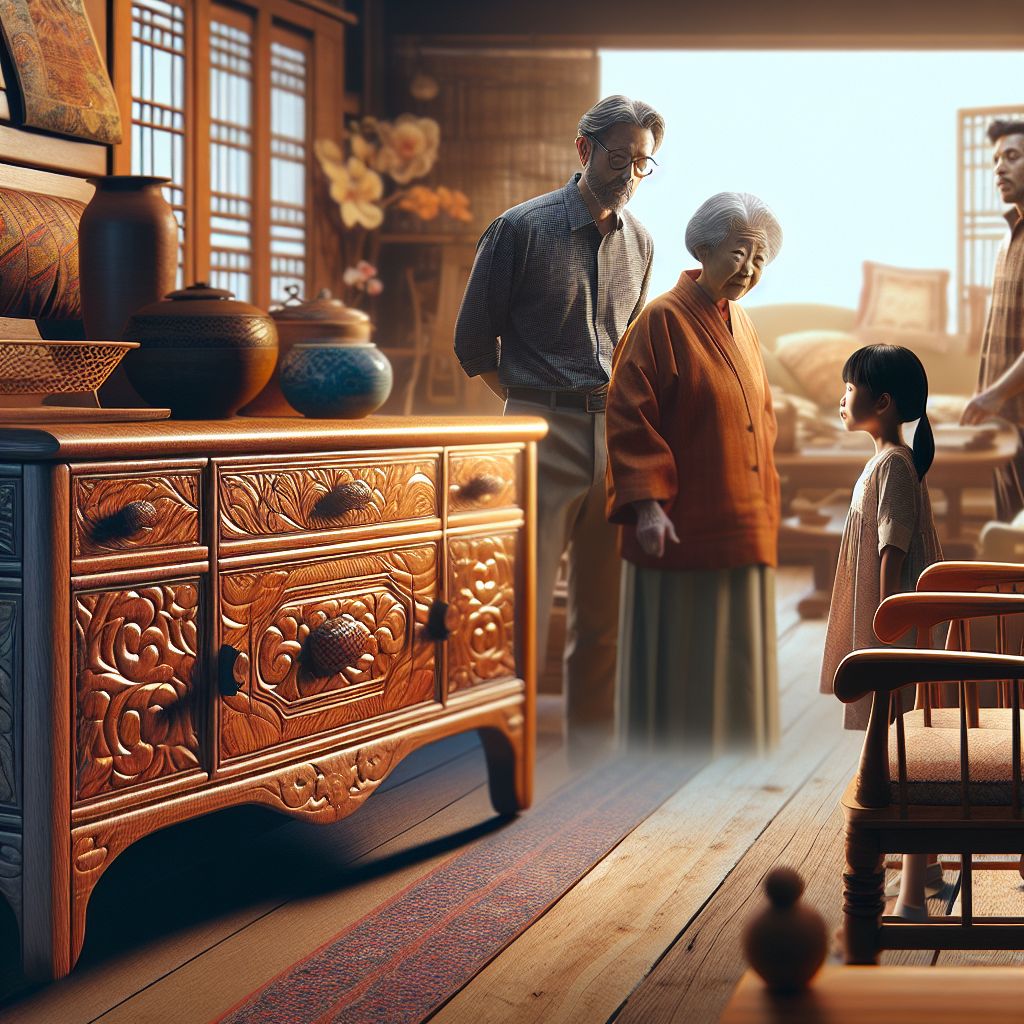
When it comes to investing in furniture that stands the test of time, the materials you choose play a crucial role in ensuring longevity and heirloom quality. While trends may come and go, the timeless appeal of well-crafted furniture remains constant. One of the first considerations when selecting furniture is the type of wood used. Solid hardwoods, such as oak, walnut, and cherry, are renowned for their durability and strength. These woods not only offer a robust structure but also develop a beautiful patina over time, adding character and charm to your pieces. Unlike softer woods, which may dent or scratch easily, hardwoods are resilient and can withstand the wear and tear of daily life, making them an excellent choice for pieces you hope to pass down through generations.
In addition to the type of wood, the construction of the furniture is equally important. Look for pieces that feature traditional joinery techniques, such as dovetail or mortise and tenon joints. These methods have been used for centuries and are a testament to quality craftsmanship. They provide a level of stability and strength that modern, mass-produced furniture often lacks. While these pieces may come with a higher price tag, the investment is worthwhile when you consider the longevity and durability they offer.
Moving beyond wood, the choice of fabric is another critical factor in determining the lifespan of upholstered furniture. Natural fibers like linen, cotton, and wool are not only comfortable but also durable and easy to maintain. They tend to age gracefully, developing a lived-in look that adds to their appeal. On the other hand, synthetic fabrics, while often more affordable, may not offer the same level of durability and can show signs of wear more quickly. When selecting fabric, consider the intended use of the furniture. For high-traffic areas, opt for tightly woven fabrics that can withstand frequent use without showing signs of wear.
Furthermore, it’s essential to consider the environmental impact of the materials you choose. Sustainable options, such as reclaimed wood or organic fabrics, not only contribute to a healthier planet but also often come with a story that adds to the charm of your furniture. Reclaimed wood, for instance, carries a history that can be seen in its unique grain patterns and imperfections, making each piece one-of-a-kind.
As you explore your options, don’t hesitate to ask questions about the origins and quality of the materials used in the furniture you’re considering. A reputable furniture maker will be transparent about their sourcing and manufacturing processes, ensuring you make an informed decision. Additionally, consider the care and maintenance required for each material. Proper care can significantly extend the life of your furniture, allowing it to be enjoyed by future generations.
In conclusion, investing in heirloom-quality furniture is about more than just aesthetics; it’s about choosing materials that offer durability, sustainability, and timeless appeal. By selecting the right wood and fabrics, you can create a home filled with pieces that not only serve a functional purpose but also tell a story and hold sentimental value. As you make your choices, remember that quality craftsmanship and thoughtful material selection are key to creating furniture that will be cherished for years to come.
The Environmental Benefits of Investing in Heirloom Furniture
When it comes to furnishing our homes, the choices we make can have a significant impact not only on our living spaces but also on the environment. In recent years, there has been a growing awareness of the environmental benefits of investing in heirloom-quality furniture. Unlike mass-produced pieces that often end up in landfills after a few years, heirloom furniture is designed to last for generations, offering both aesthetic and ecological advantages.
To begin with, heirloom furniture is typically crafted from high-quality, sustainable materials. Artisans often use solid wood, such as oak, walnut, or cherry, which not only ensures durability but also adds a timeless beauty to each piece. These materials are often sourced responsibly, with an emphasis on sustainable forestry practices. By choosing furniture made from such materials, you are supporting an industry that values environmental stewardship and reduces the demand for cheap, disposable alternatives.
Moreover, the craftsmanship involved in creating heirloom furniture is a testament to its longevity. Skilled artisans take the time to construct each piece with precision and care, using techniques that have been passed down through generations. This attention to detail means that heirloom furniture can withstand the wear and tear of daily life, reducing the need for frequent replacements. In contrast, mass-produced furniture is often made with particleboard or MDF, which can easily chip or break, leading to a cycle of constant replacement and waste.
In addition to their durability, heirloom pieces often have a unique character that mass-produced items simply cannot replicate. Each piece tells a story, whether it’s a dining table that has hosted countless family gatherings or a dresser that has been passed down through the family. This sense of history and continuity not only enriches our living spaces but also encourages us to cherish and maintain our belongings, further extending their lifespan.
Transitioning to the environmental impact, investing in heirloom furniture can significantly reduce your carbon footprint. The production of mass-market furniture often involves energy-intensive processes and long-distance shipping, contributing to greenhouse gas emissions. In contrast, heirloom furniture is often made locally, reducing transportation emissions and supporting local economies. By choosing to invest in these pieces, you are making a conscious decision to support sustainable practices and reduce your environmental impact.
Furthermore, heirloom furniture can be easily repaired or restored, which is another environmental benefit. Instead of discarding a piece at the first sign of wear, you can have it refinished or reupholstered, giving it a new lease on life. This not only preserves the piece for future generations but also reduces the demand for new resources. In a world where the throwaway culture is prevalent, choosing to repair rather than replace is a powerful statement in favor of sustainability.
In conclusion, investing in heirloom-quality furniture is not just about acquiring beautiful and durable pieces for your home. It is also about making a commitment to sustainability and environmental responsibility. By choosing furniture that lasts for generations, you are reducing waste, supporting sustainable practices, and creating a home filled with pieces that have a story to tell. So, the next time you’re considering a new addition to your home, think about the long-term benefits of heirloom furniture—not just for you, but for the planet as well.
How to Identify and Purchase Heirloom-Quality Furniture for Your Home
When it comes to furnishing your home, the allure of heirloom-quality furniture is undeniable. These pieces not only add a touch of timeless elegance to your living space but also promise durability and longevity, making them worthy investments for future generations. However, identifying and purchasing heirloom-quality furniture can be a daunting task, especially with the plethora of options available today. Fortunately, with a keen eye and a little know-how, you can make informed decisions that will stand the test of time.
To begin with, understanding what constitutes heirloom-quality furniture is essential. These pieces are typically crafted from high-quality materials such as solid wood, which is known for its strength and durability. Unlike particleboard or veneer, solid wood can withstand the rigors of daily use and can be refinished or repaired over time, ensuring its longevity. When examining a piece, look for signs of quality craftsmanship, such as dovetail joints in drawers, which indicate a strong and lasting construction. Additionally, pay attention to the finish; a well-applied finish not only enhances the beauty of the wood but also protects it from wear and tear.
Another important aspect to consider is the design and style of the furniture. Heirloom-quality pieces often feature classic designs that transcend trends, ensuring they remain stylish for decades. While it might be tempting to opt for the latest design fad, choosing timeless styles will ensure that your furniture remains relevant and cherished by future generations. Think of iconic designs like the Chesterfield sofa or a classic Windsor chair, which have been beloved for centuries and continue to grace homes with their elegance.
Moreover, the provenance of the furniture can also play a significant role in its heirloom potential. Pieces with a rich history or those crafted by renowned artisans or manufacturers often carry a legacy that adds to their value. When possible, research the maker or brand to understand their reputation and history in the industry. This knowledge not only enriches your appreciation of the piece but also provides a story to pass down along with the furniture itself.
When it comes to purchasing heirloom-quality furniture, it’s important to consider both new and antique options. While antiques offer a direct link to the past and often come with a unique charm, new pieces crafted by skilled artisans can also become tomorrow’s heirlooms. Visiting reputable furniture stores, antique shops, or even estate sales can yield treasures that are both beautiful and enduring. Don’t hesitate to ask questions about the materials, construction, and history of a piece; knowledgeable sellers will be more than happy to share this information.
Finally, while investing in heirloom-quality furniture may require a higher initial outlay, it’s important to view this as a long-term investment. These pieces are not only functional but also hold sentimental value, becoming part of your family’s story. As you pass them down through generations, they carry with them the memories and experiences of those who have used and cherished them.
In conclusion, identifying and purchasing heirloom-quality furniture involves a blend of understanding materials, recognizing craftsmanship, appreciating timeless design, and valuing provenance. By taking the time to make thoughtful choices, you can fill your home with pieces that are not only beautiful and functional but also rich in history and meaning, ensuring they are treasured for generations to come.
Conclusion
Investing in heirloom-quality furniture is a commitment to sustainability, craftsmanship, and timeless design. Such pieces are crafted with superior materials and meticulous attention to detail, ensuring durability and the ability to withstand the test of time. By choosing furniture that can be passed down through generations, individuals not only preserve a piece of history but also contribute to a more sustainable future by reducing the need for frequent replacements. Heirloom-quality furniture embodies both aesthetic and functional value, making it a wise investment for those who appreciate enduring quality and wish to leave a lasting legacy.