Timeless Elegance: Classic Pieces That Never Go Out of Style
July 23, 2024
Neo-Baroque Minimalism: Ornate Simplicity in Modern Luxury
July 30, 2024
-
Table of Contents
- Introduction
- Innovative Materials: The Rise of Recycled and Upcycled Furniture
- Biophilic Design: Integrating Nature into Luxury Interiors
- Minimalism Meets Sustainability: The Art of Eco-Conscious Simplicity
- Smart Furniture: Technology-Driven Sustainability in Luxury Homes
- Artisanal Craftsmanship: Supporting Local and Sustainable Artisans
- Conclusion
Introduction
Sustainable luxury is redefining the landscape of interior design, merging opulence with environmental responsibility. As we look towards 2024, eco-friendly furniture trends are at the forefront of this movement, offering a harmonious blend of style, comfort, and sustainability. This new era of design emphasizes the use of ethically sourced materials, innovative production techniques, and a commitment to reducing carbon footprints. From reclaimed wood and recycled metals to organic textiles and non-toxic finishes, the furniture of 2024 is crafted with an eye towards preserving the planet while maintaining the elegance and sophistication that luxury demands. As consumers become increasingly conscious of their environmental impact, the demand for sustainable luxury furniture continues to grow, driving designers and manufacturers to push the boundaries of creativity and sustainability. This shift not only reflects a change in consumer values but also sets a new standard for the future of luxury living.
Innovative Materials: The Rise of Recycled and Upcycled Furniture
In recent years, the world of interior design has seen a significant shift towards sustainability, and 2024 is no exception. As more people become conscious of their environmental footprint, the demand for eco-friendly furniture has skyrocketed. This year, the spotlight is on innovative materials, particularly recycled and upcycled furniture, which are making waves in the luxury market. These pieces not only offer a unique aesthetic but also tell a story of transformation and environmental responsibility.
To begin with, recycled furniture is gaining popularity as designers and manufacturers explore creative ways to repurpose materials that would otherwise end up in landfills. For instance, reclaimed wood from old barns or factories is being transformed into stunning dining tables and bookshelves. The beauty of these pieces lies in their imperfections—each scratch and knot tells a story of its past life, adding character and charm to any space. Moreover, using reclaimed wood reduces the demand for new timber, thus preserving forests and reducing carbon emissions.
In addition to wood, recycled metals are also making a splash in the furniture industry. Designers are crafting sleek, modern pieces from materials like aluminum and steel salvaged from old buildings and vehicles. These metals are not only durable but also lend a contemporary edge to furniture designs. By choosing recycled metal furniture, consumers are supporting a circular economy, where materials are continuously reused, reducing the need for new resources.
Transitioning from recycled to upcycled furniture, this trend takes sustainability a step further by creatively reimagining discarded items. Upcycling involves taking an old piece of furniture and giving it a new lease on life through redesign and refurbishment. This could mean turning an old door into a stylish coffee table or transforming vintage suitcases into quirky storage units. The possibilities are endless, and the result is often a one-of-a-kind piece that adds a personal touch to any home.
Furthermore, upcycled furniture often incorporates a mix of materials, blending the old with the new. For example, a vintage chair might be reupholstered with eco-friendly fabrics, such as organic cotton or recycled polyester, to create a fresh, modern look. This fusion of materials not only enhances the aesthetic appeal but also emphasizes the importance of sustainability in design.
As we move forward, it’s clear that the trend of recycled and upcycled furniture is here to stay. Consumers are increasingly drawn to pieces that reflect their values and contribute to a more sustainable future. In response, designers and manufacturers are pushing the boundaries of creativity, finding new ways to incorporate eco-friendly practices into their work.
In conclusion, the rise of recycled and upcycled furniture in 2024 is a testament to the growing demand for sustainable luxury. These innovative materials offer a perfect blend of style and environmental responsibility, allowing consumers to furnish their homes with pieces that are both beautiful and meaningful. As we continue to embrace these trends, we can look forward to a future where luxury and sustainability go hand in hand, creating spaces that are not only aesthetically pleasing but also kind to our planet.
Biophilic Design: Integrating Nature into Luxury Interiors
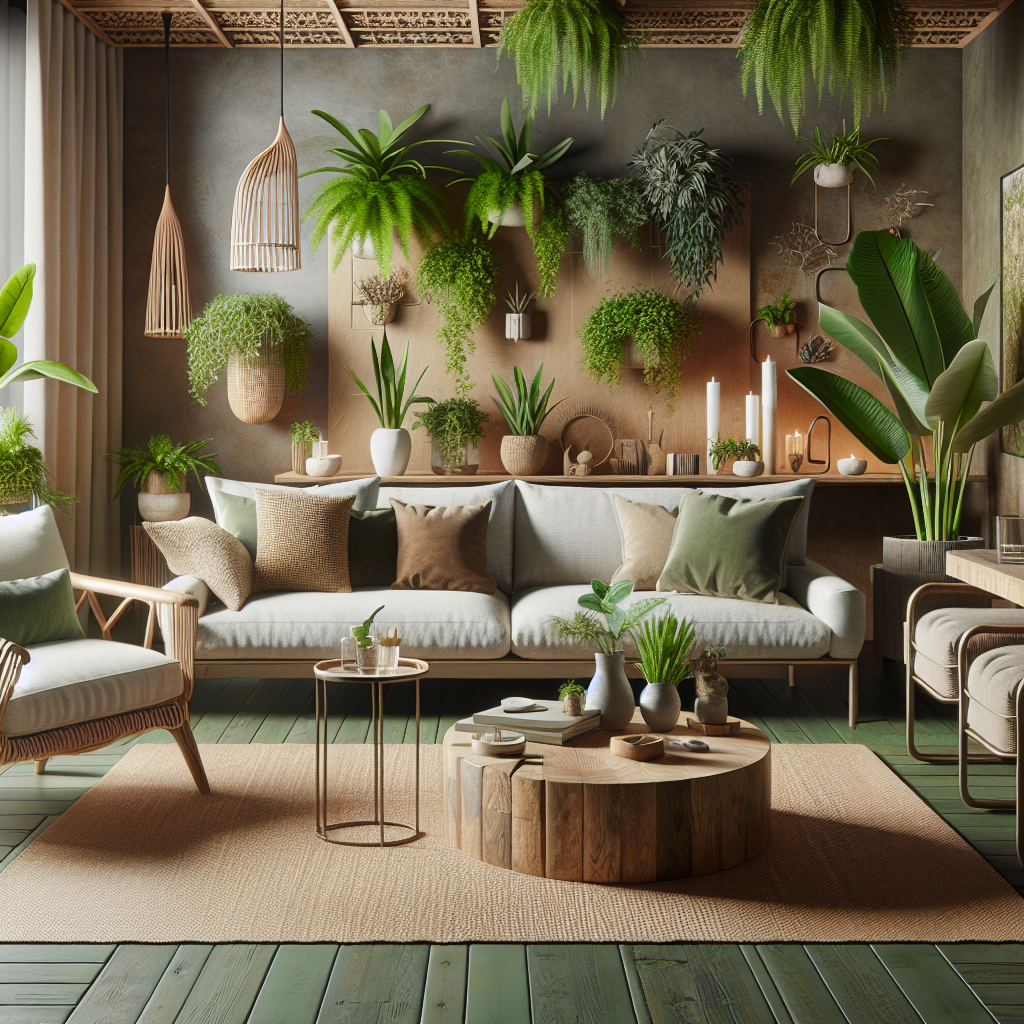
In recent years, the concept of biophilic design has gained significant traction, especially in the realm of luxury interiors. As we look towards 2024, this trend is set to become even more prominent, with eco-friendly furniture playing a pivotal role in creating spaces that not only exude opulence but also embrace sustainability. The essence of biophilic design lies in its ability to connect the indoors with the natural world, and what better way to achieve this than by incorporating furniture that respects and reflects the environment?
One of the most exciting aspects of this trend is the use of natural materials. Think reclaimed wood, bamboo, and rattan, which not only add a touch of elegance but also tell a story of sustainability. These materials are not just about aesthetics; they are about making conscious choices that benefit the planet. For instance, reclaimed wood furniture pieces often come with a rich history, having been repurposed from old barns or factories. This not only reduces waste but also adds a unique character to each piece, making it a conversation starter in any room.
Moreover, the integration of plants into furniture design is another innovative approach gaining popularity. Imagine a coffee table with a built-in planter or a bookshelf that doubles as a vertical garden. These designs not only bring a slice of nature indoors but also improve air quality and create a calming atmosphere. It’s a win-win situation where luxury meets wellness, and who wouldn’t want that in their home?
In addition to materials and design, the craftsmanship behind these pieces is equally important. Artisans are increasingly focusing on creating furniture that is not only beautiful but also durable and timeless. This shift towards quality over quantity means that each piece is crafted with care, ensuring it stands the test of time. By investing in such furniture, homeowners are not only enhancing their living spaces but also contributing to a more sustainable future.
Furthermore, technology is playing a crucial role in advancing biophilic design. With the rise of smart home systems, it’s now possible to integrate lighting and temperature controls that mimic natural patterns. For example, lighting systems that adjust to the natural circadian rhythms can enhance the biophilic experience, making spaces feel more in tune with the natural world. This seamless blend of technology and nature is redefining what it means to live luxuriously.
As we embrace these eco-friendly trends, it’s important to remember that sustainability is not just a trend but a lifestyle choice. By choosing furniture that aligns with biophilic principles, we are making a statement about our values and our commitment to the environment. It’s about creating spaces that are not only beautiful but also meaningful and responsible.
In conclusion, the integration of biophilic design into luxury interiors is more than just a passing fad. It’s a movement towards a more sustainable and harmonious way of living. As we move into 2024, the focus on eco-friendly furniture will continue to grow, offering endless possibilities for those looking to create luxurious yet environmentally conscious spaces. So, whether you’re redecorating your home or simply looking to add a touch of nature to your interiors, consider embracing the beauty and sustainability of biophilic design. After all, there’s nothing more luxurious than living in harmony with nature.
Minimalism Meets Sustainability: The Art of Eco-Conscious Simplicity
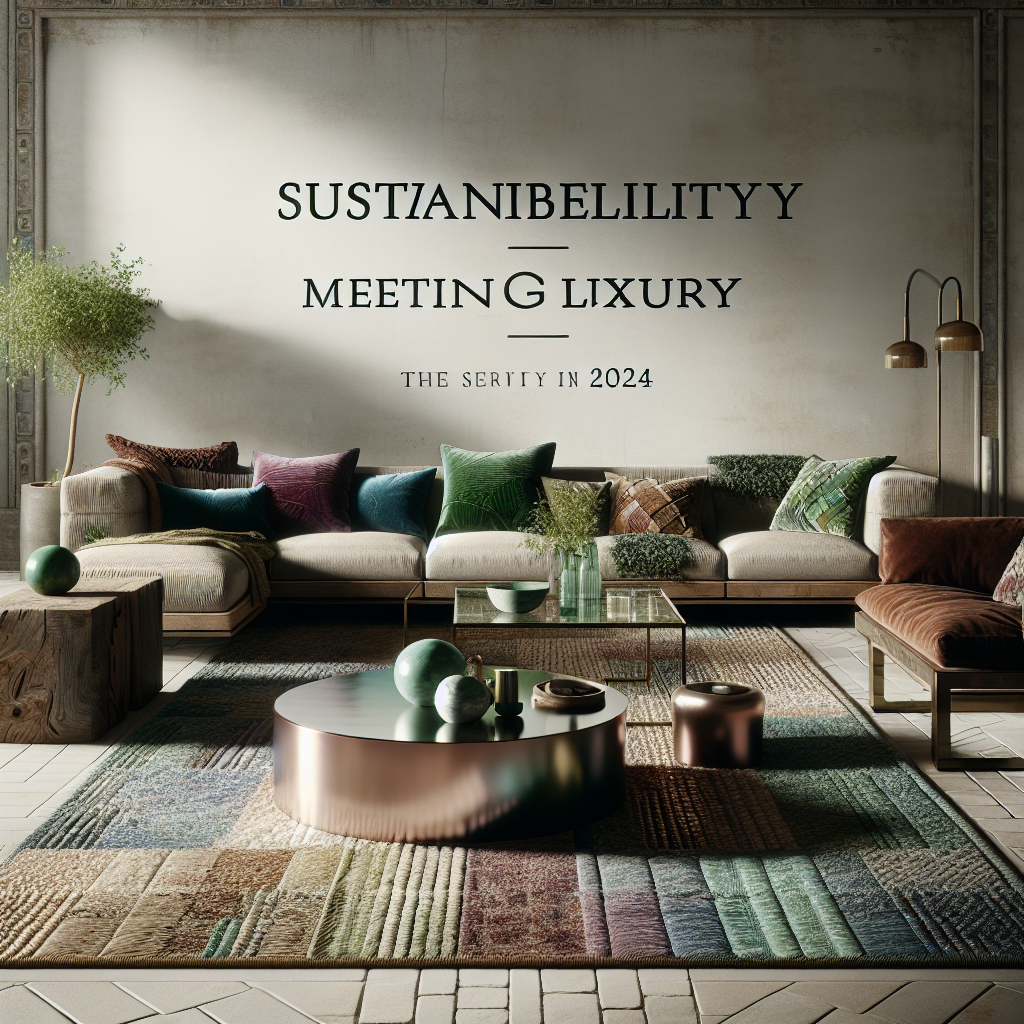
In recent years, the world of interior design has seen a significant shift towards sustainability, and 2024 is no exception. As we become more conscious of our environmental footprint, the demand for eco-friendly furniture has skyrocketed. This year, the trend of minimalism meets sustainability, creating a harmonious blend of style and responsibility. It’s all about embracing the art of eco-conscious simplicity, where less truly is more, and every piece of furniture tells a story of mindful living.
One of the most exciting aspects of this trend is the use of sustainable materials. Designers are increasingly turning to renewable resources like bamboo, reclaimed wood, and recycled metals. These materials not only reduce the impact on our planet but also add a unique character to each piece. For instance, bamboo, known for its rapid growth and durability, is being used to create sleek, modern furniture that fits perfectly into minimalist spaces. Meanwhile, reclaimed wood offers a rustic charm, with each piece bearing the marks of its previous life, adding a touch of history and authenticity to your home.
Moreover, the minimalist approach to design emphasizes quality over quantity. Instead of filling a room with numerous pieces, the focus is on selecting a few high-quality items that serve multiple purposes. This not only reduces clutter but also encourages a more intentional way of living. For example, a beautifully crafted wooden bench can double as a coffee table or extra seating when needed. This versatility is key in creating a sustainable home environment, as it reduces the need for excess furniture and promotes a more thoughtful approach to consumption.
In addition to materials and multifunctionality, the production process itself is undergoing a green revolution. Many furniture companies are adopting eco-friendly manufacturing practices, such as using water-based finishes and non-toxic adhesives. These methods not only minimize harmful emissions but also ensure that the final product is safe for both the environment and the consumer. Furthermore, some brands are taking it a step further by implementing closed-loop systems, where waste materials are recycled back into the production process, significantly reducing their carbon footprint.
As we delve deeper into 2024, the concept of sustainable luxury is also gaining traction. This idea challenges the traditional notion that luxury equates to excess. Instead, it redefines luxury as something that is both beautiful and responsible. High-end designers are now creating exquisite pieces that are not only aesthetically pleasing but also environmentally friendly. This shift is particularly appealing to consumers who want to invest in timeless pieces that align with their values.
To complement this trend, many homeowners are also embracing the idea of biophilic design, which seeks to connect indoor spaces with nature. Incorporating elements like indoor plants, natural light, and organic textures can enhance the overall sense of well-being and create a serene, calming atmosphere. This connection to nature not only enriches the minimalist aesthetic but also reinforces the commitment to sustainability.
In conclusion, the fusion of minimalism and sustainability in furniture design is more than just a trend; it’s a movement towards a more conscious and responsible way of living. By choosing eco-friendly materials, supporting sustainable production practices, and embracing the beauty of simplicity, we can create spaces that are not only stylish but also kind to our planet. As we continue to navigate the challenges of modern life, this approach offers a refreshing reminder that sometimes, less truly is more.
Smart Furniture: Technology-Driven Sustainability in Luxury Homes
In recent years, the concept of luxury has evolved beyond opulence and extravagance to embrace sustainability and eco-consciousness. As we look ahead to 2024, one of the most exciting trends in the world of sustainable luxury is the rise of smart furniture. This innovative approach combines cutting-edge technology with eco-friendly materials, offering a new way for homeowners to enjoy the best of both worlds: style and sustainability.
To begin with, smart furniture is all about integrating technology into everyday pieces to enhance functionality and efficiency. Imagine a coffee table that not only serves as a centerpiece in your living room but also charges your devices wirelessly and adjusts its height to suit your needs. This kind of multifunctionality is becoming increasingly popular, as it allows homeowners to maximize their space while minimizing their environmental footprint. By investing in smart furniture, you’re not just buying a piece of furniture; you’re investing in a lifestyle that prioritizes both convenience and conservation.
Moreover, the materials used in smart furniture are often sourced sustainably, which is a crucial aspect of this trend. Many manufacturers are now opting for recycled or upcycled materials, such as reclaimed wood or repurposed metal, to create their pieces. This not only reduces waste but also gives each item a unique story and character. Additionally, some companies are experimenting with innovative materials like mushroom leather or bamboo composites, which are both renewable and biodegradable. By choosing furniture made from these materials, you’re supporting a more sustainable supply chain and reducing your carbon footprint.
In addition to sustainable materials, smart furniture often incorporates energy-efficient technologies. For instance, some pieces come equipped with solar panels or energy-saving LED lights, which can significantly reduce electricity consumption. Others might include sensors that adjust lighting or temperature based on the time of day or occupancy, ensuring that energy is used only when necessary. These features not only contribute to a more sustainable home but also offer potential savings on utility bills, making them a smart investment in more ways than one.
Furthermore, the design of smart furniture is often sleek and modern, appealing to those who appreciate contemporary aesthetics. The integration of technology doesn’t mean sacrificing style; in fact, many designers are finding creative ways to incorporate tech elements seamlessly into their designs. This results in pieces that are not only functional but also visually stunning, adding a touch of sophistication to any space. Whether it’s a minimalist desk with built-in charging ports or a chic sofa with hidden speakers, smart furniture proves that sustainability and luxury can coexist beautifully.
As we move into 2024, it’s clear that the demand for smart furniture will continue to grow. Homeowners are increasingly looking for ways to make their living spaces more sustainable without compromising on style or comfort. By embracing this trend, you’re not only enhancing your home’s functionality and aesthetic appeal but also contributing to a more sustainable future. So, if you’re considering updating your home decor, why not explore the world of smart furniture? It’s a decision that’s sure to benefit both you and the planet.
Artisanal Craftsmanship: Supporting Local and Sustainable Artisans
In recent years, the world of interior design has seen a significant shift towards sustainability, and 2024 is no exception. As more people become conscious of their environmental footprint, the demand for eco-friendly furniture has skyrocketed. One of the most exciting trends in this realm is the rise of artisanal craftsmanship, which not only supports local artisans but also promotes sustainable practices. This movement is all about celebrating the unique skills and creativity of craftsmen who are dedicated to producing high-quality, environmentally friendly pieces.
Artisanal craftsmanship is a breath of fresh air in a world dominated by mass production. By choosing to support local artisans, consumers are not only investing in beautifully crafted furniture but also in the preservation of traditional skills and techniques. These artisans often use locally sourced materials, which significantly reduces the carbon footprint associated with transportation. Moreover, many of them employ sustainable practices, such as using reclaimed wood or natural dyes, which further enhances the eco-friendly nature of their creations.
Transitioning to artisanal furniture is not just about making an environmentally conscious choice; it’s also about embracing individuality and uniqueness. Each piece of furniture crafted by an artisan tells a story, reflecting the passion and dedication of its creator. Unlike mass-produced items, these pieces often come with a personal touch, making them a perfect addition to any home that values character and charm. As a result, homeowners can enjoy a sense of connection to their furniture, knowing that it was made with care and intention.
Furthermore, supporting local artisans has a positive impact on the community. By investing in their work, consumers help sustain local economies and create job opportunities. This, in turn, encourages the growth of small businesses and fosters a sense of community pride. It’s a win-win situation where both the environment and the local economy benefit from conscious consumer choices.
As we look ahead to 2024, it’s clear that the trend of sustainable luxury is here to stay. More and more people are recognizing the value of investing in quality over quantity, and artisanal craftsmanship perfectly embodies this philosophy. By choosing furniture that is both beautiful and sustainable, consumers can create spaces that are not only stylish but also environmentally responsible.
In addition to supporting local artisans, there are other ways to incorporate sustainable luxury into your home. For instance, consider opting for furniture made from renewable materials like bamboo or cork. These materials are not only eco-friendly but also incredibly durable, ensuring that your furniture will stand the test of time. Additionally, look for pieces that are designed to be easily disassembled and recycled at the end of their life cycle, further reducing their environmental impact.
In conclusion, the trend of artisanal craftsmanship in eco-friendly furniture is a testament to the growing desire for sustainable luxury. By supporting local artisans and choosing furniture made with sustainable practices, consumers can enjoy beautiful, unique pieces that are kind to the planet. As we move into 2024, let’s continue to embrace this trend and make conscious choices that benefit both our homes and the world around us.
Conclusion
Sustainable luxury in the realm of eco-friendly furniture for 2024 is characterized by a harmonious blend of opulence and environmental responsibility. The trends for this year emphasize the use of ethically sourced materials, such as reclaimed wood, recycled metals, and organic textiles, which not only reduce environmental impact but also enhance the aesthetic appeal of luxury furniture. Innovative design techniques, including modular and multifunctional pieces, cater to the growing demand for versatility and longevity, ensuring that furniture remains timeless and reduces waste. Additionally, the integration of technology in sustainable furniture design, such as smart features that optimize energy use, reflects a forward-thinking approach to luxury living. As consumers become increasingly conscious of their environmental footprint, the furniture industry is responding with designs that prioritize sustainability without compromising on elegance and comfort. This shift towards eco-friendly luxury furniture signifies a broader movement within the industry to align with global sustainability goals, offering consumers the opportunity to indulge in luxury while contributing positively to the planet.