The Luxury of Handcrafted: Artisanal Techniques in Furniture Making
September 6, 2022
The New Minimalism: Redefining Simplicity in Luxury Spaces
September 20, 2022
-
Table of Contents
- Introduction
- Transforming Spaces: The Art of Optical Illusions in Interior Design
- Creating Depth: How Optical Illusions Enhance Small Rooms
- Color and Light: Using Optical Illusions to Alter Perception
- Furniture and Fixtures: The Role of Optical Illusions in Modern Interiors
- Historical Perspectives: Optical Illusions in Interior Design Through the Ages
- Conclusion
Introduction
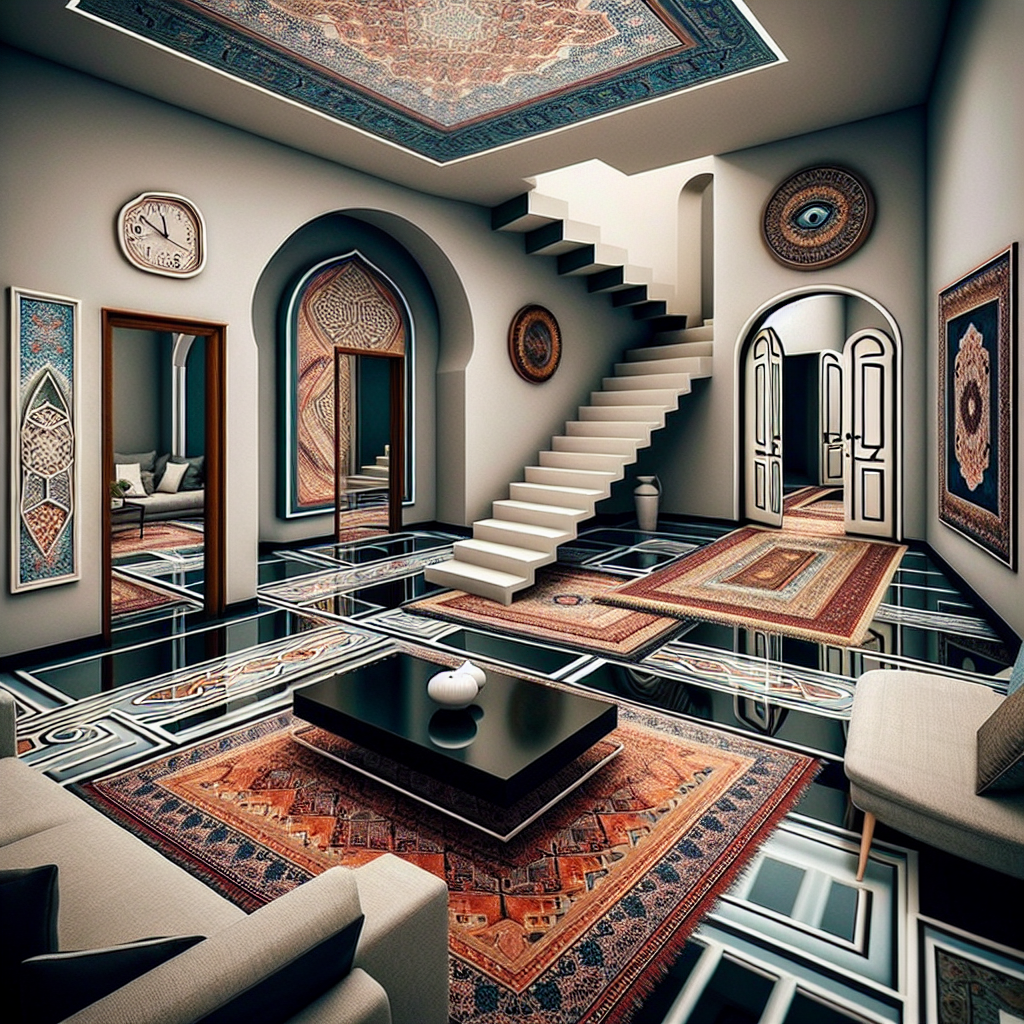
Optical illusions have long fascinated the human mind, challenging our perceptions and altering our understanding of reality. In the realm of interior design, these visual tricks are not merely playful novelties but powerful tools that can transform spaces in innovative ways. By manipulating color, light, and spatial arrangements, designers can create environments that appear larger, more dynamic, or intriguingly complex. Optical illusions in interior design invite occupants to engage with their surroundings on a deeper level, offering a unique blend of art and science that enhances aesthetic appeal while addressing practical spatial challenges. Whether through the clever use of patterns, strategic placement of mirrors, or the integration of trompe-l’oeil techniques, these illusions redefine the boundaries of interior spaces, making them not only functional but also visually captivating.
Transforming Spaces: The Art of Optical Illusions in Interior Design
Optical illusions have long fascinated people, captivating our imaginations and challenging our perceptions. In the realm of interior design, these visual tricks are not just about creating a sense of wonder; they are powerful tools that can transform spaces in unexpected ways. By cleverly manipulating colors, patterns, and spatial arrangements, designers can make rooms appear larger, ceilings seem higher, and spaces feel more dynamic. This playful approach to design not only enhances the aesthetic appeal of a room but also maximizes its functionality.
One of the most common uses of optical illusions in interior design is to make small spaces feel more expansive. For instance, strategically placed mirrors can create the illusion of depth, making a cramped room appear much larger than it actually is. By reflecting light and views, mirrors can effectively double the visual space, adding a sense of openness and airiness. Similarly, using light colors on walls and ceilings can make a room feel more spacious. Light hues reflect more light, which can help to blur the boundaries of a room, giving the impression of a larger area.
Patterns also play a crucial role in creating optical illusions. Vertical stripes, for example, can make a ceiling seem higher, while horizontal stripes can widen a room. This technique is particularly useful in spaces with low ceilings or narrow dimensions. Additionally, geometric patterns can add a sense of movement and energy to a room. By drawing the eye along certain lines or shapes, these patterns can guide the viewer’s perception, making the space feel more dynamic and engaging.
Another fascinating aspect of optical illusions in interior design is the use of perspective. Trompe-l’œil, a French term meaning “deceive the eye,” is a technique that uses realistic imagery to create the illusion of three-dimensional space on a flat surface. This can be particularly effective in creating a sense of depth in a room, such as painting a faux window with a scenic view on a blank wall. This not only adds visual interest but also enhances the feeling of openness and connection to the outside world.
Lighting, too, plays a pivotal role in crafting optical illusions. The strategic use of light and shadow can dramatically alter the perception of a space. For instance, uplighting can make a room feel taller by drawing the eye upward, while downlighting can create a cozy, intimate atmosphere. Layering different types of lighting, such as ambient, task, and accent lighting, can add depth and dimension, further enhancing the illusion of space.
Incorporating optical illusions into interior design is not just about tricking the eye; it’s about creating an experience. It’s about transforming a space into something more than the sum of its parts, making it feel alive and full of possibilities. Whether it’s through the clever use of mirrors, patterns, perspective, or lighting, these techniques invite us to see our surroundings in new and exciting ways. So, the next time you’re looking to refresh your home, consider the magic of optical illusions. They might just change the way you see your space—and perhaps even the way you feel within it.
Creating Depth: How Optical Illusions Enhance Small Rooms
When it comes to interior design, especially in small spaces, creating the illusion of depth can transform a cramped room into a cozy haven. Optical illusions are a clever tool in the designer’s toolkit, offering a way to manipulate perception and make a room feel more expansive than it actually is. By playing with colors, patterns, and layouts, you can trick the eye and enhance the sense of space in any room.
One of the simplest ways to create depth is through the use of color. Light colors, particularly whites and pastels, can make a room feel airy and open. They reflect more light, which can make walls seem to recede, giving the impression of a larger space. However, don’t shy away from using darker shades strategically. A dark accent wall can add depth by creating contrast, making the lighter walls appear to stretch further back. This technique can be particularly effective in rooms with ample natural light, as the interplay between light and dark can create a dynamic sense of space.
Patterns also play a significant role in optical illusions. Vertical stripes, for instance, can make a ceiling appear higher, while horizontal stripes can widen a room. This is why wallpaper or paint with subtle striping can be a game-changer in small spaces. Additionally, geometric patterns can add a sense of movement and depth. A well-placed rug with a bold pattern can draw the eye across the room, making it feel larger. Similarly, a patterned ceiling can add an unexpected element of height, drawing attention upwards and expanding the perceived space.
Mirrors are another fantastic tool for creating depth. By reflecting light and views, mirrors can double the visual space in a room. Placing a large mirror opposite a window can bring the outdoors in, making the room feel more connected to the outside world. Even smaller mirrors, when strategically placed, can bounce light around the room and create a sense of openness. For a more artistic approach, consider using mirrored furniture or decor elements to subtly enhance the sense of space without overwhelming the design.
Furniture arrangement also plays a crucial role in enhancing depth. In small rooms, it’s important to avoid cluttering the space with too much furniture. Instead, opt for pieces that are multifunctional and appropriately scaled to the room. Floating furniture, such as wall-mounted shelves or a sofa with exposed legs, can create a sense of airiness by allowing light to flow underneath. Additionally, arranging furniture at angles or in unexpected ways can break up the monotony and add interest, making the room feel more dynamic and spacious.
Lighting, too, can be used to create depth. Layered lighting, which includes a mix of ambient, task, and accent lighting, can add dimension to a room. By highlighting certain areas and creating shadows in others, you can guide the eye and enhance the perception of depth. For instance, placing a floor lamp in a corner can draw attention to the farthest point in the room, making it feel larger.
In conclusion, optical illusions are a powerful way to enhance small rooms, making them feel more open and inviting. By thoughtfully combining color, pattern, mirrors, furniture arrangement, and lighting, you can create a space that not only looks larger but also feels more comfortable and welcoming. So, the next time you’re faced with a small room challenge, remember that a little illusion can go a long way in transforming your space.
Color and Light: Using Optical Illusions to Alter Perception
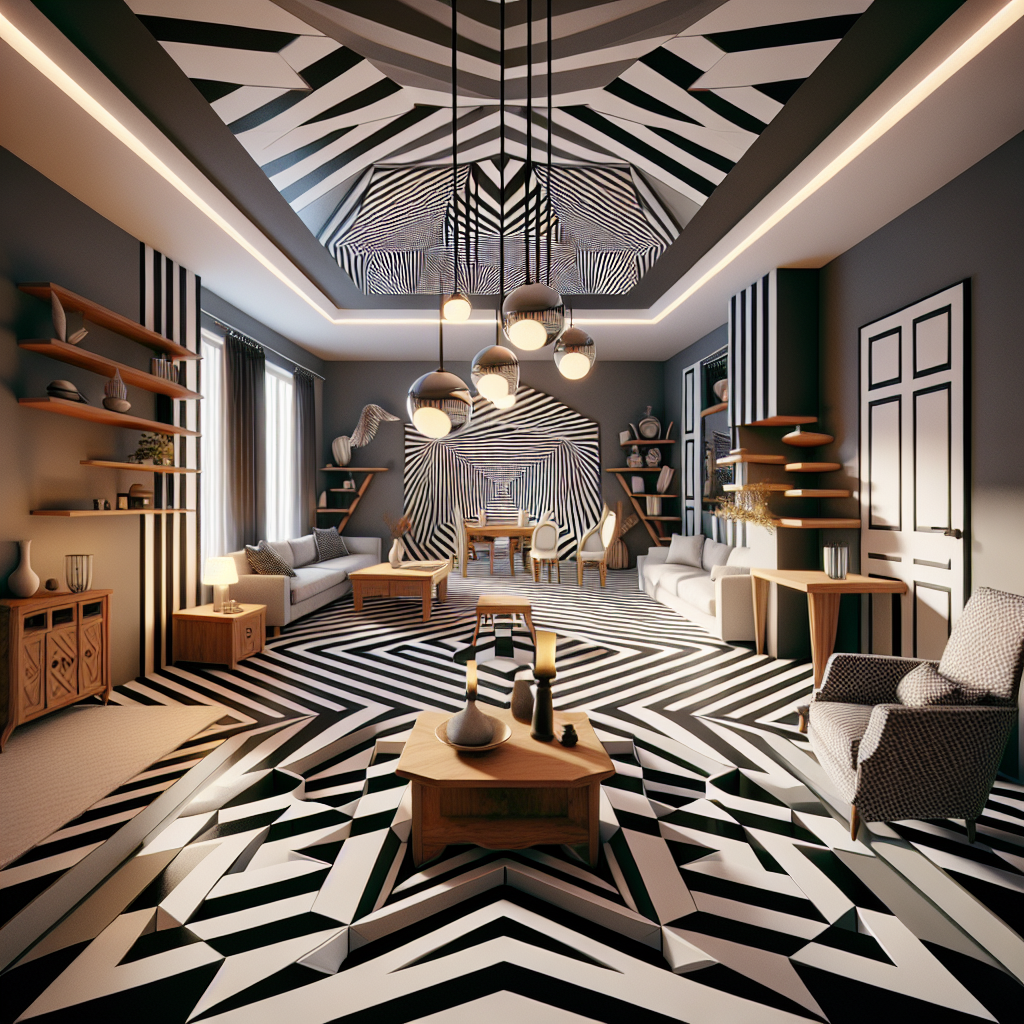
When it comes to interior design, the magic of color and light can transform a space in ways that are both surprising and delightful. Optical illusions, often thought of as mere tricks of the eye, can be powerful tools in altering perception and enhancing the aesthetic appeal of a room. By understanding how these illusions work, you can create spaces that feel larger, cozier, or more dynamic, all through the clever use of color and light.
To begin with, let’s talk about color. Color has the ability to influence mood and perception, making it a crucial element in interior design. For instance, lighter colors such as whites, creams, and pastels can make a room feel more spacious and airy. This is because they reflect more light, creating an illusion of openness. On the other hand, darker colors like deep blues, rich greens, and charcoal grays can make a space feel more intimate and cozy, as they absorb light and create a sense of enclosure. By strategically choosing your color palette, you can manipulate the perceived size and atmosphere of a room without changing its physical dimensions.
Moreover, the use of contrasting colors can also play a significant role in creating optical illusions. High contrast between walls and trim, for example, can make ceilings appear higher or lower depending on the desired effect. Similarly, using a bold accent wall can draw the eye to a particular area, making the room feel more dynamic and interesting. This technique is particularly useful in open-plan spaces, where defining different zones can enhance functionality and flow.
Transitioning from color to light, the interplay between these two elements is where the real magic happens. Natural light is a designer’s best friend, as it can dramatically alter the perception of a space. Large windows or strategically placed mirrors can amplify natural light, making a room feel brighter and more expansive. Mirrors, in particular, are a classic tool for creating optical illusions. By reflecting light and views, they can double the perceived size of a room, making them an invaluable asset in small spaces.
Artificial lighting also plays a crucial role in shaping perception. Layered lighting, which includes ambient, task, and accent lighting, can add depth and dimension to a room. For example, placing a floor lamp in a corner can create the illusion of height, while under-cabinet lighting in a kitchen can make countertops appear more spacious. The color temperature of light bulbs can also influence the mood of a room; warm tones create a cozy, inviting atmosphere, while cooler tones can make a space feel more modern and energetic.
Incorporating optical illusions into interior design is not just about tricking the eye; it’s about enhancing the experience of a space. By thoughtfully combining color and light, you can create environments that are not only visually appealing but also functional and comfortable. Whether you’re looking to make a small room feel larger or add a touch of drama to a bland space, understanding the principles of optical illusions can help you achieve your design goals. So next time you’re planning a room makeover, consider how you can play with perception to create a space that truly reflects your style and personality.
Furniture and Fixtures: The Role of Optical Illusions in Modern Interiors
Optical illusions have long fascinated people, captivating our imaginations and challenging our perceptions. In recent years, these intriguing visual tricks have found their way into the world of interior design, particularly in the realm of furniture and fixtures. By cleverly manipulating shapes, colors, and patterns, designers are able to create spaces that are not only visually stunning but also functional and efficient. As we explore the role of optical illusions in modern interiors, it becomes clear that these playful elements can transform a room in unexpected and delightful ways.
To begin with, optical illusions can be used to alter the perceived size of a space. In smaller rooms, for instance, designers often employ techniques that make the area appear larger than it actually is. One popular method involves using mirrors strategically placed to reflect light and create the illusion of depth. This not only brightens up the room but also gives the impression of a more expansive space. Similarly, furniture with transparent or reflective surfaces can contribute to this effect, as they seem to take up less visual space, allowing the room to breathe.
Moreover, color plays a significant role in creating optical illusions within interiors. Light colors tend to make a room feel more open and airy, while darker shades can create a cozy, intimate atmosphere. However, it’s not just about the color itself; the way colors are combined can also trick the eye. For example, using contrasting colors in stripes or geometric patterns can lead to a dynamic visual experience, making walls appear taller or wider. This technique is particularly useful in rooms with low ceilings or awkward dimensions, as it can help balance the proportions and create a more harmonious environment.
In addition to color, patterns are another powerful tool in the designer’s arsenal. Bold, graphic patterns can draw the eye and create a focal point in a room, while more subtle designs can add texture and depth. When used thoughtfully, patterns can guide the viewer’s gaze around the space, highlighting certain features or downplaying others. For instance, a rug with a strong geometric pattern can anchor a seating area, while a wallpaper with a delicate motif can add interest to an otherwise plain wall.
Furthermore, the shape and form of furniture and fixtures can also contribute to the illusion of space. Pieces with curved lines or asymmetrical designs can create a sense of movement and flow, leading the eye through the room. This can be particularly effective in open-plan spaces, where defining different areas without physical barriers is often a challenge. By using furniture that plays with perception, designers can delineate zones while maintaining a cohesive and fluid layout.
Finally, lighting is an essential element in creating optical illusions in interior design. The way light interacts with surfaces can dramatically alter the perception of a space. For example, uplighting can make ceilings appear higher, while downlighting can create a more intimate atmosphere. Additionally, the use of shadows and highlights can add depth and dimension, enhancing the overall effect of the design.
In conclusion, optical illusions offer a playful and innovative approach to interior design, particularly in the realm of furniture and fixtures. By skillfully manipulating elements such as color, pattern, shape, and light, designers can create spaces that are not only visually captivating but also functional and efficient. As we continue to explore the possibilities of optical illusions in modern interiors, it is clear that these clever tricks have the power to transform our perception of space in delightful and unexpected ways.
Historical Perspectives: Optical Illusions in Interior Design Through the Ages
Optical illusions have long fascinated humans, captivating our imaginations and challenging our perceptions. When it comes to interior design, these visual tricks have been employed throughout history to create spaces that are not only functional but also intriguing and dynamic. From ancient civilizations to modern times, the use of optical illusions in interior design has evolved, reflecting cultural shifts and technological advancements. Let’s take a journey through the ages to explore how these playful elements have been woven into the fabric of interior spaces.
In ancient times, the Greeks and Romans were among the first to experiment with optical illusions in their architecture and interior design. They used techniques like trompe-l’œil, a French term meaning “deceive the eye,” to create the illusion of three-dimensional space on flat surfaces. This technique was particularly popular in frescoes and mosaics, where artists painted realistic images that seemed to extend beyond the walls. These early examples of optical illusions not only showcased the artists’ skill but also added depth and interest to otherwise plain surfaces.
As we move into the Renaissance period, the fascination with perspective and illusion continued to grow. Artists and designers of this era were obsessed with creating the perfect illusion of depth and space. The use of linear perspective became a hallmark of Renaissance art and design, allowing for more realistic and immersive environments. This period also saw the rise of anamorphic art, where images appear distorted unless viewed from a specific angle or with a special device. Such techniques were not only a testament to the artists’ ingenuity but also a way to engage viewers, inviting them to interact with the space in new and exciting ways.
Fast forward to the 18th and 19th centuries, and we see the influence of optical illusions in the opulent interiors of the Baroque and Rococo periods. Designers of this time embraced elaborate ornamentation and intricate details, often using mirrors and reflective surfaces to create the illusion of larger, more grandiose spaces. The strategic placement of mirrors could make a room appear twice its actual size, while the use of light and shadow added drama and depth. These elements combined to create interiors that were not only visually stunning but also full of surprises.
In the 20th century, the advent of new materials and technologies brought about a revolution in interior design. The Bauhaus movement, with its emphasis on functionality and simplicity, still found room for optical illusions, albeit in a more restrained form. Designers began to experiment with geometric patterns and bold colors, using them to manipulate perception and create dynamic, engaging spaces. The Op Art movement of the 1960s took this a step further, with artists like Bridget Riley and Victor Vasarely creating works that seemed to pulse and move, challenging viewers’ perceptions and blurring the lines between art and design.
Today, optical illusions continue to play a significant role in interior design, with designers using them to create spaces that are both functional and visually captivating. Advances in digital technology have opened up new possibilities, allowing for more complex and interactive illusions. From 3D wall panels to augmented reality applications, the potential for optical illusions in interior design is virtually limitless. As we look to the future, it’s clear that these playful elements will continue to inspire and delight, offering endless opportunities to explore the boundaries of perception and design.
Conclusion
Optical illusions in interior design offer a unique and innovative approach to transforming spaces by manipulating perception. By strategically using patterns, colors, and spatial arrangements, designers can create environments that appear larger, more dynamic, or intriguingly complex. These illusions can enhance aesthetic appeal, evoke emotional responses, and even improve functionality by altering how a space is perceived. Ultimately, incorporating optical illusions into interior design not only challenges traditional design norms but also enriches the sensory experience, making spaces more engaging and memorable.