Modernist Curves: Softening Contemporary Luxury
August 30, 2022
Optical Illusions: Playing with Perception in Interior Design
September 13, 2022
-
Table of Contents
- Introduction
- The Timeless Appeal of Handcrafted Furniture: Why Artisanal Techniques Matter
- From Forest to Furniture: The Journey of Handcrafted Woodworking
- Mastering the Craft: A Look at Traditional Artisanal Techniques in Furniture Making
- The Art of Detail: How Handcrafted Furniture Elevates Interior Design
- Sustainability and Craftsmanship: The Eco-Friendly Benefits of Artisanal Furniture
- Conclusion
Introduction
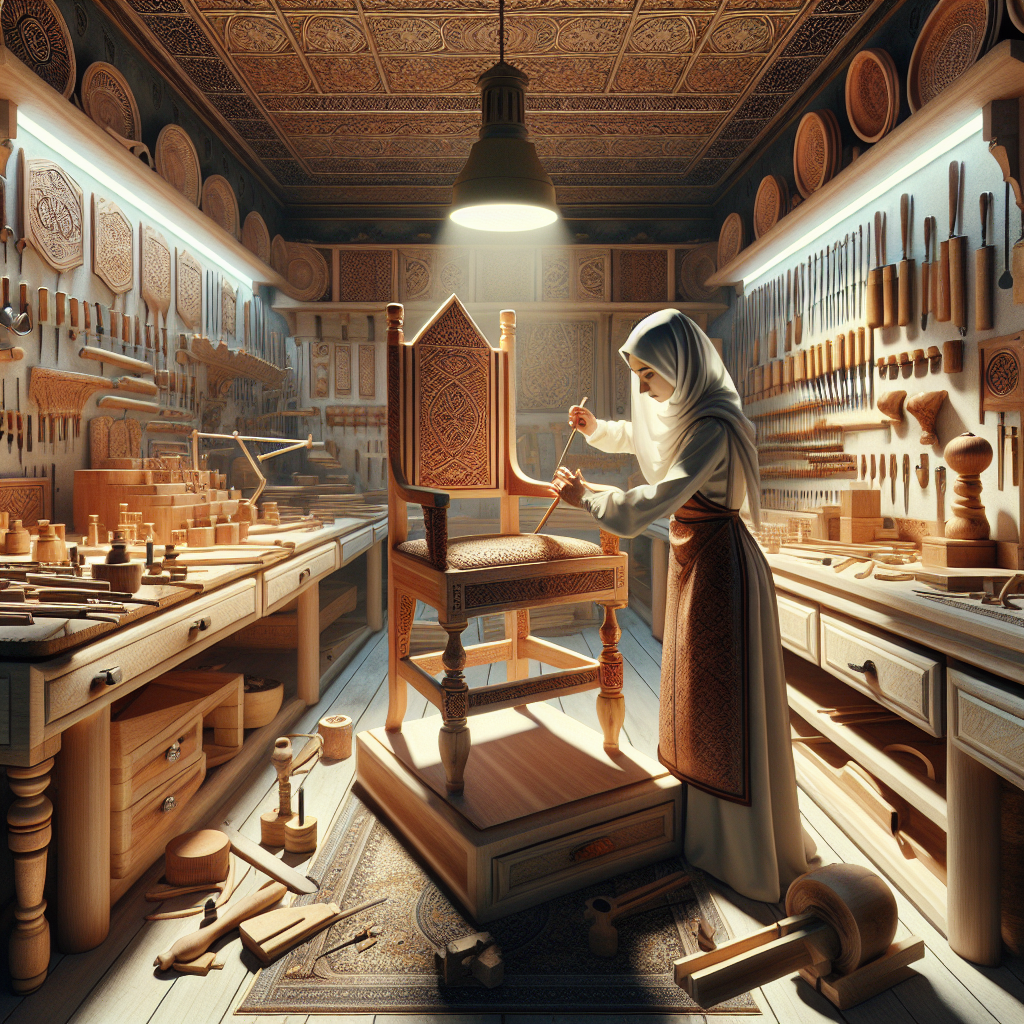
The Luxury of Handcrafted: Artisanal Techniques in Furniture Making delves into the world of bespoke craftsmanship, where tradition meets innovation to create timeless pieces of art. This exploration highlights the meticulous processes and skilled artisans who transform raw materials into exquisite furniture, each piece telling a unique story of heritage and creativity. In an era dominated by mass production, the resurgence of handcrafted furniture underscores a growing appreciation for quality, sustainability, and the personal touch that only skilled hands can impart. From intricate joinery to the careful selection of premium woods, this narrative celebrates the dedication and artistry that define the luxury of handcrafted furniture, offering a glimpse into a world where every detail is a testament to human ingenuity and passion.
The Timeless Appeal of Handcrafted Furniture: Why Artisanal Techniques Matter
In a world where mass production dominates the market, there’s something undeniably special about handcrafted furniture. The allure of artisanal techniques lies not just in the final product, but in the story and craftsmanship behind each piece. When you choose handcrafted furniture, you’re not just buying a chair or a table; you’re investing in a piece of art that carries the soul of its maker. This connection between the artisan and the consumer is what makes handcrafted furniture timeless and cherished across generations.
One of the most compelling reasons to opt for handcrafted furniture is the unparalleled quality it offers. Unlike mass-produced items, which often prioritize speed and cost-efficiency over durability, artisanal pieces are crafted with meticulous attention to detail. Skilled artisans take the time to select the finest materials, ensuring that each piece is built to last. This dedication to quality means that handcrafted furniture often becomes heirlooms, passed down through families and treasured for their enduring beauty and functionality.
Moreover, the use of traditional techniques in furniture making adds a layer of authenticity and character that is hard to replicate. Techniques such as joinery, carving, and inlay work require years of practice to master, and each artisan brings their unique flair to the process. This results in furniture that is not only functional but also a testament to the artisan’s skill and creativity. The imperfections and variations that come with handmade items are not flaws but rather marks of individuality, making each piece truly one-of-a-kind.
In addition to quality and craftsmanship, handcrafted furniture offers a level of customization that is rarely found in mass-produced items. Artisans often work closely with clients to create pieces that perfectly fit their needs and aesthetic preferences. Whether it’s choosing the type of wood, the finish, or the design details, the collaborative process ensures that the final product is a reflection of the client’s vision and the artisan’s expertise. This personalized approach results in furniture that is not only beautiful but also deeply meaningful to its owner.
Furthermore, supporting artisans and their craft has a positive impact on local communities and the environment. By choosing handcrafted furniture, you’re supporting small businesses and helping to preserve traditional skills that might otherwise be lost in the age of automation. Additionally, many artisans prioritize sustainable practices, using locally sourced materials and environmentally friendly finishes. This commitment to sustainability means that handcrafted furniture is often a more eco-conscious choice compared to its mass-produced counterparts.
As we navigate a world increasingly dominated by technology and uniformity, the desire for authenticity and connection grows stronger. Handcrafted furniture offers a tangible link to the past, a reminder of the beauty and value of human touch in an age of machines. It invites us to slow down, appreciate the artistry involved, and cherish the stories embedded in each piece. In choosing artisanal techniques, we embrace a lifestyle that values quality over quantity, individuality over conformity, and sustainability over disposability.
In conclusion, the timeless appeal of handcrafted furniture lies in its ability to transcend trends and connect us to a rich tradition of craftsmanship. By investing in artisanal pieces, we not only enhance our living spaces with unique and beautiful items but also support a way of life that honors skill, creativity, and sustainability. In a world where everything seems to be moving faster, handcrafted furniture reminds us of the luxury of taking time to create something truly special.
From Forest to Furniture: The Journey of Handcrafted Woodworking
The journey from forest to furniture is a fascinating one, especially when it involves the meticulous art of handcrafted woodworking. Imagine a serene forest, where towering trees sway gently in the breeze, their leaves whispering secrets of the ages. It’s here that the journey begins, with artisans selecting the finest timber, each piece chosen for its unique grain and character. This careful selection is the first step in a process that transforms raw wood into exquisite furniture, a testament to the skill and dedication of the craftspeople involved.
Once the perfect wood is chosen, the real magic begins. Artisans employ age-old techniques, passed down through generations, to shape and mold the wood. These methods, honed over centuries, ensure that each piece of furniture is not only beautiful but also built to last. The use of hand tools, such as chisels and planes, allows for a level of precision and detail that machines simply cannot replicate. This hands-on approach imbues each piece with a sense of individuality, as no two items are ever exactly alike.
As the wood is worked, the artisans pay close attention to its natural characteristics. The grain patterns, knots, and even imperfections are celebrated, incorporated into the design to enhance the overall aesthetic. This respect for the material is a hallmark of handcrafted furniture, where the goal is to highlight the inherent beauty of the wood rather than mask it. The result is a piece that tells a story, a narrative of its journey from forest to furniture.
Transitioning from the workshop to the finishing stage, the furniture undergoes a transformation. Here, artisans apply various finishes, such as oils, waxes, or lacquers, to protect the wood and enhance its natural beauty. This step is crucial, as it not only adds a layer of durability but also brings out the rich colors and textures of the wood. The choice of finish can dramatically alter the appearance of the piece, allowing for a range of styles from rustic to modern.
Throughout this process, the artisans maintain a deep connection to their craft. Their passion and dedication are evident in every detail, from the carefully carved joints to the smooth, polished surfaces. This commitment to quality is what sets handcrafted furniture apart from mass-produced items. It’s not just about creating a functional piece; it’s about crafting an heirloom that will be cherished for generations.
Moreover, the journey from forest to furniture is not just about the end product; it’s about the experience. For those who appreciate the art of woodworking, there’s a certain joy in knowing that their furniture was made with care and intention. It’s a luxury that goes beyond the physical object, offering a connection to the artisans and the natural world.
In conclusion, the journey of handcrafted woodworking is a celebration of tradition, skill, and artistry. From the careful selection of timber to the final finishing touches, each step is a testament to the dedication and passion of the artisans. The result is not just furniture, but a work of art that embodies the luxury of handcrafted craftsmanship. So, the next time you admire a beautifully crafted piece of furniture, take a moment to appreciate the journey it has taken, from the forest to your home.
Mastering the Craft: A Look at Traditional Artisanal Techniques in Furniture Making
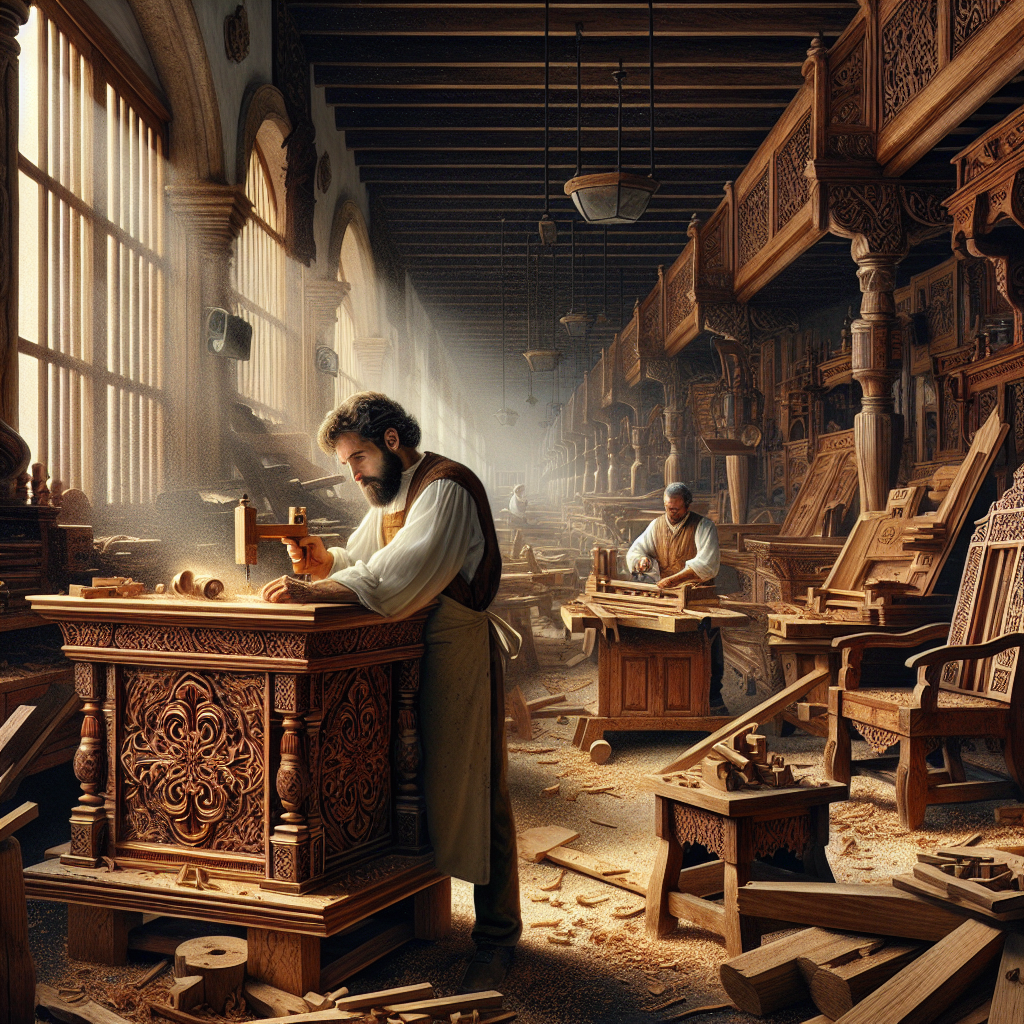
In a world increasingly dominated by mass production and fast-paced consumerism, there’s something undeniably charming about the art of handcrafted furniture. The luxury of owning a piece that has been meticulously crafted by skilled artisans is a testament to the enduring appeal of traditional techniques. These methods, passed down through generations, not only celebrate the beauty of craftsmanship but also ensure that each piece of furniture is unique, with its own story to tell.
To truly appreciate the artistry involved in handcrafted furniture, it’s essential to understand the techniques that artisans employ. One such technique is joinery, which is the art of connecting pieces of wood without the use of nails or screws. This method, which includes dovetail and mortise-and-tenon joints, requires precision and patience. The result is a sturdy, durable piece that can withstand the test of time. Moreover, the visible joints add an element of design that speaks to the skill of the craftsman.
Another fascinating aspect of artisanal furniture making is the use of hand tools. While power tools have their place in modern woodworking, traditional artisans often prefer hand tools for their precision and control. Tools like chisels, planes, and saws allow craftsmen to work with the wood’s natural grain, enhancing its inherent beauty. This hands-on approach not only results in a more refined finish but also creates a deeper connection between the artisan and the material.
In addition to joinery and hand tools, the selection of wood is a crucial part of the process. Artisans often choose their materials based on the wood’s grain, color, and texture, ensuring that each piece is as aesthetically pleasing as it is functional. The choice of wood can also reflect the artisan’s personal style and the cultural influences that inspire their work. For instance, a craftsman might select walnut for its rich, dark tones or cherry for its warm, reddish hue, each choice adding a distinct character to the final product.
Furthermore, the finishing process is where the true artistry of handcrafted furniture shines. Artisans use a variety of techniques to enhance the wood’s natural beauty, such as staining, oiling, or waxing. These finishes not only protect the wood but also bring out its unique characteristics, highlighting the grain and adding depth to the color. The tactile experience of a well-finished piece is something that simply cannot be replicated by machine-made furniture.
As we delve deeper into the world of artisanal furniture making, it’s clear that these traditional techniques are more than just methods; they are an expression of creativity and dedication. Each piece is a labor of love, reflecting the artisan’s passion for their craft and their commitment to quality. In a time when convenience often trumps craftsmanship, choosing handcrafted furniture is a way to honor these age-old traditions and bring a touch of luxury into our homes.
Ultimately, the allure of handcrafted furniture lies in its ability to tell a story. Each piece is a testament to the artisan’s skill and creativity, a unique blend of form and function that stands apart from the uniformity of mass-produced items. By embracing these traditional techniques, we not only preserve a rich heritage but also celebrate the artistry and individuality that make handcrafted furniture truly luxurious.
The Art of Detail: How Handcrafted Furniture Elevates Interior Design
In a world where mass production often takes center stage, there’s something truly special about the art of handcrafted furniture. It’s not just about the final product, but the journey of creation that makes each piece unique. When you step into a room adorned with handcrafted furniture, you can immediately sense the difference. The attention to detail, the quality of materials, and the passion of the artisan all come together to create something that elevates the entire space. It’s like stepping into a world where every piece tells a story, and every detail has been carefully considered.
One of the most remarkable aspects of handcrafted furniture is the artisanal techniques that go into its creation. Unlike factory-made pieces, which are often churned out by the thousands, handcrafted furniture is made with love and precision. Artisans use time-honored techniques that have been passed down through generations, ensuring that each piece is not only beautiful but also built to last. From intricate joinery to hand-carved details, these techniques require a level of skill and dedication that is truly admirable.
Moreover, the materials used in handcrafted furniture are often of the highest quality. Artisans take great care in selecting the perfect wood, fabric, or metal for their creations. This careful selection process ensures that the final product is not only aesthetically pleasing but also durable and sustainable. In a time when sustainability is more important than ever, choosing handcrafted furniture is a way to support environmentally friendly practices. By investing in pieces that are made to last, you’re also reducing the need for constant replacements, which is a win for both your home and the planet.
Transitioning from the materials to the design, it’s clear that handcrafted furniture has a unique ability to elevate interior design. Each piece is a work of art, with its own personality and charm. Whether it’s a beautifully carved wooden table or a plush, hand-stitched armchair, these pieces have a way of becoming the focal point of any room. They invite conversation and admiration, drawing people in with their beauty and craftsmanship. In a world where trends come and go, handcrafted furniture remains timeless, offering a sense of permanence and stability in an ever-changing landscape.
Furthermore, incorporating handcrafted furniture into your home is a way to express your personal style. Because each piece is unique, you have the opportunity to curate a space that truly reflects who you are. Whether you prefer a rustic, farmhouse aesthetic or a sleek, modern look, there’s handcrafted furniture to suit every taste. And because these pieces are made with such care and attention, they often become cherished heirlooms, passed down from one generation to the next.
In conclusion, the luxury of handcrafted furniture lies in its ability to transform a space through the art of detail. It’s about more than just filling a room with beautiful objects; it’s about creating an environment that feels warm, inviting, and uniquely yours. By choosing handcrafted pieces, you’re not only supporting skilled artisans but also investing in quality, sustainability, and timeless design. So, the next time you’re considering a new addition to your home, think about the story behind the piece and the hands that crafted it. You might just find that the art of detail is exactly what your space needs.
Sustainability and Craftsmanship: The Eco-Friendly Benefits of Artisanal Furniture
In today’s fast-paced world, where mass production often takes precedence, there’s something truly special about owning a piece of handcrafted furniture. Artisanal techniques in furniture making not only bring a unique charm and character to each piece but also offer significant eco-friendly benefits. As more people become conscious of their environmental footprint, the allure of artisanal furniture continues to grow, blending sustainability with craftsmanship in a way that mass-produced items simply cannot.
To begin with, the process of creating artisanal furniture is inherently more sustainable than mass production. Artisans typically source their materials locally, reducing the carbon footprint associated with transporting raw materials over long distances. This local sourcing often means that the wood and other materials used are harvested responsibly, with a focus on maintaining the health of the local ecosystem. Moreover, artisans tend to use reclaimed or recycled materials, giving new life to what might otherwise be discarded. This practice not only conserves resources but also adds a layer of history and uniqueness to each piece.
Furthermore, the craftsmanship involved in artisanal furniture making ensures that each item is built to last. Unlike mass-produced furniture, which often relies on cheaper materials and shortcuts in construction, handcrafted pieces are made with meticulous attention to detail. This dedication to quality means that artisanal furniture is more durable and less likely to end up in a landfill after just a few years of use. In essence, investing in a handcrafted piece is an investment in sustainability, as it reduces the need for frequent replacements and the associated environmental impact.
In addition to the environmental benefits, artisanal furniture also supports local economies and preserves traditional skills. By choosing handcrafted pieces, consumers are directly supporting skilled artisans and their communities. This support helps to keep traditional techniques alive, passing them down through generations and ensuring that these valuable skills are not lost to the mechanized processes of mass production. As a result, artisanal furniture not only enriches our homes but also contributes to the cultural and economic vitality of the communities where it is made.
Moreover, the personal connection that comes with owning a piece of artisanal furniture cannot be overstated. Each item tells a story, reflecting the passion and creativity of the artisan who crafted it. This connection fosters a deeper appreciation for the piece, encouraging owners to cherish and care for it over time. In a world where disposable culture is prevalent, this sense of connection and value is a refreshing change, promoting a more mindful approach to consumption.
As we continue to navigate the challenges of environmental sustainability, the role of artisanal techniques in furniture making becomes increasingly important. By choosing handcrafted pieces, we are not only enhancing our living spaces with unique and beautiful items but also making a conscious decision to support sustainable practices and local communities. The luxury of handcrafted furniture lies not just in its aesthetic appeal but in its ability to harmonize craftsmanship with eco-friendly principles. In this way, artisanal furniture offers a meaningful alternative to mass-produced goods, inviting us to embrace a more sustainable and thoughtful way of living.
Conclusion
The Luxury of Handcrafted: Artisanal Techniques in Furniture Making highlights the enduring appeal and value of traditional craftsmanship in the modern world. Artisanal furniture, characterized by meticulous attention to detail, unique design, and the use of high-quality materials, stands as a testament to the skill and creativity of master craftsmen. These pieces not only serve functional purposes but also embody artistic expression and cultural heritage. In an era dominated by mass production, handcrafted furniture offers a distinct luxury, providing consumers with bespoke items that reflect individuality and timeless elegance. The resurgence of interest in artisanal techniques underscores a growing appreciation for sustainable practices and the human touch in design, ensuring that these time-honored methods continue to thrive and inspire future generations.