Biophilic Design: Bringing Nature into Your Luxury Living Spaces
August 13, 2024
Chiaroscuro in Design: Mastering Light and Shadow in Luxury Interiors
August 20, 2024
-
Table of Contents
- Introduction
- Exploring Elegance: The Art of Designing Luxurious Liminal Spaces
- Thresholds of Opulence: Creating Sophisticated Transitional Areas
- The Intersection of Luxury and Liminality: Crafting Exquisite Entryways
- Beyond Boundaries: Designing High-End Liminal Spaces for Modern Living
- Sophisticated Transitions: The Role of Liminal Spaces in Luxury Design
- Conclusion
Introduction
“Luxurious Liminality: Designing Sophisticated Threshold Spaces” explores the art and science of crafting transitional areas that exude elegance and sophistication. These threshold spaces, often overlooked, serve as the connective tissue between distinct environments, offering a unique opportunity to blend functionality with aesthetic appeal. This book delves into the principles of design that elevate these in-between spaces, transforming them into luxurious experiences that captivate and comfort. By examining case studies, design philosophies, and innovative techniques, it provides a comprehensive guide for architects, interior designers, and enthusiasts seeking to redefine the boundaries of spatial design.
Exploring Elegance: The Art of Designing Luxurious Liminal Spaces
When it comes to interior design, the focus often lands on the main living areas, such as the living room, kitchen, or bedroom. However, there’s a growing appreciation for the spaces that connect these areas—those often-overlooked thresholds known as liminal spaces. These transitional zones, like hallways, entryways, and staircases, are now being recognized for their potential to add a touch of luxury and sophistication to a home. Designing these spaces with elegance not only enhances the overall aesthetic but also creates a seamless flow throughout the home.
To begin with, it’s essential to understand that liminal spaces serve as the first impression of a home. They are the areas that guests encounter first, setting the tone for the rest of the interior. Therefore, investing in their design can significantly elevate the ambiance of the entire house. One way to achieve this is by focusing on lighting. Thoughtfully placed lighting fixtures can transform a mundane hallway into a captivating passage. Consider using statement chandeliers or sleek wall sconces to add a layer of sophistication. Additionally, incorporating natural light through strategically placed windows or skylights can create an inviting and airy atmosphere.
Moreover, the choice of materials plays a crucial role in designing luxurious liminal spaces. High-quality materials such as marble, hardwood, or polished concrete can add a sense of opulence. These materials not only look stunning but also feel substantial underfoot, enhancing the tactile experience as one moves through the space. Pairing these with plush rugs or runners can introduce warmth and texture, making the transition from one room to another feel like a journey rather than a mere passage.
Color schemes also contribute significantly to the elegance of liminal spaces. Opting for a neutral palette with occasional pops of color can create a sophisticated backdrop that complements the rest of the home. Soft, muted tones can make these areas feel expansive and serene, while bold accents can add personality and interest. It’s all about finding the right balance that reflects the overall style of the home while allowing the liminal space to stand out in its own right.
In addition to aesthetics, functionality should not be overlooked. Liminal spaces can serve multiple purposes beyond mere transition. For instance, an entryway can double as a storage area with the addition of stylish cabinets or benches with hidden compartments. Similarly, a hallway can become a gallery space, showcasing art or family photographs that tell a story as one moves through the home. By integrating functionality with design, these spaces become not only beautiful but also practical.
Furthermore, incorporating elements of nature can enhance the luxurious feel of liminal spaces. Indoor plants or small water features can introduce a sense of tranquility and connection to the outdoors. These natural elements can soften the lines of the architecture and add a refreshing contrast to the more structured design elements.
Ultimately, designing luxurious liminal spaces is about creating a harmonious flow that ties the entire home together. It’s about recognizing the potential of these transitional areas to be more than just connectors, but rather integral parts of the home’s design narrative. By paying attention to lighting, materials, color, functionality, and natural elements, one can transform these often-overlooked spaces into elegant and sophisticated areas that enhance the overall living experience. So next time you walk through a hallway or step into an entryway, take a moment to appreciate the luxurious liminality that surrounds you.
Thresholds of Opulence: Creating Sophisticated Transitional Areas
When it comes to designing a home, we often focus on the main living areas, bedrooms, and kitchens, but there’s a certain magic in the spaces that connect them. These transitional areas, or threshold spaces, are more than just passageways; they are opportunities to infuse a sense of luxury and sophistication into your home. Imagine walking through a beautifully designed hallway that not only guides you from one room to another but also offers a moment of pause, a chance to appreciate the elegance of your surroundings. This is the essence of luxurious liminality.
To begin with, consider the power of lighting in these spaces. Lighting can transform a simple corridor into a gallery-like experience. By using a combination of ambient, task, and accent lighting, you can create a dynamic environment that highlights architectural features or art pieces. For instance, a series of wall sconces can cast a warm glow, while strategically placed spotlights can draw attention to a stunning piece of artwork or a sculptural element. The interplay of light and shadow not only enhances the aesthetic appeal but also adds depth and dimension to the space.
Moreover, the choice of materials plays a crucial role in elevating the threshold experience. Luxurious materials such as marble, polished wood, or high-quality textiles can make a significant impact. Imagine the tactile pleasure of running your hand along a smooth marble surface or the visual delight of a richly textured wall covering. These materials not only convey opulence but also create a sensory experience that engages anyone who passes through.
In addition to materials, color schemes can significantly influence the mood of transitional spaces. A carefully curated palette can evoke a sense of calm and continuity, seamlessly connecting different areas of the home. Soft, neutral tones can create a serene atmosphere, while bold, contrasting colors can add a touch of drama and excitement. The key is to strike a balance that complements the overall design of your home while allowing the threshold space to stand out in its own right.
Furthermore, incorporating elements of nature can bring a refreshing vitality to these areas. A strategically placed indoor plant or a small water feature can introduce a sense of tranquility and life. The presence of natural elements not only enhances the aesthetic appeal but also promotes a sense of well-being, making the transition from one space to another a more pleasant experience.
As we consider the furniture and decor, it’s important to remember that less is often more in these spaces. A carefully chosen piece of furniture, such as a sleek console table or an elegant bench, can serve both functional and decorative purposes. Similarly, a well-placed mirror can create the illusion of a larger space while reflecting light and adding a touch of glamour.
Ultimately, designing sophisticated threshold spaces is about creating moments of beauty and reflection within the flow of everyday life. By paying attention to details such as lighting, materials, color, and decor, you can transform these often-overlooked areas into luxurious experiences that enhance the overall ambiance of your home. So next time you walk through a hallway or step into a foyer, take a moment to appreciate the potential for opulence that lies within these transitional spaces.
The Intersection of Luxury and Liminality: Crafting Exquisite Entryways

When you think about luxury, your mind might immediately jump to opulent living rooms, grand dining areas, or lavish bedrooms. However, there’s a subtle yet significant space that often goes unnoticed in the realm of luxury design: the entryway. This threshold space, where the outside world meets the sanctuary of home, holds immense potential for creating a lasting first impression. Designing an exquisite entryway is about more than just aesthetics; it’s about crafting an experience that seamlessly blends luxury with the unique concept of liminality.
Liminality, in its essence, refers to the transitional phase between two states. In the context of home design, it represents the shift from the external environment to the personal haven within. This transition is a moment of transformation, and when approached with intention, it can set the tone for the entire home. By infusing luxury into this liminal space, you create an inviting atmosphere that speaks volumes about the style and personality of the inhabitants.
To begin with, consider the materials that define the entryway. Luxurious materials such as marble, polished wood, or high-quality stone can instantly elevate the space. These materials not only exude elegance but also offer durability, ensuring that the entryway remains pristine despite the foot traffic it endures. Pairing these materials with soft, ambient lighting can further enhance the sense of luxury, creating a warm and welcoming glow that beckons guests inside.
In addition to materials, the choice of color palette plays a crucial role in crafting a sophisticated entryway. Neutral tones, such as soft grays, creamy whites, or muted beiges, provide a timeless backdrop that allows other design elements to shine. These colors evoke a sense of calm and serenity, making the transition from the bustling outside world to the tranquility of home feel seamless. Accents of metallics or deep jewel tones can add a touch of opulence, creating visual interest without overwhelming the senses.
Furniture and decor are equally important in designing a luxurious liminal space. A statement piece, such as an intricately designed console table or a plush bench, can serve as both a functional and aesthetic focal point. Adorning these pieces with carefully curated decor, like a vase of fresh flowers or a collection of artful objects, adds personality and charm. Mirrors, strategically placed, can amplify natural light and create an illusion of spaciousness, further enhancing the entryway’s allure.
Moreover, the integration of technology can subtly elevate the luxury of an entryway. Smart lighting systems, for instance, allow for customizable settings that can adapt to different times of day or occasions, ensuring the perfect ambiance is always achieved. Similarly, incorporating a sleek, modern security system can provide peace of mind while maintaining the aesthetic integrity of the space.
Ultimately, the intersection of luxury and liminality in designing entryways is about creating a harmonious balance between form and function. It’s about recognizing the potential of this often-overlooked space and transforming it into a gateway that reflects the elegance and sophistication of the home beyond. By thoughtfully considering materials, colors, furnishings, and technology, you can craft an entryway that not only welcomes but also wows, setting the stage for the luxurious experience that awaits within.
Beyond Boundaries: Designing High-End Liminal Spaces for Modern Living
In the world of interior design, there’s a growing appreciation for the spaces that often go unnoticed—the liminal spaces. These are the areas that serve as transitions between rooms, such as hallways, entryways, and staircases. While they might seem like mere passageways, these spaces hold immense potential for creativity and luxury. Designing high-end liminal spaces is all about embracing the in-between and transforming it into something extraordinary.
Imagine walking into a home where the entryway immediately sets the tone for the entire space. It’s not just a place to hang your coat or kick off your shoes; it’s an experience. By incorporating elements like statement lighting, elegant flooring, and artful decor, an entryway can become a welcoming embrace that hints at the style and sophistication found throughout the home. The key is to think of these spaces not as afterthoughts but as integral parts of the design narrative.
Transitioning from the entryway to the hallway, the journey continues. Hallways are often overlooked, yet they offer a unique opportunity to showcase personality and style. Consider using bold wallpaper or a striking paint color to create visual interest. Adding a gallery wall of art or family photos can personalize the space, making it feel like a curated gallery rather than a simple corridor. Additionally, incorporating luxurious materials such as marble or hardwood for flooring can elevate the entire experience, making each step feel like a journey through elegance.
Staircases, too, are ripe for transformation. They are not just functional structures but can be sculptural elements that add drama and sophistication to a home. A beautifully designed staircase can serve as a focal point, drawing the eye upward and creating a sense of grandeur. Whether it’s a sweeping spiral staircase with intricate ironwork or a minimalist design with floating steps, the possibilities are endless. By paying attention to details like handrails, balustrades, and lighting, a staircase can become a work of art in its own right.
As we move through these transitional spaces, it’s important to consider the role of lighting. Proper lighting can enhance the mood and functionality of liminal spaces, making them feel inviting and purposeful. Layered lighting, which includes ambient, task, and accent lighting, can create a dynamic atmosphere that changes throughout the day. For instance, a chandelier in the entryway can provide a warm welcome, while recessed lighting in a hallway can guide the way with subtle elegance.
Moreover, the use of mirrors in these spaces can amplify light and create an illusion of expansiveness. A strategically placed mirror can reflect natural light, making a narrow hallway feel more open and airy. It also adds a touch of glamour, turning a simple passage into a sophisticated promenade.
In conclusion, designing high-end liminal spaces is about recognizing their potential to enhance the overall living experience. By treating these areas with the same care and attention as the main rooms, they can become luxurious thresholds that seamlessly connect different parts of a home. Through thoughtful design choices, these spaces can transcend their traditional roles, offering not just passage but a journey through elegance and style. So next time you find yourself in a hallway or on a staircase, take a moment to appreciate the luxurious liminality that surrounds you.
Sophisticated Transitions: The Role of Liminal Spaces in Luxury Design
In the world of luxury design, the concept of liminal spaces is gaining traction as a way to create sophisticated transitions that elevate the overall experience of a space. These threshold areas, often overlooked, serve as the connective tissue between distinct environments, offering a moment of pause and reflection. By thoughtfully designing these in-between spaces, designers can craft a seamless journey that enhances the sense of luxury and sophistication.
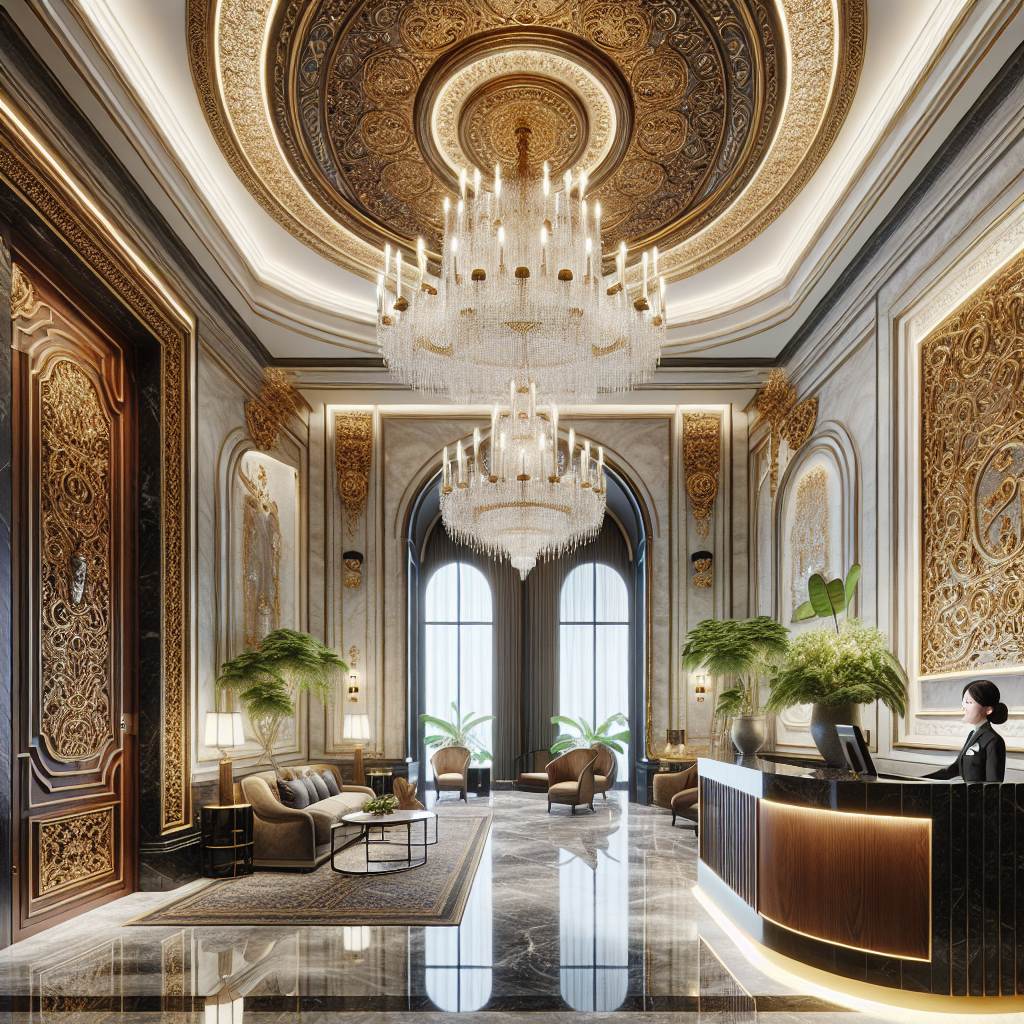
Imagine walking through a grand hotel lobby, where the transition from the bustling city outside to the serene interior is marked by a beautifully designed entryway. This liminal space, with its carefully curated elements, sets the tone for what lies beyond. It’s not just a passageway; it’s an experience in itself. The use of materials, lighting, and textures in these areas can evoke a sense of anticipation and wonder, inviting guests to slow down and appreciate the journey.
One of the key aspects of designing luxurious liminal spaces is the use of materials that speak to the senses. Rich textures, such as marble, velvet, or polished wood, can create a tactile experience that feels indulgent. These materials, when combined with thoughtful lighting, can transform a simple corridor into a captivating prelude to the main event. Soft, ambient lighting can create a warm and inviting atmosphere, while strategically placed accent lights can highlight architectural features or art pieces, adding layers of interest and intrigue.
Moreover, the incorporation of art and nature into these spaces can further enhance their allure. Art installations or sculptures can serve as focal points, drawing the eye and sparking curiosity. Meanwhile, elements of nature, such as indoor gardens or water features, can introduce a sense of tranquility and balance. These natural elements not only beautify the space but also provide a moment of respite, allowing individuals to pause and connect with their surroundings.
In addition to aesthetics, functionality plays a crucial role in the design of liminal spaces. These areas should not only be visually appealing but also serve a purpose. For instance, a well-designed entryway in a luxury retail store might include comfortable seating areas where customers can relax and take in the ambiance before exploring the store. Similarly, a transitional space in a high-end restaurant might feature a small lounge where guests can enjoy a pre-dinner cocktail, setting the stage for the culinary experience to come.
Furthermore, the concept of liminality extends beyond physical spaces to encompass the emotional and psychological transitions that occur as individuals move from one environment to another. By creating spaces that are both beautiful and functional, designers can facilitate these transitions, making them feel effortless and natural. This attention to detail and consideration for the user experience is what sets luxury design apart.
Ultimately, the design of liminal spaces in luxury environments is about creating moments of connection and reflection. These spaces, though often small in scale, have the power to transform the way we experience a place. By embracing the concept of luxurious liminality, designers can craft sophisticated transitions that not only enhance the aesthetic appeal of a space but also enrich the overall experience for those who pass through them. As we continue to explore the possibilities of luxury design, the role of liminal spaces will undoubtedly remain a key element in creating environments that are both beautiful and meaningful.
Conclusion
“Luxurious Liminality: Designing Sophisticated Threshold Spaces” explores the concept of transitional spaces that blend opulence with functionality, creating environments that are both inviting and transformative. These spaces, often found in high-end hotels, resorts, and modern architecture, serve as a bridge between different areas, offering a moment of pause and reflection. The design of such spaces emphasizes the use of high-quality materials, innovative lighting, and thoughtful spatial arrangements to evoke a sense of elegance and serenity. By focusing on the sensory experience and the emotional impact of these threshold areas, designers can craft environments that not only enhance the aesthetic appeal but also enrich the overall experience of the space. In conclusion, luxurious liminality is about creating sophisticated, transitional spaces that elevate the journey from one area to another, offering a seamless blend of beauty, comfort, and functionality.