Tactile Topography: 3D Textured Surfaces in High-End Interiors
August 6, 2024
Luxurious Liminality: Designing Sophisticated Threshold Spaces
August 13, 2024
-
Table of Contents
- Introduction
- Integrating Natural Elements: The Art of Biophilic Design in Luxury Homes
- Transforming Interiors with Greenery: A Guide to Biophilic Design
- The Role of Natural Light in Enhancing Luxury Living Spaces
- Creating a Tranquil Oasis: Water Features in Biophilic Design
- Sustainable Luxury: Eco-Friendly Materials in Biophilic Design
- Conclusion
Introduction
Biophilic design is an innovative approach that integrates natural elements into luxury living spaces, enhancing the connection between humans and the environment. This design philosophy draws inspiration from the inherent human affinity for nature, aiming to create harmonious and rejuvenating interiors that promote well-being and tranquility. By incorporating elements such as natural light, organic materials, indoor plants, and water features, biophilic design transforms living spaces into serene sanctuaries that reflect the beauty and serenity of the natural world. This approach not only elevates the aesthetic appeal of luxury homes but also fosters a healthier and more sustainable lifestyle, making it an ideal choice for those seeking to enrich their living environments with the calming and restorative qualities of nature.
Integrating Natural Elements: The Art of Biophilic Design in Luxury Homes
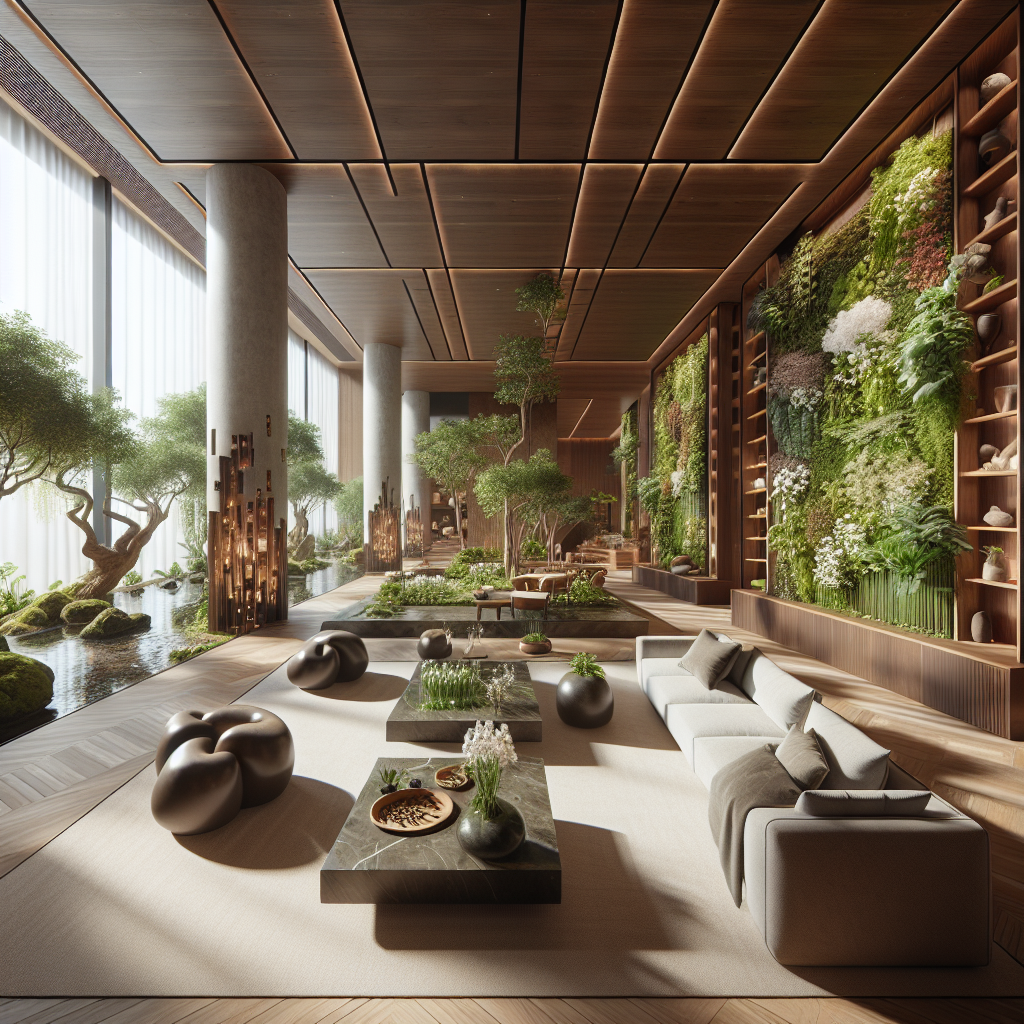
Biophilic design is transforming the way we think about luxury living spaces, seamlessly blending the beauty of nature with the comforts of modern life. Imagine stepping into a home where the boundaries between the indoors and outdoors blur, creating a sanctuary that nurtures both body and soul. This is the essence of biophilic design, an approach that integrates natural elements into our living environments, enhancing our connection to the natural world while elevating the aesthetic appeal of our homes.
At the heart of biophilic design is the idea that humans have an innate affinity for nature. This concept, known as biophilia, suggests that our well-being is deeply connected to our interaction with the natural environment. By incorporating elements such as natural light, greenery, water features, and organic materials into our living spaces, we can create environments that not only look stunning but also promote relaxation, creativity, and overall well-being.
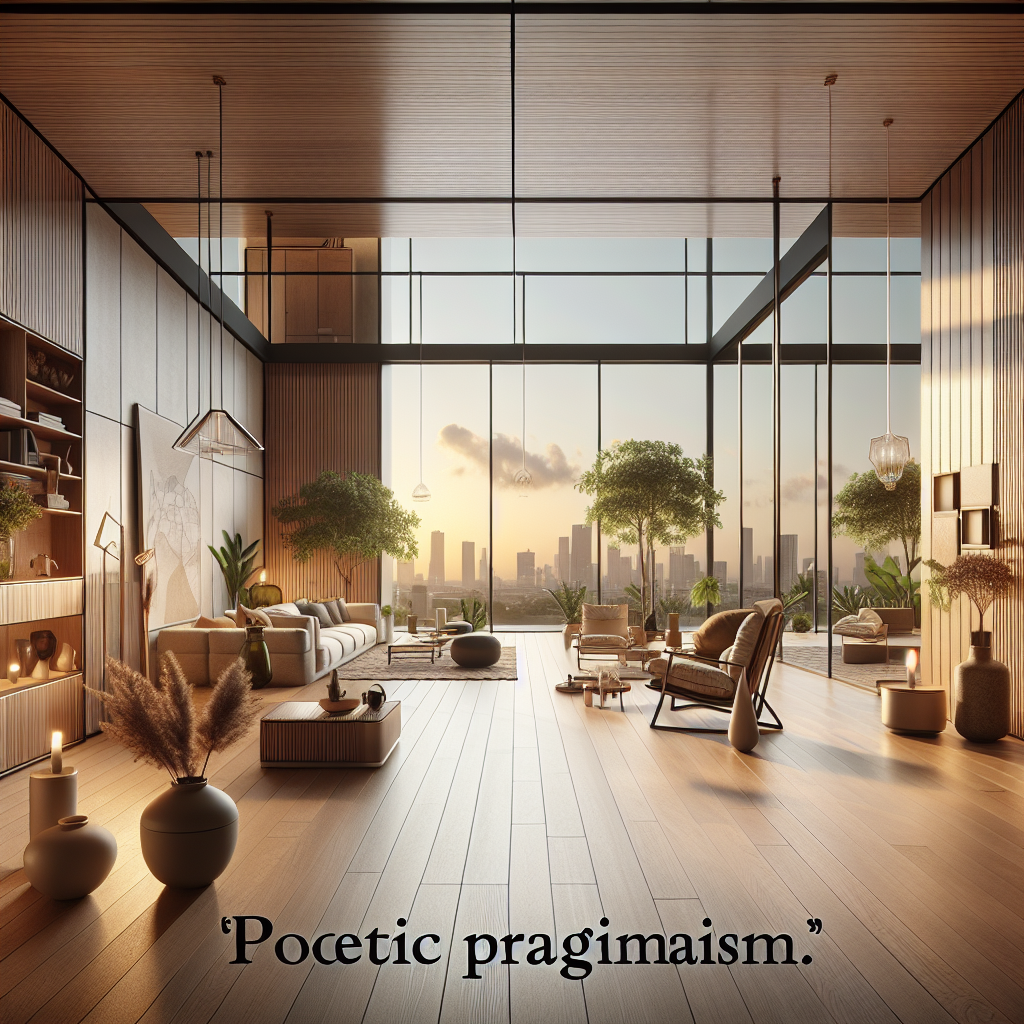
One of the most effective ways to bring nature into your luxury home is through the use of natural light. Large windows, skylights, and glass doors can flood your living spaces with sunlight, creating a warm and inviting atmosphere. Not only does natural light enhance the visual appeal of a room, but it also has numerous health benefits, such as boosting mood and improving sleep quality. To maximize the impact of natural light, consider arranging your furniture to take advantage of the sun’s path throughout the day, creating cozy nooks for reading or enjoying a morning coffee.
In addition to natural light, incorporating greenery into your home is a key aspect of biophilic design. Indoor plants not only add a touch of nature to your decor but also improve air quality and create a sense of tranquility. From towering fiddle leaf figs to delicate ferns, there are countless options to suit any style or space. For those with limited time or a less-than-green thumb, low-maintenance plants like succulents or air plants can provide the same benefits with minimal effort. Moreover, vertical gardens or living walls can make a bold statement, transforming a blank wall into a lush, vibrant focal point.
Water features are another powerful element of biophilic design, offering both visual and auditory appeal. The gentle sound of flowing water can create a calming ambiance, making it an ideal addition to spaces designed for relaxation, such as a spa-like bathroom or a serene outdoor patio. Whether it’s a sleek indoor fountain or a tranquil koi pond, water features can enhance the luxury and serenity of your home.
Finally, the use of natural materials is essential in creating a cohesive biophilic design. Incorporating elements such as wood, stone, and natural fibers can add warmth and texture to your living spaces. Consider using reclaimed wood for flooring or accent walls, or opt for stone countertops and fireplaces to bring an earthy elegance to your home. These materials not only connect your interior spaces to the natural world but also add a timeless quality that enhances the overall luxury of your home.
In conclusion, biophilic design offers a unique opportunity to create luxury living spaces that are both beautiful and nurturing. By integrating natural elements such as light, greenery, water, and organic materials, you can transform your home into a haven that fosters well-being and a deep connection to nature. As you explore the possibilities of biophilic design, remember that the goal is to create a harmonious balance between the built environment and the natural world, resulting in a space that truly feels like home.
Transforming Interiors with Greenery: A Guide to Biophilic Design
Biophilic design is rapidly gaining popularity as a way to transform luxury living spaces by incorporating elements of nature into the home. This design philosophy is rooted in the idea that humans have an innate connection to the natural world, and by bringing elements of nature indoors, we can create environments that promote well-being, reduce stress, and enhance creativity. As more people seek to create sanctuaries within their homes, biophilic design offers a perfect blend of luxury and nature, making it an ideal choice for those looking to elevate their interiors.
One of the simplest ways to introduce biophilic design into your home is by incorporating greenery. Houseplants are not only visually appealing but also offer numerous health benefits, such as improving air quality and boosting mood. From towering fiddle leaf figs to delicate ferns, there is a plant to suit every style and space. For those who may not have a green thumb, low-maintenance options like succulents or snake plants can provide the same benefits without requiring much attention. Additionally, vertical gardens or living walls can make a striking statement, transforming a plain wall into a lush, vibrant focal point.
Beyond plants, natural materials play a crucial role in biophilic design. Incorporating materials such as wood, stone, and bamboo can add warmth and texture to a space, creating a sense of harmony with the natural world. Consider using reclaimed wood for flooring or furniture, which not only adds character but also supports sustainable practices. Stone countertops or accents can bring an earthy elegance to kitchens and bathrooms, while bamboo can be used for everything from flooring to window treatments, offering a sleek and sustainable option.
Lighting is another essential element in biophilic design. Maximizing natural light can significantly enhance the ambiance of a space, making it feel more open and inviting. Large windows, skylights, and glass doors can help bring the outdoors in, blurring the lines between interior and exterior spaces. When natural light is limited, consider using light fixtures that mimic the warm glow of sunlight, or incorporate dimmable options to adjust the lighting according to the time of day and mood.
Water features can also be a beautiful addition to a biophilic design, providing a soothing auditory element that enhances relaxation. Whether it’s a small tabletop fountain or a more elaborate indoor waterfall, the sound of flowing water can create a tranquil atmosphere, making it easier to unwind after a long day. Moreover, water features can serve as a unique focal point, adding an element of luxury and sophistication to any room.
Incorporating biophilic design into your home doesn’t have to be an all-or-nothing approach. Even small changes, like adding a few plants or using natural materials, can make a significant impact on the overall feel of a space. By thoughtfully integrating elements of nature into your interiors, you can create a luxurious living environment that not only looks beautiful but also supports your well-being. As you explore the possibilities of biophilic design, remember that the goal is to create a space that feels connected to nature, offering a serene retreat from the hustle and bustle of everyday life.
The Role of Natural Light in Enhancing Luxury Living Spaces
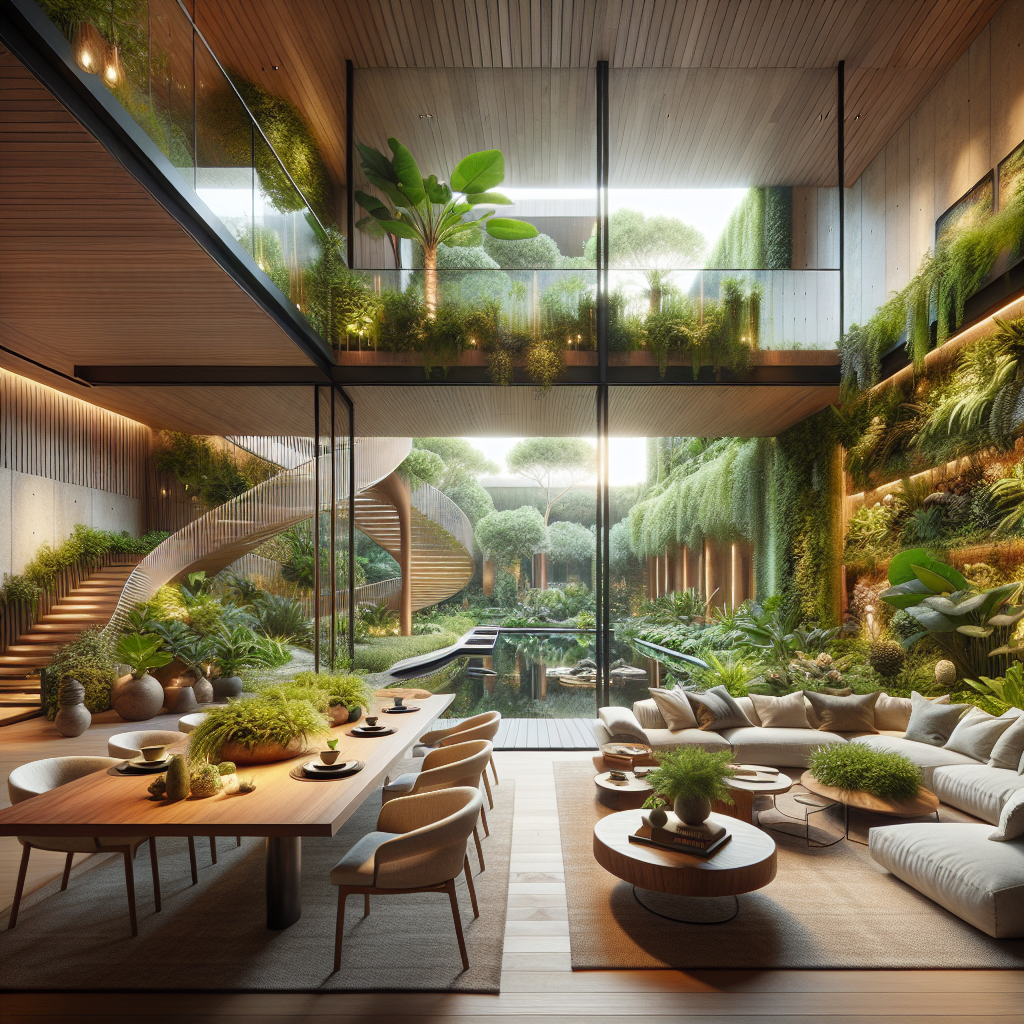
When it comes to creating luxury living spaces, the role of natural light cannot be overstated. Imagine waking up to the gentle embrace of sunlight streaming through your windows, casting a warm glow across your room. This is the essence of biophilic design, which seeks to bring the beauty and tranquility of nature into our homes. Natural light is not just a design element; it’s a vital component that enhances the overall ambiance and well-being of any space.
To begin with, natural light has a unique ability to transform a room, making it feel more open and inviting. Large windows, skylights, and glass doors are popular features in luxury homes because they allow sunlight to flood in, creating a seamless connection between the indoors and the outdoors. This connection is at the heart of biophilic design, which emphasizes the importance of integrating natural elements into our living environments. By maximizing the use of natural light, we can create spaces that feel more alive and vibrant.
Moreover, natural light has numerous health benefits that contribute to a sense of luxury and comfort. Exposure to sunlight is known to boost mood and energy levels, thanks to the increase in serotonin production. It also helps regulate our circadian rhythms, ensuring better sleep and overall well-being. In a world where we spend so much time indoors, having access to natural light can make a significant difference in how we feel and function. This is why luxury living spaces often prioritize large windows and open layouts that allow for ample sunlight.
In addition to its health benefits, natural light also plays a crucial role in enhancing the aesthetic appeal of a space. It highlights architectural details, accentuates textures, and brings out the true colors of furnishings and decor. The interplay of light and shadow can add depth and dimension to a room, creating a dynamic and ever-changing environment. This is particularly important in luxury spaces, where attention to detail and visual impact are key. By harnessing the power of natural light, designers can create interiors that are both stunning and serene.
Furthermore, incorporating natural light into luxury living spaces aligns with sustainable design principles. By reducing the need for artificial lighting during the day, homeowners can lower their energy consumption and minimize their environmental footprint. This not only benefits the planet but also adds an element of eco-consciousness to the luxury lifestyle. In this way, biophilic design not only enhances our living spaces but also encourages a more sustainable way of living.
As we consider the role of natural light in luxury living spaces, it’s clear that it offers more than just illumination. It brings warmth, vitality, and a sense of connection to the natural world. Whether you’re designing a new home or renovating an existing one, prioritizing natural light can elevate your space to new heights of luxury and comfort. So, the next time you find yourself basking in the glow of sunlight, take a moment to appreciate the beauty and benefits it brings to your home. After all, in the world of luxury living, nature is the ultimate designer.
Creating a Tranquil Oasis: Water Features in Biophilic Design
Incorporating water features into your luxury living spaces is a delightful way to embrace biophilic design, which focuses on connecting people with nature. This design philosophy not only enhances the aesthetic appeal of your home but also promotes a sense of tranquility and well-being. Imagine the soothing sound of a gentle waterfall or the calming presence of a serene pond; these elements can transform your living space into a peaceful oasis.
To begin with, water features can be as simple or as elaborate as you desire. For those who prefer a minimalist approach, a small tabletop fountain can introduce the gentle sound of flowing water into your home. These compact features are perfect for apartments or smaller spaces, offering a touch of nature without overwhelming the room. On the other hand, if you have more space to work with, consider installing a larger feature such as a wall-mounted waterfall or an indoor pond. These options can serve as stunning focal points, drawing the eye and creating a sense of harmony within the space.
Moreover, water features can be seamlessly integrated into various areas of your home. In the living room, a water wall can add an element of sophistication and elegance, while also serving as a natural humidifier. In the bedroom, a small fountain can create a calming atmosphere, helping you unwind after a long day. Even in the bathroom, a water feature can enhance the spa-like experience, turning your daily routine into a moment of relaxation and rejuvenation.
In addition to their aesthetic benefits, water features also offer several health advantages. The sound of flowing water has been shown to reduce stress and anxiety, promoting a sense of calm and relaxation. Furthermore, water features can improve air quality by releasing negative ions, which help to purify the air and increase oxygen flow. This can lead to better concentration, improved mood, and even enhanced sleep quality.
When selecting a water feature for your home, it’s important to consider the overall design and style of your space. For a modern, minimalist home, sleek and simple designs with clean lines may be the best fit. Conversely, if your home has a more traditional or rustic feel, you might opt for a feature with natural materials like stone or wood. Additionally, consider the maintenance requirements of your chosen water feature. Some may require regular cleaning and upkeep, while others are designed to be low-maintenance.
Lighting can also play a crucial role in enhancing the beauty of your water feature. Strategically placed lights can highlight the movement of the water, creating mesmerizing reflections and shadows. This can add an extra layer of depth and interest to your space, particularly in the evening when the lights can create a warm and inviting ambiance.
In conclusion, incorporating water features into your luxury living spaces is a wonderful way to embrace biophilic design and create a tranquil oasis within your home. Whether you choose a simple tabletop fountain or an elaborate indoor pond, these elements can enhance the aesthetic appeal of your space while promoting a sense of calm and well-being. By carefully selecting and integrating water features into your home, you can enjoy the many benefits of nature, right in the comfort of your own living space.
Sustainable Luxury: Eco-Friendly Materials in Biophilic Design
In recent years, the concept of biophilic design has gained significant traction, especially in the realm of luxury living spaces. This design philosophy, which emphasizes the integration of natural elements into built environments, not only enhances aesthetic appeal but also promotes well-being and sustainability. As more people become conscious of their environmental footprint, the demand for eco-friendly materials in biophilic design has surged. This trend is reshaping how we think about luxury, blending opulence with a deep respect for nature.
One of the most exciting aspects of biophilic design is its ability to transform spaces into serene sanctuaries. Imagine walking into a room where the walls are adorned with lush vertical gardens, the floors are crafted from sustainably sourced wood, and the air is purified by an array of indoor plants. Such spaces not only look stunning but also offer a sensory experience that connects inhabitants with the natural world. This connection is crucial, as studies have shown that exposure to nature can reduce stress, enhance creativity, and improve overall well-being.
Transitioning to eco-friendly materials is a key component of biophilic design. These materials are not only sustainable but also add a unique touch of elegance to any space. For instance, reclaimed wood is a popular choice for flooring and furniture. Its rich history and distinct character bring warmth and authenticity to a room. Similarly, bamboo, known for its rapid growth and renewability, is an excellent alternative to traditional hardwoods. It offers a sleek, modern look while being incredibly durable.
In addition to wood, natural stone is another material that embodies the essence of biophilic design. Stones like marble, granite, and limestone are not only visually striking but also long-lasting. They can be used in various applications, from countertops to accent walls, adding a touch of luxury that is both timeless and environmentally friendly. Moreover, the use of natural stone can help regulate indoor temperatures, contributing to energy efficiency.
As we delve deeper into the world of sustainable luxury, it’s important to consider the role of textiles in biophilic design. Organic cotton, linen, and wool are excellent choices for upholstery and drapery. These materials are not only soft and comfortable but also biodegradable, reducing their impact on the environment. Additionally, they can be dyed using natural pigments, which further minimizes the use of harmful chemicals.
Lighting is another crucial element in creating a biophilic space. Maximizing natural light not only reduces energy consumption but also enhances the mood and ambiance of a room. Large windows, skylights, and glass doors can be strategically placed to invite sunlight in, creating a bright and airy atmosphere. For artificial lighting, consider using LED bulbs, which are energy-efficient and have a longer lifespan than traditional incandescent bulbs.
Incorporating water features, such as indoor fountains or aquariums, can also enhance the biophilic experience. The soothing sound of flowing water can create a calming environment, while also improving air quality through natural evaporation. These features, combined with the use of eco-friendly materials, can transform any luxury living space into a harmonious blend of nature and design.
Ultimately, biophilic design is about more than just aesthetics; it’s a holistic approach that fosters a deeper connection with the natural world. By choosing eco-friendly materials, we not only create beautiful and luxurious spaces but also contribute to a more sustainable future. As we continue to embrace this design philosophy, we can look forward to living environments that are as kind to the planet as they are to our senses.
Conclusion
Biophilic design, which integrates natural elements into built environments, offers a transformative approach to luxury living spaces by enhancing well-being, productivity, and aesthetic appeal. By incorporating elements such as natural light, greenery, water features, and organic materials, this design philosophy fosters a connection with nature that can reduce stress, improve air quality, and create a serene atmosphere. In luxury settings, biophilic design not only elevates the sensory experience but also aligns with sustainable practices, making it a compelling choice for those seeking harmony between opulence and ecological mindfulness. Ultimately, biophilic design redefines luxury by prioritizing human health and environmental sustainability, creating spaces that are both beautiful and beneficial.