The Power of Symmetry: Balance in High-End Interior Design
March 22, 2022
The New Opulence: Redefining Luxury for the 21st Century
April 5, 2022

-
Table of Contents
- Introduction
- Understanding Provenance: The Art of Storytelling in Luxe Furniture
- How Luxe Locality Enhances Home Aesthetics Through Provenance
- The Role of Sustainability in Luxe Locality Furniture Choices
- Craftsmanship and Heritage: Key Elements of Luxe Locality
- Luxe Locality: A Guide to Curating a Provenance-Inspired Home
- Conclusion
Introduction
Luxe Locality: Embracing Provenance in Furniture Selection is a concept that celebrates the rich heritage and unique stories behind locally sourced and crafted furniture. In an era where mass production often overshadows individuality, Luxe Locality seeks to reconnect consumers with the origins of their furnishings, emphasizing the importance of provenance. By prioritizing pieces that are not only aesthetically pleasing but also steeped in local culture and craftsmanship, this approach fosters a deeper appreciation for the artistry and tradition inherent in furniture making. Luxe Locality champions sustainability and supports local artisans, offering discerning buyers a chance to invest in furniture that is both luxurious and meaningful, with each piece serving as a testament to its origin and the skilled hands that brought it to life.
Understanding Provenance: The Art of Storytelling in Luxe Furniture
In today’s world of interior design, the concept of provenance has become a buzzword, especially when it comes to selecting luxe furniture. Provenance, in its essence, refers to the origin or source of something, and in the realm of furniture, it tells the story of where a piece comes from, who made it, and the journey it has taken to become a part of your home. Embracing provenance in furniture selection is not just about acquiring a piece with a backstory; it’s about connecting with the craftsmanship, culture, and history that each item embodies.
Imagine walking into a room and being greeted by a beautifully crafted wooden table. At first glance, it might seem like just another piece of furniture, but when you delve into its provenance, it transforms into a narrative. Perhaps the wood was sourced from a sustainable forest in the heart of Italy, where artisans have been perfecting their craft for generations. The table’s design might be inspired by traditional techniques passed down through families, each detail meticulously carved to reflect a rich heritage. This story adds depth and character to the table, making it more than just a functional object; it becomes a conversation starter, a piece of art with a soul.
Moreover, understanding the provenance of furniture allows us to appreciate the dedication and skill that goes into creating each piece. In a world where mass production often overshadows individuality, knowing that your chair was handwoven by a skilled artisan in a small village in India can make all the difference. It highlights the importance of supporting local craftspeople and preserving traditional methods that might otherwise be lost in the tide of modernization. By choosing furniture with a known provenance, you are not only investing in quality but also in the preservation of cultural heritage.
Transitioning from the story behind the furniture to its impact on our living spaces, it’s clear that pieces with provenance bring a unique warmth and authenticity to our homes. They have the power to transform a room, infusing it with a sense of history and personality that mass-produced items simply cannot replicate. Each scratch or imperfection tells a story, adding to the charm and character of the piece. This connection to the past can create a comforting and inviting atmosphere, making your home a true reflection of your values and tastes.
Furthermore, embracing provenance in furniture selection encourages sustainability. By choosing pieces that are crafted with care and sourced responsibly, you are making a conscious decision to support ethical practices. This not only benefits the environment but also ensures that the artisans who pour their heart and soul into their work are fairly compensated. It’s a win-win situation that aligns with the growing desire for eco-friendly and socially responsible living.
In conclusion, understanding provenance in luxe furniture is about more than just knowing where a piece comes from; it’s about embracing the stories, traditions, and values that it represents. By choosing furniture with a rich backstory, you are not only enhancing the aesthetic appeal of your home but also supporting a more sustainable and culturally rich world. So, the next time you find yourself in the market for a new piece of furniture, take a moment to consider its provenance. You might just find that the story behind the piece is as captivating as the piece itself.
How Luxe Locality Enhances Home Aesthetics Through Provenance
In recent years, the concept of luxe locality has taken the interior design world by storm, offering a fresh perspective on how we choose furniture for our homes. At its core, luxe locality is about embracing provenance, or the origin and history of a piece, to enhance the aesthetics of our living spaces. This approach not only adds a layer of depth and meaning to our interiors but also supports local artisans and sustainable practices. As we delve into how luxe locality can transform your home, you’ll discover that it’s more than just a trend—it’s a lifestyle choice that celebrates authenticity and craftsmanship.
To begin with, incorporating luxe locality into your home decor means prioritizing pieces that tell a story. Imagine a beautifully crafted wooden table, its surface rich with the natural grain and texture of the wood. When you know that this table was made by a local artisan using sustainably sourced materials, it becomes more than just a functional item; it becomes a conversation starter. This connection to the maker and the materials adds a unique character to your home, making it feel more personal and inviting. Moreover, by choosing furniture with a known provenance, you’re supporting local economies and helping to preserve traditional crafts that might otherwise be lost.
Transitioning from the idea of storytelling, luxe locality also encourages us to think about the environmental impact of our furniture choices. In a world where mass production often leads to waste and pollution, selecting pieces with a clear provenance can be a more sustainable option. Local artisans typically use materials that are readily available in their region, reducing the carbon footprint associated with transportation. Additionally, these craftsmen often employ techniques that have been passed down through generations, ensuring that each piece is made with care and precision. By opting for furniture that embodies these principles, you’re not only enhancing your home’s aesthetics but also contributing to a more sustainable future.
Furthermore, luxe locality allows for a more curated and cohesive design aesthetic. When you focus on provenance, you’re likely to find pieces that complement each other naturally, as they often share a common cultural or geographical background. This can lead to a more harmonious and balanced interior, where each item feels like it belongs. For instance, a handwoven rug from a local weaver can beautifully complement a set of chairs crafted by a nearby woodworker, creating a seamless flow throughout your space. This thoughtful approach to design ensures that your home is not just a collection of random items but a well-considered reflection of your values and tastes.
In addition to enhancing aesthetics, embracing luxe locality can also foster a deeper connection to your community. By choosing to invest in locally made furniture, you’re building relationships with the artisans and businesses in your area. This sense of community can be incredibly rewarding, as it allows you to be part of a network that values quality, sustainability, and creativity. As you share the stories behind your furniture with friends and family, you’re also spreading awareness about the importance of supporting local craftsmanship.
In conclusion, luxe locality offers a compelling way to enhance your home’s aesthetics through provenance. By prioritizing pieces with a rich history and a clear connection to their origins, you’re not only creating a more beautiful and meaningful living space but also supporting sustainable practices and local communities. As you explore the world of luxe locality, you’ll find that it’s not just about the furniture itself but about the stories, values, and connections that come with it.
The Role of Sustainability in Luxe Locality Furniture Choices
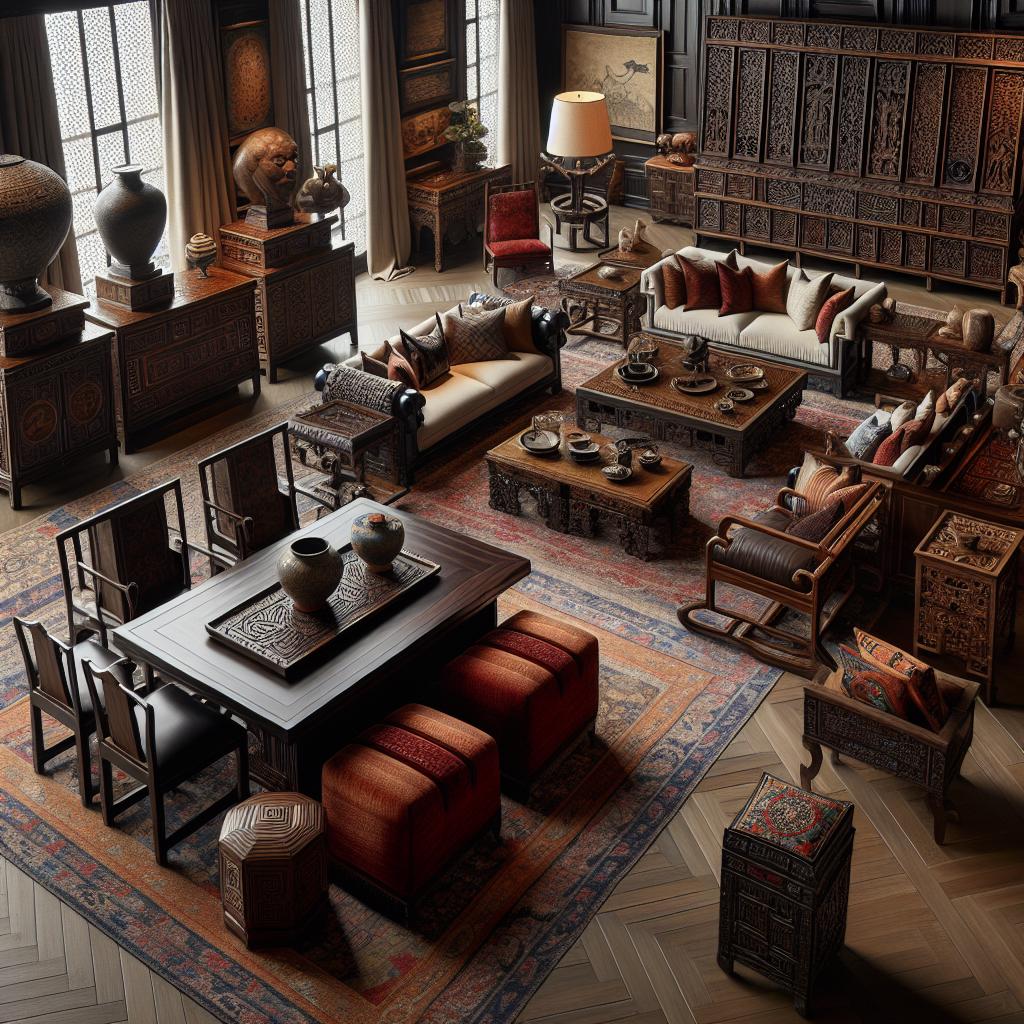
In recent years, the concept of “luxe locality” has taken the interior design world by storm, and it’s not hard to see why. At its core, luxe locality is all about embracing the unique characteristics and craftsmanship of local artisans and materials, creating a sense of place and authenticity in our homes. As we become more conscious of our environmental footprint, sustainability has naturally woven itself into this trend, making it a key factor in furniture selection. But how exactly does sustainability play a role in luxe locality, and why should we care?
To begin with, choosing locally sourced furniture significantly reduces the carbon footprint associated with transportation. When we opt for pieces crafted by local artisans, we’re not only supporting the local economy but also minimizing the environmental impact of shipping goods across long distances. This is a win-win situation, as it allows us to enjoy beautifully crafted furniture while also doing our part for the planet. Moreover, local artisans often have a deep understanding of the materials available in their region, allowing them to create pieces that are not only stunning but also sustainable.
In addition to reducing transportation emissions, luxe locality encourages the use of sustainable materials. Many local artisans prioritize using responsibly sourced wood, reclaimed materials, or even innovative eco-friendly alternatives. By selecting furniture made from these materials, we contribute to the preservation of natural resources and help reduce deforestation. Furthermore, these sustainable materials often come with their own unique stories and characteristics, adding an extra layer of charm and individuality to our homes.
Another aspect of sustainability in luxe locality is the emphasis on quality over quantity. In a world where fast furniture is all too common, investing in well-crafted, durable pieces is a refreshing change. Local artisans take pride in their work, often using traditional techniques passed down through generations. This dedication to craftsmanship results in furniture that not only stands the test of time but also becomes a cherished part of our homes. By choosing quality over quantity, we reduce the need for frequent replacements, ultimately decreasing waste and promoting a more sustainable lifestyle.
Moreover, luxe locality encourages us to think about the lifecycle of our furniture. When we invest in pieces that are built to last, we naturally become more mindful of their care and maintenance. This mindset extends to the end of a piece’s life, prompting us to consider options such as repurposing, donating, or recycling rather than simply discarding. In this way, luxe locality fosters a more sustainable approach to furniture consumption, encouraging us to be thoughtful and intentional in our choices.
Finally, embracing luxe locality and sustainability in our furniture choices allows us to create spaces that truly reflect our values and personalities. By surrounding ourselves with pieces that have a story and a connection to our local community, we cultivate a sense of belonging and pride in our homes. This connection to place and purpose not only enhances our living spaces but also enriches our lives.
In conclusion, the role of sustainability in luxe locality furniture choices is multifaceted and deeply intertwined with the values of authenticity, quality, and environmental responsibility. By embracing this approach, we can create beautiful, meaningful spaces that honor both our local communities and the planet. So, the next time you’re in the market for a new piece of furniture, consider the impact of your choices and the story behind each piece. You might just find that luxe locality is the perfect blend of style, sustainability, and soul.
Craftsmanship and Heritage: Key Elements of Luxe Locality
In recent years, there’s been a noticeable shift in how people approach furniture selection, with a growing emphasis on craftsmanship and heritage. This trend, often referred to as “luxe locality,” celebrates the unique stories and skills embedded in locally crafted pieces. It’s not just about filling a space with beautiful items; it’s about connecting with the origins of those pieces and appreciating the artistry that goes into their creation. As we delve into this fascinating world, it’s clear that provenance plays a crucial role in shaping our choices and enhancing our living spaces.
To begin with, the allure of luxe locality lies in its ability to offer something truly special. When you choose furniture that has been crafted with care and attention to detail, you’re not just buying an object; you’re investing in a piece of art that carries the legacy of its maker. This connection to the creator and their craft adds a layer of depth and meaning to your home, transforming it into a space that tells a story. Moreover, knowing the origins of your furniture can foster a sense of pride and satisfaction, as you become part of a larger narrative that values tradition and skill.
Furthermore, embracing provenance in furniture selection often means supporting local artisans and communities. By choosing pieces that are made locally, you’re contributing to the preservation of traditional crafts and techniques that might otherwise be lost in a world dominated by mass production. This support not only helps sustain local economies but also encourages the continuation of age-old practices that have been passed down through generations. In this way, luxe locality becomes a celebration of cultural heritage, allowing us to honor the past while creating a more sustainable future.
In addition to the cultural and economic benefits, there’s also an undeniable environmental advantage to selecting locally crafted furniture. Mass-produced items often involve long supply chains and significant carbon footprints, whereas locally made pieces typically require fewer resources and less transportation. By opting for furniture with a known provenance, you’re making a conscious choice to reduce your environmental impact and promote more sustainable living practices. This alignment with eco-friendly values is increasingly important to many consumers, who are seeking ways to make their homes not only beautiful but also responsible.
As we continue to explore the concept of luxe locality, it’s important to recognize the role of craftsmanship in elevating the quality and uniqueness of furniture. Skilled artisans bring their expertise and passion to each piece, ensuring that it stands out from the crowd. This dedication to excellence is evident in the intricate details, the choice of materials, and the overall design, all of which contribute to the piece’s character and charm. When you choose furniture that embodies these qualities, you’re not just enhancing your home; you’re creating an environment that reflects your appreciation for artistry and authenticity.
In conclusion, the trend of luxe locality in furniture selection is more than just a passing fad; it’s a meaningful movement that celebrates craftsmanship, heritage, and sustainability. By embracing provenance, we can enrich our living spaces with pieces that tell a story, support local communities, and align with our values. As we continue to seek out furniture that resonates with us on a deeper level, we are reminded of the importance of honoring the past while looking towards a more thoughtful and connected future.
Luxe Locality: A Guide to Curating a Provenance-Inspired Home
In recent years, the concept of provenance has become a buzzword in the world of interior design, particularly when it comes to furniture selection. Embracing provenance means appreciating the origin and history of the pieces you choose to bring into your home. This approach not only adds a layer of storytelling to your space but also supports local artisans and sustainable practices. As we delve into the idea of luxe locality, it’s important to understand how this trend can transform your home into a curated haven that reflects both style and substance.
To begin with, provenance-inspired furniture selection is all about celebrating the unique characteristics of your local area. By sourcing pieces from local craftsmen, you’re not only investing in high-quality, handmade items but also contributing to the preservation of traditional skills and techniques. This connection to the local community adds a personal touch to your home, making it feel more authentic and grounded. Moreover, when you choose furniture with a story, you’re inviting a sense of history and culture into your living space, which can spark interesting conversations and create a deeper connection with your surroundings.
Transitioning from mass-produced items to locally crafted pieces might seem daunting at first, but it’s easier than you might think. Start by exploring local markets, galleries, and workshops to discover artisans who specialize in creating unique furniture. These makers often have fascinating stories about their craft, which can add an extra layer of meaning to the pieces you choose. Additionally, many local artisans are open to custom orders, allowing you to collaborate on designs that perfectly fit your space and style preferences. This bespoke approach ensures that each piece is not only beautiful but also functional and tailored to your needs.
Furthermore, embracing provenance in your furniture selection encourages sustainable living. By choosing locally made items, you’re reducing the carbon footprint associated with transporting goods from distant locations. This eco-friendly approach aligns with the growing awareness of environmental issues and the desire to make more conscious choices in our daily lives. In addition, many local artisans prioritize using sustainable materials and practices, further enhancing the positive impact of your furniture choices.
As you curate your provenance-inspired home, consider mixing and matching different styles and eras to create a space that feels both eclectic and cohesive. This approach allows you to showcase the diversity of your local area while also reflecting your personal taste. For instance, pairing a mid-century modern chair with a rustic wooden table can create an interesting contrast that highlights the unique qualities of each piece. By blending different elements, you’re not only creating a visually appealing space but also telling a story that is uniquely yours.
In conclusion, embracing luxe locality in your furniture selection is a rewarding journey that combines style, sustainability, and storytelling. By choosing pieces with provenance, you’re not only enhancing the aesthetic appeal of your home but also supporting local artisans and contributing to a more sustainable future. As you explore the world of provenance-inspired design, remember that each piece you select is an opportunity to connect with your community and create a home that truly reflects who you are. So, take the plunge and start curating a space that celebrates the beauty and richness of your local area, one piece of furniture at a time.
Conclusion
Luxe Locality: Embracing Provenance in Furniture Selection highlights the growing consumer trend towards valuing the origin and authenticity of furniture pieces. This approach emphasizes the importance of understanding the history, craftsmanship, and materials that define each item, fostering a deeper connection between the consumer and their purchase. By prioritizing provenance, consumers not only support local artisans and sustainable practices but also curate spaces that reflect personal stories and cultural heritage. This movement towards provenance in furniture selection underscores a broader shift towards mindful consumption, where quality and narrative take precedence over mass production and anonymity.