Haute Hydration: Luxury Water Features for Interior Spaces
August 27, 2024
Ergonomic Opulence: Where Comfort Meets High-End Design
September 3, 2024
-
Table of Contents
- Introduction
- Understanding The Basics: Mixing Metals In Interior Design
- The Do’s And Don’ts Of Combining Metallic Finishes
- Creating Harmony: Balancing Warm And Cool Metal Tones
- Statement Pieces: Using Mixed Metals For Luxe Accents
- Modern Elegance: Incorporating Mixed Metals In Contemporary Spaces
- Conclusion
Introduction
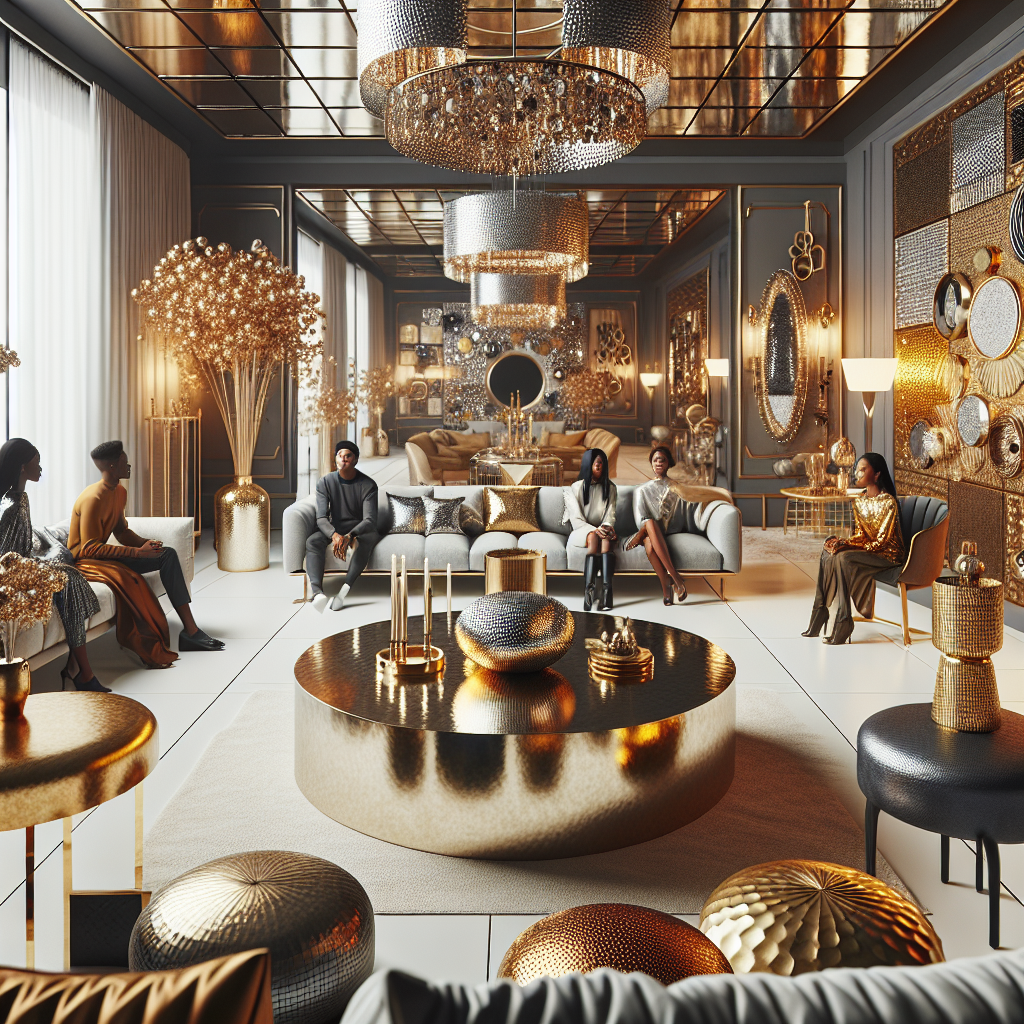
Mixing metals in interior design has emerged as a sophisticated trend, redefining the boundaries of luxury home decor. This approach blends various metallic finishes—such as gold, silver, brass, and copper—to create dynamic and visually captivating spaces. The new rules of luxe interior accents emphasize balance and harmony, encouraging the thoughtful combination of warm and cool tones to enhance depth and texture. By skillfully integrating different metals, designers can craft unique environments that exude elegance and modernity, transforming ordinary rooms into extraordinary showcases of style and opulence.
Understanding The Basics: Mixing Metals In Interior Design
Mixing metals in interior design has become a trend that’s here to stay, and for good reason. Gone are the days when matching every metal finish in a room was the golden rule. Today, the art of mixing metals is all about creating a harmonious balance that adds depth, character, and a touch of luxury to any space. If you’re new to this concept, don’t worry—understanding the basics of mixing metals is easier than you might think.
First and foremost, it’s important to embrace the idea that not everything has to match perfectly. In fact, the beauty of mixing metals lies in the contrast and variety it brings to a room. Think of it as a way to add layers and interest, much like you would with textures or colors. For instance, pairing warm metals like brass or gold with cooler ones like chrome or silver can create a dynamic and visually appealing environment. The key is to find a balance that feels intentional rather than haphazard.
One of the best ways to start mixing metals is by choosing a dominant metal to anchor the space. This could be the finish of your light fixtures, cabinet hardware, or even a statement piece of furniture. Once you have your primary metal, you can introduce one or two additional metals as accents. This approach helps maintain a cohesive look while still allowing for variety. For example, if you have a brass chandelier, you might consider incorporating silver picture frames or a copper vase to complement it.
When mixing metals, it’s also crucial to consider the overall color palette of the room. Metals can have different undertones—some are warm, while others are cool. By aligning your metal choices with the room’s color scheme, you can ensure that everything works together seamlessly. For instance, if your room features warm earth tones, incorporating metals with similar warm undertones, like gold or bronze, can enhance the overall aesthetic. Conversely, if your space is dominated by cooler hues, metals like chrome or nickel might be more appropriate.
Texture plays a significant role in mixing metals as well. Different finishes, such as matte, polished, or hammered, can add another layer of interest to your design. Mixing these textures can prevent the metals from feeling too uniform and can contribute to a more sophisticated look. For example, a polished silver lamp paired with a matte black metal table can create a striking contrast that draws the eye.
Another tip to keep in mind is to distribute the metals evenly throughout the space. This helps create a sense of balance and ensures that no single metal overwhelms the room. You might achieve this by incorporating metal accents in various forms, such as light fixtures, hardware, decorative objects, or even artwork. By spreading these elements throughout the room, you create a cohesive look that feels thoughtfully curated.
Ultimately, mixing metals in interior design is about experimentation and personal expression. Don’t be afraid to try different combinations until you find what resonates with you. Remember, the goal is to create a space that feels both luxurious and inviting. By understanding the basics and following these guidelines, you can confidently mix metals to elevate your interior design and make your home truly shine.
The Do’s And Don’ts Of Combining Metallic Finishes
Mixing metals in interior design has become a chic way to add depth and character to a space, but it can be a bit daunting if you’re not sure where to start. The good news is that the rules have evolved, and it’s easier than ever to create a harmonious look by combining different metallic finishes. Let’s dive into the do’s and don’ts of this stylish trend, so you can confidently incorporate it into your home.
First and foremost, do embrace variety. Mixing metals is all about creating contrast and interest, so don’t be afraid to combine different finishes like brass, chrome, and copper. The key is to ensure that these metals complement each other rather than clash. For instance, pairing warm metals like brass and gold with cooler tones like silver and chrome can create a balanced and sophisticated look. However, it’s important to avoid overdoing it. Don’t mix too many different metals in one space, as this can lead to a chaotic and disjointed appearance. Instead, aim for a cohesive blend by sticking to two or three different finishes.
Another important aspect to consider is the color palette of your room. Do use your existing color scheme as a guide when selecting metallic accents. Metals can act as a neutral element, but they also have undertones that can either enhance or detract from your overall design. For example, if your room features cool colors like blues and grays, silver and chrome accents will naturally complement the space. On the other hand, if your room is filled with warm hues like reds and yellows, gold and brass will add a touch of warmth and elegance. Don’t forget to consider the textures and materials in your room as well. Mixing metals works best when there’s a variety of textures to play off of, such as wood, glass, or fabric.
When it comes to placement, do distribute metallic finishes evenly throughout the room. This helps to create a sense of balance and ensures that no single metal overpowers the others. For instance, if you have a brass light fixture, consider incorporating brass elements in other areas, such as picture frames or decorative objects. This repetition will tie the room together and create a cohesive look. However, don’t feel like you have to match every metal in the room. It’s perfectly fine to have a standout piece, like a statement chandelier or a bold piece of art, that features a different metal finish. This can add an unexpected twist and serve as a focal point in the space.
Finally, do trust your instincts and have fun with the process. Mixing metals is an opportunity to express your personal style and experiment with different combinations. Don’t be afraid to try something new or step outside of your comfort zone. Remember, the goal is to create a space that feels both stylish and inviting. By following these guidelines and trusting your intuition, you’ll be well on your way to mastering the art of mixing metals in your home. So go ahead, embrace the trend, and watch as your interiors transform into a luxurious haven of metallic harmony.
Creating Harmony: Balancing Warm And Cool Metal Tones
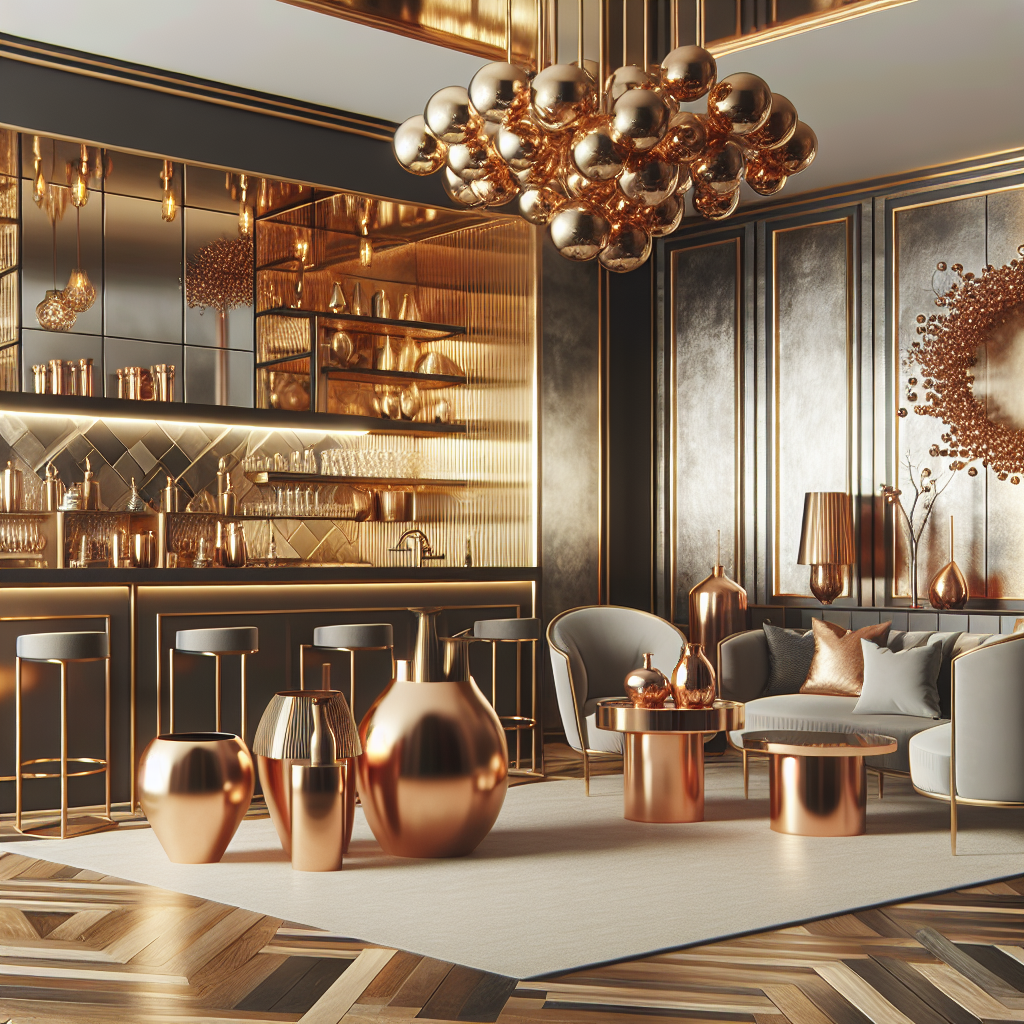
Mixing metals in interior design has become a trend that’s here to stay, offering a fresh and modern approach to home decor. Gone are the days when matching every metal finish was the golden rule. Today, the art of mixing metals is all about creating harmony and balance, especially when it comes to blending warm and cool tones. This approach not only adds depth and character to a space but also allows for a more personalized and eclectic look.
To start, it’s important to understand the basic categories of metal tones. Warm metals, such as brass, gold, and copper, bring a sense of coziness and richness to a room. They exude warmth and can make a space feel inviting and luxurious. On the other hand, cool metals like silver, chrome, and stainless steel offer a sleek, modern vibe. They are often associated with a clean, crisp aesthetic that can make a room feel more open and airy. The key to mixing these metals successfully lies in finding the right balance between the two.
One effective way to achieve this balance is by choosing a dominant metal tone and using the other as an accent. For instance, if you decide to make warm metals the star of the show, you might incorporate brass light fixtures or a gold-framed mirror as focal points. Then, you can sprinkle in cool metal accents, such as silver candle holders or a chrome side table, to add contrast and interest. This approach ensures that one metal doesn’t overpower the other, creating a cohesive and harmonious look.
Another strategy is to consider the color palette of the room. Warm metals pair beautifully with earthy tones, such as deep greens, rich browns, and soft creams. These colors enhance the warmth of the metals and create a cozy, inviting atmosphere. Conversely, cool metals work well with cooler color schemes, like blues, grays, and whites, which complement their sleekness and modernity. By aligning your metal choices with the room’s color palette, you can create a seamless and integrated design.
Texture also plays a crucial role in mixing metals. Combining different textures can add depth and dimension to a space, making it feel more dynamic and layered. For example, a matte black metal lamp can contrast beautifully with a shiny brass vase, while a hammered copper bowl can add an artisanal touch next to a polished chrome tray. Mixing textures not only enhances the visual appeal but also adds a tactile element that invites interaction.
Moreover, it’s essential to consider the scale and proportion of the metal elements in the room. Large metal pieces, like a statement chandelier or a bold metal coffee table, can serve as anchors in the space, while smaller accents, such as drawer pulls or picture frames, can provide subtle touches of contrast. By varying the scale of metal elements, you can create a balanced composition that feels intentional and well-thought-out.
Ultimately, mixing metals is about experimentation and finding what resonates with your personal style. It’s an opportunity to break free from traditional design rules and embrace a more eclectic and individualized approach. So, don’t be afraid to play with different combinations and see what works best for your space. With a little creativity and an eye for balance, you can master the art of mixing metals and create a home that feels both luxurious and uniquely yours.
Statement Pieces: Using Mixed Metals For Luxe Accents
Mixing metals in interior design has become a hallmark of modern luxury, transforming spaces with a blend of sophistication and warmth. Gone are the days when matching every metal finish was the golden rule. Today, the art of mixing metals is about creating a harmonious balance that adds depth and character to any room. This trend is not just about throwing together different metallic finishes; it’s about thoughtfully combining them to create a cohesive and stylish look.
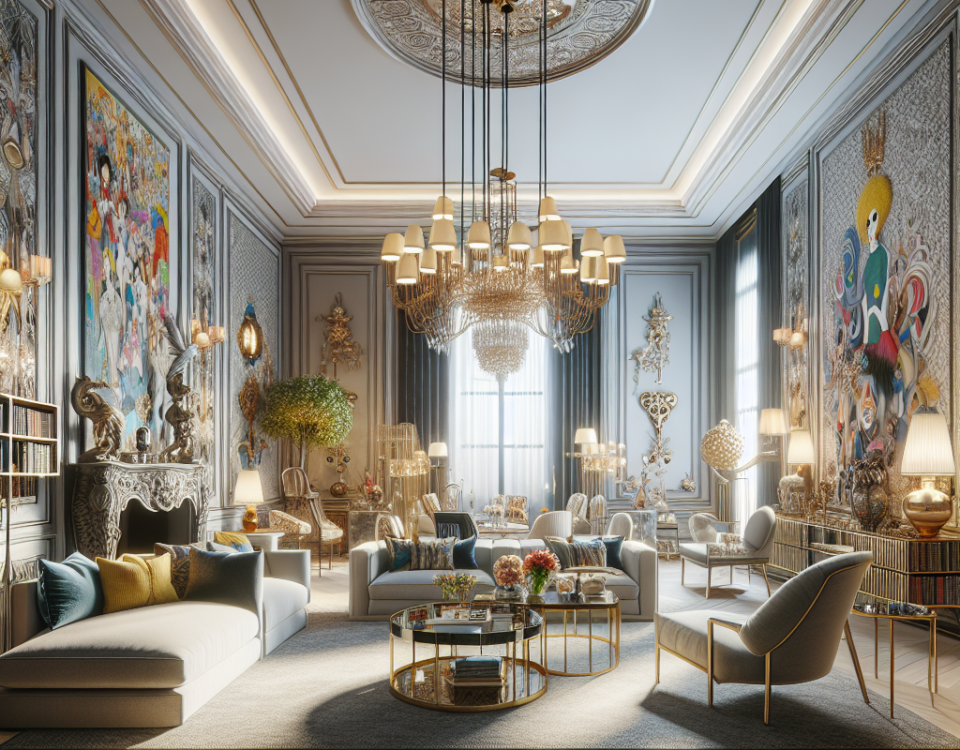
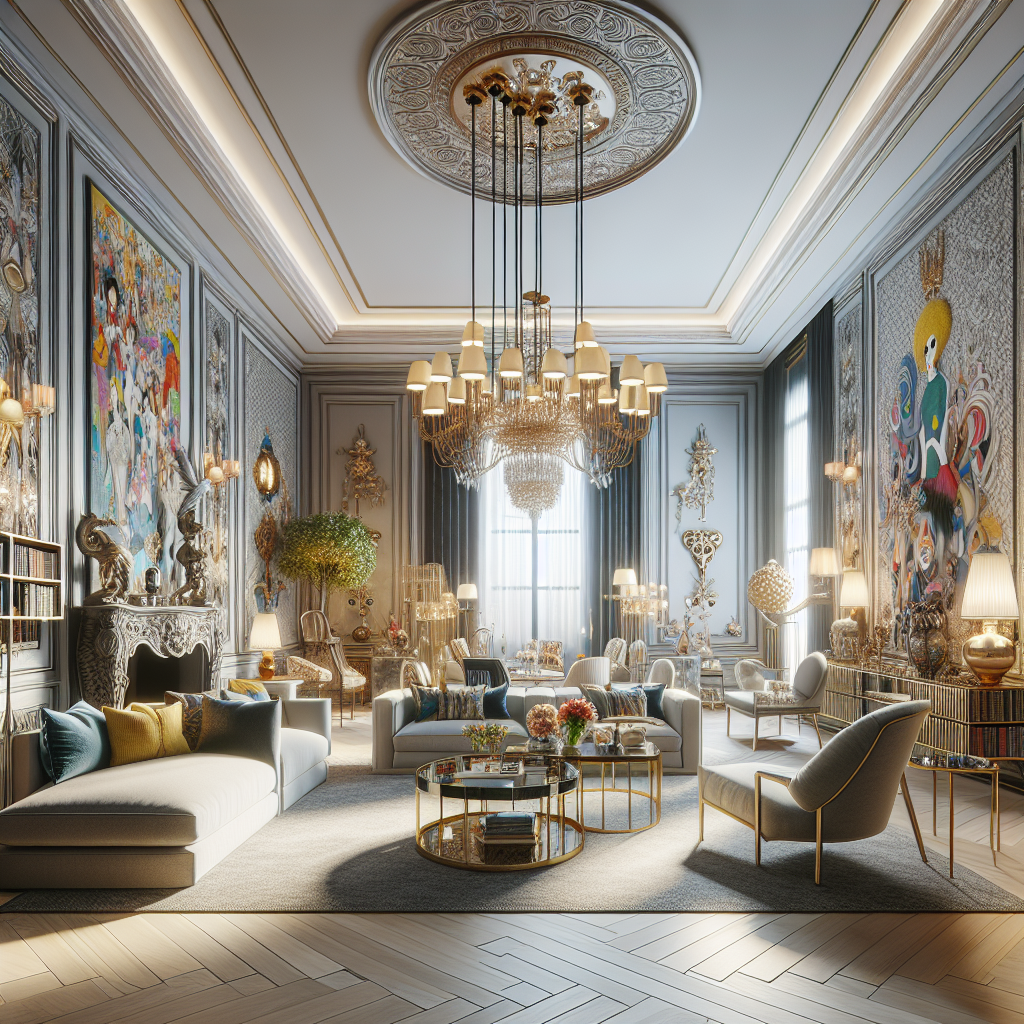
To start, consider the overall color palette of your space. Mixing metals works best when you have a neutral base, allowing the metallic accents to shine without overwhelming the room. For instance, a living room with soft gray walls and a plush cream sofa can be elevated with a combination of brass and chrome accents. The warm tones of brass add a touch of elegance, while the coolness of chrome introduces a modern edge. This interplay of warm and cool tones creates a dynamic yet balanced environment.
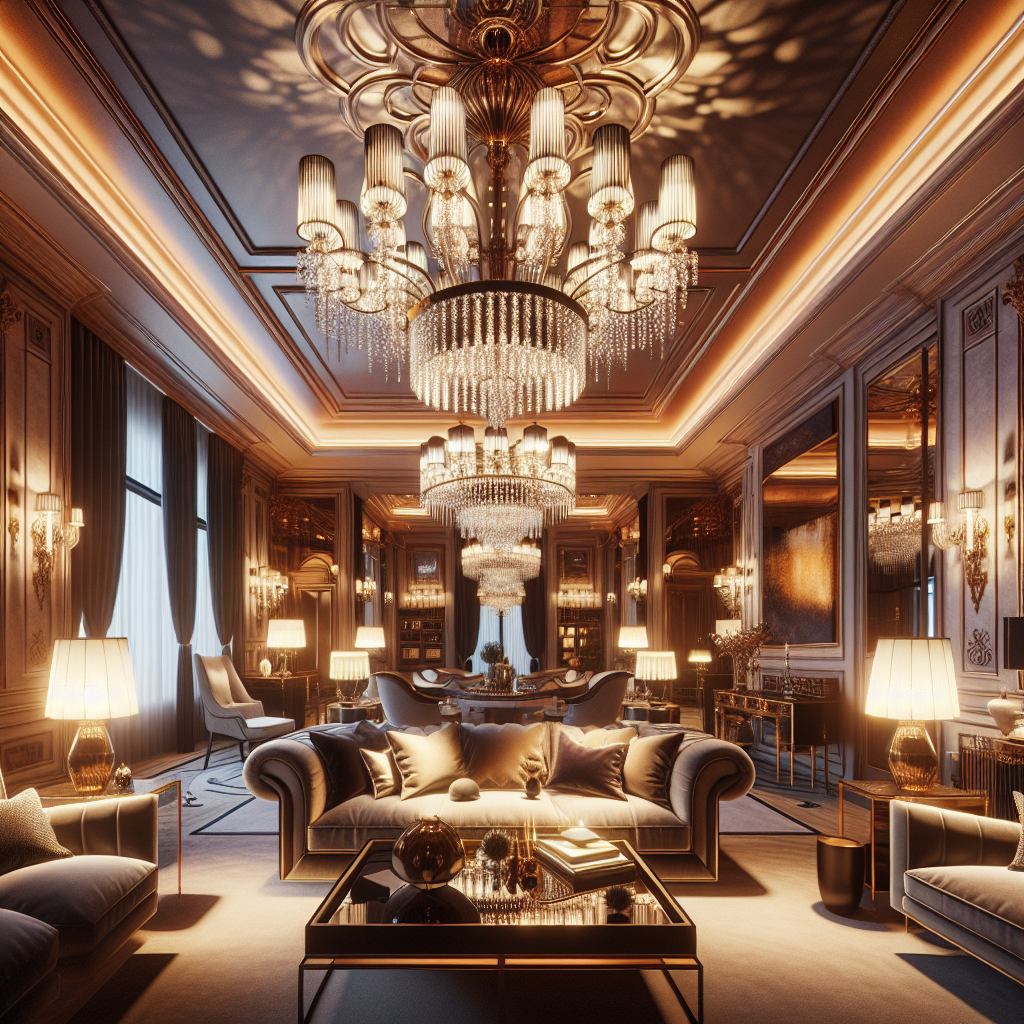
When mixing metals, it’s essential to choose a dominant metal to anchor the space. This dominant metal will serve as the primary finish, while the secondary metals act as accents. For example, if you choose brass as your dominant metal, you might incorporate it through larger pieces like a coffee table or a chandelier. Then, introduce smaller elements in complementary metals, such as silver or black iron, through picture frames or lamp bases. This approach ensures that the space feels intentional and curated rather than chaotic.
Another key to successfully mixing metals is to vary the textures and finishes. Combining polished, matte, and brushed finishes can add layers of interest and prevent the metals from clashing. A polished nickel faucet paired with a brushed brass mirror frame in a bathroom can create a stunning contrast that feels both luxurious and inviting. The different finishes catch the light in unique ways, adding depth and dimension to the space.
Incorporating mixed metals can also be a way to highlight architectural features or statement pieces. A grand staircase with wrought iron railings can be complemented by brass light fixtures, drawing attention to the craftsmanship and design of the space. Similarly, a kitchen with stainless steel appliances can be warmed up with copper pendant lights, creating a focal point that ties the room together.
It’s important to remember that mixing metals is not about following strict rules but rather about experimenting and finding what works best for your space. Start small if you’re unsure, perhaps by introducing mixed metal picture frames or decorative objects. As you become more comfortable, you can expand to larger pieces and more daring combinations.
Ultimately, the new rules of mixing metals in interior design are about embracing creativity and personal style. By thoughtfully combining different metallic finishes, you can create a space that feels both luxurious and uniquely yours. Whether you’re updating a single room or reimagining your entire home, mixing metals offers endless possibilities for adding luxe accents that make a statement. So, don’t be afraid to mix it up and let your personality shine through your design choices.
Modern Elegance: Incorporating Mixed Metals In Contemporary Spaces
Mixing metals in interior design has become a hallmark of modern elegance, offering a fresh and dynamic approach to decorating contemporary spaces. Gone are the days when matching every metal finish was the golden rule. Today, the art of blending different metallic tones is celebrated for its ability to add depth, character, and a touch of luxury to any room. As we explore this trend, it’s important to understand how to balance these elements to create a cohesive and stylish look.
To begin with, the key to successfully mixing metals lies in choosing a dominant metal to anchor the space. This primary metal will set the tone and serve as the foundation for other metallic accents. For instance, if you opt for a warm brass as your main metal, you can complement it with cooler tones like chrome or nickel. This contrast not only highlights the unique qualities of each metal but also adds visual interest and sophistication to the room.
Transitioning from one metal to another can be seamless if you consider the color palette of your space. Metals, much like colors, have undertones that can either clash or harmonize. Warm metals such as gold, brass, and copper pair beautifully with earthy tones and rich textures, while cool metals like silver, chrome, and stainless steel work well with sleek, modern designs and neutral shades. By aligning the undertones of your metals with the overall color scheme, you create a harmonious environment that feels intentional and well-curated.
Another important aspect to consider is the scale and proportion of the metal accents. Mixing metals doesn’t mean every piece in the room should be metallic. Instead, think of metals as accents that enhance the overall design. A statement light fixture in a bold metal finish can serve as a focal point, while smaller elements like picture frames, hardware, or decorative objects can subtly echo the metallic theme. This approach ensures that the metals complement rather than overwhelm the space.
Incorporating mixed metals also allows for a playful exploration of textures and finishes. Matte, polished, brushed, and hammered finishes each bring their own unique qualities to a room. By combining different textures, you add layers of complexity and intrigue. For example, a polished chrome lamp can stand out against a backdrop of brushed brass fixtures, creating a dynamic interplay of light and shadow.
Moreover, the versatility of mixed metals makes them suitable for any room in the house. In the kitchen, a combination of stainless steel appliances with brass cabinet handles can create a chic, industrial vibe. In the bathroom, mixing nickel faucets with bronze light fixtures can add a touch of vintage charm. Even in the living room, a blend of metallic tones in furniture legs, curtain rods, and decorative accessories can tie the space together beautifully.
Ultimately, the new rules of mixing metals in interior design encourage creativity and personal expression. There are no strict guidelines, only suggestions to help you find the right balance for your space. By experimenting with different combinations and trusting your instincts, you can create a home that reflects your unique style and exudes modern elegance. So, embrace the freedom to mix and match, and let your interiors shine with the luxe appeal of mixed metals.
Conclusion
Mixing metals in interior design has emerged as a sophisticated trend, offering a fresh approach to creating luxurious spaces. The new rules emphasize balance and harmony, encouraging the combination of different metal finishes such as brass, chrome, and copper to add depth and interest. By thoughtfully integrating various metallic elements, designers can achieve a layered and dynamic aesthetic that enhances the overall ambiance. The key is to maintain a cohesive look by considering the color palette, texture, and scale of the metals used. Ultimately, mixing metals allows for personalized and contemporary interiors that reflect both elegance and modernity.