Nostalgic Luxury: Comfort and Elegance in Vintage-Inspired Design
March 15, 2022
Luxe Locality: Embracing Provenance in Furniture Selection
March 29, 2022
-
Table of Contents
- Introduction
- Exploring Symmetry: The Key to Harmonious High-End Interiors
- The Role of Symmetry in Creating Luxurious Living Spaces
- Achieving Balance: Symmetry in Modern Interior Design
- Symmetry and Elegance: Designing Opulent Interiors
- The Art of Symmetry: Crafting Balanced High-End Homes
- Conclusion
Introduction
“The Power of Symmetry: Balance in High-End Interior Design” explores the transformative role of symmetry in creating harmonious and aesthetically pleasing spaces. In the realm of luxury interiors, symmetry is not merely a design choice but a fundamental principle that brings order, balance, and elegance to a room. This concept delves into how symmetrical arrangements can enhance the flow of a space, create focal points, and evoke a sense of tranquility and sophistication. By examining the interplay between architecture, furniture, and decor, this exploration reveals how symmetry serves as a timeless tool for designers to craft interiors that are both visually stunning and functionally balanced.
Exploring Symmetry: The Key to Harmonious High-End Interiors
When you step into a high-end interior space, there’s often an immediate sense of calm and order that envelops you. This feeling isn’t just a happy accident; it’s the result of careful planning and design, with symmetry playing a starring role. Symmetry, in the realm of interior design, is more than just a visual trick—it’s a fundamental principle that brings balance and harmony to a space, making it feel both luxurious and inviting.
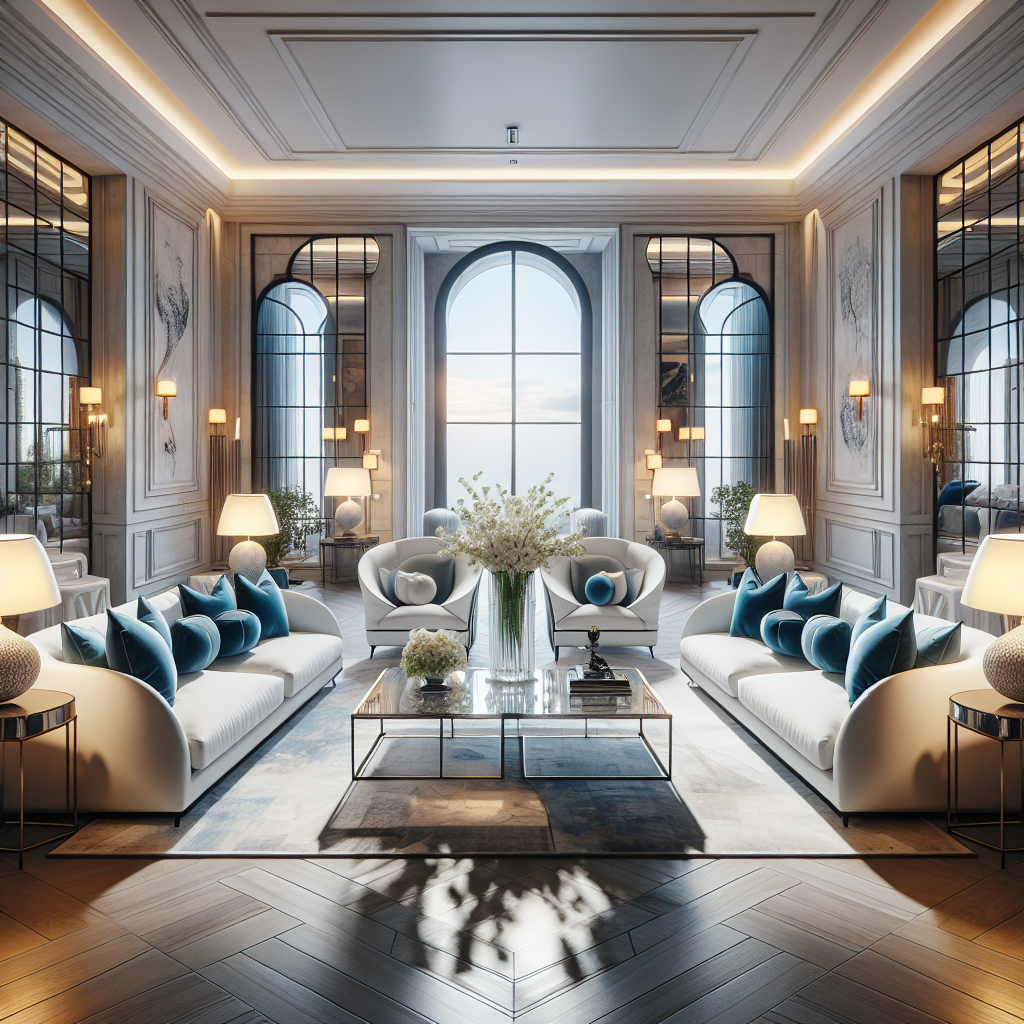
At its core, symmetry is about creating a sense of balance. This can be achieved by arranging elements in a space so that they mirror each other, either along a central axis or around a central point. Think of a grand living room with matching sofas facing each other, flanked by identical side tables and lamps. This kind of arrangement not only pleases the eye but also creates a sense of order and stability. It’s like a visual sigh of relief, where everything feels just right.
However, symmetry in high-end interior design isn’t about rigidly sticking to perfect mirror images. It’s more about achieving a harmonious balance that feels natural and effortless. For instance, you might have a large piece of artwork on one side of a room balanced by a cluster of smaller frames on the opposite wall. The key is to maintain a visual equilibrium that feels cohesive and intentional, rather than forced or overly contrived.
Moreover, symmetry can be a powerful tool in highlighting architectural features. In a room with a stunning fireplace, for example, arranging furniture symmetrically around it can draw attention to this focal point, enhancing its impact. Similarly, in a dining room, a symmetrical arrangement of chairs around a table can emphasize the table’s centrality, making it the heart of the space.
Transitioning from the visual to the emotional, symmetry also plays a role in how a space makes us feel. A well-balanced room can evoke feelings of peace and relaxation, which is particularly important in high-end interiors where comfort and luxury go hand in hand. When everything is in its right place, there’s a sense of completeness that allows us to unwind and enjoy the space fully.
Yet, it’s important to remember that symmetry doesn’t have to mean monotony. In fact, the best high-end interiors often play with symmetry and asymmetry to create dynamic and interesting spaces. For example, a room might have a symmetrical layout but feature an asymmetrical piece of art or a unique light fixture that adds a touch of surprise and intrigue. This interplay keeps the design fresh and engaging, preventing it from feeling too predictable.
In conclusion, the power of symmetry in high-end interior design lies in its ability to create balance and harmony, making spaces feel both luxurious and welcoming. By thoughtfully arranging elements to achieve visual equilibrium, designers can craft interiors that not only look stunning but also feel comfortable and inviting. So, the next time you find yourself in a beautifully designed space, take a moment to appreciate the subtle art of symmetry at work, quietly orchestrating a sense of order and elegance that makes the space truly special.
The Role of Symmetry in Creating Luxurious Living Spaces
When you step into a luxurious living space, there’s often an immediate sense of calm and order that washes over you. This feeling isn’t just a happy accident; it’s often the result of carefully planned symmetry. In high-end interior design, symmetry plays a crucial role in creating spaces that are not only visually appealing but also harmonious and balanced. It’s like the secret sauce that ties everything together, making a room feel complete and inviting.
Symmetry, at its core, is about balance. It’s the art of arranging elements so that they mirror each other, creating a sense of equilibrium. This doesn’t mean everything has to be perfectly matched or mirrored, but rather that there’s a thoughtful distribution of visual weight. For instance, imagine a grand living room with a stunning fireplace as its focal point. On either side of the fireplace, you might find matching armchairs or a pair of identical lamps. This kind of arrangement draws the eye naturally to the center, creating a focal point that feels both intentional and soothing.
But why does symmetry have such a powerful impact on our perception of space? Well, it turns out that our brains are hardwired to appreciate balance. Symmetrical designs are easier for us to process, which is why they often feel more pleasing and less chaotic. This is particularly important in high-end interior design, where the goal is to create an environment that feels both luxurious and comfortable. By incorporating symmetry, designers can craft spaces that are not only beautiful but also easy to navigate and enjoy.
Of course, achieving symmetry in interior design doesn’t mean everything has to be perfectly matched. In fact, too much uniformity can sometimes feel sterile or uninspired. The trick is to find a balance between symmetry and variety. For example, you might have a pair of matching sofas facing each other in a living room, but add interest with different throw pillows or a unique coffee table in between. This approach maintains the overall sense of balance while introducing elements of surprise and personality.
Moreover, symmetry can be used to highlight architectural features or draw attention to specific areas within a room. In a dining room, for instance, a large, symmetrical chandelier centered over the dining table can create a sense of grandeur and focus. Similarly, in a bedroom, placing matching nightstands and lamps on either side of the bed can frame the space beautifully, making it feel more cohesive and inviting.
In high-end interior design, symmetry is often paired with other design principles, such as proportion and scale, to create spaces that are not only balanced but also dynamic and engaging. By considering how different elements relate to one another, designers can craft environments that feel both luxurious and livable. It’s about creating a dialogue between the various components of a room, ensuring that everything works together in harmony.
Ultimately, the power of symmetry in interior design lies in its ability to create spaces that feel both elegant and effortless. It’s a tool that, when used thoughtfully, can transform a room into a sanctuary of style and comfort. So, the next time you find yourself admiring a beautifully designed space, take a moment to appreciate the subtle balance at play. Chances are, symmetry is working its magic, making everything feel just right.
Achieving Balance: Symmetry in Modern Interior Design
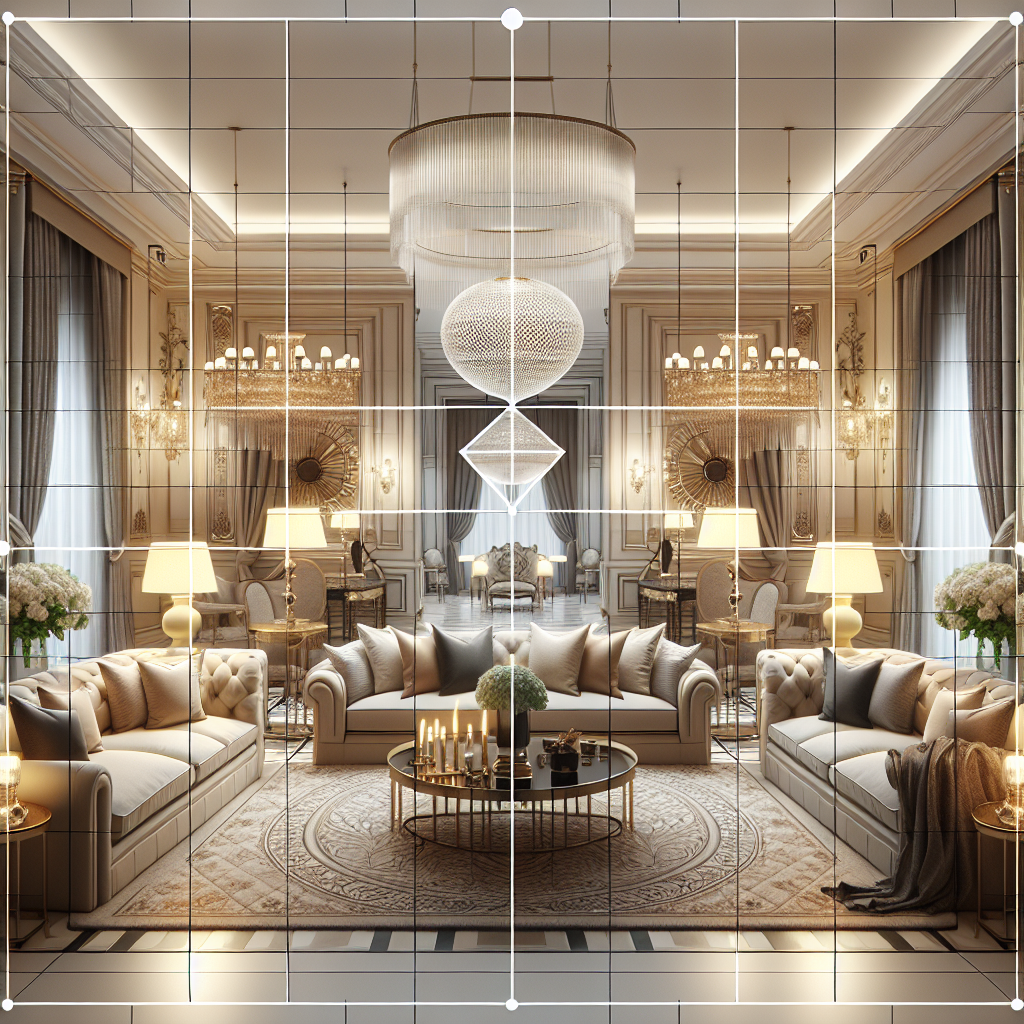
Symmetry has long been a cornerstone of design, offering a sense of balance and harmony that is both visually appealing and psychologically comforting. In the realm of high-end interior design, symmetry plays a crucial role in creating spaces that are not only aesthetically pleasing but also functional and inviting. As we delve into the world of modern interior design, it becomes evident that achieving balance through symmetry is an art form that requires a keen eye and a thoughtful approach.
To begin with, symmetry in interior design is all about creating a sense of equilibrium. This can be achieved by arranging elements in a space so that they mirror each other, either along a central axis or through a more subtle, radial balance. For instance, placing two identical armchairs on either side of a coffee table or hanging matching artwork on opposite walls can instantly create a sense of order and calm. This kind of arrangement not only pleases the eye but also makes a room feel more cohesive and put-together.
Moreover, symmetry is not just about mirroring objects; it’s also about balancing different elements within a space. This includes considering the distribution of colors, textures, and materials. For example, if you have a bold, colorful rug on one side of the room, you might balance it with a similarly vibrant piece of art on the opposite wall. This creates a visual dialogue between the elements, ensuring that no single part of the room feels overwhelming or out of place.
In addition to visual balance, symmetry can also enhance the functionality of a space. By arranging furniture and decor in a symmetrical manner, you can create clear pathways and focal points that guide the flow of movement within a room. This is particularly important in high-end interior design, where the goal is often to create spaces that are both luxurious and livable. A well-balanced room invites people to linger and enjoy their surroundings, making it perfect for entertaining guests or simply relaxing at home.
However, it’s important to note that symmetry doesn’t have to be rigid or predictable. In fact, some of the most stunning interiors achieve balance through a mix of symmetrical and asymmetrical elements. This approach allows for a more dynamic and interesting space, where the eye is drawn to different areas without feeling overwhelmed. For instance, you might pair a symmetrical furniture layout with an asymmetrical arrangement of accessories or lighting fixtures. This creates a sense of movement and energy, while still maintaining an overall sense of harmony.
Furthermore, symmetry can be used to highlight architectural features and draw attention to specific areas within a room. By framing a fireplace with matching bookcases or placing identical sconces on either side of a doorway, you can emphasize these elements and make them stand out as focal points. This not only enhances the overall design but also adds a touch of elegance and sophistication to the space.
In conclusion, the power of symmetry in high-end interior design lies in its ability to create balance and harmony, both visually and functionally. By thoughtfully arranging elements within a space, designers can craft environments that are not only beautiful but also inviting and comfortable. Whether through traditional mirroring techniques or a more nuanced blend of symmetrical and asymmetrical elements, achieving balance in modern interior design is an art that continues to captivate and inspire.
Symmetry and Elegance: Designing Opulent Interiors
When you step into a room that exudes elegance and sophistication, there’s often an underlying element that ties everything together seamlessly: symmetry. In high-end interior design, symmetry is not just a design principle; it’s an art form that brings balance and harmony to a space. Imagine walking into a grand living room where every piece of furniture, every accessory, and every architectural detail is thoughtfully placed to create a mirror-like effect. This is the power of symmetry at work, and it can transform any space into a sanctuary of opulence.
Symmetry in interior design is all about creating a sense of order and balance. It involves arranging elements in a way that they reflect each other, either along a central axis or around a central point. This doesn’t mean everything has to be identical, but rather that there is a harmonious relationship between the elements. For instance, you might have two matching armchairs flanking a fireplace, with a beautiful piece of art hanging above it. This setup not only draws the eye but also creates a sense of calm and stability.
One of the reasons symmetry is so effective in high-end interiors is that it appeals to our innate sense of order. Our brains are naturally wired to appreciate balance, and when we encounter it in a space, it feels right. This is why symmetrical designs often evoke feelings of luxury and refinement. They provide a visual rhythm that is both pleasing and reassuring, making the space feel more inviting and comfortable.
Moreover, symmetry can be a powerful tool in highlighting architectural features. In a room with a stunning view, for example, arranging furniture symmetrically can frame the view, drawing attention to it and enhancing its impact. Similarly, in a space with a beautiful ceiling or intricate moldings, a symmetrical layout can emphasize these features, making them the focal point of the room.
However, achieving perfect symmetry doesn’t mean sacrificing creativity or personality. In fact, the best high-end interiors use symmetry as a foundation, upon which layers of texture, color, and unique elements are added. This is where the magic happens. By introducing asymmetrical elements, such as a bold piece of art or an eclectic mix of accessories, you can create a dynamic tension that adds interest and depth to the space. It’s all about finding the right balance between order and creativity.
Incorporating symmetry into your design doesn’t have to be daunting. Start with the larger elements, like furniture placement, and then work your way down to smaller details, such as lighting and decor. Use symmetry to guide your choices, but don’t be afraid to experiment and let your personal style shine through. After all, the most beautiful spaces are those that reflect the personality and taste of their inhabitants.
In conclusion, symmetry is a powerful tool in high-end interior design, offering a sense of balance and elegance that is both timeless and sophisticated. By understanding and embracing this principle, you can create spaces that are not only visually stunning but also deeply comforting and inviting. So next time you’re designing a room, consider the power of symmetry and let it guide you in creating a space that is truly opulent.
The Art of Symmetry: Crafting Balanced High-End Homes
Symmetry has long been a cornerstone of design, offering a sense of balance and harmony that is both visually pleasing and emotionally comforting. In the realm of high-end interior design, symmetry plays a crucial role in crafting spaces that exude elegance and sophistication. As you step into a well-designed room, the subtle power of symmetry can be felt immediately, creating an environment that feels both inviting and serene. This is not just about matching furniture or decor; it’s about creating a cohesive space where every element is thoughtfully placed to contribute to the overall aesthetic.
To begin with, symmetry in interior design often starts with the architecture of the space itself. Think of grand entryways with double doors, or living rooms with perfectly aligned windows that frame a stunning view. These architectural elements set the stage for a balanced design, providing a natural framework that designers can build upon. However, achieving symmetry is not solely about mirroring elements on either side of a room. It’s about creating a sense of equilibrium that can be both literal and interpretive. For instance, a room might feature a large, commanding fireplace as a central focal point, with seating arrangements and decor elements radiating outwards in a balanced manner.
Moreover, symmetry can be achieved through the careful selection and placement of furniture. In high-end homes, this often means choosing pieces that complement each other in size, shape, and style. A pair of matching armchairs flanking a coffee table, or twin lamps on either side of a sofa, can create a sense of order and refinement. Yet, it’s important to remember that symmetry doesn’t have to be rigid. Incorporating asymmetrical elements, such as a unique piece of art or an eclectic mix of textures, can add interest and depth to a space while still maintaining an overall sense of balance.
In addition to furniture, accessories play a vital role in achieving symmetry. Consider the impact of a well-placed mirror, which not only reflects light but also creates the illusion of additional space, enhancing the room’s symmetry. Similarly, the use of color and pattern can contribute to a balanced design. A neutral color palette with pops of color strategically placed throughout the room can draw the eye and create a harmonious flow. Patterns, whether in textiles or wallpaper, can also be used to reinforce symmetry, guiding the viewer’s gaze in a deliberate manner.
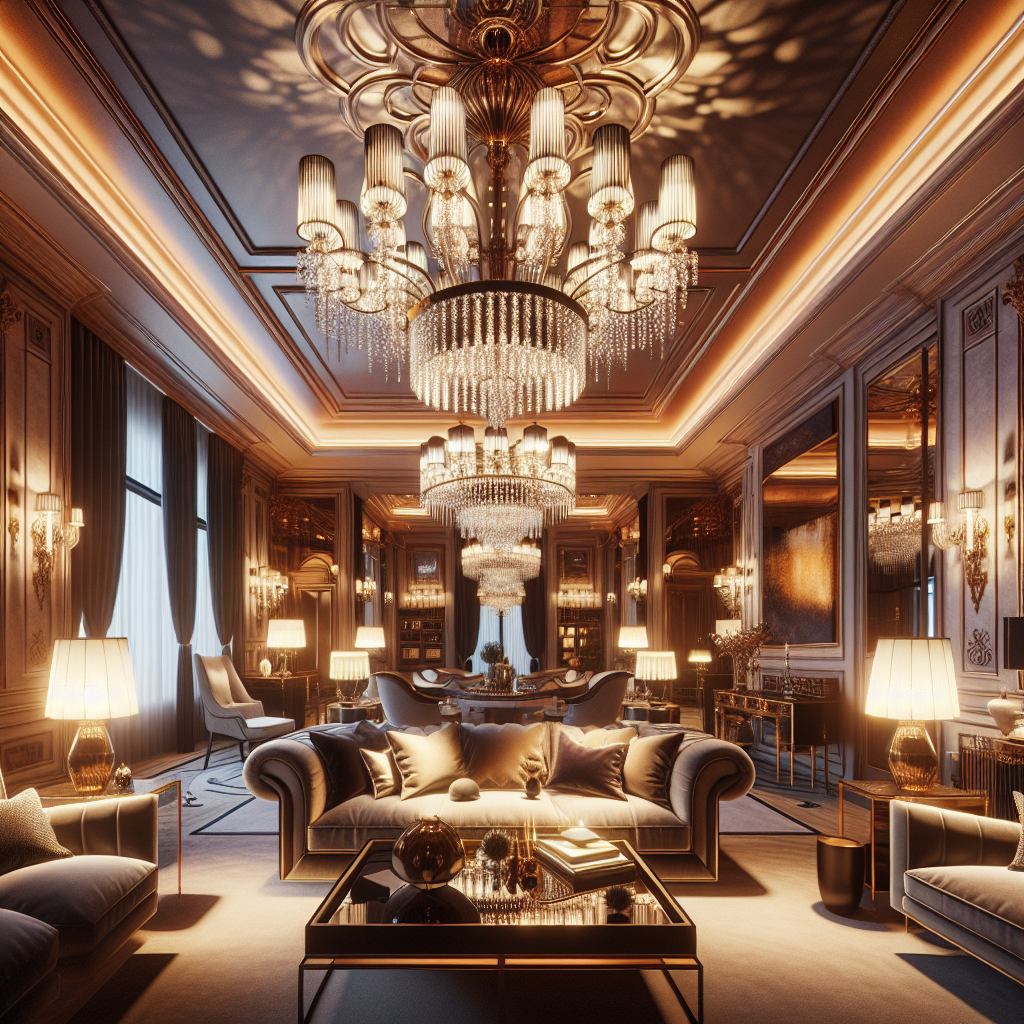
Lighting is another crucial element in the art of symmetry. In high-end interiors, lighting is often layered to create depth and dimension. Symmetrical lighting fixtures, such as chandeliers or pendant lights, can serve as focal points, while strategically placed lamps and sconces provide additional layers of light that enhance the room’s balance. The interplay of light and shadow can further accentuate the symmetry of a space, highlighting architectural features and design elements.
Ultimately, the power of symmetry in high-end interior design lies in its ability to create spaces that feel both luxurious and livable. By thoughtfully considering the placement of architectural elements, furniture, accessories, and lighting, designers can craft environments that are not only visually stunning but also deeply satisfying to inhabit. As you explore the world of high-end interiors, take note of the subtle ways in which symmetry is employed to create balance and harmony, transforming ordinary spaces into extraordinary homes.
Conclusion
The Power of Symmetry: Balance in High-End Interior Design underscores the critical role symmetry plays in creating harmonious and aesthetically pleasing spaces. In high-end interior design, symmetry is not merely about mirroring elements but involves a thoughtful arrangement that fosters balance, order, and tranquility. By employing symmetrical layouts, designers can enhance the visual appeal and functionality of a space, making it feel more inviting and cohesive. This approach often involves the strategic placement of furniture, art, and architectural features to create a sense of equilibrium. Ultimately, symmetry in interior design is a powerful tool that elevates the luxury and sophistication of a space, providing a timeless elegance that resonates with both the occupants and observers.