Neo-Baroque Minimalism: Ornate Simplicity in Modern Luxury
July 30, 2024
Tactile Topography: 3D Textured Surfaces in High-End Interiors
August 6, 2024
-
Table of Contents
- Introduction
- The Impact of Color Psychology on Luxury Interior Design Choices
- How Color Influences Mood and Perception in Upscale Spaces
- The Role of Color in Creating a Sense of Opulence and Elegance
- Using Color Psychology to Enhance the Aesthetic of High-End Interiors
- The Science Behind Color Selection in Luxury Home Design
- Conclusion
Introduction
The psychology of color in high-end interior design is a sophisticated exploration of how color influences human emotions, perceptions, and behaviors within luxurious spaces. In the realm of upscale interiors, color is not merely a visual element but a powerful tool that designers use to evoke specific moods, enhance spatial aesthetics, and reflect the personality and status of the inhabitants. By understanding the psychological impact of different hues, designers can create environments that not only captivate the eye but also resonate on a deeper emotional level. From the calming effects of soft blues and greens to the invigorating energy of bold reds and yellows, each color choice is meticulously curated to align with the desired ambiance and functionality of the space. In high-end design, where every detail matters, the strategic use of color becomes an art form, transforming interiors into harmonious sanctuaries that offer both visual delight and emotional comfort.
The Impact of Color Psychology on Luxury Interior Design Choices
When it comes to high-end interior design, the choices made are often a reflection of both personal taste and the psychological impact that certain elements can have on a space. One of the most influential aspects of design is color, which can dramatically alter the mood and perception of a room. Understanding the psychology of color can help in making informed decisions that not only enhance the aesthetic appeal but also evoke the desired emotional response.
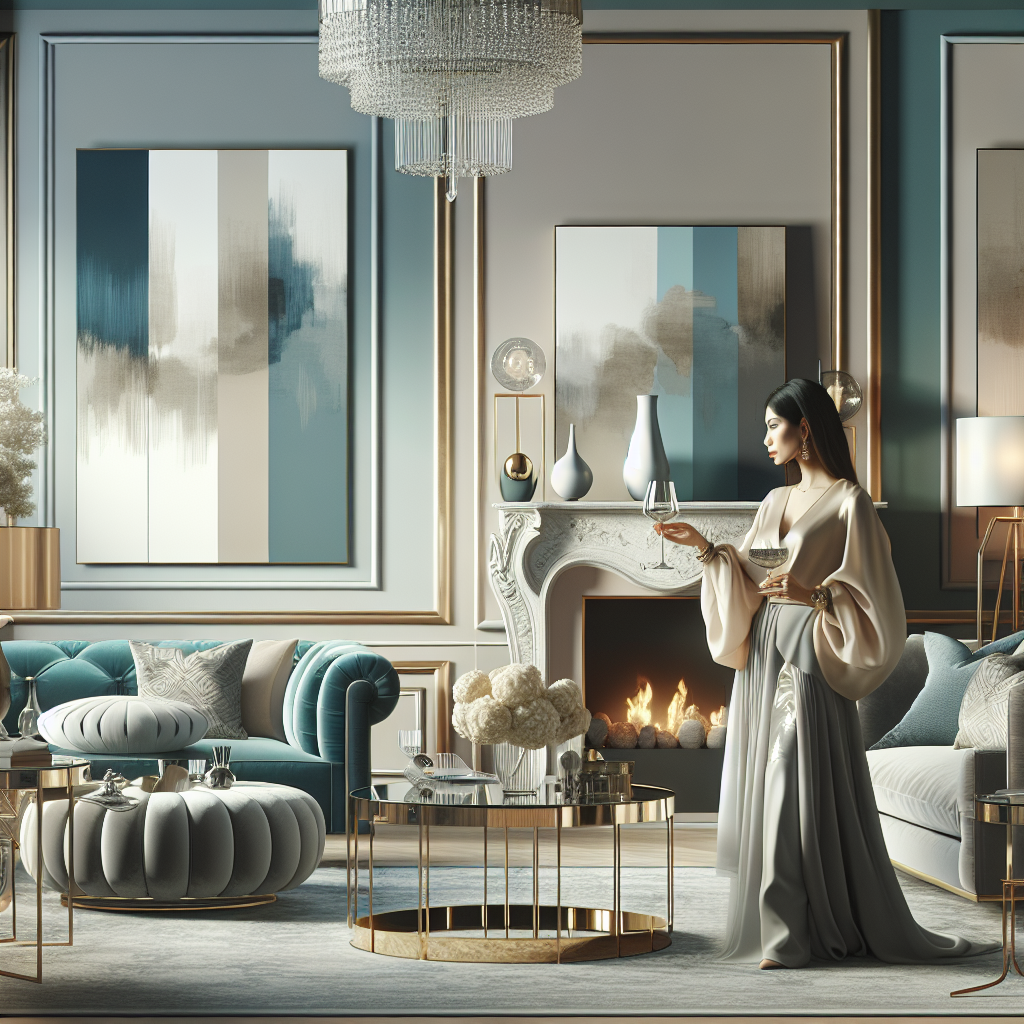
To begin with, color psychology is the study of how different hues affect human behavior and emotions. In the realm of luxury interior design, this knowledge is invaluable. For instance, consider the use of blue, a color often associated with tranquility and calmness. In a high-end living room, a deep navy or a soft sky blue can create a serene environment, perfect for relaxation and unwinding after a long day. This is why many luxury designers opt for blue tones in spaces meant for rest and reflection.
On the other hand, colors like red and gold are often used to convey opulence and energy. Red, with its bold and passionate undertones, can be used sparingly to add a touch of drama and excitement to a room. It’s not uncommon to see a luxurious dining room adorned with rich red accents, as this color is known to stimulate appetite and conversation. Gold, synonymous with wealth and grandeur, can be used in fixtures or decorative elements to add a sense of sophistication and elegance.
Transitioning to more neutral tones, colors such as beige, gray, and white are staples in luxury design for their versatility and timeless appeal. These colors serve as a perfect backdrop, allowing other elements of the design to shine. A neutral palette can also make a space feel more expansive and airy, which is often a desired effect in high-end homes. Moreover, these colors can be easily paired with bolder accents, providing a balanced and harmonious look.
Furthermore, green is another color that has found its place in luxury interiors, often symbolizing growth and renewal. In spaces like home offices or libraries, green can promote concentration and creativity. A rich emerald or a muted sage can bring a touch of nature indoors, creating a refreshing and invigorating atmosphere.
In addition to individual colors, the combination of different hues can also play a significant role in the overall impact of a design. Complementary colors, when used thoughtfully, can create a dynamic and visually appealing space. For example, pairing a deep blue with a warm orange can result in a striking contrast that energizes a room. Similarly, analogous colors, which are next to each other on the color wheel, can create a more cohesive and soothing environment.
Ultimately, the psychology of color in high-end interior design is about more than just aesthetics; it’s about creating spaces that resonate with the inhabitants on a deeper level. By understanding the emotional and psychological effects of different colors, designers can craft environments that not only look stunning but also feel right. Whether it’s a calming retreat or a vibrant gathering space, the right color choices can transform a house into a home that truly reflects the personality and lifestyle of its occupants.
How Color Influences Mood and Perception in Upscale Spaces
When you walk into a high-end interior space, whether it’s a luxurious hotel lobby or an upscale restaurant, there’s a good chance that the colors around you have been carefully chosen to evoke specific feelings and perceptions. The psychology of color plays a crucial role in interior design, especially in upscale environments where every detail is meticulously planned to create a particular atmosphere. It’s fascinating how colors can influence our mood and perception, often without us even realizing it.
To begin with, let’s consider the color blue, which is frequently used in high-end spaces to evoke a sense of calm and tranquility. Blue is known for its soothing qualities, making it an ideal choice for spaces where relaxation is key, such as spas or luxury hotel rooms. The cool tones of blue can also convey a sense of sophistication and elegance, which is why it’s often paired with neutral colors like white or gray to create a clean, modern look. Moreover, blue can make a space feel more expansive, which is particularly useful in smaller upscale settings where the goal is to create an illusion of grandeur.
Transitioning to warmer hues, red is another color that plays a significant role in high-end interior design. Red is a powerful color that can evoke feelings of passion and energy. In upscale dining establishments, for instance, red is often used to stimulate appetite and conversation, creating a lively and engaging atmosphere. However, it’s important to use red sparingly, as too much can be overwhelming. Designers often balance red with softer tones or use it as an accent color to draw attention to specific areas or features within a space.
Moving on to the color green, this hue is synonymous with nature and renewal, making it a popular choice for high-end interiors that aim to create a refreshing and rejuvenating environment. Green is versatile and can range from deep, rich emeralds to soft, muted sage tones. In luxury settings, green is often used to bring a touch of the outdoors inside, promoting a sense of balance and harmony. This is particularly effective in spaces like high-end wellness centers or eco-friendly hotels, where the connection to nature is a key element of the design.
Furthermore, the use of neutral colors such as beige, taupe, and gray is prevalent in upscale interior design. These colors provide a sophisticated backdrop that allows other design elements to shine. Neutrals are timeless and versatile, making them a staple in luxury spaces where the goal is to create an elegant and understated ambiance. They also serve as a perfect canvas for incorporating bolder colors through artwork, furniture, or accessories, allowing for flexibility and creativity in design.
In conclusion, the psychology of color is an essential consideration in high-end interior design, as it significantly influences mood and perception. By understanding the emotional and psychological effects of different colors, designers can create spaces that not only look beautiful but also evoke the desired feelings and experiences. Whether it’s the calming effect of blue, the energizing power of red, the refreshing quality of green, or the timeless elegance of neutrals, each color has its unique role in shaping the atmosphere of upscale spaces. So, the next time you find yourself in a luxurious setting, take a moment to appreciate the colors around you and the subtle ways they enhance your experience.
The Role of Color in Creating a Sense of Opulence and Elegance
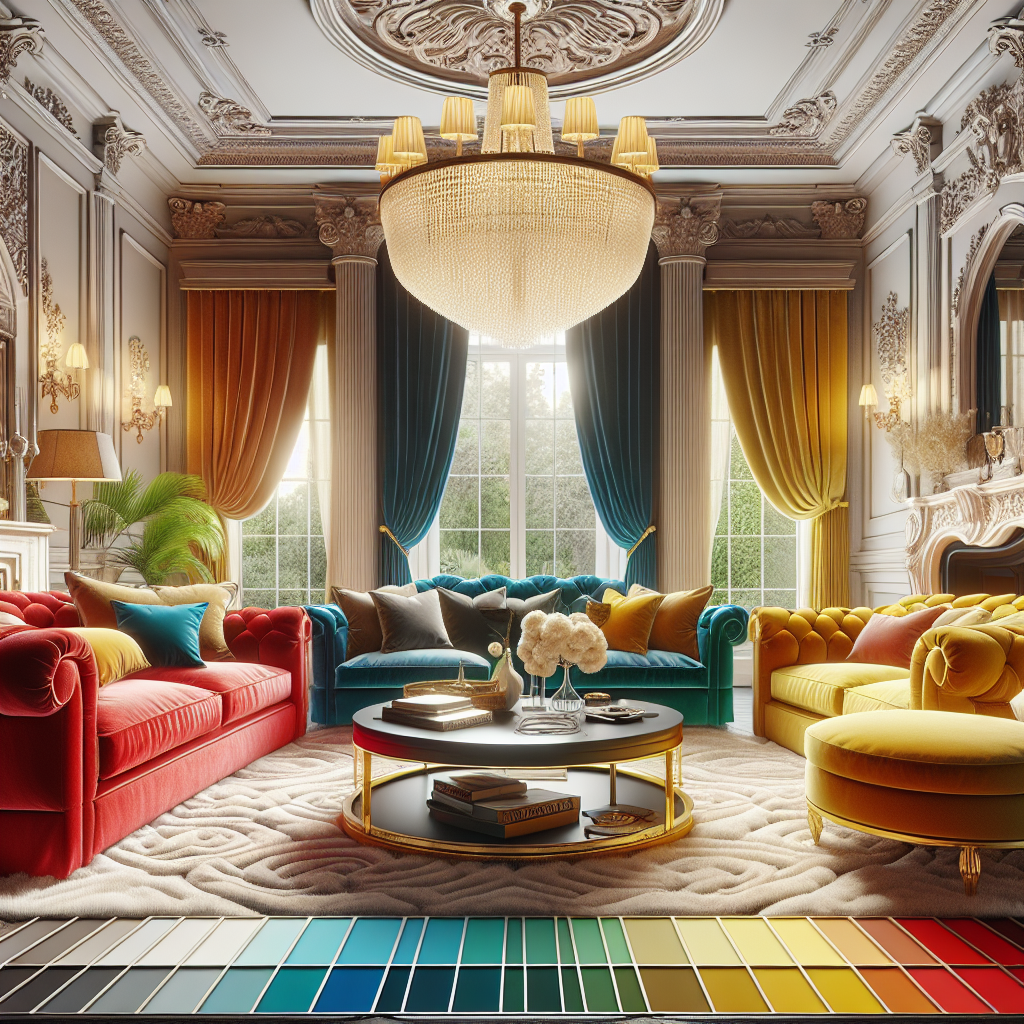
When you walk into a high-end interior space, there’s an immediate sense of opulence and elegance that seems to envelop you. While the luxurious materials and exquisite furnishings certainly play a part, the psychology of color is a subtle yet powerful force that shapes our perception of these spaces. Color has the unique ability to evoke emotions, influence moods, and even alter our perception of space, making it an essential tool in the arsenal of interior designers aiming to create a sense of luxury.
To begin with, let’s consider the classic use of deep, rich colors like royal blue, emerald green, and burgundy. These hues have long been associated with wealth and sophistication, partly because they were historically difficult and expensive to produce. Today, they continue to convey a sense of grandeur and exclusivity. When used in a high-end interior, these colors can create a dramatic backdrop that highlights the finer details of the space, such as intricate moldings or a statement chandelier. Moreover, these colors can make a room feel more intimate and inviting, encouraging guests to linger and appreciate their surroundings.
Transitioning from deep hues, we find that neutral tones also play a significant role in high-end design. Shades of cream, taupe, and soft gray are often used to create a serene and timeless atmosphere. These colors serve as a canvas that allows other elements of the design to shine, such as artwork or bespoke furniture pieces. Neutrals can also make a space feel larger and more open, which is particularly beneficial in urban settings where square footage is at a premium. By using a neutral palette, designers can craft an environment that feels both expansive and cohesive, effortlessly blending different textures and materials.
In addition to these traditional color choices, metallics have become increasingly popular in luxury interiors. Gold, silver, and bronze accents can add a touch of glamour and sophistication, catching the light and creating a sense of movement within the space. These metallic elements can be incorporated through fixtures, furniture, or even wall coverings, providing a modern twist on classic opulence. The reflective quality of metallics can also enhance the overall brightness of a room, making it feel more vibrant and alive.
Furthermore, the strategic use of color can help define different areas within an open-concept space, a common feature in high-end homes. By using varying shades or complementary colors, designers can create visual boundaries without the need for physical partitions. This approach not only maintains the flow of the space but also adds depth and interest, encouraging exploration and discovery.
Finally, it’s important to remember that personal preference plays a crucial role in the psychology of color. While certain colors may be traditionally associated with luxury, the true essence of opulence lies in creating a space that resonates with the individual. High-end interior design is ultimately about crafting an environment that reflects the personality and lifestyle of its inhabitants, using color as a tool to enhance and elevate the experience.
In conclusion, the psychology of color is an integral component of high-end interior design, influencing our perception of opulence and elegance. By thoughtfully selecting and combining colors, designers can create spaces that are not only visually stunning but also emotionally resonant, leaving a lasting impression on all who enter.
Using Color Psychology to Enhance the Aesthetic of High-End Interiors
When it comes to high-end interior design, the choice of color is far more than a mere aesthetic decision; it’s a powerful tool that can transform a space and influence the mood and behavior of its inhabitants. The psychology of color plays a crucial role in creating luxurious environments that not only look stunning but also evoke the desired emotional responses. Understanding how different colors affect our perceptions and feelings can help designers craft spaces that are both beautiful and functional.
To begin with, let’s consider the color blue, often associated with tranquility and calmness. In high-end interiors, blue can be used to create serene spaces that promote relaxation and peace. Imagine a lavish bedroom with soft blue walls and plush bedding in varying shades of blue. This color scheme can make the room feel like a peaceful retreat, perfect for unwinding after a long day. Moreover, blue is known to enhance productivity and focus, making it an excellent choice for a sophisticated home office or study.
Transitioning to warmer hues, red is a color that exudes energy and passion. In the realm of luxury design, red can be used to create bold, dramatic statements. A deep red accent wall in a dining room, for instance, can stimulate conversation and appetite, making it an ideal choice for spaces where people gather to enjoy fine dining experiences. However, it’s important to use red sparingly, as too much can be overwhelming. By balancing red with neutral tones, designers can achieve a harmonious and inviting atmosphere.
Moving on to the color green, which is often associated with nature and renewal, it can bring a sense of freshness and vitality to high-end interiors. Green is versatile and can be used in various shades to evoke different feelings. A soft sage green can create a soothing and elegant living room, while a vibrant emerald can add a touch of opulence and sophistication. Additionally, incorporating plants and natural elements can enhance the calming effect of green, making the space feel more connected to the outdoors.
Next, let’s explore the timeless elegance of black and white. This classic combination is a staple in luxury design, offering a sense of balance and contrast. Black adds depth and drama, while white brings light and purity. Together, they create a chic and sophisticated look that never goes out of style. High-end interiors often use black and white as a foundation, allowing for the addition of bold accent colors or luxurious textures to add interest and personality.
Finally, we cannot overlook the impact of metallics in high-end design. Gold, silver, and bronze can add a touch of glamour and opulence to any space. These colors reflect light and can make a room feel more spacious and airy. Whether it’s a gold-accented mirror or a silver chandelier, metallics can elevate the overall aesthetic and create a sense of luxury.
In conclusion, the psychology of color is an essential consideration in high-end interior design. By understanding how different colors affect emotions and perceptions, designers can create spaces that are not only visually stunning but also emotionally resonant. Whether it’s the calming effect of blue, the energy of red, the freshness of green, the timelessness of black and white, or the glamour of metallics, each color has the power to enhance the aesthetic and elevate the experience of luxury living.
The Science Behind Color Selection in Luxury Home Design
When it comes to high-end interior design, color is more than just a visual element; it’s a powerful tool that can transform a space and evoke specific emotions. The psychology of color plays a crucial role in luxury home design, where every hue is carefully selected to create an atmosphere of sophistication and comfort. Understanding the science behind color selection can help homeowners and designers alike make informed choices that enhance the overall aesthetic and feel of a space.
To begin with, it’s important to recognize that colors can significantly influence our mood and perception. For instance, warm colors like red, orange, and yellow are known to stimulate and energize, making them ideal for social spaces like living rooms and dining areas. These colors can create a sense of warmth and intimacy, encouraging conversation and interaction. On the other hand, cool colors such as blue, green, and purple tend to have a calming effect, making them perfect for bedrooms and bathrooms where relaxation is key. By understanding these basic principles, designers can strategically use color to set the desired tone for each room.
Moreover, the psychology of color extends beyond just mood; it also involves cultural and personal associations. For example, while white is often associated with purity and cleanliness in Western cultures, it can symbolize mourning in some Eastern traditions. Similarly, a color that evokes fond memories for one person might not have the same effect on another. This is why luxury interior designers often take the time to understand their clients’ preferences and backgrounds, ensuring that the chosen color palette resonates on a personal level.
In addition to emotional and cultural considerations, the science of color selection in luxury home design also involves an understanding of color theory. This includes concepts like color harmony, contrast, and balance, which are essential for creating visually appealing spaces. For instance, complementary colors—those opposite each other on the color wheel—can create a vibrant and dynamic look when used together. Meanwhile, analogous colors—those next to each other on the wheel—offer a more harmonious and cohesive feel. By applying these principles, designers can craft spaces that are not only beautiful but also balanced and inviting.
Furthermore, the use of color in high-end interior design often involves a careful consideration of materials and textures. A rich, deep blue velvet sofa, for example, can add a touch of luxury and elegance to a room, while a soft, muted green wall can provide a soothing backdrop that enhances the overall ambiance. The interplay between color and texture can elevate a space, adding depth and interest that draw the eye and invite exploration.
Finally, lighting plays a crucial role in how colors are perceived in a space. Natural light can bring out the true essence of a color, while artificial lighting can alter its appearance. Designers must consider the type and amount of light in a room when selecting colors, ensuring that the chosen palette looks just as stunning in the evening as it does during the day.
In conclusion, the psychology of color in high-end interior design is a fascinating blend of art and science. By understanding how colors affect mood, perception, and cultural associations, designers can create luxurious spaces that not only look beautiful but also feel right. Whether it’s through the careful selection of hues, the thoughtful use of materials, or the strategic placement of lighting, color remains an essential element in crafting the perfect luxury home.
Conclusion
The psychology of color in high-end interior design plays a crucial role in shaping the ambiance and emotional impact of a space. In luxury interiors, color choices are meticulously curated to evoke specific feelings and enhance the overall aesthetic experience. Warm colors like reds and oranges can create a sense of energy and intimacy, while cool colors such as blues and greens often promote calmness and relaxation. Neutrals, often used in high-end designs, provide a sophisticated backdrop that allows other design elements to stand out. The strategic use of color can also influence perceptions of space, making rooms feel larger or more intimate. Ultimately, the psychology of color in high-end interior design is about creating a harmonious balance that reflects the desired mood and style, enhancing both the visual appeal and the emotional resonance of the environment.