Luxury Exposed: Celebrating Structural Elements in Design
November 7, 2023
Neo-Classical Luxury: Ancient Inspirations in Modern Design
November 21, 2023
-
Table of Contents
- Introduction
- The History And Evolution Of Pleats In Interior Design
- Incorporating Pleated Textures In Modern Luxury Spaces
- The Art Of Pleated Drapery: Transforming Windows Into Statements
- Pleated Furniture: Adding Dimension And Elegance To Interiors
- Sustainable Pleating Techniques For Eco-Friendly High-End Designs
- Conclusion
Introduction
“The Power of the Pleat: Folded Forms in High-End Interiors” explores the transformative impact of pleated designs in luxury interior spaces. This design approach, inspired by the art of folding, brings a dynamic interplay of light and shadow, texture, and form, creating visually captivating environments. Pleats, traditionally associated with fashion, have found their way into interior design, offering a sophisticated aesthetic that combines elegance with architectural precision. The book delves into the versatility of pleated elements, from drapery and upholstery to wall coverings and lighting fixtures, showcasing how these intricate folds can redefine spatial dynamics and elevate the ambiance of high-end interiors. Through a curated selection of case studies and expert insights, “The Power of the Pleat” highlights the innovative use of this timeless technique, demonstrating its ability to infuse spaces with movement, depth, and a sense of refined luxury.
The History And Evolution Of Pleats In Interior Design
Pleats have long been a staple in the world of fashion, but their influence extends far beyond the runway. In the realm of high-end interiors, pleats have carved out a niche that combines elegance with a touch of whimsy. To truly appreciate the power of the pleat in interior design, it’s essential to delve into its history and evolution, which is as rich and varied as the folds themselves.
The journey of pleats in interior design can be traced back to ancient times, where they were initially used in textiles and garments. The Greeks and Romans, for instance, were known for their pleated garments, which symbolized sophistication and status. This early use of pleats in clothing eventually inspired their application in home decor, as people began to see the potential of these intricate folds in adding texture and depth to their living spaces.
As we move through history, the Renaissance period marked a significant turning point for pleats in interior design. During this time, opulence was the order of the day, and pleats became a popular choice for draperies and upholstery. The elaborate folds added a sense of grandeur to the interiors of the wealthy, reflecting the era’s love for luxury and detail. This trend continued into the Baroque and Rococo periods, where pleats were used to create dramatic effects in curtains and furniture coverings, further cementing their place in high-end interiors.
Transitioning into the 19th century, the Industrial Revolution brought about significant changes in the production of textiles, making pleated fabrics more accessible. This democratization of pleats allowed them to be incorporated into a wider range of interior design styles. The Victorian era, in particular, saw pleats being used extensively in home decor, from pleated lampshades to intricately folded curtains. This period highlighted the versatility of pleats, as they could be adapted to suit both formal and casual settings.
As we entered the 20th century, the modernist movement brought a shift in design philosophy, favoring simplicity and functionality over ornamentation. However, pleats managed to maintain their relevance by evolving with the times. Designers began experimenting with new materials and techniques, creating innovative pleated forms that complemented the clean lines and minimalist aesthetics of modern interiors. The mid-century modern era, for example, saw the introduction of pleated room dividers and wall panels, which added visual interest without overwhelming the space.
In contemporary interior design, pleats continue to be a powerful tool for creating dynamic and engaging environments. Today’s designers are not afraid to push the boundaries, using pleats in unexpected ways to add a touch of sophistication and playfulness to their projects. From pleated leather upholstery to folded metal light fixtures, the possibilities are endless. Moreover, the rise of sustainable design has led to a renewed interest in pleats, as they can be used to create eco-friendly products that are both stylish and functional.
In conclusion, the history and evolution of pleats in interior design is a testament to their enduring appeal and versatility. From their humble beginnings in ancient textiles to their current status as a design staple, pleats have proven time and again that they have the power to transform any space into a work of art. As we continue to explore new materials and techniques, there’s no doubt that pleats will remain a beloved element in high-end interiors for years to come.
Incorporating Pleated Textures In Modern Luxury Spaces
In the world of high-end interiors, where every detail counts, the power of the pleat is making a significant impact. Pleated textures, once primarily associated with fashion, are now finding their way into modern luxury spaces, adding depth, elegance, and a touch of sophistication. As we explore the incorporation of these folded forms, it becomes clear that pleats are more than just a trend; they are a timeless design element that can transform any room.
To begin with, pleated textures introduce a sense of movement and dynamism to interiors. Unlike flat surfaces, pleats create a play of light and shadow, adding visual interest and depth. This effect can be particularly striking in spaces with ample natural light, where the interplay of shadows can change throughout the day, offering a living, breathing quality to the room. Moreover, pleats can be used to soften the hard lines often found in modern design, providing a balance between sleek minimalism and inviting warmth.
Incorporating pleated textures into luxury spaces can be achieved in various ways, from subtle accents to bold statements. For instance, pleated drapery is a classic choice that never goes out of style. It not only adds a touch of elegance but also enhances the acoustics of a room, making it feel more intimate and cozy. Similarly, pleated upholstery on furniture pieces can elevate the overall aesthetic, offering a tactile experience that invites touch and interaction.
Transitioning from textiles to other materials, pleated designs are also making waves in lighting fixtures. Pleated lampshades, for example, diffuse light in a unique way, creating a warm and inviting ambiance. These fixtures can serve as focal points in a room, drawing the eye and sparking conversation. Additionally, pleated textures can be found in unexpected places, such as wall coverings and architectural details. These elements can add a layer of sophistication and intrigue, transforming a simple wall into a work of art.
Furthermore, the versatility of pleated textures allows them to complement a wide range of design styles. Whether your space leans towards the traditional or embraces contemporary minimalism, pleats can be adapted to suit your aesthetic. For a more classic look, consider rich, heavy fabrics with deep pleats that exude opulence. On the other hand, for a modern twist, opt for lighter materials with crisp, clean folds that emphasize simplicity and elegance.
As we delve deeper into the world of pleated textures, it is important to consider the craftsmanship involved in creating these intricate designs. The art of pleating requires precision and skill, making it a testament to the dedication and expertise of artisans. By incorporating pleated elements into your space, you are not only enhancing its beauty but also supporting the continuation of this traditional craft.
In conclusion, the power of the pleat lies in its ability to transform high-end interiors into spaces that are both visually stunning and inviting. By incorporating pleated textures, you can add depth, movement, and a touch of luxury to your home. Whether through textiles, lighting, or architectural details, pleats offer endless possibilities for creativity and expression. As you consider your next design project, remember the timeless appeal of the pleat and the elegance it can bring to your modern luxury space.
The Art Of Pleated Drapery: Transforming Windows Into Statements
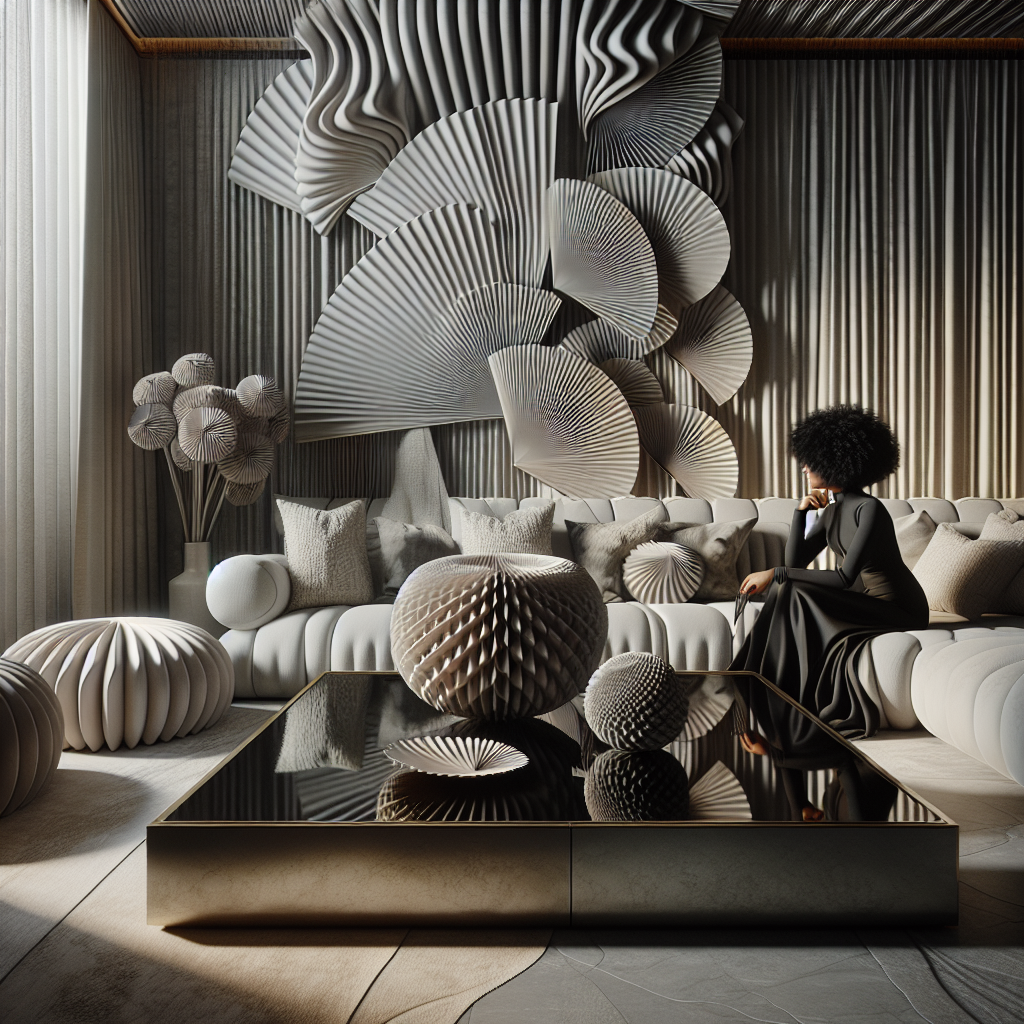
When it comes to high-end interiors, every detail counts, and one of the most transformative elements you can incorporate is pleated drapery. These elegant folds do more than just cover windows; they elevate the entire room, turning ordinary spaces into extraordinary statements. Pleated drapery has a unique ability to blend functionality with aesthetics, offering a versatile solution that suits a variety of interior styles. Whether you’re aiming for a classic, contemporary, or eclectic look, pleats can be tailored to fit your vision perfectly.
To begin with, the beauty of pleated drapery lies in its ability to add texture and depth to a room. Unlike flat curtains, pleats create a dynamic visual effect that draws the eye and adds interest. This is particularly beneficial in spaces that might otherwise feel flat or uninspired. The folds catch the light in different ways throughout the day, creating subtle shifts in color and shadow that bring a room to life. Moreover, pleated drapery can be customized in countless ways, from the type of fabric to the style of pleat, allowing for a high degree of personalization.
In addition to their aesthetic appeal, pleated drapes offer practical benefits that make them a smart choice for any home. For instance, they provide excellent insulation, helping to keep rooms warm in the winter and cool in the summer. This not only enhances comfort but also contributes to energy efficiency, which is a win-win for both the environment and your wallet. Furthermore, pleated drapery offers superior light control, allowing you to adjust the ambiance of a room with ease. Whether you want to let in the morning sun or create a cozy, dimly lit atmosphere in the evening, pleats give you the flexibility to do so.
Transitioning from the practical to the artistic, it’s worth noting that pleated drapery can serve as a canvas for creativity. Designers often use pleats to introduce patterns and colors that complement or contrast with other elements in the room. This can be particularly effective in spaces with neutral palettes, where a bold drapery choice can become a focal point. On the other hand, in rooms that are already rich in color and texture, pleated drapery can provide a harmonious balance, tying together various design elements into a cohesive whole.
Furthermore, the choice of pleat style can significantly impact the overall look and feel of a room. For example, pinch pleats offer a classic, tailored appearance that works well in traditional settings, while box pleats provide a more structured, modern look. Goblet pleats, with their elegant, rounded tops, add a touch of luxury and are perfect for formal spaces. Each style brings its own character to a room, allowing you to express your personal taste and style.
In conclusion, the power of pleated drapery in high-end interiors cannot be overstated. They are more than just window coverings; they are an art form that transforms spaces, offering both beauty and functionality. By carefully selecting the right fabric, color, and pleat style, you can create a statement that reflects your unique style and enhances the overall ambiance of your home. So, the next time you’re considering a design update, don’t overlook the transformative potential of pleated drapery. It’s a small change that can make a big impact, turning your windows into true works of art.
Pleated Furniture: Adding Dimension And Elegance To Interiors
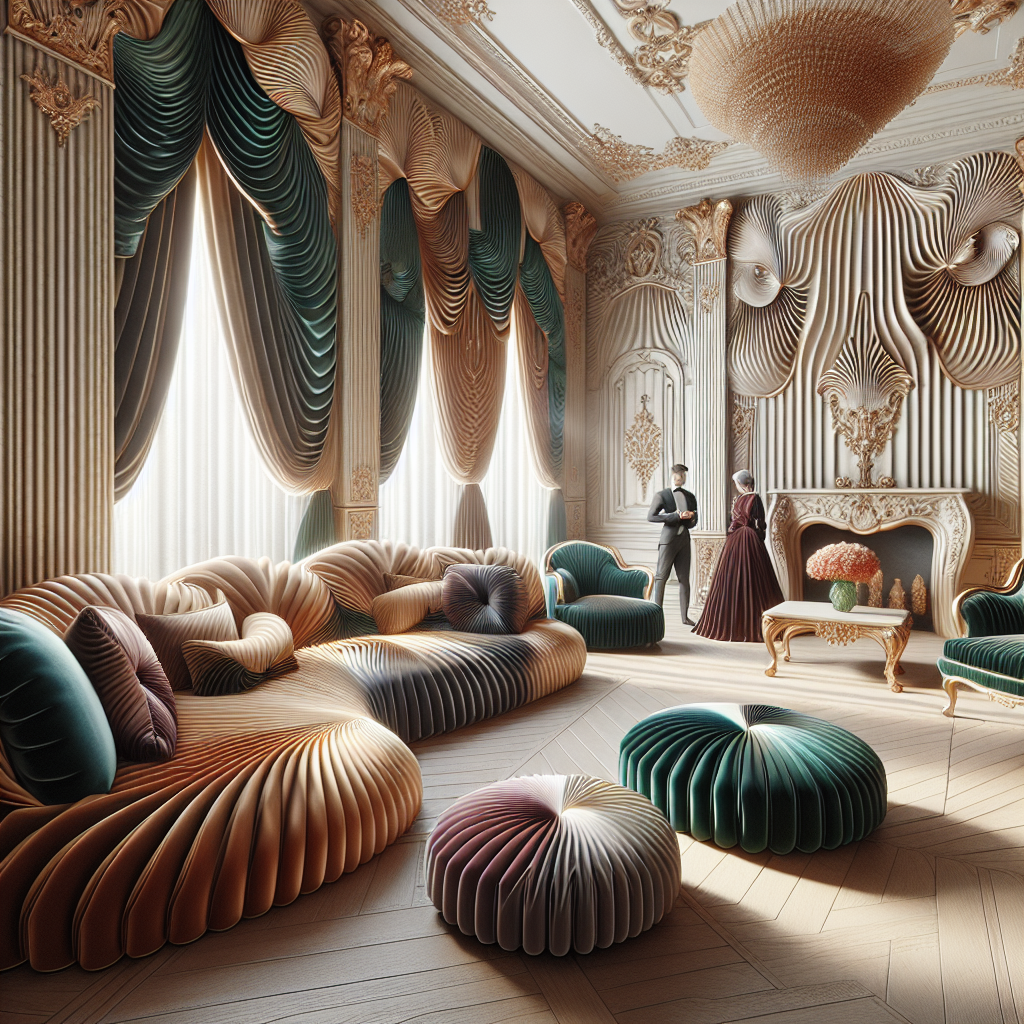
Pleated furniture is making waves in the world of high-end interiors, and it’s easy to see why. This design trend, characterized by its folded forms and intricate textures, adds a unique dimension and elegance to any space. The power of the pleat lies in its ability to transform ordinary furniture pieces into extraordinary works of art, capturing the attention of anyone who enters the room. As we explore the allure of pleated furniture, it becomes clear that this trend is more than just a fleeting fad; it’s a testament to the timeless appeal of craftsmanship and creativity.
To begin with, pleated furniture offers a tactile experience that is both visually and physically engaging. The folds and creases create a sense of movement and depth, inviting you to reach out and touch the surface. This tactile quality is particularly appealing in a world where sleek, minimalist designs have dominated for so long. Pleated pieces bring a sense of warmth and personality to a space, making them perfect for those who want to add a touch of character to their interiors. Moreover, the versatility of pleated designs means they can be incorporated into a variety of styles, from classic to contemporary, ensuring that there’s something for everyone.
In addition to their aesthetic appeal, pleated furniture pieces are often crafted with meticulous attention to detail. Skilled artisans spend countless hours folding and shaping materials to achieve the desired effect, resulting in pieces that are as much about the process as they are about the final product. This dedication to craftsmanship is evident in the quality and durability of pleated furniture, making it a worthwhile investment for those looking to elevate their interiors. Furthermore, the use of high-quality materials, such as luxurious fabrics and fine leathers, enhances the overall look and feel of these pieces, adding an extra layer of sophistication.
As we delve deeper into the world of pleated furniture, it’s important to consider how these pieces can be integrated into existing interiors. One of the great advantages of pleated designs is their ability to complement a wide range of color palettes and textures. Whether you’re looking to add a pop of color with a vibrant pleated chair or create a serene atmosphere with a neutral-toned pleated sofa, there’s a pleated piece to suit every taste. Additionally, the three-dimensional nature of pleated furniture allows it to stand out as a statement piece, drawing the eye and creating a focal point in any room.
Transitioning from the visual to the practical, pleated furniture also offers functional benefits. The folds and creases can provide additional support and comfort, making these pieces not only beautiful but also comfortable to use. This combination of form and function is a key reason why pleated furniture has become a favorite among interior designers and homeowners alike. As we continue to see this trend grow, it’s clear that pleated furniture is here to stay, offering a fresh and exciting way to enhance our living spaces.
In conclusion, the power of the pleat lies in its ability to add dimension and elegance to high-end interiors. With its tactile appeal, meticulous craftsmanship, and versatile design, pleated furniture is a trend that captures the imagination and elevates any space. Whether you’re a fan of bold, eye-catching pieces or prefer subtle, understated elegance, there’s no denying the impact that pleated furniture can have on your home. As we embrace this trend, we celebrate the artistry and innovation that make pleated designs a true testament to the beauty of folded forms.
Sustainable Pleating Techniques For Eco-Friendly High-End Designs
In the world of high-end interior design, sustainability is no longer just a buzzword; it’s a guiding principle. As designers and homeowners alike seek to create luxurious spaces that are also kind to the planet, innovative techniques are emerging to meet this demand. One such technique that has captured the imagination of eco-conscious designers is pleating. While pleats have long been associated with fashion, their application in interior design is proving to be both aesthetically pleasing and environmentally friendly.
Pleating, at its core, is the art of folding fabric or other materials into a series of ridges. This technique not only adds texture and depth to a space but also offers a unique opportunity to incorporate sustainable practices. For instance, by using natural fibers such as organic cotton, linen, or hemp, designers can create pleated elements that are both beautiful and biodegradable. These materials, when sourced responsibly, have a significantly lower environmental impact compared to synthetic alternatives.
Moreover, pleating allows for the use of smaller fabric pieces, which can be particularly beneficial when working with remnants or recycled materials. This approach not only reduces waste but also gives new life to materials that might otherwise end up in a landfill. By creatively repurposing these fabrics, designers can craft bespoke pieces that are as unique as they are sustainable.
In addition to material choices, the pleating process itself can be made more eco-friendly. Traditional pleating methods often involve the use of chemicals or high-energy processes to set the folds. However, innovative designers are now exploring alternative techniques that minimize environmental impact. For example, some are turning to steam pleating, which uses heat and moisture to create lasting folds without the need for harmful chemicals. Others are experimenting with mechanical pleating machines that require less energy and produce less waste.
Furthermore, pleated designs can contribute to the energy efficiency of a space. Pleated curtains, for instance, can provide excellent insulation, helping to regulate indoor temperatures and reduce the need for heating or cooling. This not only lowers energy consumption but also results in cost savings for homeowners. Similarly, pleated wall panels can enhance acoustics, creating a more comfortable and serene environment without the need for additional soundproofing materials.
As we consider the broader implications of sustainable pleating techniques, it’s clear that they offer more than just aesthetic appeal. They represent a shift towards a more mindful approach to design, where beauty and sustainability go hand in hand. By embracing these techniques, designers can create high-end interiors that are not only visually stunning but also aligned with the values of today’s eco-conscious consumers.
In conclusion, the power of the pleat in high-end interiors lies in its ability to marry form and function with sustainability. As more designers explore the potential of pleated forms, we can expect to see a growing array of innovative and eco-friendly designs that push the boundaries of what’s possible. Whether through the use of sustainable materials, energy-efficient processes, or creative repurposing, pleating offers a versatile and impactful way to create interiors that are as kind to the planet as they are to the eye.
Conclusion
“The Power of the Pleat: Folded Forms in High-End Interiors” explores the transformative impact of pleated designs in luxury interior spaces. Pleats, with their intricate folds and dynamic textures, introduce a sense of movement and sophistication, elevating the aesthetic appeal of high-end interiors. By integrating pleated elements, designers can create depth and dimension, enhancing the interplay of light and shadow within a space. This technique not only adds a tactile quality but also offers versatility, allowing for innovative applications across various materials and furnishings. Ultimately, the strategic use of pleats in interior design underscores a commitment to craftsmanship and elegance, reinforcing the allure of bespoke, high-end environments.