The New Exoticism: Luxurious Interpretations of Global Styles
October 31, 2023
The Power of the Pleat: Folded Forms in High-End Interiors
November 14, 2023
-
Table of Contents
- Introduction
- Unveiling Opulence: The Art of Exposed Beams in Luxury Interiors
- The Elegance of Raw Materials: Celebrating Concrete in High-End Design
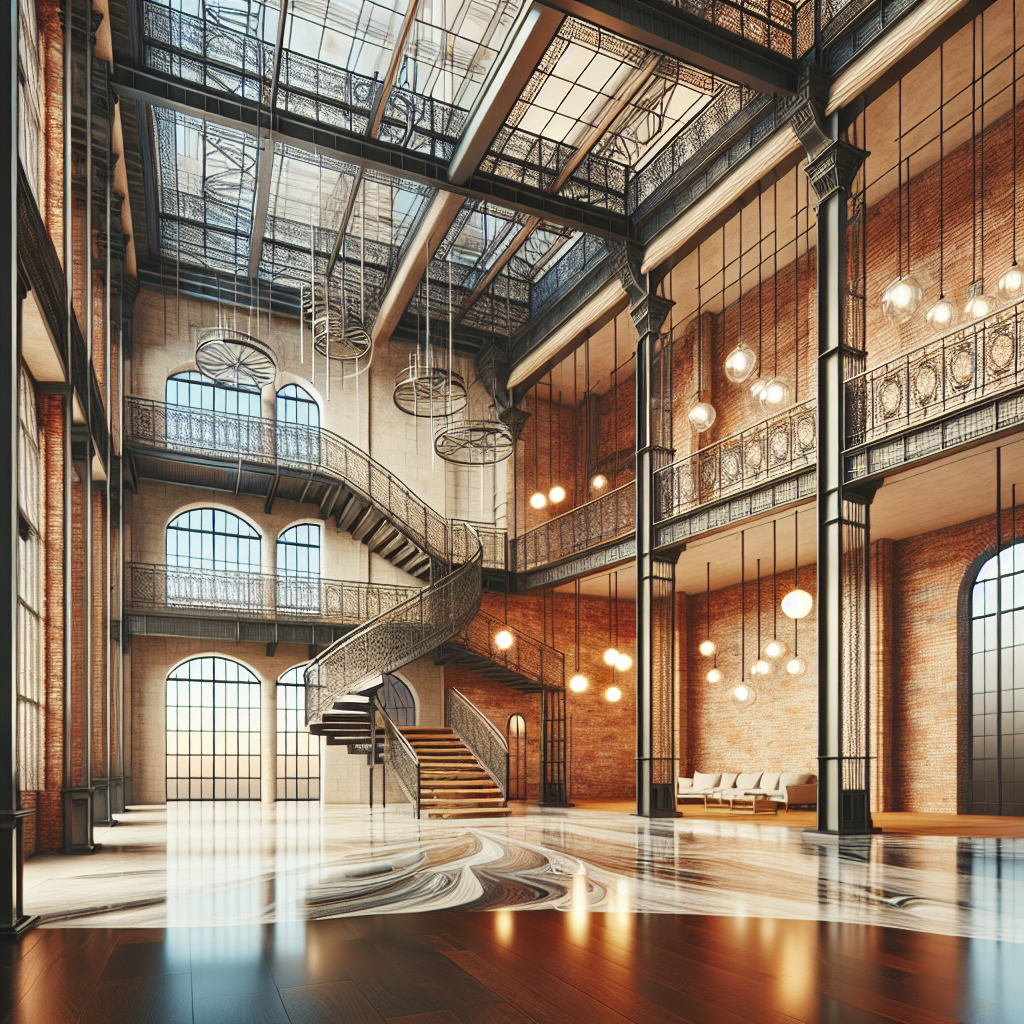
- Industrial Chic: Embracing Metal Frameworks in Luxury Spaces
- The Beauty of Bare: Showcasing Brick Walls in Upscale Homes
- Glass and Glamour: Highlighting Transparent Structures in Modern Luxury Design
- Conclusion
Introduction
“Luxury Exposed: Celebrating Structural Elements in Design” delves into the intricate world where opulence meets architecture, highlighting the raw beauty of structural components often concealed beneath polished surfaces. This exploration redefines luxury by embracing the authenticity and craftsmanship of exposed beams, industrial frameworks, and elemental materials. By celebrating these foundational aspects, the book challenges traditional notions of refinement, offering a fresh perspective that values the integrity and artistry of design’s core elements. Through a curated collection of stunning visuals and insightful commentary, “Luxury Exposed” invites readers to appreciate the elegance found in the unadorned, where the essence of true luxury lies in the honest expression of form and function.
Unveiling Opulence: The Art of Exposed Beams in Luxury Interiors
When it comes to luxury interiors, the devil is truly in the details. One of the most captivating trends in high-end design is the celebration of structural elements, particularly exposed beams. These architectural features, once hidden away, are now being embraced for their raw beauty and ability to add character to a space. Exposed beams are no longer just a rustic hallmark; they have become a symbol of opulence and sophistication in modern design.
Imagine walking into a room where the ceiling tells a story. The beams, with their rich textures and natural imperfections, create a visual narrative that speaks of history and craftsmanship. This trend is all about authenticity, allowing the inherent beauty of the building materials to shine through. By exposing these structural elements, designers are able to blend the old with the new, creating spaces that feel both timeless and contemporary.
Moreover, exposed beams offer a unique opportunity to play with contrast. In a sleek, modern interior, the rough-hewn wood of the beams can provide a striking juxtaposition against smooth surfaces and clean lines. This interplay between different textures and materials adds depth and interest to a room, making it feel more dynamic and engaging. It’s a design choice that invites the eye to explore and appreciate the nuances of the space.
In addition to their aesthetic appeal, exposed beams also have practical benefits. They can help define different areas within an open-plan layout, creating a sense of structure and organization. By drawing the eye upward, they can also make a room feel larger and more expansive. This is particularly advantageous in luxury homes, where the goal is often to create a sense of grandeur and spaciousness.
Furthermore, exposed beams can be customized to suit a variety of design styles. Whether you prefer the rustic charm of reclaimed wood or the sleek elegance of steel, there are endless possibilities for incorporating these elements into your home. They can be left in their natural state for a more organic look, or painted and finished to match the color scheme of the room. This versatility makes them a favorite among designers who are looking to create bespoke interiors that reflect the personality and taste of their clients.
Of course, the decision to expose beams is not one to be taken lightly. It requires careful planning and consideration to ensure that the final result is both beautiful and functional. Working with a skilled architect or designer is essential to achieving the desired effect, as they can provide valuable insight into how to best showcase these elements while maintaining the structural integrity of the building.
In conclusion, the art of exposing beams in luxury interiors is a testament to the beauty of embracing the unexpected. It’s about celebrating the imperfections and idiosyncrasies that make a space unique, and finding elegance in the raw and unrefined. As more people seek to create homes that are not only luxurious but also full of character and charm, it’s clear that this trend is here to stay. So, the next time you find yourself admiring a beautifully designed room, take a moment to look up—you might just find that the true masterpiece is right above your head.
The Elegance of Raw Materials: Celebrating Concrete in High-End Design
In the world of high-end design, where opulence often takes center stage, there’s a growing trend that embraces the beauty of raw materials, particularly concrete. This shift towards celebrating structural elements is not just about aesthetics; it’s about redefining luxury by highlighting the elegance of simplicity. Concrete, once relegated to the realm of industrial and utilitarian use, is now being celebrated for its raw, unpretentious beauty. This material, with its cool, understated charm, is making waves in the luxury design sector, proving that sometimes less truly is more.
The allure of concrete lies in its versatility and its ability to blend seamlessly with other materials. Whether paired with warm woods, sleek metals, or plush textiles, concrete provides a perfect canvas that enhances the overall design without overpowering it. Its neutral tones and varied textures offer a unique depth and character, allowing designers to play with contrasts and create spaces that are both sophisticated and inviting. Moreover, concrete’s inherent strength and durability make it an ideal choice for high-traffic areas, ensuring that luxury doesn’t come at the expense of practicality.
Incorporating concrete into high-end design is not just about aesthetics; it’s also about sustainability. As the world becomes more environmentally conscious, the demand for sustainable building materials has increased. Concrete, when sourced and produced responsibly, can be an eco-friendly option. Its thermal mass properties help regulate indoor temperatures, reducing the need for artificial heating and cooling. This not only lowers energy consumption but also contributes to a more comfortable living environment. By choosing concrete, designers are making a statement that luxury and sustainability can coexist harmoniously.
Furthermore, the use of concrete in luxury design is a nod to the art of craftsmanship. Each piece of concrete is unique, with its own set of imperfections and variations that tell a story. This celebration of individuality is a refreshing departure from the cookie-cutter perfection often associated with luxury. Designers are embracing these imperfections, using them to add character and authenticity to their creations. Whether it’s a polished concrete floor, a textured wall, or a sculptural piece of furniture, each element becomes a work of art in its own right.
As we continue to explore the possibilities of concrete in high-end design, it’s clear that this material is more than just a trend; it’s a movement towards a new definition of luxury. By celebrating the structural elements that form the backbone of our spaces, we’re embracing a design philosophy that values authenticity, sustainability, and timeless elegance. Concrete, with its understated beauty and versatility, is at the forefront of this movement, challenging our perceptions of what luxury can be.
In conclusion, the elegance of raw materials like concrete is reshaping the landscape of high-end design. By highlighting the beauty of structural elements, designers are creating spaces that are not only visually stunning but also rich in character and meaning. As we move forward, it’s exciting to imagine how this celebration of raw materials will continue to evolve, inspiring new ways to define and experience luxury.
Industrial Chic: Embracing Metal Frameworks in Luxury Spaces
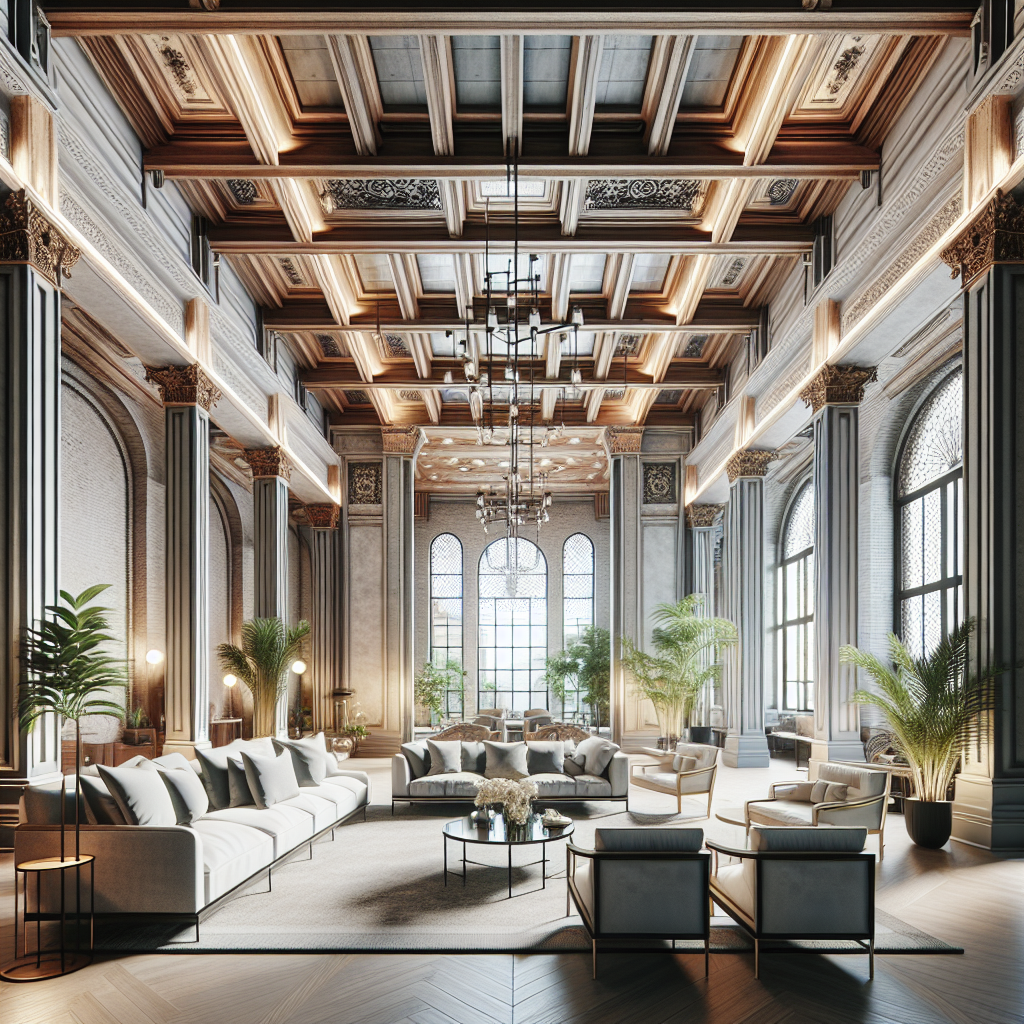
In recent years, the world of luxury design has seen a fascinating shift towards embracing the raw and unrefined. This trend, often referred to as industrial chic, celebrates the beauty of structural elements that were once hidden away. Among these, metal frameworks have taken center stage, transforming spaces into modern masterpieces that exude both elegance and edge. As we delve into this trend, it becomes clear that the allure of industrial chic lies in its ability to blend the old with the new, creating a harmonious balance that captivates the senses.
To begin with, metal frameworks offer a unique aesthetic that is both bold and sophisticated. The use of exposed beams, pipes, and steel structures adds a sense of authenticity and character to a space. These elements, once considered purely functional, are now celebrated for their architectural beauty. By showcasing these features, designers are able to create a sense of openness and transparency, allowing the space to breathe and flow naturally. This approach not only highlights the craftsmanship involved but also pays homage to the history and heritage of the building.
Moreover, the versatility of metal frameworks allows them to be seamlessly integrated into various design styles. Whether it’s a sleek, modern apartment or a rustic, vintage loft, metal elements can be adapted to suit any aesthetic. For instance, in a contemporary setting, polished steel beams can add a touch of glamour and sophistication, while in a more traditional space, weathered iron can evoke a sense of nostalgia and warmth. This adaptability makes metal frameworks a popular choice among designers looking to create unique and personalized luxury spaces.
In addition to their aesthetic appeal, metal frameworks also offer practical benefits. Their durability and strength make them an ideal choice for supporting large, open spaces, allowing for greater flexibility in design. This structural integrity ensures that the space remains functional and safe, without compromising on style. Furthermore, metal is a sustainable material, making it an environmentally friendly option for those looking to reduce their carbon footprint. By choosing metal frameworks, designers can create spaces that are not only beautiful but also responsible and forward-thinking.
As we continue to explore the world of industrial chic, it’s important to recognize the role of craftsmanship in bringing these designs to life. The process of working with metal requires skill and precision, and the end result is a testament to the artistry involved. From the intricate detailing of a wrought iron staircase to the sleek lines of a steel-framed window, each element is carefully crafted to enhance the overall design. This attention to detail is what sets luxury spaces apart, creating an environment that is both visually stunning and deeply personal.
In conclusion, the trend of embracing metal frameworks in luxury spaces is a celebration of both form and function. By highlighting the structural elements that were once hidden away, designers are able to create spaces that are not only beautiful but also meaningful. The combination of raw materials and refined design results in a style that is both timeless and contemporary, offering a fresh perspective on luxury living. As we continue to push the boundaries of design, it’s clear that industrial chic is here to stay, offering endless possibilities for those looking to create spaces that are as unique as they are luxurious.
The Beauty of Bare: Showcasing Brick Walls in Upscale Homes
In the world of upscale home design, there’s a growing trend that embraces the raw and the rugged, celebrating the beauty of structural elements that were once hidden away. Among these, exposed brick walls have emerged as a favorite feature, adding a touch of rustic charm and timeless elegance to luxurious interiors. This design choice, which was once the hallmark of industrial lofts and urban apartments, has now found its way into the most opulent of homes, proving that sometimes, less really is more.
The allure of exposed brick lies in its ability to tell a story. Each brick, with its unique texture and color variations, speaks of history and craftsmanship. When incorporated into a modern luxury home, these walls create a striking contrast with sleek, contemporary furnishings and high-end finishes. The juxtaposition of old and new not only adds depth to a space but also infuses it with character and warmth. It’s a design element that invites conversation, encouraging guests to linger and admire the artistry of the past.
Moreover, exposed brick walls offer a versatile backdrop that complements a variety of design styles. Whether your home leans towards the minimalist, with clean lines and neutral tones, or embraces a more eclectic aesthetic with bold colors and patterns, brick walls can seamlessly integrate into the overall design. They provide a sense of grounding, anchoring the space while allowing other elements to shine. This adaptability makes them a favorite among designers who seek to create spaces that are both luxurious and inviting.
In addition to their aesthetic appeal, exposed brick walls also offer practical benefits. They are incredibly durable, requiring minimal maintenance compared to painted or wallpapered surfaces. Their natural insulation properties can help regulate indoor temperatures, making them an energy-efficient choice for homeowners. Furthermore, brick walls are excellent at absorbing sound, enhancing the acoustics of a room and creating a serene environment, perfect for relaxation or entertaining.
As we delve deeper into the world of luxury design, it’s clear that the trend towards showcasing structural elements is here to stay. Homeowners are increasingly drawn to the authenticity and raw beauty that exposed brick walls bring to a space. This shift reflects a broader movement towards sustainable and mindful living, where the focus is on quality and longevity rather than fleeting trends. By celebrating the inherent beauty of materials like brick, we are reminded of the importance of craftsmanship and the value of creating spaces that are built to last.
In conclusion, the incorporation of exposed brick walls in upscale homes is a testament to the enduring appeal of natural materials and the artistry of traditional construction methods. As we continue to explore new ways to blend luxury with authenticity, these walls stand as a symbol of timeless elegance and understated sophistication. So, the next time you find yourself in a home with an exposed brick wall, take a moment to appreciate its beauty and the stories it holds. After all, in the world of design, sometimes the most luxurious elements are those that have been there all along, waiting to be uncovered and celebrated.
Glass and Glamour: Highlighting Transparent Structures in Modern Luxury Design
In the world of modern luxury design, transparency has become a hallmark of sophistication and elegance. Glass, with its sleek and versatile nature, has emerged as a favorite material among architects and designers who seek to create spaces that are both glamorous and inviting. The allure of glass lies in its ability to blur the boundaries between indoor and outdoor environments, allowing natural light to flood interiors and create a sense of openness and freedom. As we explore the role of glass in luxury design, it becomes clear that this material is not just a functional element but a statement of style and innovation.
One of the most striking aspects of using glass in luxury design is its capacity to transform spaces into light-filled sanctuaries. Floor-to-ceiling windows, for instance, have become a staple in high-end homes and commercial spaces, offering breathtaking views and a seamless connection to the surrounding landscape. This design choice not only enhances the aesthetic appeal of a space but also promotes a sense of well-being by inviting nature inside. Moreover, the use of glass allows for a play of light and shadow, creating dynamic and ever-changing environments that captivate the senses.
In addition to its aesthetic benefits, glass also offers practical advantages that make it an ideal choice for luxury design. Its durability and strength have been significantly improved through technological advancements, ensuring that it can withstand the demands of modern living while maintaining its pristine appearance. Furthermore, glass is an environmentally friendly material, as it is fully recyclable and can contribute to energy efficiency when used in conjunction with smart design strategies. This makes it an appealing option for those who are conscious of their environmental impact and wish to incorporate sustainable elements into their living spaces.
The versatility of glass extends beyond windows and walls, as it can be used to create stunning architectural features that serve as focal points within a space. Glass staircases, for example, are a popular choice in luxury homes, offering a sense of weightlessness and elegance that traditional materials cannot match. Similarly, glass partitions can be used to define areas within an open-plan layout without sacrificing the flow of light and space. These elements not only add a touch of glamour but also demonstrate the innovative potential of glass in modern design.
As we delve deeper into the world of transparent structures, it is impossible to ignore the role of technology in enhancing the capabilities of glass. Smart glass, which can change its opacity at the touch of a button, offers unparalleled flexibility and control over privacy and lighting conditions. This cutting-edge technology allows homeowners and designers to create spaces that adapt to their needs and preferences, further cementing glass as a key player in the realm of luxury design.
In conclusion, the use of glass in modern luxury design is a testament to the material’s enduring appeal and versatility. By embracing transparency, designers are able to create spaces that are not only visually stunning but also functional and sustainable. As we continue to push the boundaries of what is possible with glass, it is clear that this material will remain at the forefront of luxury design, offering endless possibilities for those who seek to create environments that are both glamorous and inviting. Whether through expansive windows, innovative architectural features, or the integration of smart technology, glass continues to redefine the concept of luxury, inviting us to see the world in a new light.
Conclusion
“Luxury Exposed: Celebrating Structural Elements in Design” highlights the evolving trend in luxury design where the intrinsic beauty of structural elements is embraced and showcased. This approach moves away from traditional opulence, focusing instead on the raw, authentic, and often minimalist aspects of architecture and design. By celebrating the integrity and craftsmanship of materials such as exposed beams, concrete, and steel, this trend emphasizes authenticity and sustainability. It reflects a shift towards appreciating the inherent elegance of structural components, redefining luxury as an appreciation for the artistry and functionality of design itself.