Neo-Baroque: Ornate Opulence for the Modern Age
December 27, 2022
Luxe Outdoor Living: Bringing Interior Comfort to Exterior Spaces
January 10, 2023
-
Table of Contents
- Introduction
- Maximizing Functionality: Smart Design Solutions for Petite Spaces
- The Art of Illusion: Creating a Spacious Feel in Compact Areas
- Luxurious Minimalism: High-End Design for Small Living Spaces
- Transformative Furniture: Multi-Functional Pieces for Petite Homes
- Color and Light: Enhancing Small Spaces with Luxury Design Techniques
- Conclusion
Introduction
“The Power of Petite: Luxury Design for Compact Spaces” explores the transformative potential of small-scale living environments, demonstrating that luxury is not confined to expansive square footage. This book delves into the art of maximizing functionality and aesthetics in limited spaces, showcasing innovative design solutions that blend elegance with efficiency. Through a curated collection of case studies, expert insights, and practical tips, it reveals how thoughtful design can elevate compact spaces into sophisticated, personalized sanctuaries. Emphasizing quality over quantity, “The Power of Petite” inspires readers to embrace the beauty and potential of their small spaces, proving that luxury is truly a matter of perspective and creativity.
Maximizing Functionality: Smart Design Solutions for Petite Spaces
In today’s fast-paced world, where urban living often means making the most of limited square footage, the art of designing compact spaces has become more important than ever. The power of petite spaces lies in their ability to offer both luxury and functionality, proving that you don’t need a sprawling estate to live in style. With a few smart design solutions, even the smallest of spaces can be transformed into a haven of comfort and elegance.
One of the key elements in maximizing functionality in compact spaces is the use of multi-purpose furniture. Think of a sleek sofa that doubles as a guest bed or a dining table that can be folded away when not in use. These pieces not only save space but also add a touch of sophistication to your home. Moreover, investing in high-quality, well-designed furniture ensures that each piece serves its purpose without compromising on aesthetics.
In addition to furniture, clever storage solutions are essential in maintaining a clutter-free environment. Built-in shelves, under-bed storage, and wall-mounted cabinets are just a few examples of how you can keep your belongings organized without sacrificing precious floor space. By utilizing vertical space, you can create a sense of openness and airiness, making your petite space feel much larger than it actually is.
Lighting also plays a crucial role in enhancing the ambiance of compact spaces. Natural light is your best friend, so make the most of it by keeping windows unobstructed and using sheer curtains. For artificial lighting, consider a mix of overhead lights, floor lamps, and wall sconces to create layers of illumination. This not only adds depth to the room but also highlights different areas, making the space feel more dynamic and inviting.
Color schemes can significantly impact the perception of space as well. Light, neutral colors tend to make rooms feel more expansive, while darker shades can create a cozy, intimate atmosphere. However, don’t shy away from bold accents or statement pieces. A vibrant piece of art or a colorful rug can add personality and character, drawing the eye and creating focal points that distract from the room’s size.
Another smart design solution is to incorporate mirrors strategically. Mirrors reflect light and create the illusion of depth, making any room appear larger. Placing a large mirror opposite a window can amplify natural light, while mirrored furniture or decor can add a touch of glamour and sophistication.
Finally, embracing minimalism can be a game-changer for compact spaces. By focusing on quality over quantity and keeping only the essentials, you can create a serene and uncluttered environment. This doesn’t mean sacrificing style; rather, it encourages thoughtful curation of items that truly enhance your living space.
In conclusion, the power of petite spaces lies in their potential to be both luxurious and functional. By incorporating multi-purpose furniture, clever storage solutions, strategic lighting, and thoughtful design elements, you can transform even the smallest of spaces into a stylish sanctuary. With a little creativity and attention to detail, compact living can be a delightful experience, proving that sometimes, less really is more.
The Art of Illusion: Creating a Spacious Feel in Compact Areas
In today’s world, where urban living often means making the most of limited square footage, the art of illusion becomes a crucial skill for anyone looking to create a spacious feel in compact areas. The power of petite spaces lies in their ability to be transformed into luxurious havens with just a few clever design tricks. It’s all about maximizing what you have and making every inch count, without sacrificing style or comfort.
One of the first steps in creating the illusion of space is to embrace a minimalist mindset. This doesn’t mean you have to live in a stark, empty room, but rather, it’s about being intentional with your choices. By selecting furniture and decor that serve multiple purposes, you can keep clutter at bay and maintain a clean, open feel. For instance, a sleek sofa bed can double as a guest room, while a stylish ottoman with hidden storage can keep your living area tidy.
Moreover, color plays a significant role in how we perceive space. Light, neutral tones can make a room feel airy and expansive, while darker shades might make it feel more enclosed. However, this doesn’t mean you have to shy away from color altogether. Strategic pops of color can add personality and depth without overwhelming the senses. Consider using bold hues in smaller accents, like throw pillows or artwork, to draw the eye and create focal points.
In addition to color, lighting is another powerful tool in the art of illusion. Natural light is your best friend when it comes to opening up a space, so make the most of any windows by keeping them unobstructed and using sheer curtains. If natural light is limited, a combination of ambient, task, and accent lighting can work wonders. Layering different types of lighting not only adds dimension but also allows you to highlight specific areas, making the room feel larger and more inviting.
Mirrors are another secret weapon in the quest for spaciousness. By reflecting light and views, they can effectively double the perceived size of a room. Placing a large mirror opposite a window can amplify natural light, while a series of smaller mirrors can create an interesting visual effect. Just be mindful of what the mirrors are reflecting; you want to enhance the space, not highlight any clutter.
Furthermore, the layout of your furniture can significantly impact the flow and feel of a room. Arranging pieces to create clear pathways and open sightlines can make a compact area feel more expansive. Floating furniture away from the walls, even just a few inches, can also give the illusion of more space. Additionally, opting for furniture with exposed legs can create a sense of airiness, as it allows light to pass through and around the pieces.
Finally, don’t underestimate the power of vertical space. Tall bookshelves, hanging plants, and wall-mounted storage solutions can draw the eye upward, making the room feel taller and more spacious. By utilizing every available surface, you can keep the floor clear and maintain a sense of openness.
In conclusion, creating a spacious feel in compact areas is all about thoughtful design and clever use of resources. By embracing minimalism, playing with color and light, and making strategic furniture choices, you can transform even the smallest of spaces into a luxurious retreat. Remember, it’s not about the size of the space, but how you use it that truly counts.
Luxurious Minimalism: High-End Design for Small Living Spaces
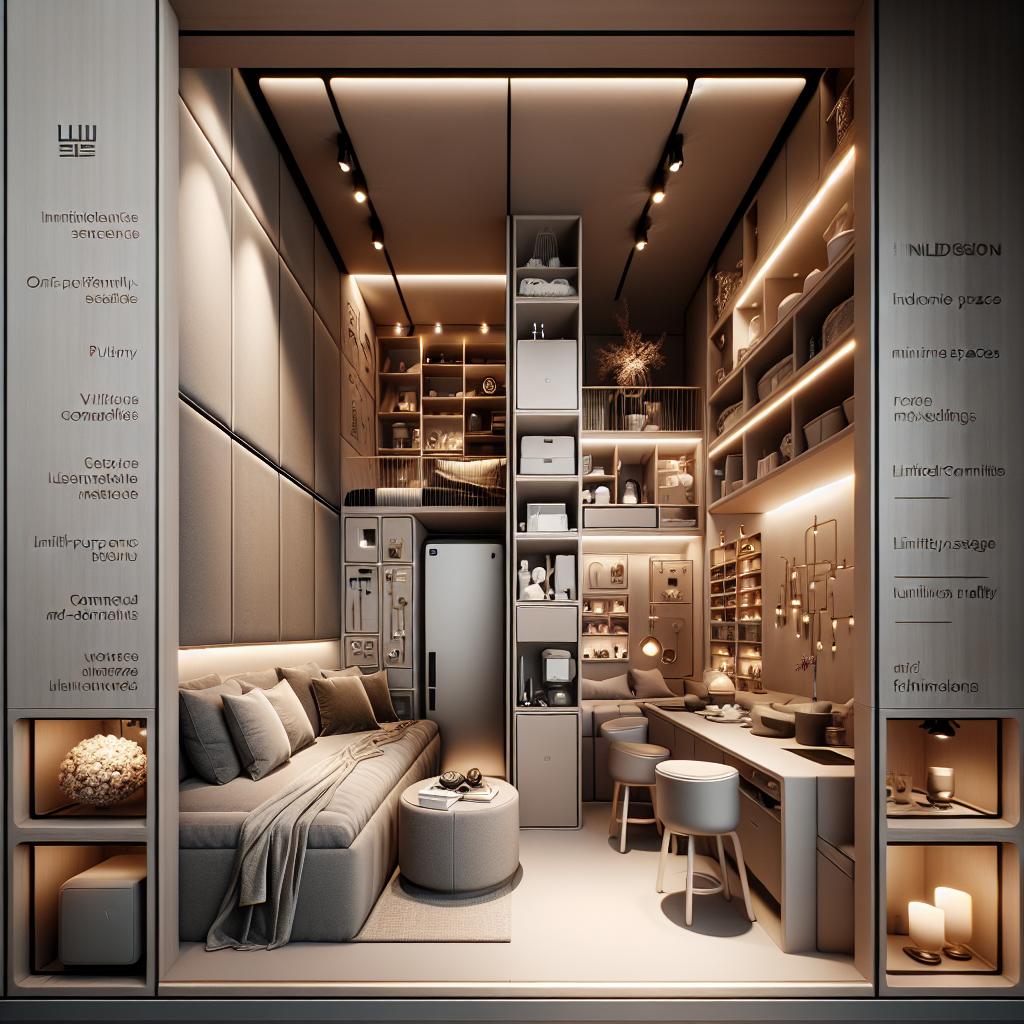
In today’s fast-paced world, where urban living often means making the most of limited space, the concept of luxurious minimalism has taken center stage. The power of petite living spaces lies in their ability to combine functionality with high-end design, creating an environment that feels both opulent and efficient. As more people gravitate towards city living, the demand for luxury design in compact spaces has grown, leading to innovative solutions that maximize every square inch without sacrificing style.
One of the key elements in achieving luxurious minimalism is the careful selection of furniture. In small spaces, every piece must serve a purpose, often pulling double duty to ensure that the area remains uncluttered. For instance, a sleek sofa bed can transform a living room into a guest bedroom, while a stylish coffee table with hidden storage can keep essentials out of sight. By choosing furniture that is both beautiful and functional, you can create a space that feels open and inviting, despite its size.
Moreover, the use of color and light plays a crucial role in enhancing the perception of space. Light, neutral tones can make a room feel larger and more airy, while strategically placed mirrors can reflect light and create the illusion of depth. However, this doesn’t mean that bold colors are off-limits. A well-placed accent wall or a vibrant piece of art can add personality and warmth, making the space uniquely yours. The key is to strike a balance, ensuring that the overall aesthetic remains cohesive and uncluttered.
In addition to furniture and color, the choice of materials can elevate a compact space to new heights of luxury. High-quality materials such as marble, brass, and rich woods can add a touch of elegance and sophistication. These materials not only look stunning but also stand the test of time, ensuring that your space remains stylish for years to come. Incorporating textures through textiles like plush rugs or velvet cushions can also add depth and interest, making the space feel more layered and complete.
Furthermore, technology has become an invaluable ally in the quest for luxurious minimalism. Smart home devices can streamline daily tasks, allowing you to control lighting, temperature, and even window treatments with the touch of a button. This not only adds convenience but also helps maintain a clean, uncluttered look by reducing the need for multiple remotes and switches. Additionally, built-in speakers and hidden charging stations can keep cords and gadgets out of sight, preserving the sleek aesthetic of your space.
Finally, personal touches are what truly make a space feel like home. In a compact area, it’s important to curate your belongings carefully, displaying only those items that bring you joy or hold special meaning. This might include a collection of travel souvenirs, a few cherished books, or a selection of family photos. By surrounding yourself with things you love, you can create a space that feels luxurious and personal, no matter its size.
In conclusion, the power of petite living spaces lies in their ability to combine luxury with practicality. Through thoughtful design choices, such as multifunctional furniture, strategic use of color and light, high-quality materials, and smart technology, you can create a compact space that feels both elegant and efficient. By embracing the principles of luxurious minimalism, you can transform even the smallest of spaces into a stylish sanctuary that reflects your unique taste and lifestyle.
Transformative Furniture: Multi-Functional Pieces for Petite Homes
In today’s world, where urban living often means making the most out of limited square footage, the art of designing compact spaces has become more crucial than ever. The power of petite living is not just about squeezing into smaller spaces but about embracing a lifestyle that values quality over quantity. One of the most exciting aspects of this trend is the rise of transformative furniture—multi-functional pieces that are as stylish as they are practical. These innovative designs are redefining luxury in small spaces, proving that you don’t need a sprawling estate to live in style.
Imagine walking into a tiny apartment that feels as spacious as a loft. The secret? Clever furniture that adapts to your needs. Take, for instance, the humble sofa. In a petite home, a sofa isn’t just a place to sit; it can transform into a bed for guests or even offer hidden storage for those extra blankets and pillows. This kind of versatility is a game-changer, allowing you to maximize every inch of your living area without sacrificing comfort or aesthetics.
Moreover, the dining table has undergone a similar transformation. In compact spaces, a traditional dining room might be a luxury you can’t afford. However, with extendable tables or wall-mounted drop-leaf designs, you can create a dining area that appears only when you need it. These tables can be tucked away to free up space for other activities, making them perfect for those who love to entertain but don’t have the room for a permanent setup.
Transitioning from the dining area to the workspace, the home office has also seen a revolution in design. With more people working from home, the need for a dedicated workspace is undeniable. Yet, in a petite home, dedicating an entire room to an office might not be feasible. Enter the fold-away desk or the wall-mounted workstation. These pieces can be discreetly hidden when not in use, allowing your living space to remain uncluttered and serene.
In addition to these practical solutions, the aesthetic appeal of multi-functional furniture cannot be overstated. Designers are crafting pieces that are not only functional but also visually stunning. The use of high-quality materials and sleek designs ensures that these pieces enhance the overall look of your home. Whether it’s a coffee table that doubles as a storage unit or a bed with built-in bookshelves, these items are designed to be both beautiful and useful.
Furthermore, the environmental benefits of multi-functional furniture are worth mentioning. By investing in pieces that serve multiple purposes, you’re reducing the need for additional furniture, which in turn minimizes waste. This approach aligns with a more sustainable lifestyle, which is increasingly important in today’s eco-conscious world.
In conclusion, the power of petite living lies in the ability to transform small spaces into luxurious havens through the use of multi-functional furniture. These innovative designs offer a perfect blend of style, practicality, and sustainability, making them ideal for anyone looking to make the most of their compact home. As we continue to embrace smaller living spaces, the demand for such transformative pieces will only grow, proving that luxury is not about the size of your home but how you choose to live in it.
Color and Light: Enhancing Small Spaces with Luxury Design Techniques
When it comes to luxury design, many people envision sprawling estates with grandiose rooms and expansive views. However, the true magic of luxury design lies in its ability to transform even the smallest of spaces into something extraordinary. The power of petite spaces is often underestimated, yet with the right techniques, they can exude the same opulence and sophistication as their larger counterparts. One of the most effective ways to enhance compact spaces is through the strategic use of color and light, which can dramatically alter the perception of size and create an inviting atmosphere.
To begin with, color plays a pivotal role in setting the tone and mood of a room. In small spaces, lighter hues are often the go-to choice as they reflect more light, making the area feel airy and open. Soft pastels, creamy whites, and gentle grays can create a serene backdrop that amplifies natural light, giving the illusion of a larger space. However, this doesn’t mean that bold colors are off-limits. In fact, incorporating rich, deep tones can add a touch of luxury and depth, especially when used as accent walls or in statement pieces. The key is balance; pairing a dark, sumptuous color with lighter elements can create a harmonious and sophisticated look.
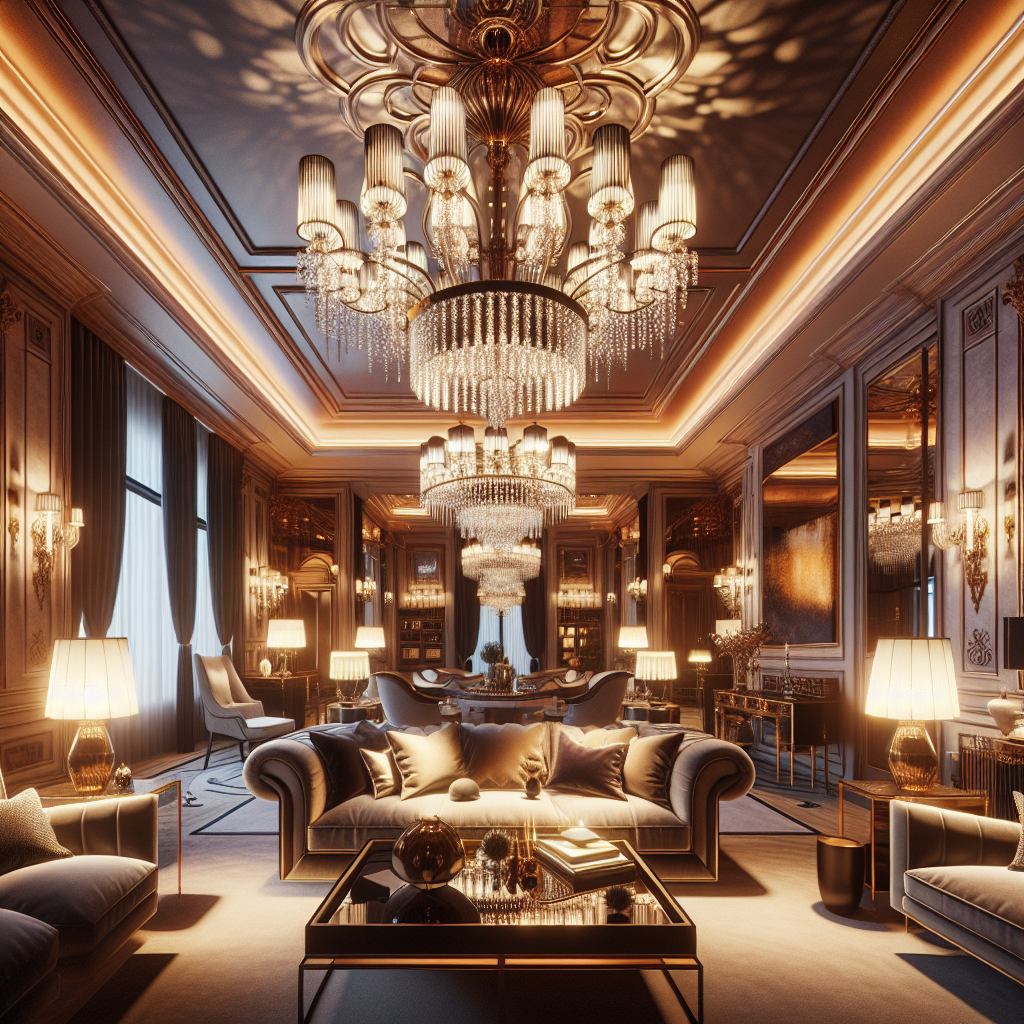
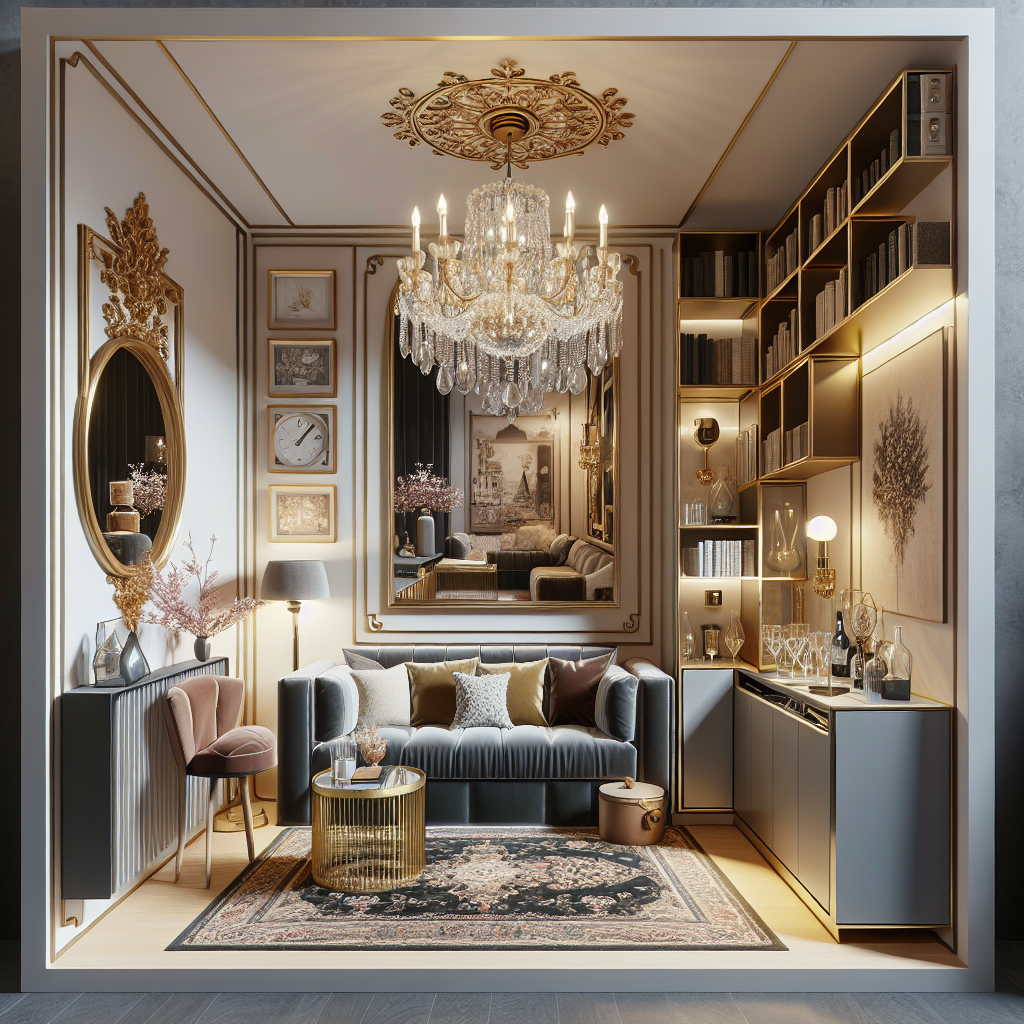
Transitioning from color to light, the importance of lighting in luxury design cannot be overstated. In compact spaces, lighting serves not only a functional purpose but also an aesthetic one. Layered lighting, which includes a mix of ambient, task, and accent lighting, can add dimension and warmth to a room. For instance, a stunning chandelier or a series of pendant lights can serve as a focal point, drawing the eye upward and creating a sense of height. Meanwhile, strategically placed sconces or table lamps can highlight architectural features or artwork, adding a touch of elegance and personality.
Moreover, natural light is a luxury in itself, and maximizing its presence can significantly enhance a small space. Large windows, if available, should be left unobstructed to allow sunlight to flood the room. Sheer curtains or blinds can provide privacy without sacrificing light. For spaces with limited natural light, mirrors can be a game-changer. By reflecting light and views, mirrors can double the perceived size of a room and add a layer of sophistication. A well-placed mirror can also act as a piece of art, contributing to the overall design aesthetic.
In addition to color and light, the choice of materials and textures can further elevate a compact space. Luxurious fabrics like silk, velvet, and cashmere can add a tactile richness that invites touch and comfort. Incorporating metallic finishes, such as gold or brass, can introduce a sense of glamour and opulence. These elements, when combined thoughtfully, can create a cohesive and luxurious environment that feels anything but cramped.
Ultimately, the power of petite spaces lies in their potential to be transformed into luxurious retreats through the clever use of color and light. By embracing these design techniques, even the smallest of spaces can become a testament to the elegance and sophistication that luxury design embodies. Whether it’s a cozy apartment or a compact room, the right approach can make all the difference, proving that luxury is not defined by size but by the experience it creates.
Conclusion
“The Power of Petite: Luxury Design for Compact Spaces” highlights the transformative potential of luxury design in small living areas. It emphasizes that with thoughtful planning, innovative solutions, and high-quality materials, even the most compact spaces can exude elegance and functionality. The book showcases how strategic use of color, lighting, and multi-functional furniture can maximize space without compromising on style. Ultimately, it demonstrates that luxury is not defined by size but by the creativity and care invested in the design process, proving that small spaces can indeed offer grand experiences.