Luxury in Small Spaces: Big Style for Compact Living
January 19, 2021
Sculptural Furniture: When Form Meets Function in High-End Design
February 2, 2021
-
Table of Contents
- Introduction
- Embracing Elegance: How The New Traditionalism Blends Classic and Contemporary Design
- Timeless Textures: Incorporating Traditional Materials in Modern Homes
- Color Palettes That Define The New Traditionalism
- Furniture Fusion: Mixing Antique and Modern Pieces for a Balanced Look
- The Role of Art and Decor in The New Traditionalism Aesthetic
- Conclusion
Introduction
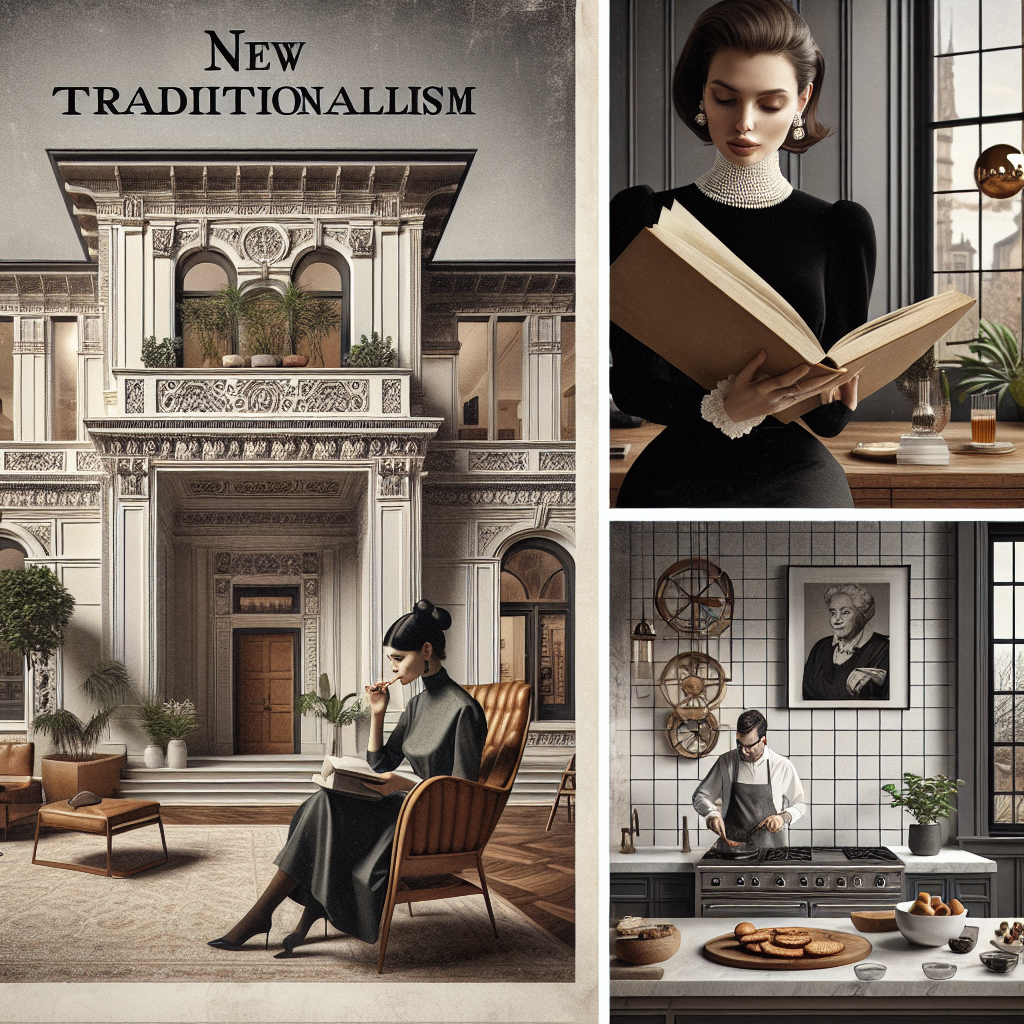
“The New Traditionalism: Updated Classic Styles for Contemporary Homes” explores the resurgence of traditional design elements in modern interiors, blending timeless aesthetics with contemporary functionality. This design philosophy embraces the elegance and comfort of classic styles, such as Georgian, Victorian, and Colonial, while integrating modern materials, technology, and sensibilities. The book delves into how homeowners and designers are reinterpreting traditional motifs, patterns, and furnishings to create spaces that honor the past yet feel fresh and relevant. Through a collection of inspiring examples and expert insights, it showcases how the warmth and familiarity of traditional design can coexist harmoniously with the clean lines and open spaces of modern architecture, offering a sophisticated and inviting atmosphere for today’s living.
Embracing Elegance: How The New Traditionalism Blends Classic and Contemporary Design
In recent years, a fascinating trend has emerged in the world of interior design, known as “The New Traditionalism.” This style beautifully marries the timeless elegance of classic design with the sleek, clean lines of contemporary aesthetics. As homeowners seek to create spaces that are both stylish and comfortable, this approach offers the perfect solution. By blending the best of both worlds, The New Traditionalism allows for a harmonious balance that feels both fresh and familiar.
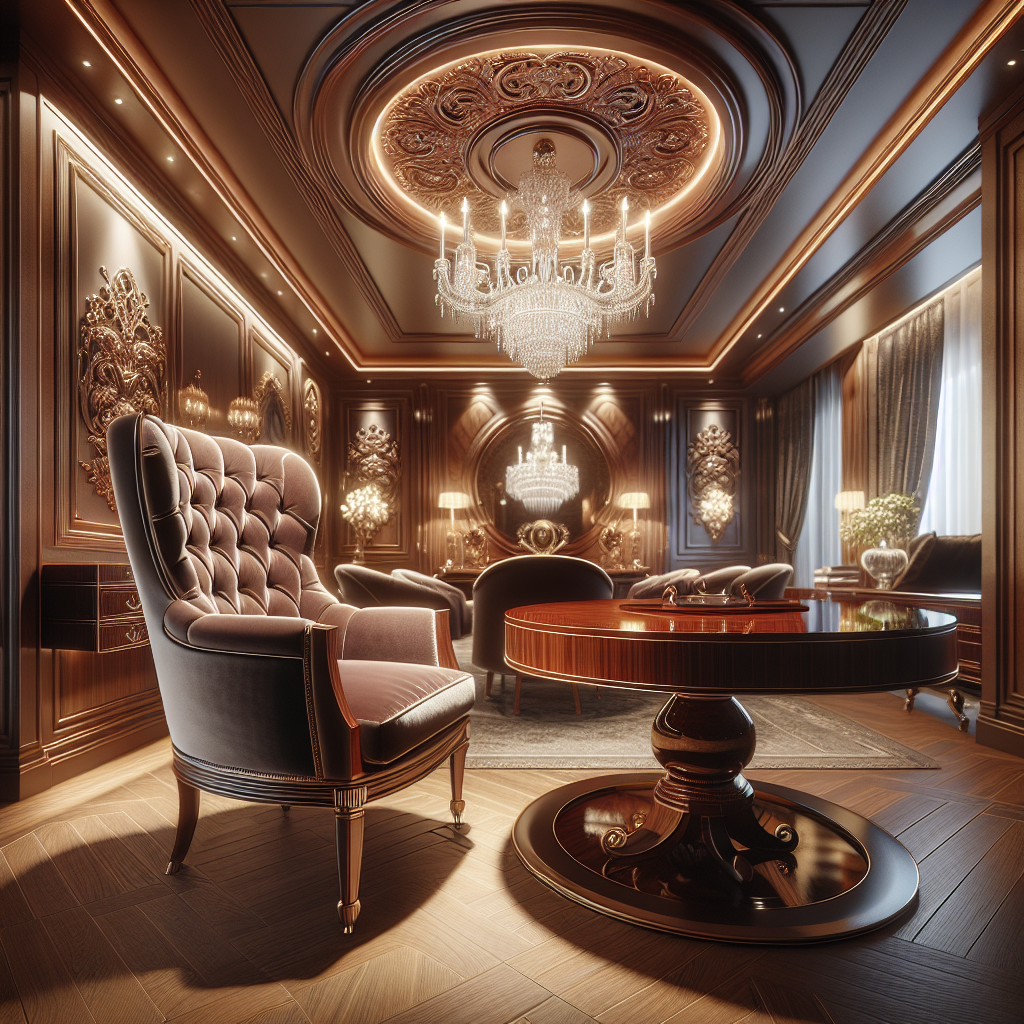
To begin with, one of the key elements of this design style is its emphasis on quality and craftsmanship. Traditional design has always been about celebrating the beauty of well-made furniture and decor, and this remains true in its modern iteration. However, The New Traditionalism updates these classic pieces with contemporary touches, such as bold colors or unexpected materials. For instance, a classic wingback chair might be reimagined in a vibrant velvet fabric, or a traditional wooden dining table could feature sleek metal legs. These updates not only breathe new life into familiar forms but also ensure that they fit seamlessly into modern homes.
Moreover, The New Traditionalism is all about creating spaces that feel inviting and lived-in. While contemporary design can sometimes come across as cold or impersonal, this style embraces warmth and comfort. Think plush sofas, layered textiles, and a mix of patterns that add depth and interest to a room. By incorporating elements like these, homeowners can create spaces that are not only beautiful but also functional and welcoming. This approach encourages people to truly live in their homes, rather than treating them as showpieces.
In addition to furniture and textiles, The New Traditionalism also pays close attention to color palettes. While traditional design often leans towards rich, deep hues, this updated style incorporates a wider range of colors. Soft pastels, muted earth tones, and even pops of bright color can all find a place in a New Traditionalist home. This flexibility allows homeowners to express their personal style while still maintaining a cohesive look. Furthermore, by using color strategically, it’s possible to highlight architectural features or create focal points within a room.
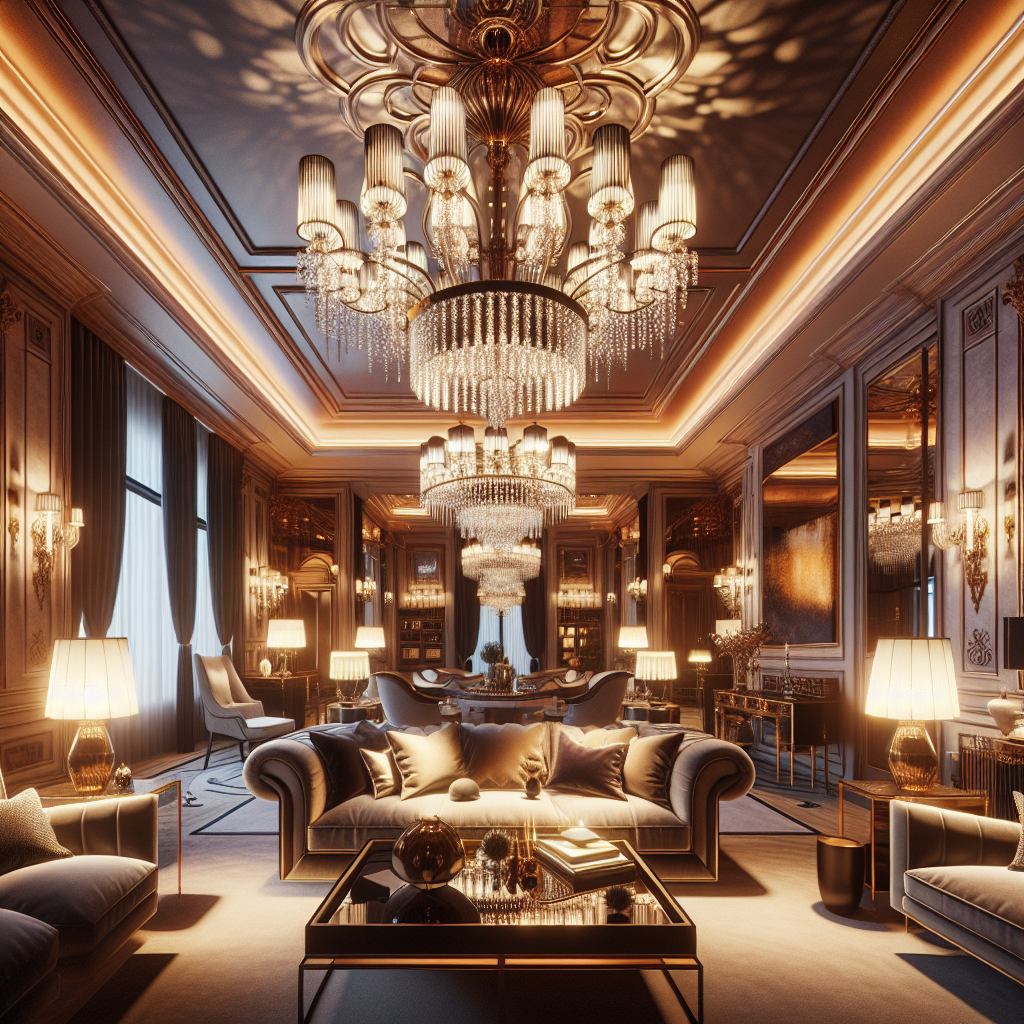
Lighting is another crucial aspect of The New Traditionalism. In this style, lighting serves both a functional and decorative purpose. Classic chandeliers or sconces can be paired with modern pendant lights or floor lamps to create a layered lighting scheme that adds both ambiance and practicality. This mix of old and new ensures that spaces are well-lit and visually interesting, enhancing the overall design.
Finally, accessories play a vital role in bringing The New Traditionalism to life. From artwork to decorative objects, these finishing touches help to personalize a space and tie the design together. Mixing vintage finds with contemporary pieces can add character and charm, while also reflecting the homeowner’s unique taste. Whether it’s a collection of antique vases or a modern sculpture, these elements add depth and personality to a room.
In conclusion, The New Traditionalism offers a fresh take on classic design, making it an ideal choice for those who appreciate both elegance and modernity. By thoughtfully blending traditional elements with contemporary updates, this style creates spaces that are both timeless and current. As more people embrace this approach, it’s clear that The New Traditionalism is here to stay, offering a perfect blend of past and present for today’s homes.
Timeless Textures: Incorporating Traditional Materials in Modern Homes
In recent years, there’s been a delightful resurgence of traditional materials making their way into modern homes, creating a harmonious blend of old and new. This trend, often referred to as “new traditionalism,” is all about embracing the timeless textures and classic styles that have stood the test of time, while seamlessly integrating them into contemporary spaces. It’s a movement that speaks to our desire for comfort, familiarity, and a touch of nostalgia, all while maintaining the sleek and functional aesthetics of modern design.
One of the most popular ways to incorporate traditional materials into modern homes is through the use of natural wood. Whether it’s a beautifully crafted oak dining table or rich walnut cabinetry, wood brings warmth and character to any space. Its versatility allows it to complement a variety of design styles, from minimalist to eclectic. Moreover, wood’s natural grain and texture add depth and interest, making it a perfect choice for those looking to create a cozy yet sophisticated atmosphere.
In addition to wood, stone is another traditional material that has found its way back into the spotlight. From marble countertops to slate flooring, stone offers a sense of permanence and durability that is hard to match. Its natural variations in color and pattern make each piece unique, adding a layer of individuality to your home. Stone can be used in both subtle and bold ways, whether as a statement fireplace surround or as a simple backsplash in the kitchen. Its timeless appeal ensures that it will never go out of style, making it a wise investment for any homeowner.
Transitioning from stone, let’s talk about textiles. Fabrics like linen, wool, and cotton have been staples in home design for centuries, and for good reason. These materials are not only durable but also incredibly versatile. Linen drapes, for instance, can soften the look of a room while allowing natural light to filter through, creating a serene and inviting environment. Wool rugs add texture and warmth underfoot, making them perfect for grounding a space and adding a touch of coziness. By incorporating these traditional textiles, you can effortlessly blend comfort with style.
Another way to embrace traditional materials is through the use of metals such as brass and copper. These metals have a rich history in design and are making a comeback in modern homes. Brass fixtures and hardware can add a touch of elegance and sophistication, while copper accents bring warmth and a hint of rustic charm. Whether used in lighting, furniture, or decorative accessories, metals can provide a striking contrast to softer materials, creating a balanced and cohesive look.
As we continue to explore the possibilities of new traditionalism, it’s important to remember that the key to success lies in balance. By thoughtfully combining traditional materials with modern design elements, you can create a home that feels both timeless and contemporary. It’s about finding the right mix of textures, colors, and finishes that resonate with your personal style and enhance the overall aesthetic of your space. So, whether you’re renovating an old home or building a new one, consider incorporating these timeless textures to create a space that is uniquely yours. After all, the beauty of new traditionalism is that it allows us to honor the past while looking forward to the future.
Color Palettes That Define The New Traditionalism
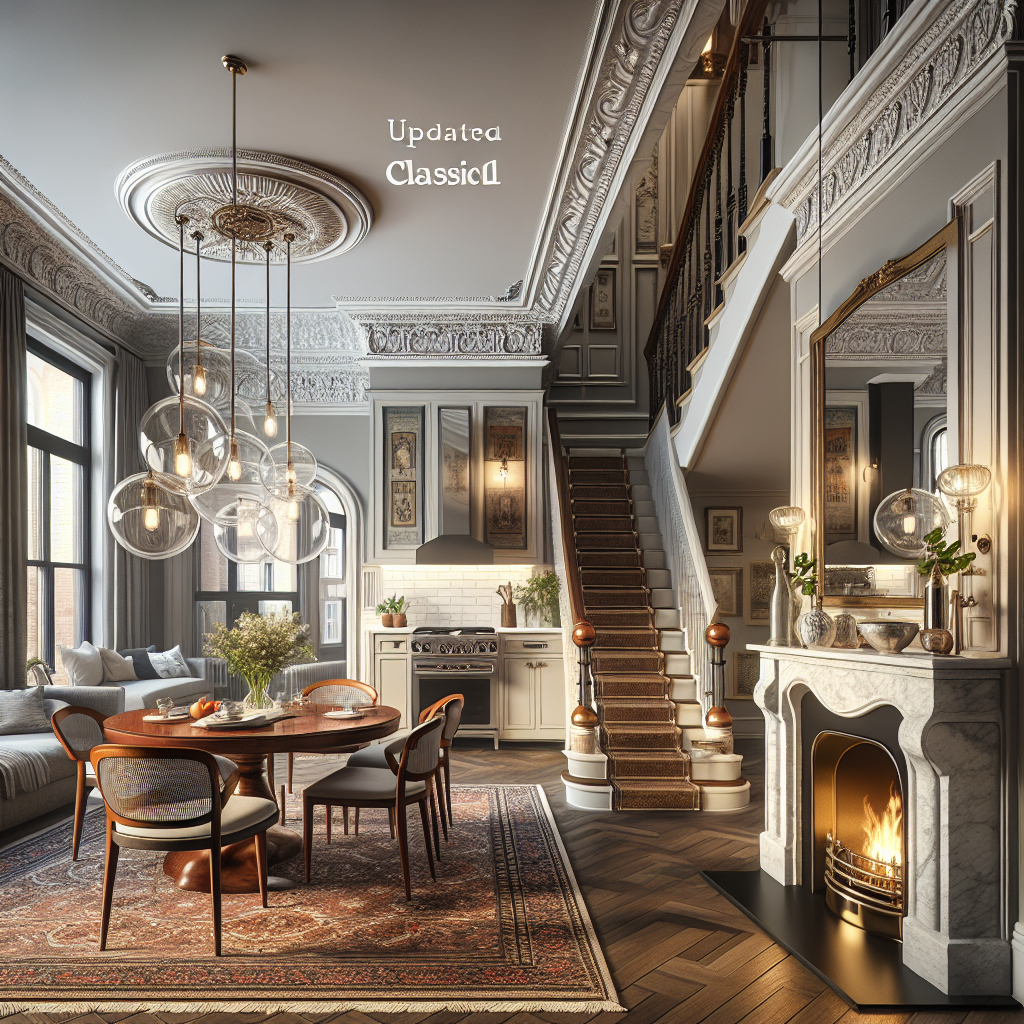
In the world of interior design, the concept of “new traditionalism” has been gaining traction, offering a fresh take on classic styles that seamlessly blend the old with the new. At the heart of this movement is the use of color palettes that redefine traditional aesthetics for contemporary homes. These palettes are not just about choosing colors that look good together; they are about creating a sense of harmony and balance that resonates with modern sensibilities while paying homage to timeless design principles.
To begin with, one of the most striking aspects of new traditionalism is its embrace of rich, saturated colors that evoke a sense of warmth and comfort. Think deep navy blues, forest greens, and burgundy reds. These colors are reminiscent of classic interiors but are used in a way that feels fresh and updated. For instance, a deep navy might be paired with crisp white trim and modern metallic accents, creating a space that feels both sophisticated and inviting. This approach allows homeowners to enjoy the elegance of traditional colors without feeling like they are stepping back in time.
Moreover, new traditionalism often incorporates softer, muted tones that add a layer of subtlety and sophistication to a space. Colors like dusty rose, soft taupe, and muted sage green are perfect examples. These hues provide a gentle backdrop that allows other design elements to shine, such as intricate moldings or statement furniture pieces. By using these softer tones, designers can create spaces that feel serene and timeless, yet undeniably modern.
In addition to these rich and muted tones, new traditionalism also embraces the use of unexpected color combinations that add a touch of whimsy and personality to a space. For example, pairing a classic color like hunter green with a pop of vibrant coral can create a dynamic and visually interesting room. This approach encourages homeowners to experiment with color in a way that feels personal and unique, while still maintaining a sense of cohesion and balance.
Furthermore, the new traditionalism movement often incorporates natural materials and textures, which can influence the color palette of a space. Earthy tones like terracotta, ochre, and warm browns are frequently used to complement natural wood finishes and stone surfaces. These colors not only enhance the natural beauty of these materials but also create a sense of warmth and grounding that is essential to the new traditional aesthetic.
As we explore these color palettes, it’s important to remember that the new traditionalism is all about creating spaces that feel both timeless and current. This means that while the colors themselves may be rooted in tradition, the way they are used is anything but conventional. Whether it’s through bold accent walls, unexpected color pairings, or the use of texture and pattern, the goal is to create a space that feels both familiar and fresh.
In conclusion, the color palettes that define the new traditionalism are all about balance and harmony. They draw from the rich history of traditional design while embracing the creativity and innovation of contemporary style. By carefully selecting colors that evoke a sense of warmth, sophistication, and personality, homeowners can create spaces that are not only beautiful but also deeply personal and inviting. So, whether you’re a fan of deep, saturated hues or prefer the subtlety of muted tones, there’s a new traditional color palette out there that’s perfect for your home.
Furniture Fusion: Mixing Antique and Modern Pieces for a Balanced Look
In recent years, the world of interior design has seen a delightful resurgence of what many are calling “The New Traditionalism.” This trend is all about blending the charm and elegance of classic styles with the sleek, clean lines of modern design. At the heart of this movement is the artful fusion of antique and contemporary furniture pieces, creating a balanced and inviting look that feels both timeless and fresh. If you’re looking to update your home with this harmonious blend, you’re in for a treat.
To begin with, it’s important to understand that mixing antique and modern furniture is not about simply placing an old chair next to a new table. Instead, it’s about creating a dialogue between the pieces, allowing them to complement and enhance each other. One way to achieve this is by focusing on a cohesive color palette. For instance, if you have a beautiful antique wooden sideboard, consider pairing it with a modern sofa in a complementary shade. This approach helps to create a sense of unity and flow throughout the space.
Moreover, texture plays a crucial role in this fusion. Antique pieces often bring rich textures and intricate details that can add depth and character to a room. To balance this, modern furniture typically offers smooth surfaces and minimalist designs. By juxtaposing these elements, you can create a dynamic and visually interesting environment. For example, a vintage velvet armchair can be beautifully offset by a sleek glass coffee table, allowing each piece to shine in its own right.
In addition to color and texture, scale is another key factor to consider. Mixing furniture from different eras can sometimes lead to mismatched proportions, which can disrupt the harmony of a room. To avoid this, pay attention to the size and scale of each piece. A large, ornate antique armoire might overwhelm a small space, but when paired with a streamlined modern desk, it can create a striking focal point without feeling overpowering.
Furthermore, don’t be afraid to let your personality shine through in your furniture choices. The New Traditionalism is all about celebrating individuality and personal style. If you have a cherished family heirloom or a quirky vintage find, incorporate it into your design scheme. These unique pieces can serve as conversation starters and add a layer of personal history to your home.
Lighting is another element that can help bridge the gap between antique and modern styles. Consider using a mix of vintage-inspired fixtures and contemporary lighting solutions to create a warm and inviting atmosphere. A classic chandelier can add a touch of elegance to a modern dining room, while sleek pendant lights can bring a contemporary edge to a more traditional space.
Ultimately, the key to successfully mixing antique and modern furniture lies in balance and intention. By thoughtfully curating your pieces and considering how they interact with one another, you can create a space that feels both cohesive and eclectic. The New Traditionalism offers a wonderful opportunity to embrace the best of both worlds, allowing you to enjoy the beauty of classic design while still keeping your home fresh and current. So go ahead, experiment with different combinations, and let your creativity guide you in crafting a home that truly reflects your unique style.
The Role of Art and Decor in The New Traditionalism Aesthetic
In the world of interior design, the New Traditionalism aesthetic is making waves by blending the charm of classic styles with the freshness of contemporary elements. This approach to home decor is all about creating spaces that feel both timeless and current, offering a sense of comfort and sophistication. At the heart of this design philosophy is the thoughtful use of art and decor, which plays a crucial role in achieving the perfect balance between old and new.
To begin with, art in New Traditionalism serves as a bridge between eras. By incorporating pieces that reflect both historical significance and modern sensibilities, homeowners can create a narrative that feels rich and layered. For instance, a classic oil painting with a gilded frame might hang alongside a sleek, abstract sculpture, each complementing the other while adding depth to the room. This juxtaposition not only highlights the beauty of each piece but also invites conversation and curiosity, making the space feel alive and engaging.
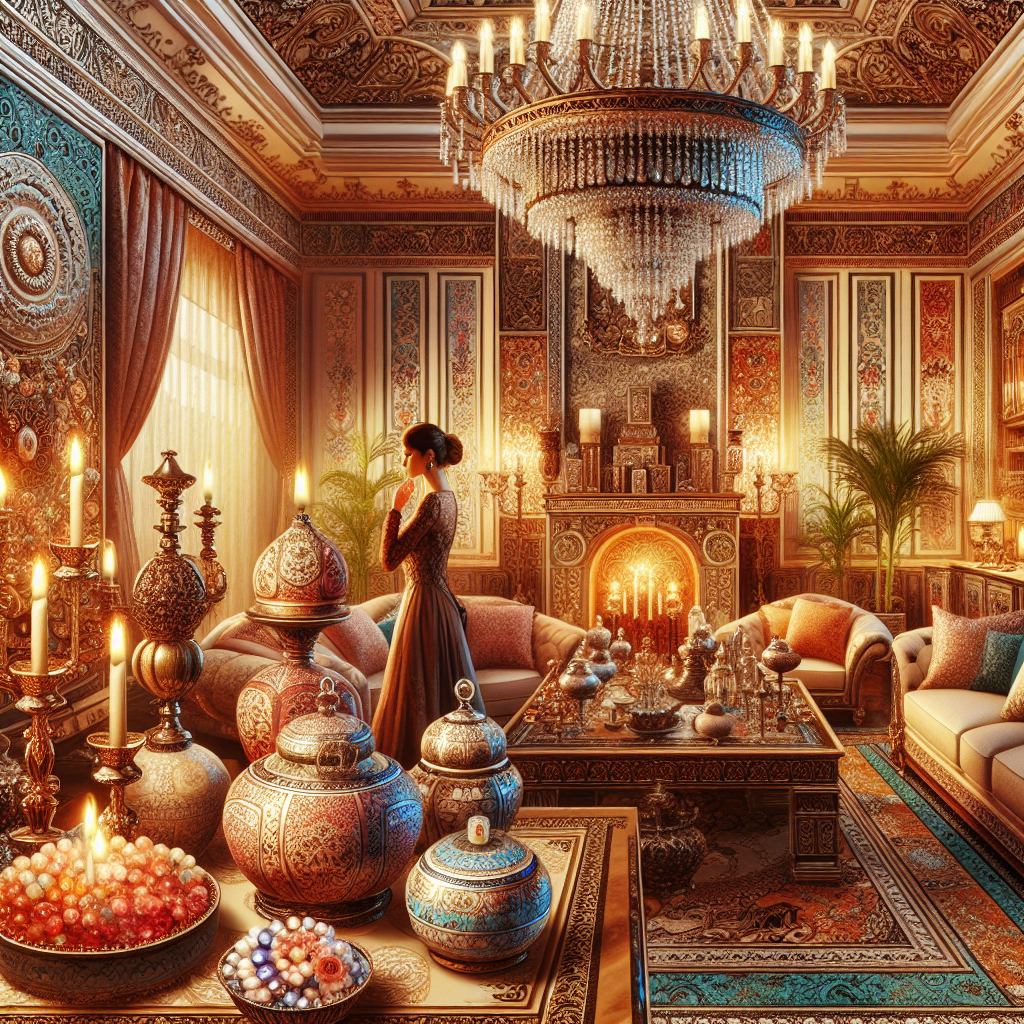
Moreover, decor in this style often involves a mix of textures and materials that echo traditional craftsmanship while embracing contemporary trends. Think of a plush velvet sofa paired with a minimalist glass coffee table, or a vintage Persian rug laid beneath a modernist light fixture. These combinations work because they respect the integrity of each element, allowing them to shine individually while contributing to a cohesive whole. The key is to maintain a sense of harmony, ensuring that no single piece overwhelms the others.
In addition to art and decor, color palettes play a significant role in the New Traditionalism aesthetic. While traditional styles might lean heavily on rich, deep hues, this updated approach often incorporates lighter, more neutral tones to create a sense of airiness and openness. Soft grays, muted blues, and warm whites can serve as a backdrop for more vibrant accents, such as a bold piece of artwork or a striking piece of furniture. This balance of color helps to modernize the space while still paying homage to classic design principles.
Furthermore, personal touches are essential in making a New Traditionalist home feel truly unique. Family heirlooms, cherished collectibles, and personal artwork can all find a place within this aesthetic, adding layers of meaning and history. By thoughtfully integrating these items into the decor, homeowners can create a space that feels deeply personal and reflective of their own story. This personal connection is what ultimately sets New Traditionalism apart from other design styles, as it prioritizes individuality and authenticity.
Lighting also plays a pivotal role in enhancing the New Traditionalism aesthetic. A well-placed chandelier or a pair of elegant sconces can add a touch of grandeur, while contemporary floor lamps or pendant lights can introduce a modern edge. The interplay of light and shadow can dramatically alter the mood of a room, highlighting the beauty of the art and decor while creating a warm and inviting atmosphere.
In conclusion, the New Traditionalism aesthetic is all about finding the perfect balance between the past and the present. Through the careful selection of art and decor, homeowners can create spaces that are both elegant and approachable, timeless yet fresh. By embracing this style, one can enjoy the best of both worlds, crafting a home that feels both familiar and exciting, a true reflection of one’s personal taste and style.
Conclusion
“The New Traditionalism: Updated Classic Styles for Contemporary Homes” explores the resurgence of traditional design elements in modern interiors, blending timeless aesthetics with contemporary functionality. This approach emphasizes the use of classic architectural details, rich textures, and elegant furnishings, while incorporating modern conveniences and open layouts. The result is a harmonious balance that respects historical influences while catering to present-day lifestyles, offering a versatile and enduring design philosophy that appeals to a wide range of homeowners seeking comfort, elegance, and a sense of continuity in their living spaces.