Brutalist Beauty: Raw Aesthetics in Refined Spaces
October 18, 2022
Chromatic Contrast: Bold Color Pairings in Upscale Interiors
November 1, 2022
-
Table of Contents
- Introduction
- Exploring the Elegance: How Floating Furniture Redefines Luxury Interiors
- The Art of Illusion: Creating Spaciousness with Weightless Furniture
- Innovative Materials: The Science Behind Floating Furniture Designs
- Transforming Spaces: The Impact of Floating Furniture on Modern Living
- Sustainable Luxury: Eco-Friendly Approaches to Floating Furniture Design
- Conclusion
Introduction
“The Luxury of Weightlessness: Floating Furniture Designs” explores the innovative realm of interior design where gravity-defying aesthetics meet functional elegance. This trend reimagines traditional furniture by incorporating elements that create the illusion of suspension, offering a sense of lightness and modern sophistication. By utilizing advanced materials and engineering techniques, designers craft pieces that appear to float effortlessly, transforming spaces into serene, futuristic environments. This approach not only enhances visual appeal but also maximizes spatial efficiency, making it a popular choice for contemporary homes and commercial spaces seeking a unique and airy ambiance.
Exploring the Elegance: How Floating Furniture Redefines Luxury Interiors
In the ever-evolving world of interior design, the concept of luxury is constantly being redefined. One of the most intriguing trends to emerge in recent years is the rise of floating furniture. This innovative design approach not only challenges traditional notions of space and gravity but also adds an element of elegance and sophistication to any interior. As we explore the allure of floating furniture, it becomes clear that this trend is more than just a fleeting fad; it is a testament to the creativity and ingenuity of modern design.
To begin with, floating furniture is characterized by its ability to create the illusion of weightlessness. This is achieved through clever engineering and design techniques that allow pieces to appear as though they are suspended in mid-air. For instance, floating shelves are mounted on hidden brackets, giving them a sleek, minimalist look that seems to defy gravity. Similarly, floating beds and sofas are often supported by discreetly placed legs or wall mounts, creating a sense of openness and space in a room. This illusion of weightlessness not only adds a touch of magic to an interior but also enhances the overall aesthetic by making spaces feel larger and more airy.
Moreover, the elegance of floating furniture lies in its ability to blend seamlessly with various design styles. Whether your home is adorned with modern, minimalist decor or boasts a more traditional, classic look, floating furniture can complement and enhance the existing aesthetic. The clean lines and understated elegance of these pieces make them versatile enough to fit into any design scheme. For example, a floating vanity in a bathroom can add a contemporary touch to a classic design, while a floating media console in a living room can provide a sleek, modern focal point.
In addition to its aesthetic appeal, floating furniture also offers practical benefits. By freeing up floor space, these designs can make a room feel less cluttered and more organized. This is particularly advantageous in smaller spaces, where every square inch counts. Floating furniture allows for easier cleaning and maintenance, as there are fewer nooks and crannies for dust to accumulate. Furthermore, the open space beneath floating pieces can be utilized for additional storage or simply left empty to enhance the feeling of spaciousness.
As we delve deeper into the world of floating furniture, it becomes evident that this trend is not just about aesthetics and practicality; it also reflects a shift in how we perceive and interact with our living spaces. The sense of freedom and lightness that floating furniture brings can have a profound impact on our mood and well-being. By creating an environment that feels open and uncluttered, we can foster a sense of calm and tranquility in our homes.
In conclusion, the luxury of weightlessness offered by floating furniture designs is redefining the way we think about interior spaces. With its ability to create the illusion of space, blend with various design styles, and offer practical benefits, floating furniture is a testament to the elegance and innovation of modern design. As we continue to explore the possibilities of this trend, it is clear that floating furniture is here to stay, offering a fresh perspective on luxury interiors that is both timeless and contemporary.
The Art of Illusion: Creating Spaciousness with Weightless Furniture
In the world of interior design, the quest for creating spaciousness often leads to innovative solutions that blend functionality with aesthetics. One such trend that has captured the imagination of designers and homeowners alike is the concept of floating furniture. This design approach not only adds a touch of modern elegance to any space but also creates an illusion of weightlessness, making rooms appear larger and more open. As we explore the art of illusion through floating furniture designs, it becomes clear that this trend is more than just a fleeting fad; it is a testament to the power of creativity in transforming living spaces.
Floating furniture, at its core, is about creating the perception that pieces are suspended in mid-air. This is achieved through clever design techniques, such as using hidden supports or transparent materials, which give the impression that furniture is defying gravity. For instance, floating shelves are a popular choice for those looking to maximize storage without sacrificing floor space. By mounting shelves directly onto walls without visible brackets, they appear to hover, adding a sleek and modern touch to any room. This not only enhances the aesthetic appeal but also draws the eye upward, creating a sense of vertical space that can make even the smallest rooms feel more expansive.
Moreover, floating furniture is not limited to shelves. Designers have extended this concept to a variety of pieces, including beds, desks, and even sofas. A floating bed, for example, can transform a bedroom into a serene oasis. By elevating the bed off the floor with concealed supports, the room instantly feels more open and airy. This design choice also allows for easier cleaning and maintenance, as the space beneath the bed is accessible and free from clutter. Similarly, floating desks are perfect for home offices or study areas, providing a minimalist look that encourages focus and productivity while maintaining a sense of spaciousness.
In addition to creating the illusion of more space, floating furniture designs often incorporate materials that enhance their weightless appearance. Glass and acrylic are popular choices, as their transparency allows light to pass through, further contributing to the airy feel of a room. These materials can be used in tabletops, chair legs, or even entire pieces, adding a touch of sophistication and modernity. The use of light colors and sleek lines also plays a crucial role in achieving the desired effect, as they help to maintain a clean and uncluttered look.
Transitioning from traditional furniture to floating designs may seem daunting at first, but the benefits are well worth the effort. Not only do these pieces offer a unique and stylish aesthetic, but they also provide practical solutions for maximizing space in smaller homes or apartments. By embracing the luxury of weightlessness, homeowners can create environments that feel both inviting and expansive, regardless of square footage.
As we continue to explore new ways to enhance our living spaces, the art of illusion through floating furniture designs remains a compelling option. It challenges conventional notions of interior design and encourages us to think outside the box, quite literally. Whether you’re looking to revamp a single room or undertake a complete home makeover, incorporating floating furniture can be a transformative experience. So why not take the plunge and let your imagination soar? After all, in the world of design, the sky’s the limit.
Innovative Materials: The Science Behind Floating Furniture Designs
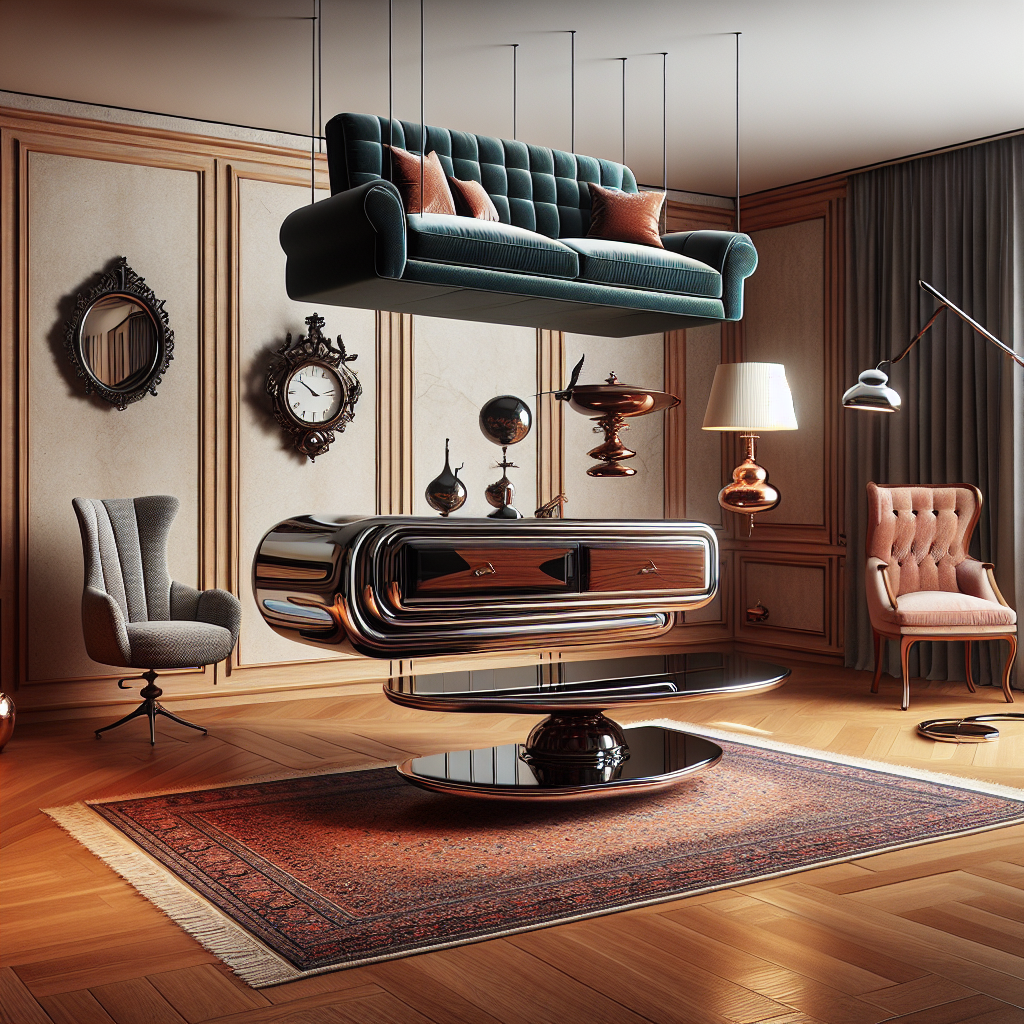
Floating furniture designs have captured the imagination of designers and homeowners alike, offering a unique blend of innovation and elegance. At the heart of these captivating creations lies the science of innovative materials, which makes the seemingly impossible possible. As we delve into the world of floating furniture, it becomes clear that the magic is not just in the design but also in the materials that bring these designs to life.
To begin with, one of the most fascinating aspects of floating furniture is the use of magnetic levitation. This technology, often referred to as maglev, relies on the principles of magnetism to create a cushion of air that allows objects to hover above a surface. By strategically placing magnets with opposing poles, designers can achieve a stable levitation effect. This not only gives the furniture a futuristic look but also provides a sense of weightlessness that is both intriguing and luxurious. The use of maglev technology in furniture design is a testament to how science can transform everyday objects into extraordinary pieces of art.
In addition to magnetic levitation, advancements in lightweight materials have also played a crucial role in the development of floating furniture. Materials such as carbon fiber and advanced composites are incredibly strong yet remarkably light, making them ideal for creating furniture that appears to defy gravity. These materials allow designers to craft pieces that are not only visually stunning but also practical and durable. The combination of strength and lightness ensures that floating furniture can withstand everyday use while maintaining its ethereal appearance.
Moreover, the integration of smart technology into floating furniture designs has further enhanced their appeal. Imagine a coffee table that not only floats but also charges your devices wirelessly or a floating shelf that adjusts its height with a simple voice command. These innovations are made possible by incorporating sensors and microprocessors into the furniture, allowing for seamless interaction between the user and the piece. This fusion of technology and design not only elevates the functionality of the furniture but also adds an element of surprise and delight to the user experience.
Furthermore, the aesthetic appeal of floating furniture cannot be overstated. The clean lines and minimalist design often associated with these pieces create a sense of openness and space in any room. By eliminating the need for traditional legs or supports, floating furniture allows for a more fluid and dynamic arrangement of space. This can be particularly beneficial in smaller living areas, where maximizing space is essential. The illusion of weightlessness adds a touch of sophistication and modernity, making floating furniture a popular choice for those looking to make a bold design statement.
As we explore the world of floating furniture, it becomes evident that the science behind these designs is as captivating as the pieces themselves. The use of innovative materials and technologies not only challenges our perceptions of what furniture can be but also opens up new possibilities for design and functionality. Whether it’s the allure of magnetic levitation, the strength of lightweight composites, or the integration of smart technology, floating furniture represents a perfect marriage of science and art. As designers continue to push the boundaries of what is possible, one can only imagine the exciting developments that lie ahead in the realm of floating furniture.
Transforming Spaces: The Impact of Floating Furniture on Modern Living
In recent years, the concept of floating furniture has taken the interior design world by storm, offering a fresh and innovative approach to modern living spaces. This trend, characterized by furniture pieces that appear to hover above the ground, has captured the imagination of homeowners and designers alike. The allure of floating furniture lies not only in its aesthetic appeal but also in its ability to transform spaces in ways that traditional furniture simply cannot.
To begin with, floating furniture creates an illusion of weightlessness that can make any room feel more open and airy. By elevating pieces such as shelves, beds, and even sofas, designers can craft an environment that feels less cluttered and more spacious. This is particularly beneficial in smaller living areas, where every square foot counts. The absence of bulky legs and bases allows for a seamless flow of space, making rooms appear larger than they actually are. Moreover, the clean lines and minimalist design of floating furniture contribute to a modern and sophisticated look that is both timeless and versatile.
Transitioning from aesthetics to functionality, floating furniture also offers practical benefits that enhance everyday living. For instance, floating shelves provide a sleek storage solution that maximizes wall space without encroaching on floor area. This is ideal for urban dwellers who often contend with limited square footage. Additionally, floating vanities in bathrooms not only add a touch of elegance but also make cleaning a breeze, as there are no nooks and crannies for dust to accumulate. The ease of maintenance is a significant advantage for those who lead busy lives and prefer low-maintenance home solutions.
Furthermore, the installation of floating furniture can be a fun and creative process. With a variety of materials and finishes available, homeowners can customize their pieces to reflect their personal style. Whether opting for the warmth of natural wood or the sleekness of metal and glass, the possibilities are endless. This customization extends to the arrangement of floating pieces as well. For example, staggered floating shelves can create an eye-catching display for books and decorative items, while a floating bed can serve as a stunning focal point in a bedroom.
As we delve deeper into the impact of floating furniture on modern living, it is important to consider the psychological effects of such designs. The sense of lightness and openness that floating furniture imparts can have a calming effect on the mind, promoting relaxation and well-being. In a world where stress and anxiety are all too common, creating a serene home environment is more important than ever. The subtle elegance of floating furniture can contribute to a peaceful atmosphere, making it easier to unwind after a long day.
In conclusion, the luxury of weightlessness offered by floating furniture designs is transforming spaces in remarkable ways. By combining aesthetic appeal with practical functionality, these innovative pieces are redefining modern living. Whether you are looking to maximize space, simplify maintenance, or create a tranquil retreat, floating furniture provides a stylish solution that caters to a variety of needs. As this trend continues to evolve, it is clear that the impact of floating furniture on contemporary interiors is both profound and enduring.
Sustainable Luxury: Eco-Friendly Approaches to Floating Furniture Design
In recent years, the world of interior design has seen a fascinating trend that combines the allure of luxury with the principles of sustainability: floating furniture. This innovative approach not only captivates with its ethereal aesthetics but also champions eco-friendly practices, making it a perfect fit for those who value both style and environmental responsibility. As we delve into the realm of floating furniture, it becomes clear that this design choice is more than just a visual delight; it’s a testament to how luxury and sustainability can coexist harmoniously.
To begin with, floating furniture is characterized by its ability to create the illusion of weightlessness. This is achieved through clever design techniques that often involve wall-mounted fixtures or transparent materials, giving the impression that pieces are suspended in mid-air. The result is a sleek, modern look that can transform any space into a serene oasis. However, the appeal of floating furniture extends beyond its visual impact. By incorporating sustainable materials and practices, designers are redefining what it means to create luxury furniture.
One of the key aspects of sustainable floating furniture is the use of eco-friendly materials. Many designers are opting for reclaimed wood, recycled metals, and biodegradable fabrics, which not only reduce the environmental footprint but also add a unique character to each piece. For instance, reclaimed wood can bring a rustic charm and a sense of history to a modern design, while recycled metals offer a sleek, industrial edge. These materials are not only sustainable but also durable, ensuring that the furniture will stand the test of time.
Moreover, the production process of floating furniture often emphasizes sustainability. Many manufacturers are adopting practices that minimize waste and energy consumption. This includes using water-based finishes, which are less harmful to the environment compared to traditional solvent-based options, and implementing energy-efficient manufacturing techniques. By prioritizing these eco-friendly methods, designers are able to create luxurious pieces that are as kind to the planet as they are to the eye.
In addition to materials and production, the very concept of floating furniture contributes to sustainability. By maximizing space and creating an open, airy feel, these designs often require fewer pieces to achieve the desired aesthetic. This minimalist approach not only reduces the amount of resources needed but also encourages a more mindful consumption of goods. In a world where excess is often equated with luxury, floating furniture offers a refreshing alternative that values quality over quantity.
Furthermore, the versatility of floating furniture makes it an ideal choice for those looking to invest in sustainable luxury. These pieces can easily adapt to different styles and spaces, making them a long-lasting addition to any home. Whether it’s a floating bed that creates a tranquil sleeping environment or a wall-mounted desk that optimizes a small office space, the possibilities are endless. This adaptability ensures that the furniture remains relevant and functional, reducing the need for frequent replacements.
In conclusion, floating furniture represents a beautiful fusion of luxury and sustainability. By embracing eco-friendly materials, production methods, and design principles, this trend offers a glimpse into the future of interior design—one where elegance and environmental consciousness go hand in hand. As more people seek to create spaces that reflect their values, floating furniture stands out as a perfect embodiment of sustainable luxury, proving that style and sustainability are not mutually exclusive but rather, a match made in design heaven.
Conclusion
The Luxury of Weightlessness: Floating Furniture Designs explores the innovative and aesthetic appeal of furniture that appears to defy gravity, offering a sense of lightness and modernity to interior spaces. These designs often utilize clever engineering, transparent materials, and minimalist structures to create the illusion of floating, enhancing the spatial experience and providing a unique blend of functionality and art. The trend reflects a growing desire for interiors that feel open and airy, while also showcasing cutting-edge design and craftsmanship. Ultimately, floating furniture represents a fusion of technology and creativity, pushing the boundaries of traditional furniture design and offering a luxurious, ethereal quality to contemporary living environments.