Maximalism Done Right: Bold Choices for the Daring Decorator
November 3, 2020
Illuminating Elegance: The Role of Lighting in Luxury Interiors
November 17, 2020
-
Table of Contents
Introduction
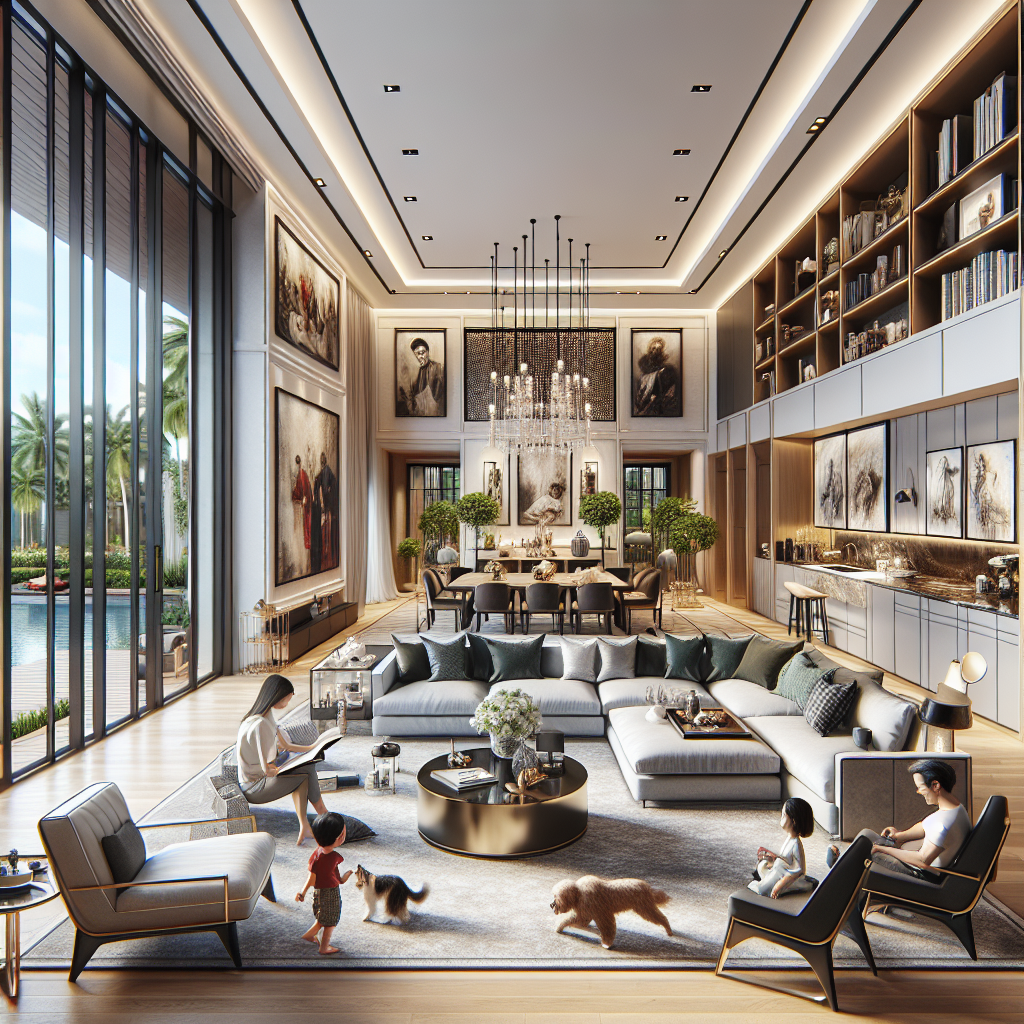
The Luxury of Space: Designing for Open Concept Living explores the transformative power of open floor plans in modern architecture and interior design. This design philosophy emphasizes the seamless integration of living spaces, creating an environment that fosters connectivity, fluidity, and a sense of expansiveness. By eliminating traditional barriers such as walls and partitions, open concept living redefines the way we interact with our homes, encouraging a harmonious blend of functionality and aesthetics. This approach not only maximizes natural light and optimizes spatial flow but also enhances the versatility of a home, allowing for personalized and adaptable living areas that cater to diverse lifestyles. As urban living spaces become increasingly compact, the luxury of space becomes a coveted commodity, making open concept design a compelling solution for those seeking both elegance and practicality in their living environments.
Maximizing Natural Light in Open Concept Spaces
When it comes to open concept living, one of the most appealing aspects is the abundance of natural light that can fill the space. Maximizing this natural light not only enhances the aesthetic appeal of your home but also creates a warm and inviting atmosphere. To make the most of this luxury, there are several strategies you can employ to ensure your open concept space is as bright and airy as possible.
First and foremost, consider the layout of your space. Open concept living thrives on the seamless flow between different areas, such as the kitchen, dining, and living room. By strategically placing furniture and decor, you can ensure that light travels unobstructed throughout the space. For instance, opting for low-profile furniture or pieces with open legs can prevent shadows and allow light to pass through more easily. Additionally, arranging seating areas near windows can make the most of the natural light available.
Another effective way to maximize natural light is by choosing the right color palette. Light, neutral colors such as whites, creams, and soft grays can reflect light, making the space feel larger and more open. These colors act as a blank canvas, allowing the natural light to bounce around the room. If you’re a fan of bold colors, consider using them as accents rather than the main color scheme. This way, you can add personality to your space without compromising on light.
Moreover, the materials you choose for your furnishings and decor can also play a significant role in enhancing natural light. Glass and mirrored surfaces are excellent choices as they reflect light and create an illusion of depth. Incorporating glass coffee tables, mirrored wall art, or even metallic finishes can add a touch of elegance while amplifying the light in your space. Similarly, sheer or light-filtering window treatments can allow sunlight to pour in while still providing some privacy.
In addition to these design elements, it’s important to consider the role of artificial lighting in complementing natural light. Layered lighting, which includes a mix of ambient, task, and accent lighting, can help maintain a bright and welcoming atmosphere even when natural light is limited. For example, pendant lights over a kitchen island or a statement chandelier in the dining area can add both style and functionality. Dimmable lights are also a great option, allowing you to adjust the brightness according to the time of day and mood.
Furthermore, don’t overlook the impact of outdoor elements on your indoor space. Landscaping choices, such as trimming trees or adding reflective surfaces like water features, can influence the amount of natural light that enters your home. Keeping windows clean and unobstructed by heavy drapes or furniture can also make a significant difference.
In conclusion, maximizing natural light in open concept spaces is all about thoughtful design choices that enhance the flow and brightness of your home. By considering layout, color palette, materials, and lighting, you can create a space that feels both luxurious and inviting. Embracing the natural light not only elevates the aesthetic of your home but also contributes to a more enjoyable and uplifting living environment. So, let the sunshine in and enjoy the beauty of open concept living at its finest.
Integrating Indoor and Outdoor Living Areas
In recent years, the concept of open living spaces has taken the design world by storm, offering a seamless blend of comfort, style, and functionality. As we continue to embrace this trend, integrating indoor and outdoor living areas has become a hallmark of modern luxury. Imagine stepping from your living room directly onto a sun-drenched patio, where the boundaries between inside and outside blur, creating a harmonious flow that invites nature into your home. This is the essence of open concept living, where the luxury of space is not just about square footage but about the freedom to move effortlessly between environments.
One of the key elements in achieving this integration is the use of large, sliding glass doors or bi-fold doors that can be fully opened to connect the interior with the exterior. These doors not only allow for an abundance of natural light to flood the indoor spaces but also provide an unobstructed view of the garden or landscape beyond. The result is a living area that feels expansive and airy, enhancing the overall sense of openness. Moreover, the choice of materials plays a crucial role in this design approach. By using similar flooring materials both inside and out, such as stone tiles or wooden decking, you can create a visual continuity that further blurs the lines between the two spaces.
In addition to architectural elements, thoughtful landscaping can significantly enhance the integration of indoor and outdoor areas. Consider incorporating elements like water features, outdoor fireplaces, or lush greenery that can be enjoyed from both inside and outside. These features not only add to the aesthetic appeal but also create a sense of tranquility and relaxation, making your home a true sanctuary. Furthermore, strategically placed outdoor furniture can extend the comfort of your indoor living room to the patio or garden, providing additional seating and lounging options for family and guests.
Lighting is another important aspect to consider when designing for open concept living. By using a combination of ambient, task, and accent lighting, you can create a cohesive atmosphere that transitions smoothly from day to night. For instance, pendant lights or chandeliers can add a touch of elegance indoors, while string lights or lanterns can create a cozy, inviting ambiance outdoors. The key is to ensure that the lighting in both areas complements each other, enhancing the overall aesthetic and functionality of the space.
Moreover, the integration of smart home technology can elevate the experience of open concept living. Automated systems that control lighting, temperature, and even outdoor irrigation can make managing these spaces more convenient and efficient. Imagine adjusting the lighting or music with a simple voice command as you move from the kitchen to the garden, or having your outdoor heaters turn on automatically as the evening chill sets in. These innovations not only add to the luxury of your home but also contribute to a more sustainable and energy-efficient lifestyle.
Ultimately, the luxury of space in open concept living is about creating a seamless connection between the indoors and outdoors, where each area enhances the other. By thoughtfully considering elements such as architecture, materials, landscaping, lighting, and technology, you can design a home that not only looks beautiful but also feels harmonious and inviting. Whether you’re entertaining guests or simply enjoying a quiet evening with family, the integration of indoor and outdoor living areas offers a unique and luxurious way to experience your home.
The Role of Minimalism in Open Concept Design
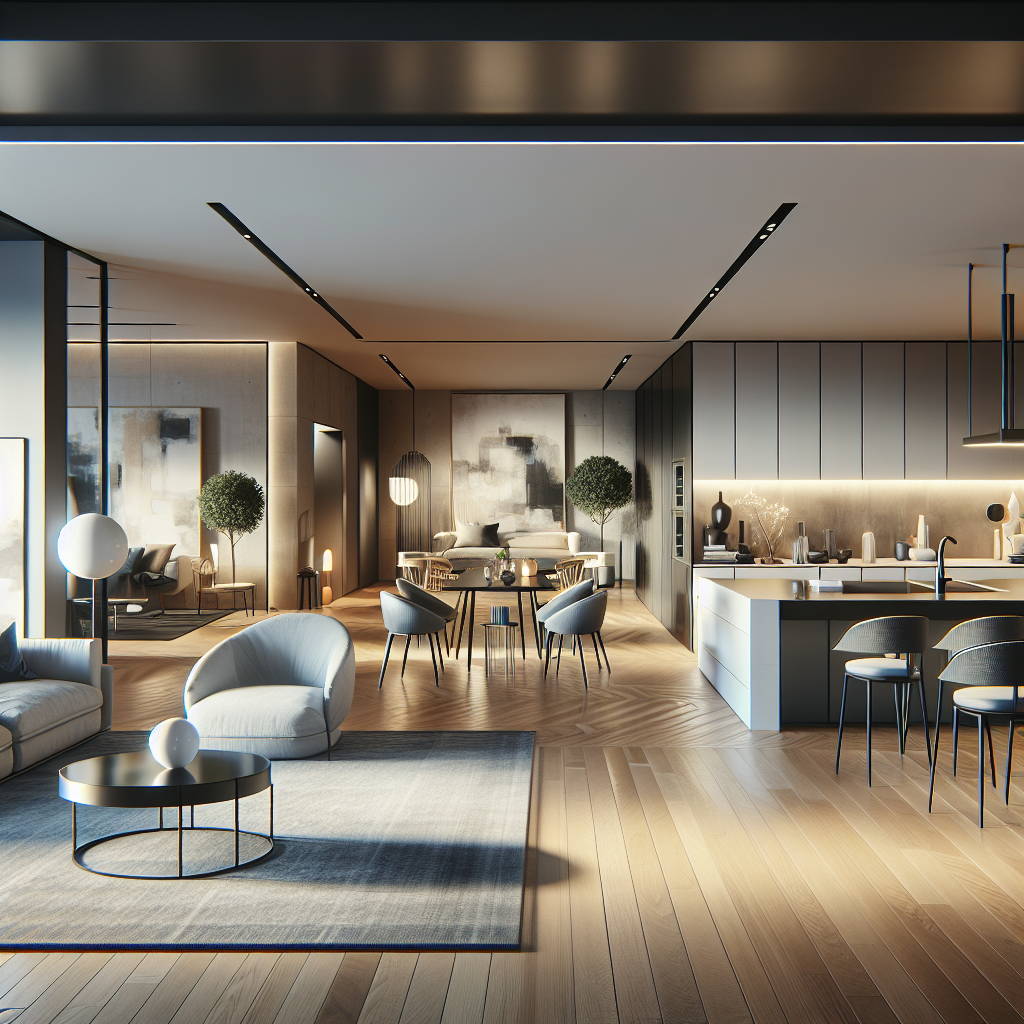
In recent years, the allure of open concept living has captured the hearts of homeowners and designers alike, offering a sense of freedom and fluidity that traditional layouts often lack. At the heart of this design philosophy lies minimalism, a movement that champions simplicity and functionality. By embracing minimalism, open concept spaces can truly shine, creating environments that are both inviting and efficient.
To begin with, minimalism in open concept design is all about maximizing space while minimizing clutter. This approach encourages the use of clean lines and a neutral color palette, which not only enhances the sense of openness but also allows for a seamless transition between different areas of the home. For instance, a living room that flows effortlessly into a kitchen or dining area can be achieved by using consistent flooring and complementary furniture styles. This continuity helps to unify the space, making it feel larger and more cohesive.
Moreover, minimalism emphasizes the importance of functionality, which is crucial in open concept living. By carefully selecting furniture and decor that serve a purpose, homeowners can avoid the pitfalls of overcrowding and disorganization. For example, opting for multi-functional pieces, such as a coffee table with hidden storage or a sofa that doubles as a guest bed, can help maintain a tidy and efficient space. This thoughtful approach not only enhances the aesthetic appeal but also ensures that every item has a place and a purpose.
In addition to functionality, minimalism in open concept design also encourages the use of natural light. Large windows and strategically placed mirrors can amplify the sense of space, creating a bright and airy atmosphere. By allowing natural light to flood the room, the boundaries between indoor and outdoor spaces blur, further enhancing the open concept feel. This connection to the outdoors can be particularly beneficial in urban environments, where access to nature is often limited.
Furthermore, minimalism promotes the idea of intentional living, which aligns perfectly with the principles of open concept design. By curating a space that reflects personal values and priorities, homeowners can create an environment that supports their lifestyle. This might mean prioritizing a spacious kitchen for those who love to cook or designing a cozy reading nook for book enthusiasts. Whatever the focus, the key is to ensure that the space is tailored to the needs and desires of its inhabitants.
As we consider the role of minimalism in open concept design, it’s important to remember that less is often more. By stripping away the unnecessary and focusing on what truly matters, homeowners can create spaces that are not only beautiful but also functional and meaningful. This approach encourages a sense of calm and tranquility, allowing individuals to fully enjoy their surroundings without the distractions of excess.
In conclusion, the luxury of space in open concept living is best achieved through the principles of minimalism. By embracing simplicity, functionality, and intentionality, homeowners can design spaces that are both aesthetically pleasing and practical. As we continue to seek balance and harmony in our living environments, the marriage of minimalism and open concept design offers a promising path forward, inviting us to live more mindfully and with greater appreciation for the spaces we call home.
Creating Functional Zones in Open Layouts
Open concept living has become a hallmark of modern home design, offering a sense of spaciousness and fluidity that many homeowners crave. The luxury of space is not just about having more room; it’s about creating an environment that feels open, inviting, and versatile. However, with this openness comes the challenge of designing functional zones that maintain the flow while serving distinct purposes. Fortunately, with a few thoughtful strategies, you can create a harmonious balance between openness and functionality.
To begin with, one of the most effective ways to delineate spaces in an open layout is through the strategic use of furniture. For instance, a well-placed sofa can act as a natural divider between the living area and the dining space. By positioning the back of the sofa towards the dining area, you create a visual boundary without the need for walls. Similarly, a large area rug can anchor a seating arrangement, subtly defining the living room within the larger open space. This approach not only maintains the open feel but also provides a cozy, intimate setting for relaxation.
In addition to furniture, lighting plays a crucial role in creating functional zones. Different lighting fixtures can be used to highlight specific areas, such as pendant lights over the dining table or a statement chandelier in the living room. By varying the lighting, you can draw attention to different parts of the space, guiding the flow and enhancing the ambiance. Moreover, dimmable lights offer flexibility, allowing you to adjust the mood according to the occasion, whether it’s a lively dinner party or a quiet evening at home.
Color and texture are also powerful tools in defining zones within an open concept layout. While a cohesive color palette is essential for maintaining a unified look, subtle variations can help distinguish different areas. For example, a bold accent wall in the dining area can create a focal point, while softer hues in the living space promote relaxation. Textures, such as a plush throw on the sofa or a sleek, glossy finish on the kitchen cabinets, add depth and interest, further enhancing the sense of distinct yet connected spaces.
Another consideration is the use of architectural elements to subtly separate areas. Partial walls, columns, or even open shelving units can provide a sense of division without closing off the space. These elements can serve dual purposes, offering both functional storage and aesthetic appeal. Open shelving, for instance, can display decorative items or house everyday essentials, contributing to the overall design while maintaining the open concept.
Finally, it’s important to consider the flow of movement within the space. Arranging furniture in a way that encourages easy navigation is key to ensuring that the open layout remains practical and enjoyable. Pathways should be clear and intuitive, guiding residents and guests naturally from one zone to another. This thoughtful arrangement not only enhances functionality but also reinforces the sense of openness that defines the luxury of space.
In conclusion, designing functional zones in an open concept living space is all about balance. By using furniture, lighting, color, texture, and architectural elements strategically, you can create distinct areas that serve specific purposes while maintaining the overall flow and openness. With these techniques, you can enjoy the best of both worlds: the luxury of space and the practicality of well-defined zones.
The Impact of High Ceilings on Spaciousness
When it comes to creating a sense of spaciousness in a home, high ceilings are often the unsung heroes. They have a magical way of transforming a room, making it feel larger, airier, and more inviting. Imagine walking into a room where the ceiling seems to stretch endlessly above you; it’s almost as if the space is giving you a warm, welcoming hug. This is the luxury of space that high ceilings can offer, and it’s a key element in designing for open concept living.
High ceilings do more than just add vertical space; they also enhance the flow of natural light. With more room for windows, or even the addition of skylights, sunlight can pour in, illuminating every corner and creating a bright, cheerful atmosphere. This natural light not only makes the space feel bigger but also brings out the colors and textures of your interior design, making everything look more vibrant and alive. It’s like having your own personal spotlight, highlighting the beauty of your home.
Moreover, high ceilings provide an opportunity to play with scale and proportion in your decor. You can opt for larger pieces of art or statement lighting fixtures that might overwhelm a room with standard ceiling heights. Imagine a grand chandelier or an oversized piece of artwork that draws the eye upward, adding drama and elegance to the space. These elements can serve as focal points, creating a sense of cohesion and balance in an open concept design.
Transitioning from aesthetics to functionality, high ceilings also offer practical benefits. They can improve air circulation, which is particularly advantageous in warmer climates. The extra vertical space allows hot air to rise, keeping the lower part of the room cooler and more comfortable. This can be a game-changer during those sweltering summer months, making your home not just more beautiful, but also more livable.
In addition, high ceilings can provide acoustic advantages. They help in dispersing sound, reducing echoes and creating a more pleasant auditory environment. This is especially beneficial in open concept living spaces where multiple activities might be happening simultaneously. Whether you’re cooking, watching TV, or having a conversation, the sound is less likely to bounce around and create a cacophony, allowing for a more harmonious living experience.
Of course, with great height comes great responsibility. High ceilings can sometimes make a space feel cold or impersonal if not designed thoughtfully. It’s important to incorporate elements that add warmth and coziness, such as textured fabrics, warm lighting, and strategically placed furniture. Rugs, curtains, and cushions can all contribute to creating a sense of intimacy and comfort, ensuring that the room feels inviting rather than cavernous.
In conclusion, high ceilings are a powerful tool in the arsenal of open concept living design. They offer a unique blend of aesthetic appeal and practical benefits, enhancing both the look and feel of a space. By thoughtfully incorporating high ceilings into your home, you can create an environment that is not only luxurious and spacious but also warm and welcoming. So, the next time you find yourself dreaming of a home that feels like a breath of fresh air, consider looking up—literally—and embracing the luxury of space that high ceilings provide.
Conclusion
The Luxury of Space: Designing for Open Concept Living emphasizes the transformative impact of open concept design in modern homes, highlighting its ability to create a sense of spaciousness, enhance natural light, and foster social interaction. By removing traditional barriers and walls, open concept living promotes a seamless flow between different areas, making spaces feel larger and more inviting. This design approach not only caters to contemporary aesthetic preferences but also aligns with the desire for multifunctional living environments that accommodate diverse lifestyles. Ultimately, the luxury of space in open concept living lies in its ability to blend functionality with elegance, offering a versatile and harmonious living experience.