Sculptural Lighting: Illumination as Art in High-End Interiors
December 13, 2022
Neo-Baroque: Ornate Opulence for the Modern Age
December 27, 2022
-
Table of Contents
- Introduction
- The Art of Acoustic Design: Blending Functionality with Luxury
- Transforming Spaces: The Role of Sound Absorption in Modern Interiors
- Luxury Materials in Acoustic Design: Elevating Aesthetic and Performance
- Innovative Sound Absorption Solutions for High-End Homes
- The Future of Acoustic Design: Merging Technology with Elegance
- Conclusion
Introduction
In the realm of interior design, where aesthetics and functionality converge, the art of acoustic design has emerged as a pivotal element in crafting luxurious spaces. “The Luxury of Acoustic Design: Sound Absorption in Style” delves into the sophisticated interplay between sound management and high-end design, exploring how innovative materials and techniques transform environments into serene sanctuaries. As modern architecture increasingly embraces open-plan layouts and expansive glass surfaces, the challenge of controlling acoustics without compromising on style has given rise to a new era of design solutions. This exploration highlights the seamless integration of sound-absorbing elements that not only enhance auditory comfort but also elevate the visual appeal of spaces, offering a harmonious blend of elegance and tranquility.
The Art of Acoustic Design: Blending Functionality with Luxury
When you think of luxury, your mind might drift to plush fabrics, exquisite finishes, or perhaps the gentle glow of ambient lighting. However, there’s an often-overlooked element that can elevate a space from merely beautiful to truly extraordinary: sound. The art of acoustic design is about more than just reducing noise; it’s about crafting an auditory experience that complements the visual and tactile elements of a room. Imagine stepping into a space where every sound is perfectly balanced, where echoes are softened, and where the acoustics enhance the overall ambiance. This is the luxury of acoustic design, where sound absorption meets style.
In recent years, the demand for acoustic solutions that don’t compromise on aesthetics has surged. Homeowners and designers alike are recognizing that a well-designed space should not only look good but also sound good. This shift in perspective has led to innovative approaches in acoustic design, where functionality and luxury are seamlessly blended. For instance, acoustic panels, once relegated to the realm of utilitarian necessity, have undergone a transformation. Today, they come in a variety of materials, colors, and patterns, allowing them to serve as both a functional element and a design statement.
Moreover, the integration of sound-absorbing materials into everyday furnishings is another trend gaining traction. Think of a sumptuous velvet sofa that not only invites you to sink into its depths but also subtly absorbs ambient noise, creating a cocoon of tranquility. Or consider a beautifully crafted wooden bookshelf that doubles as an acoustic diffuser, scattering sound waves to reduce harsh echoes. These dual-purpose designs are perfect examples of how acoustic considerations can be woven into the fabric of luxury interiors.
Transitioning from the living room to the workspace, the importance of acoustic design becomes even more apparent. In an era where remote work is increasingly common, creating a home office that fosters concentration and creativity is essential. Here, acoustic design plays a crucial role. By incorporating sound-absorbing elements, such as plush rugs, heavy drapes, or even strategically placed plants, one can create a serene environment that minimizes distractions and enhances productivity. The beauty of these solutions is that they don’t scream “acoustic treatment”; instead, they blend effortlessly into the overall design, maintaining the elegance and sophistication of the space.
Furthermore, the luxury of acoustic design extends beyond the home. High-end restaurants, boutique hotels, and even retail spaces are embracing the concept, recognizing that the auditory experience is a key component of customer satisfaction. A restaurant with poor acoustics can quickly become a cacophony of clattering dishes and overlapping conversations, detracting from the dining experience. Conversely, a space with thoughtfully designed acoustics can create an intimate atmosphere, where conversations flow easily and the background noise is a gentle hum rather than a disruptive roar.
In conclusion, the luxury of acoustic design is about more than just sound absorption; it’s about creating spaces that engage all the senses. By blending functionality with style, acoustic design enhances the overall experience of a space, making it not only visually appealing but also acoustically pleasing. As more people recognize the importance of sound in their environments, the demand for innovative acoustic solutions will continue to grow, paving the way for even more creative and luxurious designs. Whether in the home, the office, or a public space, the art of acoustic design offers a unique opportunity to elevate the everyday into something truly extraordinary.
Transforming Spaces: The Role of Sound Absorption in Modern Interiors
In the world of modern interiors, where aesthetics and functionality often go hand in hand, the role of sound absorption has become increasingly significant. As we spend more time indoors, whether at home or in the office, the quality of our acoustic environment can greatly influence our well-being and productivity. Imagine walking into a beautifully designed room, only to be greeted by an echo that disrupts the ambiance. This is where the luxury of acoustic design comes into play, transforming spaces into havens of tranquility and style.
Sound absorption is not just about eliminating noise; it’s about creating an environment where sound is controlled and pleasant. In recent years, designers have embraced this concept, integrating sound-absorbing materials into their projects in innovative and stylish ways. Gone are the days when acoustic panels were purely functional and, let’s be honest, a bit of an eyesore. Today, they are crafted to be as visually appealing as they are effective, blending seamlessly into the decor while enhancing the overall aesthetic.
One of the most exciting developments in acoustic design is the use of natural materials. Designers are increasingly turning to options like wool, cork, and even recycled materials to create sound-absorbing elements that are both sustainable and chic. These materials not only help in reducing noise but also add texture and warmth to a space, making it feel more inviting. For instance, a woolen wall hanging can serve as both an art piece and a sound absorber, offering a dual function that is both practical and beautiful.
Moreover, the versatility of acoustic design allows for creativity in unexpected places. Ceilings, often overlooked in interior design, have become a canvas for acoustic innovation. Suspended baffles and clouds, crafted in various shapes and colors, can transform a plain ceiling into a dynamic focal point. These elements not only enhance sound quality but also add a layer of visual interest that can elevate the entire room.
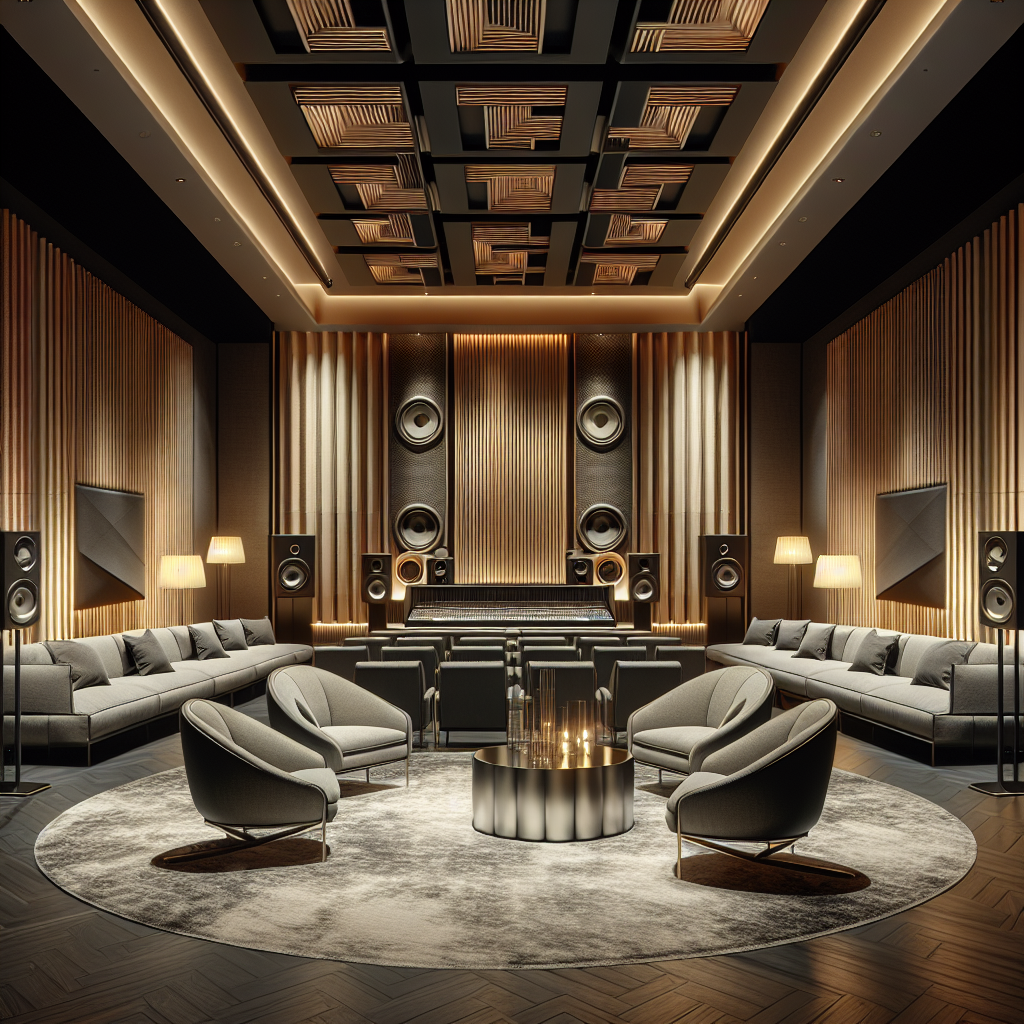
Transitioning from ceilings to walls, acoustic panels have evolved beyond the traditional square or rectangular shapes. Designers are experimenting with geometric patterns, three-dimensional forms, and even custom designs that reflect the personality of the space. This approach allows for a personalized touch, ensuring that the acoustic solutions are as unique as the interiors they inhabit.
In addition to aesthetics, the functionality of sound absorption cannot be overstated. In open-plan offices, for example, controlling noise levels is crucial for maintaining productivity and focus. Acoustic design can help create zones within these spaces, using sound-absorbing partitions or panels to delineate areas without the need for physical barriers. This not only improves acoustics but also fosters a sense of openness and collaboration.
As we continue to explore the possibilities of acoustic design, it’s clear that sound absorption is no longer just a technical requirement but an integral part of modern interior design. By embracing the luxury of acoustic solutions, we can create spaces that are not only visually stunning but also acoustically harmonious. Whether it’s a cozy living room, a bustling office, or a serene library, the right acoustic design can transform any space into a sanctuary of sound and style. So next time you step into a room, take a moment to listen. You might just hear the difference that thoughtful acoustic design can make.
Luxury Materials in Acoustic Design: Elevating Aesthetic and Performance
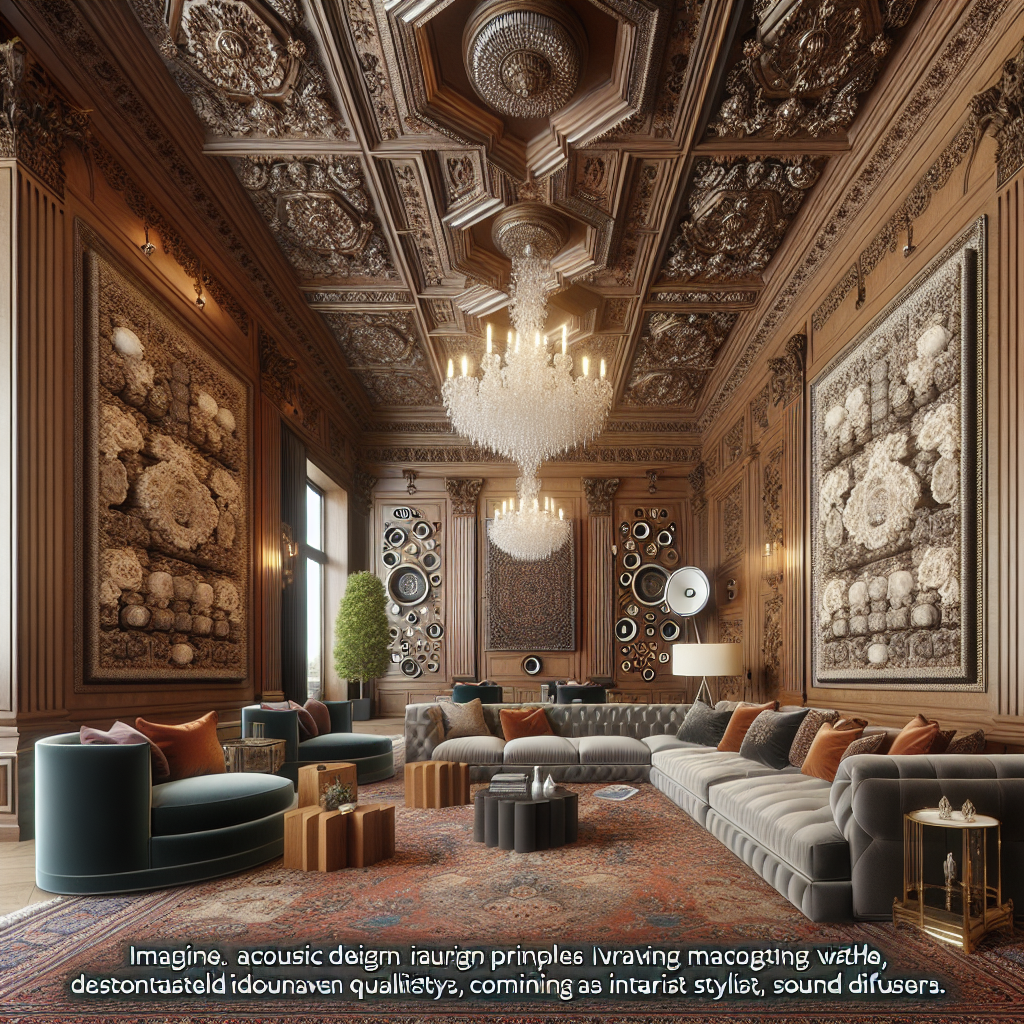
When it comes to luxury living, every detail matters, and acoustic design is no exception. Imagine stepping into a room where the sound is as refined as the decor, where every note of your favorite song resonates perfectly, and conversations flow without the intrusion of unwanted noise. This is the magic of sound absorption in style, where luxury materials meet acoustic design to create spaces that are not only visually stunning but also acoustically pleasing.
In the world of high-end interiors, the choice of materials plays a crucial role in defining the ambiance of a space. While aesthetics often take center stage, the acoustic properties of these materials are equally important. Enter the realm of luxury acoustic design, where materials like velvet, leather, and high-quality wood are not just chosen for their looks but also for their ability to enhance sound quality. These materials, with their rich textures and colors, add a layer of sophistication while effectively managing sound.
Velvet, for instance, is a classic choice in luxury acoustic design. Its dense fibers make it an excellent sound absorber, reducing echoes and creating a warm, intimate atmosphere. Whether draped as curtains or upholstered on furniture, velvet adds a touch of elegance while serving a functional purpose. Similarly, leather, with its smooth surface and durability, offers a unique blend of style and sound absorption. It’s perfect for spaces where you want to maintain a sleek, modern look without compromising on acoustic performance.
Transitioning to wood, this timeless material is a staple in luxury design for its versatility and natural beauty. But beyond its aesthetic appeal, wood is also a fantastic acoustic material. Different types of wood can be used to tailor the acoustic properties of a room. For example, softer woods like pine can absorb sound, while harder woods like oak can reflect it, allowing for a balanced acoustic environment. The grain and finish of the wood can further enhance its sound-absorbing qualities, making it a favorite among designers aiming for both style and substance.
Moreover, the integration of these luxury materials into acoustic design is not limited to traditional applications. Innovative designers are now exploring creative ways to incorporate sound-absorbing elements into art pieces, furniture, and even architectural features. Imagine a stunning wall installation that doubles as a sound absorber, or a chic coffee table that minimizes noise. These multifunctional designs not only elevate the aesthetic of a space but also contribute to its acoustic harmony.
As we delve deeper into the intersection of luxury and acoustic design, it becomes clear that the two are intrinsically linked. The choice of materials is no longer just about visual appeal; it’s about creating an environment that feels as good as it looks. This holistic approach to design ensures that every element in a space works together to enhance the overall experience.
In conclusion, the luxury of acoustic design lies in its ability to seamlessly blend style with performance. By choosing materials that are both beautiful and functional, designers can create spaces that offer a sensory experience like no other. Whether it’s the plush feel of velvet, the sleekness of leather, or the timeless elegance of wood, these materials elevate acoustic design to an art form, proving that sound absorption can indeed be done in style.
Innovative Sound Absorption Solutions for High-End Homes
When it comes to designing a high-end home, every detail matters, from the choice of materials to the color palette and the layout of the space. However, one aspect that often goes unnoticed, yet plays a crucial role in the overall ambiance, is sound. The luxury of acoustic design is an emerging trend that combines functionality with style, offering innovative sound absorption solutions that enhance the living experience without compromising on aesthetics.
Imagine walking into a room where the acoustics are perfectly balanced, allowing conversations to flow effortlessly without the intrusion of echoes or unwanted noise. This is the magic of sound absorption, a concept that has evolved significantly over the years. Today, it’s not just about reducing noise; it’s about creating an environment that feels as good as it looks. High-end homes are increasingly incorporating acoustic design elements that blend seamlessly with their luxurious interiors, making sound absorption a key component of modern living.
One of the most exciting developments in this field is the use of materials that are both effective in sound absorption and visually appealing. Gone are the days when acoustic panels were bulky and unattractive. Now, designers have a plethora of options at their disposal, from sleek, fabric-covered panels to custom-designed wall art that doubles as a sound absorber. These solutions not only enhance the acoustic quality of a space but also add a touch of elegance and sophistication.
Moreover, the integration of technology into acoustic design has opened up new possibilities. Smart acoustic systems can be tailored to the specific needs of a home, adjusting the sound environment based on the time of day or the type of activity taking place. For instance, a home theater might require different acoustic settings compared to a quiet reading nook. With the touch of a button, homeowners can transform their space to suit their mood or occasion, all while maintaining a high level of style and comfort.
In addition to traditional materials, sustainable options are gaining popularity in the world of acoustic design. Eco-friendly materials such as recycled wood, natural fibers, and even plant-based foams are being used to create sound-absorbing elements that are not only effective but also environmentally responsible. This shift towards sustainability reflects a broader trend in luxury home design, where the focus is on creating spaces that are both beautiful and kind to the planet.
Furthermore, the customization of acoustic solutions allows homeowners to express their personal style. Whether it’s a minimalist approach with clean lines and neutral tones or a bold statement with vibrant colors and patterns, the possibilities are endless. Designers are working closely with clients to ensure that the acoustic elements complement the overall design vision, resulting in spaces that are uniquely tailored to individual tastes and preferences.
As we continue to explore the intersection of sound and style, it’s clear that acoustic design is no longer an afterthought in high-end homes. It has become an integral part of the design process, offering innovative solutions that enhance the quality of life while adding a layer of luxury. By embracing the art of sound absorption, homeowners can create environments that are not only visually stunning but also acoustically harmonious, proving that true luxury lies in the details.
The Future of Acoustic Design: Merging Technology with Elegance
In recent years, the world of interior design has seen a fascinating evolution, where functionality and aesthetics are no longer mutually exclusive. One of the most intriguing developments in this realm is the luxury of acoustic design, where sound absorption meets style in a harmonious blend. As we look to the future, the merging of technology with elegance in acoustic design is set to redefine how we experience our living and working spaces.
Imagine walking into a room where the hustle and bustle of the outside world fades away, leaving you enveloped in a cocoon of tranquility. This is the promise of modern acoustic design, which goes beyond mere soundproofing to create an environment that enhances both comfort and sophistication. The key lies in innovative materials and technologies that absorb sound while adding a touch of elegance to any space. From plush, textured wall panels to sleek, minimalist ceiling tiles, the options are as varied as they are stylish.
One of the most exciting aspects of this trend is the use of sustainable materials. Designers are increasingly turning to eco-friendly options like recycled felt, bamboo, and even mycelium-based products. These materials not only offer excellent sound absorption properties but also contribute to a more sustainable future. By choosing these options, homeowners and businesses alike can enjoy the benefits of acoustic design without compromising on their environmental values.
Moreover, the integration of smart technology into acoustic design is opening up new possibilities for customization and control. Imagine being able to adjust the acoustics of a room with a simple voice command or through an app on your smartphone. This level of control allows for a personalized experience, whether you’re hosting a lively dinner party or settling in for a quiet evening with a book. The ability to tailor the sound environment to suit different activities is a luxury that is becoming increasingly accessible.
In addition to functionality, the aesthetic appeal of acoustic design cannot be overstated. Gone are the days of unsightly foam panels and drab soundproofing materials. Today, designers are creating pieces that are as much about visual impact as they are about acoustic performance. From bold geometric patterns to subtle, organic textures, these designs can serve as statement pieces or seamlessly blend into the existing decor. The result is a space that not only sounds good but looks good too.
Furthermore, the versatility of modern acoustic solutions means they can be applied in a variety of settings, from residential homes to commercial offices and public spaces. In open-plan offices, for example, acoustic design can help reduce noise distractions, leading to increased productivity and employee satisfaction. In restaurants and cafes, it can create a more pleasant dining experience by minimizing background noise. Even in educational settings, improved acoustics can enhance learning by ensuring that students can hear and be heard clearly.
As we move forward, the fusion of technology and elegance in acoustic design promises to transform our environments in ways we never thought possible. By prioritizing both form and function, this approach not only addresses the practical need for sound management but also elevates the overall aesthetic of a space. Whether you’re a homeowner looking to create a serene retreat or a business aiming to enhance your brand’s image, the luxury of acoustic design offers a stylish solution that is sure to resonate.
Conclusion
The Luxury of Acoustic Design: Sound Absorption in Style highlights the intersection of functionality and aesthetics in modern interior design. As spaces become increasingly multifunctional, the demand for effective sound management has grown, leading to innovative acoustic solutions that do not compromise on style. High-end materials and cutting-edge technologies are now being employed to create environments that are both acoustically optimized and visually appealing. This trend reflects a broader appreciation for the sensory experience of a space, where sound quality is as important as visual design. Ultimately, the luxury of acoustic design lies in its ability to seamlessly integrate sound absorption with sophisticated aesthetics, enhancing both the comfort and elegance of any environment.