Luxe Lucite: Transparency in Contemporary Interiors
May 9, 2023
Haute Hospitable: Luxury Design for Entertainment Spaces
May 23, 2023
-
Table of Contents
Introduction
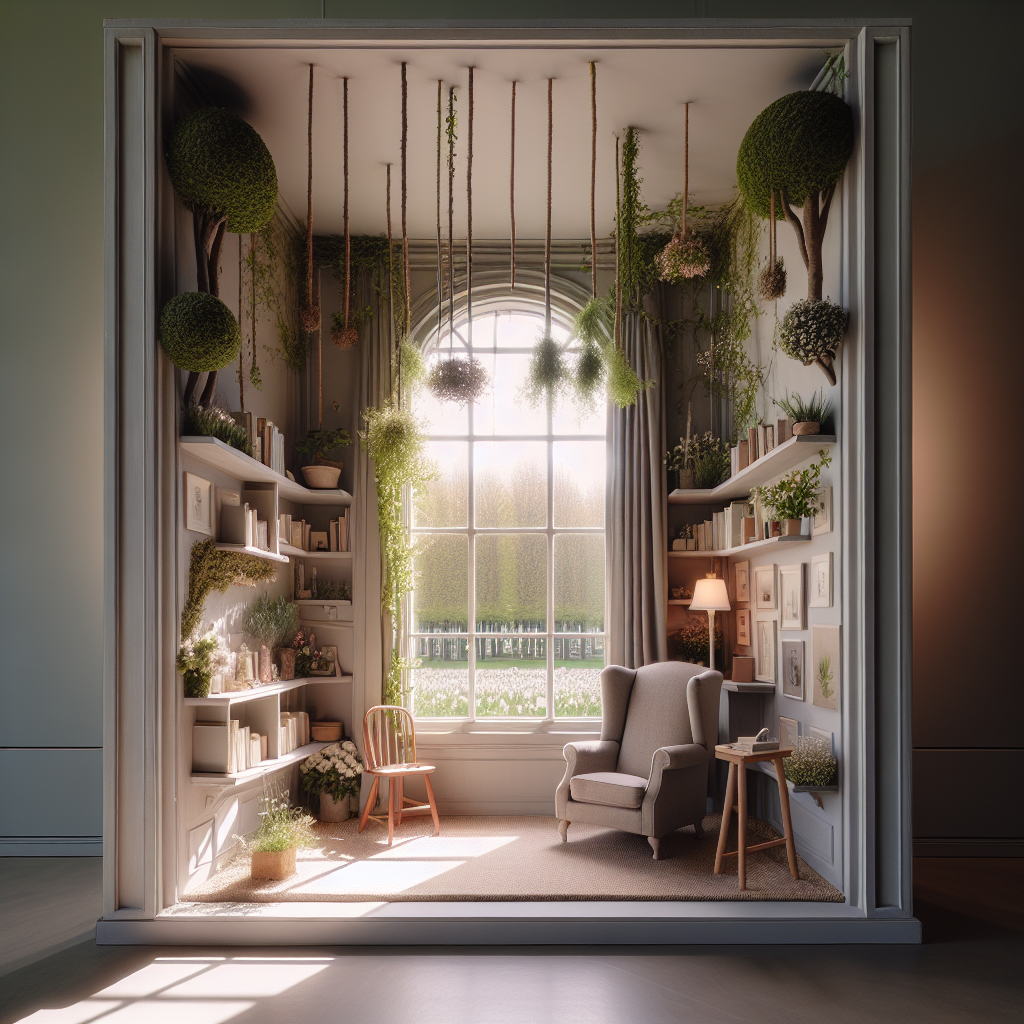
“The Art of the Alcove: Creating Intimate Spaces within Spaces” explores the timeless allure and functionality of alcoves in interior design. These small, recessed spaces within larger rooms offer a unique blend of privacy and openness, serving as cozy retreats or focal points that enhance the overall aesthetic of a home. This book delves into the historical significance of alcoves, their evolution in various cultures, and their modern-day applications. Through a combination of design principles, practical tips, and inspiring examples, readers will discover how to transform underutilized nooks into inviting sanctuaries that reflect personal style and maximize space efficiency. Whether used for reading, relaxation, or display, alcoves offer endless possibilities for creativity and comfort, making them a cherished element in the art of home design.
Designing Cozy Corners: The Essentials of Alcove Architecture
Creating intimate spaces within larger rooms is an art form that has been cherished for centuries, and alcove architecture is at the heart of this design philosophy. The beauty of alcoves lies in their ability to transform an ordinary room into a cozy haven, offering a sense of privacy and comfort without the need for additional walls. Whether you’re looking to carve out a reading nook, a meditation corner, or a small home office, understanding the essentials of alcove architecture can help you design the perfect cozy corner.
To begin with, it’s important to consider the purpose of your alcove. This will guide your design choices and help you select the right elements to include. For instance, if you’re creating a reading nook, you’ll want to focus on comfortable seating, good lighting, and perhaps a small bookshelf. On the other hand, a meditation corner might require soft cushions, calming colors, and minimal distractions. By clearly defining the purpose of your alcove, you can ensure that every element contributes to the overall ambiance and functionality of the space.
Once you’ve determined the purpose, the next step is to choose the right location within your room. Alcoves are often found in naturally occurring recesses, such as the space between two built-in bookshelves or the area beneath a staircase. However, you can also create an alcove by using furniture or decorative screens to section off a part of the room. When selecting a location, consider factors such as natural light, proximity to noise sources, and the flow of foot traffic. A well-placed alcove can become a peaceful retreat, while a poorly placed one might feel cramped or exposed.
Lighting plays a crucial role in setting the mood of your alcove. Natural light is always a plus, so if your alcove is near a window, take advantage of it. However, you’ll also want to incorporate artificial lighting to ensure the space is usable at all times of day. Consider using a combination of overhead lights, floor lamps, and table lamps to create a layered lighting effect. Dimmable lights can add versatility, allowing you to adjust the brightness to suit different activities and moods.
Furniture selection is another key aspect of alcove design. Since alcoves are typically smaller than the main room, it’s important to choose pieces that fit the scale of the space. Opt for furniture with clean lines and a compact footprint to avoid overwhelming the area. Multi-functional pieces, such as a storage ottoman or a fold-out desk, can maximize the utility of your alcove without sacrificing style. Additionally, incorporating soft textiles like throw blankets and cushions can enhance the coziness factor, making the space inviting and comfortable.
Finally, don’t forget to add personal touches that reflect your style and personality. Whether it’s a piece of artwork, a collection of your favorite books, or a few potted plants, these elements can make your alcove feel uniquely yours. By thoughtfully curating the decor, you can create a space that not only serves its intended purpose but also brings you joy and relaxation.
In conclusion, designing a cozy corner through alcove architecture is all about balancing form and function. By carefully considering the purpose, location, lighting, furniture, and personal touches, you can create an intimate space that enhances your home and provides a welcome escape from the hustle and bustle of everyday life.
Color and Texture: Enhancing Alcove Ambiance
Creating an alcove within your home is like crafting a secret nook that invites you to escape the hustle and bustle of everyday life. It’s a space that whispers tranquility and offers a cozy retreat, and the key to enhancing its ambiance lies in the thoughtful use of color and texture. These elements work in harmony to transform a simple corner into a captivating haven.
To begin with, color plays a pivotal role in setting the mood of your alcove. Soft, muted tones such as gentle blues, warm grays, or creamy whites can evoke a sense of calm and relaxation. These colors create a soothing backdrop that encourages you to unwind. On the other hand, if you’re aiming for a more vibrant and energetic feel, consider incorporating bold hues like deep teal or rich mustard. These colors can add a touch of drama and make the alcove a focal point within the room. Transitioning from one color to another can be achieved through the use of accent pieces, such as cushions or throws, which can easily be swapped out to refresh the space with the changing seasons.
Texture, meanwhile, adds depth and interest to your alcove, making it feel inviting and layered. Imagine sinking into a plush velvet chair or running your fingers over a chunky knit blanket. These tactile experiences can transform an alcove from a mere corner into a sensory delight. Mixing textures, such as pairing a smooth leather pouf with a soft wool rug, can create a dynamic contrast that draws you in. Additionally, incorporating natural materials like wood or stone can bring an earthy warmth to the space, grounding it in a sense of nature.
Lighting is another crucial element that can enhance the color and texture of your alcove. Soft, diffused lighting can highlight the subtle nuances of your chosen palette and materials, creating a cozy glow that invites relaxation. Consider using fairy lights or a small table lamp with a warm bulb to cast gentle shadows and add a touch of magic to the space. The interplay of light and shadow can accentuate textures, making them more pronounced and inviting.
Moreover, personal touches can infuse your alcove with character and charm. Displaying a collection of your favorite books, a cherished piece of art, or a few well-loved trinkets can make the space uniquely yours. These items not only add visual interest but also tell a story, making the alcove a reflection of your personality. As you curate these elements, think about how they interact with the colors and textures you’ve chosen, ensuring a cohesive and harmonious look.
In conclusion, the art of creating an intimate alcove lies in the careful balance of color and texture. By thoughtfully selecting hues that resonate with your desired mood and incorporating a variety of tactile materials, you can craft a space that feels both inviting and personal. As you experiment with these elements, remember that the ultimate goal is to create a sanctuary that offers comfort and respite, a little corner of the world that feels just right. So, go ahead and embrace the art of the alcove, and watch as your home transforms into a haven of warmth and style.
Multifunctional Alcoves: Blending Utility with Aesthetics
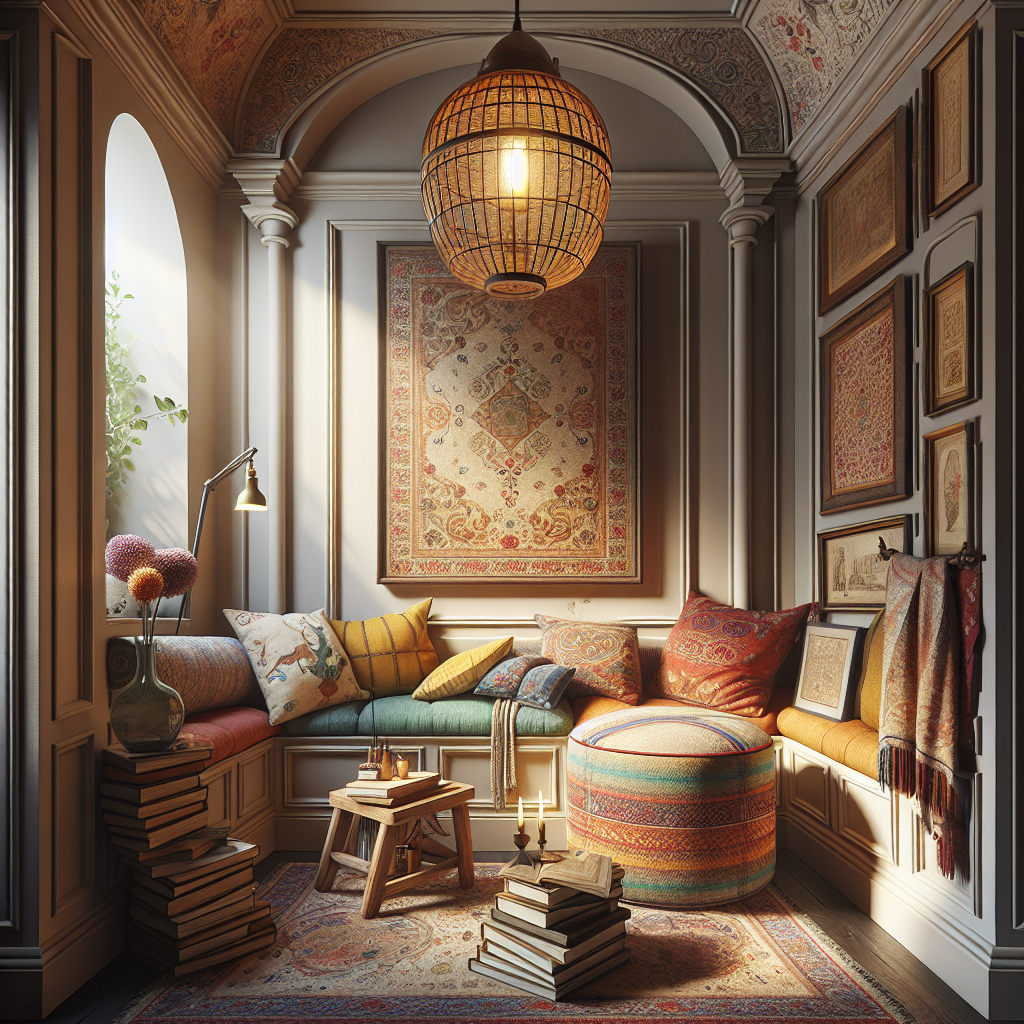
Creating intimate spaces within larger rooms is an art form that has been gaining popularity in recent years, and alcoves are at the heart of this trend. These small, recessed spaces offer a unique opportunity to blend utility with aesthetics, transforming any room into a multifunctional haven. Whether you’re looking to carve out a cozy reading nook, a compact home office, or a stylish display area, alcoves can be the perfect solution. The beauty of alcoves lies in their versatility, allowing homeowners to maximize their space without compromising on style.
One of the most appealing aspects of alcoves is their ability to serve multiple purposes. For instance, an alcove in the living room can be transformed into a mini-library by adding built-in shelves and a comfortable chair. This not only provides a dedicated space for reading but also adds a touch of sophistication to the room. Similarly, a bedroom alcove can be turned into a vanity area with the addition of a mirror and a small table, offering a private spot for morning routines. The key is to think creatively about how these spaces can be utilized to meet your specific needs.
Moreover, alcoves offer a fantastic opportunity to experiment with design elements that might be too bold for larger areas. Since alcoves are smaller, they can handle more daring choices, such as vibrant wallpaper, bold paint colors, or unique lighting fixtures. These design choices can create a striking contrast with the rest of the room, drawing attention to the alcove and making it a focal point. Additionally, incorporating personal touches like artwork or family photos can make the space feel even more intimate and inviting.
Transitioning from aesthetics to functionality, it’s important to consider how to make the most of the space within an alcove. Storage solutions are a great way to enhance the utility of these areas. For example, adding cabinets or drawers beneath a window seat alcove can provide hidden storage for blankets, books, or other items. In a kitchen, an alcove can be fitted with open shelves to display beautiful dishware or cookbooks, combining practicality with visual appeal. The goal is to ensure that every inch of the alcove is used effectively, without making the space feel cramped or cluttered.
Lighting also plays a crucial role in defining the ambiance of an alcove. Proper lighting can highlight the features of the space and create a warm, inviting atmosphere. Consider using wall sconces, pendant lights, or even fairy lights to add a touch of magic to your alcove. The right lighting can transform an ordinary nook into a cozy retreat, perfect for unwinding after a long day.
In conclusion, alcoves offer a unique blend of utility and aesthetics, making them an ideal choice for those looking to create intimate spaces within larger rooms. By thoughtfully considering the design and functionality of these areas, you can craft a space that not only meets your practical needs but also enhances the overall beauty of your home. Whether you’re drawn to the idea of a quiet reading corner, a chic display area, or a functional workspace, the art of the alcove allows you to explore endless possibilities. So, embrace your creativity and let your alcove become a reflection of your personal style and needs.
Lighting Techniques for Inviting Alcove Spaces
Creating an inviting alcove space is like crafting a cozy nook within the larger expanse of a room, and lighting plays a pivotal role in achieving this intimate atmosphere. When it comes to alcoves, the right lighting can transform a simple corner into a warm, welcoming retreat. To begin with, consider the purpose of your alcove. Is it a reading nook, a meditation corner, or perhaps a small dining area? Understanding its function will guide your lighting choices, ensuring that the space is not only beautiful but also practical.
For reading nooks, task lighting is essential. A well-placed floor lamp or a wall-mounted sconce can provide focused light, making it easier to dive into your favorite book. Opt for adjustable fixtures that allow you to direct the light exactly where you need it. This flexibility ensures that your eyes are comfortable, reducing strain and enhancing the overall reading experience. Additionally, consider using a bulb with a warm color temperature to create a cozy, inviting glow.
Transitioning to alcoves designed for relaxation, such as meditation corners, ambient lighting becomes key. Soft, diffused light can help create a serene environment, perfect for unwinding after a long day. String lights or LED strips can be subtly integrated into the alcove, casting a gentle glow that envelops the space. These lighting options are not only aesthetically pleasing but also energy-efficient, making them a sustainable choice for your home.
For those alcoves that serve as dining areas, pendant lights can add a touch of elegance and focus. Hanging a pendant light directly above the table can create a focal point, drawing attention to the alcove and making it feel like a distinct, separate area within the room. Choose a fixture that complements the overall decor of your home, whether it’s a sleek, modern design or a more traditional, ornate piece. The right pendant light can elevate the dining experience, making meals feel special and intimate.
Moreover, dimmable lighting is a versatile option for any alcove space. The ability to adjust the brightness allows you to tailor the atmosphere to suit different occasions. Whether you’re hosting a lively gathering or enjoying a quiet evening alone, dimmable lights provide the flexibility to set the perfect mood. Pairing dimmable lights with smart home technology can further enhance this experience, giving you control at your fingertips.
In addition to artificial lighting, don’t overlook the power of natural light. If your alcove is near a window, make the most of the daylight by using sheer curtains or blinds that can be easily adjusted. Natural light can make the space feel airy and open, while also highlighting the textures and colors within the alcove. As the day transitions to night, the interplay between natural and artificial light can add depth and dimension to the space.
Ultimately, the art of lighting an alcove lies in balancing functionality with aesthetics. By thoughtfully selecting and positioning your lighting fixtures, you can create an alcove that is not only visually appealing but also perfectly suited to its intended use. Whether it’s a place for reading, dining, or relaxation, the right lighting can make your alcove a cherished part of your home, inviting you to linger and enjoy its cozy embrace.
Personalizing Your Alcove: Decor Ideas for Unique Touches
Creating an alcove in your home is like crafting a little sanctuary within a larger space, offering a cozy retreat that reflects your personal style. Personalizing your alcove can transform it from a simple nook into a unique haven that speaks to your individuality. To begin with, consider the purpose of your alcove. Is it a reading nook, a meditation corner, or perhaps a mini art studio? Defining its function will guide your decor choices and help you create a cohesive look.
Once you have a purpose in mind, think about the color palette. Soft, muted tones can create a calming atmosphere, perfect for relaxation. On the other hand, bold colors can energize the space, making it ideal for creative pursuits. You might even consider a feature wall with wallpaper or a mural to add visual interest. Transitioning from color to texture, incorporating various materials can add depth and warmth to your alcove. Think plush cushions, a soft throw blanket, or a textured rug. These elements not only enhance comfort but also invite you to linger longer in your cozy corner.
Lighting is another crucial aspect to consider. Natural light is always a bonus, so if your alcove is near a window, make the most of it. For evening ambiance, fairy lights or a small lamp can create a warm glow, making the space feel inviting. Additionally, candles can add a touch of romance and tranquility, perfect for unwinding after a long day. As you move from lighting to furniture, selecting the right pieces is essential. A comfortable chair or a small loveseat can make all the difference, providing a perfect spot to curl up with a good book or simply relax. If space allows, a small side table can be both functional and stylish, offering a place to set down a cup of tea or display a few decorative items.
Speaking of decor, personal touches are what truly make an alcove special. Consider incorporating items that hold sentimental value, such as family photos, travel souvenirs, or artwork that inspires you. These elements not only personalize the space but also evoke fond memories and positive emotions. Plants are another excellent addition, bringing a touch of nature indoors. Whether you opt for a small potted plant or a hanging terrarium, greenery can breathe life into your alcove and create a sense of tranquility.
Transitioning from decor to functionality, storage solutions can help keep your alcove tidy and organized. Floating shelves or a small bookcase can provide space for books, art supplies, or other essentials, ensuring everything you need is within reach. This not only maximizes the utility of your alcove but also keeps it clutter-free, allowing you to fully enjoy your personalized space.
Finally, don’t be afraid to experiment and let your creativity shine. An alcove is a reflection of you, so feel free to mix and match styles, colors, and textures until it feels just right. Whether you prefer a minimalist aesthetic or a more eclectic vibe, the key is to create a space that feels like home. By thoughtfully personalizing your alcove, you can craft a unique retreat that offers comfort, inspiration, and a touch of magic within your home.
Conclusion
“The Art of the Alcove: Creating Intimate Spaces within Spaces” explores the transformative potential of alcoves in interior design, emphasizing their ability to carve out personal, cozy areas within larger environments. By strategically utilizing architectural features, furniture, and decor, alcoves can serve various functions, from reading nooks to meditation corners, enhancing both the aesthetic and functional aspects of a space. The book underscores the importance of thoughtful design in fostering intimacy and comfort, ultimately demonstrating how alcoves can enrich our living spaces by providing refuge and a sense of personal retreat.