Bespoke Boundaries: Custom Room Dividers in Open Spaces
June 20, 2023
Neo-Memphis: Playful Postmodernism in Contemporary Luxury
July 4, 2023
-
Table of Contents
- Introduction
- Harmonizing Spaces: The Role of Feng Shui in Luxury Interiors
- Balancing Elements: Integrating Feng Shui Principles in High-End Design
- Energy Flow: How Feng Shui Enhances Luxury Living Environments
- The Intersection of Elegance and Energy: Feng Shui in Upscale Homes
- Transformative Design: Elevating Luxury Spaces with Feng Shui Techniques
- Conclusion
Introduction
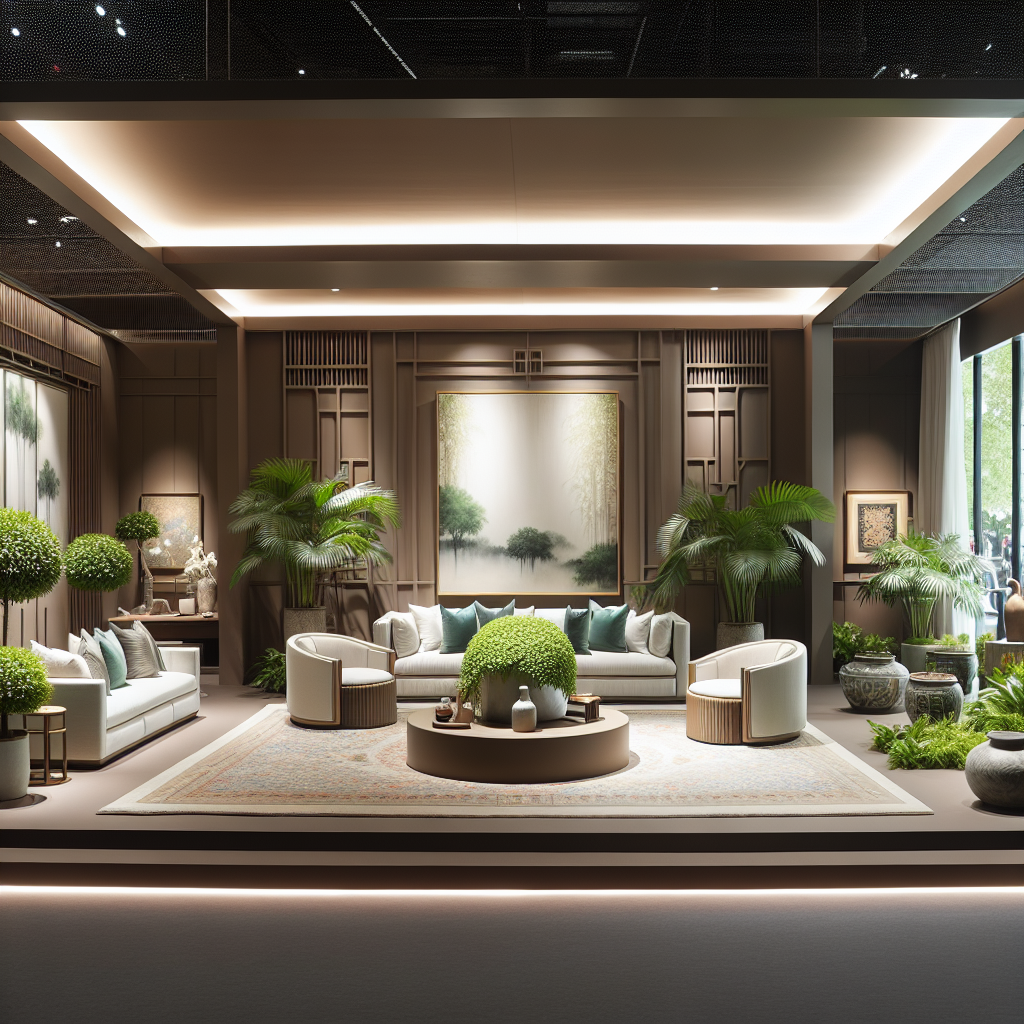
“The Art of Placement: Feng Shui in Luxury Design” explores the ancient Chinese practice of Feng Shui and its transformative impact on modern luxury interiors. This book delves into the principles of energy flow, balance, and harmony, demonstrating how these concepts can be seamlessly integrated into high-end design. By examining case studies and offering practical guidance, it reveals how Feng Shui can enhance the aesthetic and functional aspects of luxury spaces, creating environments that not only exude elegance but also promote well-being and prosperity. Whether for architects, interior designers, or homeowners, this work serves as an essential guide to elevating spaces through the strategic and mindful arrangement of elements.
Harmonizing Spaces: The Role of Feng Shui in Luxury Interiors
Feng Shui, an ancient Chinese practice, has long been revered for its ability to harmonize spaces and bring balance to our lives. In the realm of luxury design, this art of placement is not just a trend but a timeless approach that enhances the aesthetic and energy of a home. As we delve into the world of luxury interiors, it becomes evident that Feng Shui is more than just arranging furniture; it’s about creating an environment that promotes well-being, prosperity, and peace.
Imagine walking into a room that instantly makes you feel at ease. The colors, the layout, and even the choice of materials all contribute to a sense of harmony. This is the magic of Feng Shui at work. In luxury design, where every detail matters, incorporating Feng Shui principles can elevate a space from merely beautiful to truly transformative. It’s about understanding the flow of energy, or “chi,” and ensuring that it moves freely throughout the home. This flow is crucial in creating spaces that not only look good but also feel good.
One of the key elements of Feng Shui in luxury interiors is the use of natural materials. Wood, stone, and metal are not just chosen for their aesthetic appeal but for their ability to connect us with nature. These materials bring a sense of grounding and stability, essential for creating a balanced environment. Moreover, the strategic placement of these elements can enhance specific areas of life, such as wealth, health, and relationships. For instance, placing a wooden element in the southeast corner of a room is believed to attract prosperity and abundance.
Lighting also plays a significant role in Feng Shui. In luxury design, lighting is not just about illumination but about creating mood and ambiance. Natural light is highly valued, as it brings warmth and vitality into a space. However, when natural light is limited, the use of mirrors can help reflect and amplify it, ensuring that the energy remains vibrant. Additionally, the choice of lighting fixtures can influence the energy of a room. Soft, diffused lighting is often preferred to create a calming atmosphere, while brighter lights can energize and invigorate.
Color is another powerful tool in the Feng Shui arsenal. In luxury interiors, color is used not only to make a statement but to influence the mood and energy of a space. Each color has its own unique properties and can be used to enhance different aspects of life. For example, red is associated with passion and energy, making it an excellent choice for spaces where activity and excitement are desired. On the other hand, blue is calming and serene, perfect for areas meant for relaxation and reflection.
Ultimately, the art of placement in Feng Shui is about creating a space that resonates with the inhabitants on a deeper level. It’s about understanding the unique needs and desires of those who live there and designing a space that supports and nurtures them. In luxury design, where personalization is key, Feng Shui offers a way to tailor a home to reflect not just personal style but personal energy. By embracing this ancient practice, luxury interiors can become more than just beautiful spaces; they can become sanctuaries that inspire and uplift.
Balancing Elements: Integrating Feng Shui Principles in High-End Design
In the world of luxury design, where every detail is meticulously curated, the ancient art of Feng Shui offers a unique perspective on creating harmonious and balanced spaces. This Chinese philosophy, which focuses on the arrangement of objects to optimize the flow of energy, or “chi,” can transform high-end interiors into sanctuaries of peace and prosperity. As we explore the integration of Feng Shui principles in luxury design, it becomes clear that this practice is not just about aesthetics but also about enhancing the overall well-being of those who inhabit these spaces.
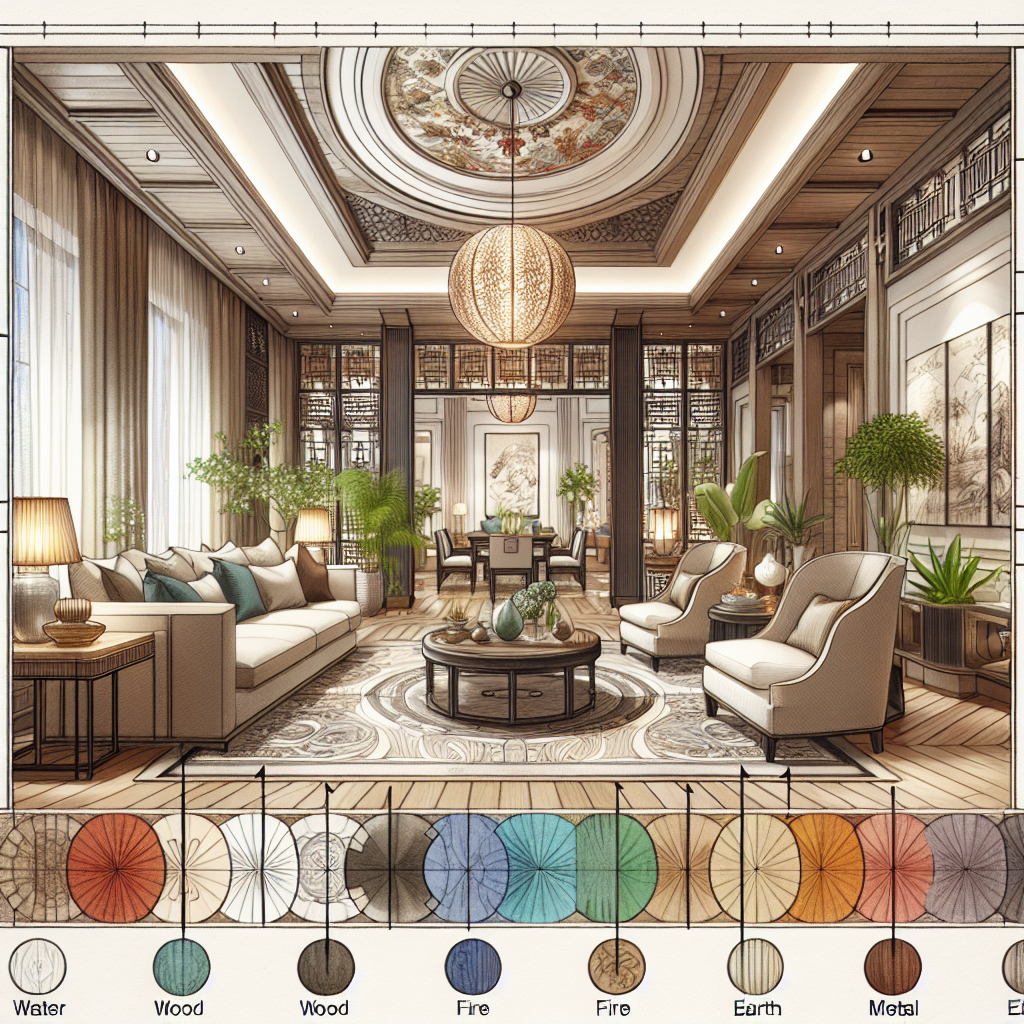
To begin with, the concept of balance is central to Feng Shui, and it aligns perfectly with the goals of luxury design. In high-end interiors, balance is achieved not only through symmetry and proportion but also by considering the five elements: wood, fire, earth, metal, and water. Each element has its own characteristics and influences, and their harmonious integration can create a space that feels both luxurious and inviting. For instance, incorporating wooden elements, such as elegant furniture or lush greenery, can introduce a sense of growth and vitality. Meanwhile, the strategic use of metal, perhaps through sleek fixtures or decorative accents, can add clarity and precision to a room.
Moreover, the placement of furniture and decor is crucial in Feng Shui, as it directly impacts the flow of energy. In luxury design, this translates to thoughtful arrangements that not only look stunning but also promote a sense of ease and comfort. For example, positioning a grand sofa in the living room so that it faces the entrance can create a welcoming atmosphere, while ensuring that pathways are clear and unobstructed allows for a smooth flow of movement and energy. Additionally, the use of mirrors, a common element in both Feng Shui and luxury design, can enhance the sense of space and light, reflecting positive energy throughout the room.
Transitioning from the physical to the sensory, color plays a significant role in both Feng Shui and luxury design. Colors are more than just visual elements; they evoke emotions and set the tone for a space. In Feng Shui, each color is associated with a specific element and energy. For instance, deep blues and greens, representing water and wood, can create a calming and rejuvenating environment, perfect for a luxurious bedroom or spa-like bathroom. On the other hand, rich reds and golds, symbolizing fire and wealth, can infuse a dining room or study with warmth and opulence.
Furthermore, the integration of natural light is a key consideration in both practices. In luxury design, large windows and open spaces are often used to maximize natural light, creating a bright and airy atmosphere. From a Feng Shui perspective, natural light is a powerful source of positive energy, and its presence can significantly enhance the mood and vitality of a space. By combining these elements, designers can create interiors that are not only visually stunning but also energetically balanced.
In conclusion, the art of placement in Feng Shui offers valuable insights for those seeking to elevate their luxury design projects. By thoughtfully integrating the principles of balance, element harmony, and energy flow, designers can create spaces that are not only beautiful but also nurturing and harmonious. As we continue to explore the intersection of ancient wisdom and modern luxury, it becomes evident that the true essence of high-end design lies in its ability to enhance the quality of life for those who experience it.
Energy Flow: How Feng Shui Enhances Luxury Living Environments
When it comes to creating a luxurious living environment, many people focus on high-end materials, exquisite craftsmanship, and cutting-edge technology. However, there’s an ancient art that can elevate these elements to a whole new level: Feng Shui. This Chinese practice, which dates back thousands of years, is all about harmonizing the energy flow within a space to promote well-being, prosperity, and happiness. By integrating Feng Shui principles into luxury design, homeowners can create spaces that not only look stunning but also feel incredibly inviting and balanced.
At the heart of Feng Shui is the concept of “chi,” or life force energy, which flows through everything. In a home, chi should move freely and smoothly, without obstruction. This is where the art of placement comes into play. By thoughtfully arranging furniture and decor, you can guide the flow of energy, ensuring that it nourishes every corner of your living space. For instance, placing a sofa against a solid wall provides support and stability, while positioning it to face the entrance invites positive energy into the room. Similarly, a well-placed mirror can reflect light and energy, making a space feel larger and more vibrant.
Transitioning from the living room to the bedroom, Feng Shui emphasizes the importance of creating a sanctuary for rest and rejuvenation. In luxury design, this means choosing sumptuous materials and soothing colors, but also considering the placement of the bed. Ideally, the bed should be positioned diagonally from the door, allowing you to see who enters while maintaining a sense of security. This “command position” is believed to enhance relaxation and promote restful sleep. Additionally, incorporating natural elements like wood and plants can further enhance the calming energy of the space.
Moving into the kitchen, the heart of the home, Feng Shui encourages a layout that supports both functionality and positive energy flow. In luxury kitchens, this might mean investing in high-quality appliances and finishes, but also ensuring that the stove, sink, and refrigerator form a harmonious triangle. This arrangement is thought to balance the elements of fire and water, fostering a nurturing environment for cooking and gathering. Furthermore, keeping countertops clutter-free and incorporating ample storage solutions can help maintain a sense of order and tranquility.
As we transition to the outdoor spaces, Feng Shui offers guidance on creating a seamless connection between the interior and exterior. In luxury homes, this might involve designing patios and gardens that complement the architecture and enhance the overall energy flow. Water features, such as fountains or pools, can introduce a sense of calm and abundance, while strategically placed plants and trees can provide protection and privacy. By considering the natural landscape and its relationship to the home, you can create an outdoor oasis that feels both luxurious and harmonious.
In conclusion, the art of placement in Feng Shui offers a unique approach to luxury design, one that goes beyond aesthetics to consider the invisible forces that shape our experiences. By embracing these principles, homeowners can create living environments that not only look beautiful but also support their well-being and happiness. Whether you’re designing a new home or refreshing an existing space, incorporating Feng Shui can help you achieve a sense of balance and harmony that truly enhances the luxury living experience.
The Intersection of Elegance and Energy: Feng Shui in Upscale Homes
In the world of luxury design, where elegance meets functionality, the ancient art of Feng Shui has found a harmonious place. This practice, which originated in China over 3,000 years ago, focuses on the arrangement of space to promote balance and positive energy flow. As more people seek to create not just beautiful but also meaningful living environments, Feng Shui has become an integral part of upscale home design. The allure of Feng Shui lies in its ability to transform a space into a sanctuary that nurtures the mind, body, and spirit.
At its core, Feng Shui is about the relationship between humans and their environment. It emphasizes the importance of spatial arrangement and orientation in relation to the flow of energy, or “chi.” In luxury homes, where every detail is meticulously curated, incorporating Feng Shui principles can elevate the space from merely opulent to truly harmonious. For instance, the placement of furniture is not just about aesthetics but also about ensuring that energy flows freely throughout the home. This might mean positioning a sofa in a way that allows for an unobstructed view of the entrance, creating a sense of security and openness.
Moreover, color plays a significant role in Feng Shui, and in luxury design, it can be used to evoke specific emotions and energies. Soft, neutral tones might be chosen to promote calmness and relaxation, while vibrant hues could be used to energize and inspire. The key is to strike a balance that aligns with the homeowner’s intentions for each space. For example, a bedroom might feature soothing blues and greens to encourage restful sleep, while a home office could incorporate energizing yellows or reds to boost productivity.
In addition to color, the use of natural elements is another way Feng Shui is seamlessly integrated into luxury design. Incorporating materials like wood, stone, and water not only adds texture and depth but also connects the home to the natural world. A water feature, such as a fountain or an aquarium, can be a stunning focal point that also enhances the flow of positive energy. Similarly, strategically placed plants can purify the air and bring a sense of vitality to the space.
Lighting is another crucial aspect of Feng Shui that luxury designers pay close attention to. Natural light is considered highly beneficial, so large windows and open spaces are often prioritized to allow sunlight to flood the home. When natural light is limited, carefully selected artificial lighting can be used to mimic its effects, creating a warm and inviting atmosphere. The goal is to ensure that each room is well-lit, enhancing both its functionality and its energy.
Ultimately, the integration of Feng Shui into luxury design is about more than just aesthetics; it’s about creating a living environment that supports and enhances the well-being of its inhabitants. By considering the flow of energy, the use of color, natural elements, and lighting, designers can craft spaces that are not only visually stunning but also deeply nurturing. As more people recognize the value of living in harmony with their surroundings, the art of placement through Feng Shui continues to gain popularity in the world of upscale homes. This ancient practice, with its timeless principles, offers a pathway to creating spaces that are as enriching as they are elegant.
Transformative Design: Elevating Luxury Spaces with Feng Shui Techniques
When it comes to luxury design, the art of placement can transform a space from simply opulent to truly harmonious. Feng Shui, an ancient Chinese practice, offers a unique approach to achieving this balance by focusing on the flow of energy, or “chi,” within a space. By incorporating Feng Shui techniques into luxury design, one can create environments that not only look stunning but also feel inviting and balanced. This holistic approach to design is gaining popularity among those who seek to elevate their living spaces beyond mere aesthetics.
To begin with, understanding the basic principles of Feng Shui is essential. At its core, Feng Shui is about creating harmony between individuals and their environment. This is achieved by arranging furniture, decor, and architectural elements in a way that promotes positive energy flow. In luxury design, this means considering not just the visual appeal of a space, but also how it feels to inhabit it. For instance, the placement of furniture can significantly impact the energy flow in a room. By positioning key pieces in a way that encourages movement and interaction, one can create a space that feels both luxurious and welcoming.
Moreover, color plays a crucial role in Feng Shui and can be used to enhance the energy of a space. In luxury design, selecting the right color palette is vital. Colors are believed to have specific energies and can influence mood and perception. For example, soft, neutral tones can create a calming atmosphere, while bold, vibrant colors can energize a space. By carefully choosing colors that align with the desired energy of a room, one can enhance the overall ambiance and create a cohesive design.
In addition to color, the use of natural elements is another key aspect of Feng Shui. Incorporating elements such as wood, water, metal, earth, and fire can help balance the energy in a space. In luxury design, this might mean integrating high-quality materials like rich woods, elegant stone, or shimmering metals. These elements not only add a touch of sophistication but also contribute to the overall harmony of the environment. For instance, a water feature, such as a fountain or an aquarium, can introduce a sense of tranquility and movement, while a fireplace can add warmth and vitality.
Furthermore, lighting is an often-overlooked aspect of Feng Shui that can dramatically impact the feel of a space. In luxury design, lighting is not just about functionality but also about creating mood and enhancing the aesthetic appeal. By using a combination of natural and artificial lighting, one can highlight architectural features, create focal points, and set the desired tone for a room. Soft, diffused lighting can create a relaxing atmosphere, while strategically placed accent lights can draw attention to specific areas or objects.
Ultimately, the art of placement in luxury design is about more than just arranging furniture and decor. It’s about creating a space that resonates with those who inhabit it, offering both beauty and balance. By incorporating Feng Shui techniques, one can transform a luxury space into a sanctuary that nurtures the mind, body, and spirit. As more people seek to create environments that support their well-being, the integration of Feng Shui into luxury design is likely to continue growing in popularity. Whether you’re designing a lavish home or a high-end commercial space, embracing the principles of Feng Shui can elevate your design to new heights, creating a truly transformative experience.
Conclusion
“The Art of Placement: Feng Shui in Luxury Design” explores the intricate relationship between ancient Feng Shui principles and modern luxury design, emphasizing how spatial arrangement and energy flow can enhance both aesthetic appeal and well-being. By integrating Feng Shui into luxury interiors, designers can create harmonious environments that not only reflect opulence but also promote balance, prosperity, and tranquility. The book underscores the importance of intentional design choices, demonstrating that true luxury transcends mere visual splendor to encompass a holistic experience that nurtures the mind, body, and spirit.