Luxe Locality: Incorporating Regional Influences in High-End Design
November 30, 2021
Wellness at Home: Luxury Furniture for Health and Well-being
December 14, 2021
-
Table of Contents
- Introduction
- Exploring Timeless Elegance: Integrating Vintage Pieces in Modern Luxury Interiors
- Harmonizing Contrasts: The Role of Color and Texture in Juxtaposed Design
- The Fusion of Eras: Creating Cohesive Spaces with Antique and Contemporary Elements
- Crafting a Narrative: Storytelling Through Juxtaposition in Interior Design
- The Impact of Juxtaposition on Ambiance: Balancing Tradition and Innovation in Luxury Homes
- Conclusion
Introduction
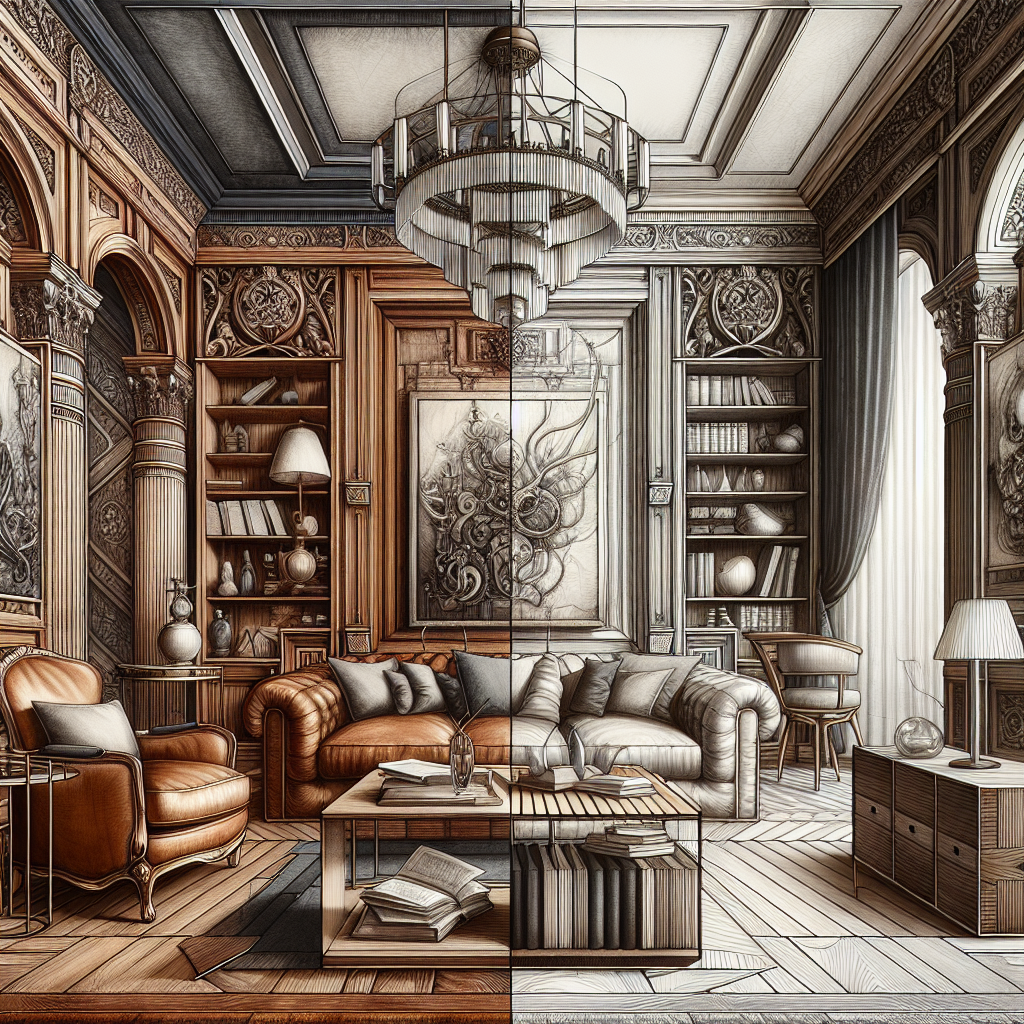
The Art of Juxtaposition: Balancing Old and New in Luxury Interiors explores the dynamic interplay between tradition and innovation within the realm of high-end interior design. This approach celebrates the harmonious fusion of classic elements with contemporary aesthetics, creating spaces that are both timeless and cutting-edge. By skillfully integrating antique furnishings, historical architectural details, and vintage accents with modern materials, sleek lines, and avant-garde art, designers craft environments that resonate with depth and sophistication. This balance not only enhances the visual appeal but also enriches the narrative of each space, offering a unique dialogue between the past and the present. Through this artful juxtaposition, luxury interiors transcend mere functionality, becoming immersive experiences that reflect a refined appreciation for both heritage and modernity.
Exploring Timeless Elegance: Integrating Vintage Pieces in Modern Luxury Interiors
In the world of luxury interiors, the art of juxtaposition has become a celebrated approach, where the old meets the new in a harmonious blend of style and sophistication. This trend, which involves integrating vintage pieces into modern settings, offers a unique way to create spaces that are not only visually stunning but also rich in character and history. As we explore this fascinating design philosophy, it becomes clear that the key to achieving timeless elegance lies in the delicate balance between contrasting elements.
To begin with, incorporating vintage pieces into modern interiors adds a layer of depth and intrigue that is often missing in purely contemporary designs. These pieces, with their storied pasts and unique craftsmanship, bring a sense of nostalgia and authenticity to a space. Whether it’s an ornate Victorian mirror, a mid-century modern chair, or an antique Persian rug, each item tells its own story and contributes to the overall narrative of the room. By carefully selecting and placing these elements, designers can create a dialogue between the past and present, allowing them to coexist in a way that feels both fresh and familiar.
Moreover, the juxtaposition of old and new can also serve as a powerful tool for highlighting the unique qualities of each piece. For instance, placing a sleek, minimalist sofa next to a vintage wooden coffee table can emphasize the clean lines and simplicity of the modern piece while drawing attention to the intricate details and craftsmanship of the antique. This contrast not only enhances the visual appeal of the space but also encourages a deeper appreciation for the individual elements within it.
Transitioning from the aesthetic benefits to the practical considerations, it’s important to note that integrating vintage pieces into modern interiors requires a thoughtful approach. One must consider the scale, proportion, and color palette of the room to ensure that the old and new elements complement rather than compete with each other. For example, a large, ornate chandelier might overwhelm a small, minimalist living room, while a subtle vintage accessory, like a brass candlestick or a ceramic vase, can add just the right touch of elegance without overpowering the space.
In addition to these design principles, the art of juxtaposition also offers an opportunity to embrace sustainability in interior design. By repurposing and reimagining vintage pieces, we can reduce waste and minimize our environmental impact. This approach not only aligns with the growing trend towards eco-conscious living but also allows us to celebrate the enduring beauty and craftsmanship of the past.
As we continue to explore the possibilities of integrating vintage pieces into modern luxury interiors, it becomes evident that this design philosophy is more than just a passing trend. It is a testament to the timeless appeal of well-crafted objects and the enduring allure of spaces that tell a story. By embracing the art of juxtaposition, we can create interiors that are not only luxurious and elegant but also deeply personal and meaningful.
In conclusion, the balance of old and new in luxury interiors is an art form that requires both creativity and restraint. By thoughtfully combining vintage pieces with modern elements, we can craft spaces that are as dynamic and diverse as the stories they tell. As we continue to explore this captivating design approach, we are reminded that true elegance lies in the ability to honor the past while embracing the present, creating a harmonious blend that is both timeless and contemporary.
Harmonizing Contrasts: The Role of Color and Texture in Juxtaposed Design
In the world of luxury interiors, the art of juxtaposition is a fascinating dance between the old and the new, where contrasting elements come together to create a harmonious and visually stunning space. One of the most effective ways to achieve this balance is through the thoughtful use of color and texture. By carefully selecting and combining these elements, designers can craft interiors that are not only luxurious but also rich in character and depth.
To begin with, color plays a pivotal role in setting the tone and mood of a space. When juxtaposing old and new elements, color can serve as a bridge that ties disparate styles together. For instance, a modern living room with sleek, minimalist furniture can be warmed up with the addition of a vintage Persian rug. The rich, intricate patterns and colors of the rug can complement the clean lines of the contemporary pieces, creating a cohesive look. Similarly, a bold, modern art piece can be used to inject a splash of color into a room filled with antique furnishings, providing a fresh and unexpected twist.
Transitioning from color to texture, we find that texture adds another layer of complexity and interest to a space. The tactile quality of materials can evoke a sense of luxury and comfort, making a room feel inviting and lived-in. In a juxtaposed design, mixing textures can enhance the contrast between old and new. For example, pairing a smooth, polished marble countertop with rustic, reclaimed wood cabinets can create a striking visual contrast that highlights the unique qualities of each material. The juxtaposition of these textures not only adds depth but also tells a story of time and transformation.
Moreover, the interplay of color and texture can be further enhanced by the use of textiles. Luxurious fabrics such as velvet, silk, and linen can be layered to create a sumptuous and inviting atmosphere. Imagine a modern sofa upholstered in a rich velvet fabric, adorned with an array of throw pillows in varying textures and colors. The combination of these elements can create a sense of opulence while also providing a nod to the past through the use of classic materials.
As we explore the art of juxtaposition in luxury interiors, it is important to remember that balance is key. While contrasting elements can create visual interest, they must be carefully curated to avoid overwhelming the space. One way to achieve this balance is by selecting a neutral color palette as a backdrop, allowing the contrasting elements to shine without competing for attention. This approach can create a serene and cohesive environment where old and new coexist in harmony.
In conclusion, the art of juxtaposition in luxury interiors is a delicate balance of color and texture, where contrasting elements come together to create a space that is both timeless and contemporary. By thoughtfully combining these elements, designers can craft interiors that are not only visually stunning but also rich in character and depth. Whether through the use of bold colors, intricate patterns, or luxurious textures, the possibilities are endless when it comes to harmonizing contrasts in design. So, the next time you find yourself drawn to both the charm of the past and the allure of the present, remember that the art of juxtaposition can help you create a space that beautifully balances both worlds.
The Fusion of Eras: Creating Cohesive Spaces with Antique and Contemporary Elements
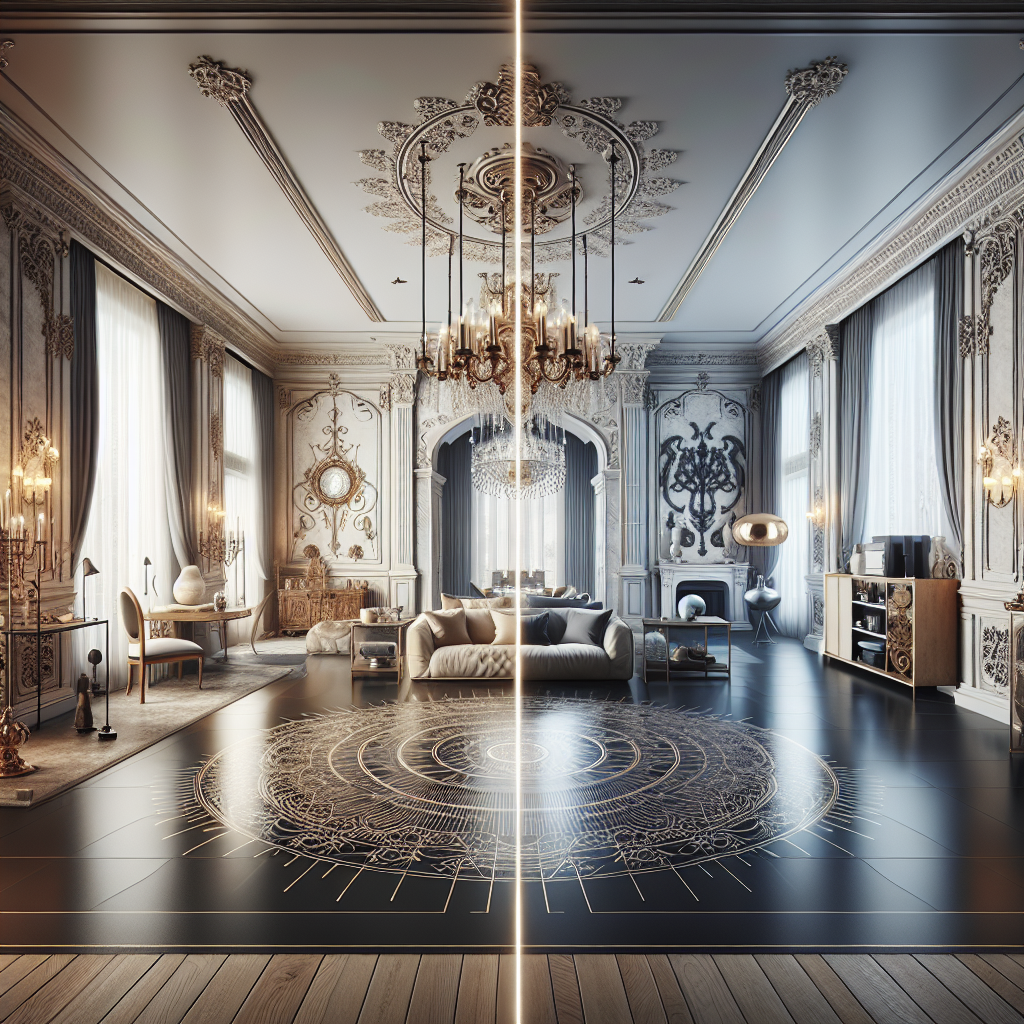
In the world of interior design, the fusion of eras has become a captivating trend, where the charm of the past meets the sleekness of the present. This art of juxtaposition, particularly in luxury interiors, creates spaces that are not only visually stunning but also rich in character and history. Imagine walking into a room where a centuries-old Persian rug lies beneath a modern glass coffee table, or where a vintage chandelier casts its glow over minimalist furniture. These combinations might seem unexpected at first, but they work together to create a harmonious balance that is both intriguing and inviting.
One of the key elements in achieving this balance is understanding the story behind each piece. Antique items often come with a history that adds depth and personality to a space. Whether it’s a Victorian-era armchair or a mid-century modern sideboard, these pieces have stood the test of time and bring with them a sense of nostalgia and authenticity. On the other hand, contemporary elements offer a fresh perspective, with clean lines and innovative designs that reflect the current era. By thoughtfully integrating these two styles, you can create a space that feels both timeless and current.
To successfully blend antique and contemporary elements, it’s important to consider the overall aesthetic you wish to achieve. Start by selecting a few key antique pieces that you absolutely love. These will serve as the foundation of your design. Once you have your anchor pieces, you can begin to layer in contemporary elements that complement and enhance them. For instance, a classic wooden dining table can be paired with sleek, modern chairs to create a dining area that feels both elegant and approachable. Similarly, a traditional fireplace can be flanked by abstract art, adding a touch of modernity to a classic setting.
Color and texture also play crucial roles in creating a cohesive space. When mixing old and new, it’s helpful to stick to a consistent color palette that ties everything together. Neutral tones often work well, as they provide a versatile backdrop that allows both antique and contemporary pieces to shine. Additionally, incorporating a variety of textures can add depth and interest to the room. Think about pairing the smoothness of a modern leather sofa with the intricate patterns of an antique tapestry. This contrast not only highlights the unique qualities of each piece but also creates a tactile experience that invites exploration.
Lighting is another essential factor in the fusion of eras. The right lighting can accentuate the beauty of both antique and contemporary elements, creating a warm and inviting atmosphere. Consider using a mix of lighting sources, such as vintage lamps alongside modern recessed lighting, to highlight different areas of the room and create a dynamic visual effect.
Ultimately, the art of juxtaposition in luxury interiors is about creating a dialogue between the past and the present. It’s about celebrating the craftsmanship and stories of antique pieces while embracing the innovation and simplicity of contemporary design. By thoughtfully combining these elements, you can create a space that is not only beautiful but also tells a story—a space that feels lived-in, loved, and uniquely yours. So, whether you’re a seasoned collector of antiques or a fan of modern design, don’t be afraid to experiment and find your own balance between old and new. After all, it’s this fusion of eras that makes a house truly feel like a home.
Crafting a Narrative: Storytelling Through Juxtaposition in Interior Design
In the world of interior design, the art of juxtaposition is a powerful tool that can transform a space from ordinary to extraordinary. By balancing old and new elements, designers craft a narrative that tells a story, inviting those who enter to embark on a journey through time and style. This delicate dance between contrasting elements not only adds depth and character to a room but also creates a unique and personalized environment that reflects the homeowner’s personality and history.
Imagine walking into a living room where a sleek, modern sofa sits comfortably alongside a vintage Persian rug. The contrast between the clean lines of the sofa and the intricate patterns of the rug creates a visual tension that is both exciting and harmonious. This is the essence of juxtaposition in interior design—finding that sweet spot where different styles and eras coexist beautifully. It’s like a conversation between the past and the present, where each piece has a story to tell, and together, they create a rich tapestry of experiences.
One of the most effective ways to achieve this balance is by incorporating heirloom pieces or antiques into a contemporary setting. These items often carry sentimental value and a sense of history, grounding the space and providing a sense of continuity. For instance, an antique wooden chest can serve as a coffee table in a modern living room, offering both functionality and a touch of nostalgia. The key is to ensure that these older pieces are not overshadowed by their newer counterparts but rather celebrated for their uniqueness and the stories they bring with them.
On the flip side, introducing modern elements into a traditionally styled room can breathe new life into the space. A contemporary light fixture or a piece of abstract art can act as a focal point, drawing the eye and adding a fresh perspective. These modern touches can prevent a room from feeling stuck in the past, creating a dynamic environment that feels both timeless and current. It’s all about finding the right balance, where neither the old nor the new dominates, but instead, they complement each other in a way that feels intentional and cohesive.
Moreover, color and texture play crucial roles in achieving successful juxtaposition. A neutral color palette can serve as a unifying backdrop, allowing different styles to shine without clashing. Meanwhile, mixing textures—such as pairing a smooth leather chair with a rough-hewn wooden table—adds layers of interest and invites tactile exploration. These elements work together to create a space that is not only visually appealing but also engaging on a sensory level.
Ultimately, the art of juxtaposition in luxury interiors is about storytelling. It’s about weaving together different threads of design to create a narrative that is as unique as the individuals who inhabit the space. By thoughtfully combining old and new, designers can craft environments that are not only beautiful but also meaningful, spaces that resonate with the past while embracing the future. So, whether you’re a homeowner looking to refresh your space or a designer seeking inspiration, remember that the magic often lies in the unexpected pairing of elements, where the old meets the new, and together, they tell a story worth sharing.
The Impact of Juxtaposition on Ambiance: Balancing Tradition and Innovation in Luxury Homes
In the world of luxury interiors, the art of juxtaposition has become a defining feature, creating spaces that are both timeless and contemporary. This delicate balance between the old and the new not only enhances the aesthetic appeal of a home but also enriches its ambiance, offering a unique blend of tradition and innovation. As we explore the impact of juxtaposition on ambiance, it becomes clear that this design approach is more than just a trend; it is a thoughtful way to craft spaces that tell a story.
To begin with, the integration of classic elements with modern design can transform a space, imbuing it with a sense of history while keeping it fresh and relevant. Imagine a grand chandelier hanging in a room with sleek, minimalist furniture. The chandelier, with its intricate details and vintage charm, serves as a nod to the past, while the modern furniture speaks to contemporary tastes. This combination creates a dynamic tension that captivates the eye and invites exploration. It is this interplay between different eras that gives a room its character, making it feel both lived-in and cutting-edge.
Moreover, juxtaposition in luxury interiors is not just about mixing styles; it is also about blending materials and textures. For instance, pairing a rustic wooden table with polished marble countertops can create a striking contrast that adds depth and interest to a space. The warmth of the wood juxtaposed with the cool elegance of marble creates a harmonious balance that is both inviting and sophisticated. This thoughtful layering of materials can elevate the ambiance of a home, making it feel more curated and intentional.
In addition to materials, color plays a crucial role in achieving the perfect balance between old and new. A neutral palette can serve as a backdrop for bold, contemporary art pieces, allowing them to stand out while maintaining a sense of cohesion. Conversely, a vibrant, patterned wallpaper can provide a traditional touch in an otherwise modern room, adding a layer of complexity and intrigue. By carefully selecting colors that complement both the old and the new, designers can create spaces that feel cohesive and harmonious.
Furthermore, the art of juxtaposition extends beyond aesthetics to influence the emotional experience of a space. A home that successfully balances tradition and innovation can evoke a sense of nostalgia while simultaneously inspiring a feeling of excitement for the future. This emotional resonance is what makes luxury interiors truly special, as they become more than just places to live; they become spaces that reflect the personalities and stories of their inhabitants.
Ultimately, the impact of juxtaposition on ambiance in luxury homes is profound. By thoughtfully blending elements from different eras, designers can create spaces that are rich in character and full of life. This approach not only enhances the visual appeal of a home but also creates an environment that is both comforting and stimulating. As we continue to explore new ways to balance the old and the new, the art of juxtaposition will undoubtedly remain a cornerstone of luxury interior design, offering endless possibilities for creating beautiful, meaningful spaces.
Conclusion
The art of juxtaposition in luxury interiors involves skillfully balancing elements of the old and new to create spaces that are both timeless and contemporary. This approach leverages the rich history and character of classic design while integrating modern aesthetics and functionality. By thoughtfully combining these contrasting elements, designers can craft interiors that are not only visually striking but also deeply resonant, offering a unique narrative that reflects both heritage and innovation. The successful execution of this balance results in luxurious environments that are dynamic, engaging, and enduringly relevant.