Chromatic Courage: Bold Color Choices in High-End Interiors
April 26, 2022
Luxe Practicality: High-End Solutions for Everyday Living
May 10, 2022
-
Table of Contents
- Introduction
- Understanding the Principles of Luxury Space Curation
- The Role of Minimalism in Curating Elegant Interiors
- Selecting High-Quality Materials for a Luxurious Ambiance
- Balancing Aesthetics and Functionality in Luxury Spaces
- Incorporating Personal Touches in High-End Interior Design
- Conclusion
Introduction
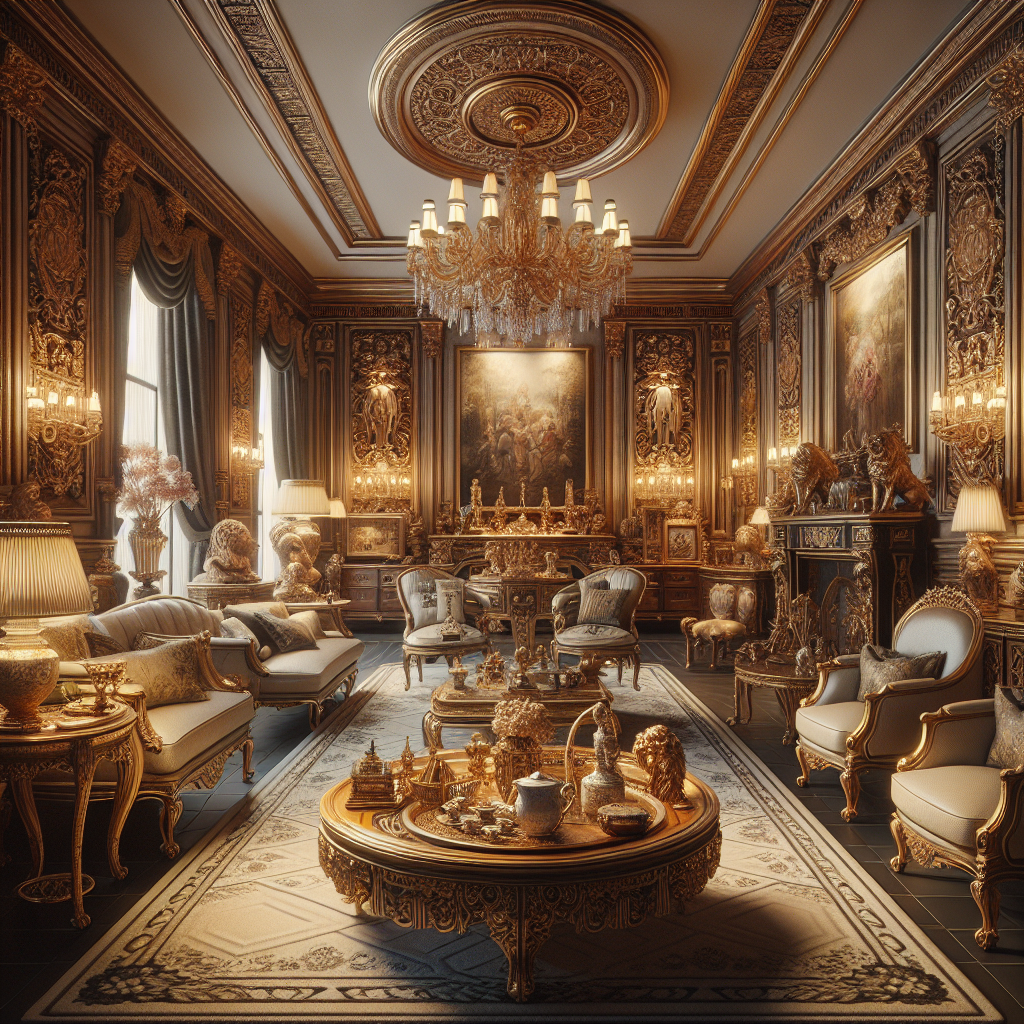
“The Art of Editing: Curating Luxury Spaces with Intention” delves into the nuanced process of designing high-end interiors that transcend mere aesthetics to embody purpose and sophistication. This exploration highlights the delicate balance between opulence and restraint, where every element is meticulously chosen to enhance the overall harmony and functionality of a space. By focusing on intentional curation, this approach to luxury design emphasizes quality over quantity, ensuring that each piece contributes to a cohesive narrative. Through thoughtful editing, designers create environments that not only reflect the unique tastes and lifestyles of their inhabitants but also stand as timeless expressions of elegance and refinement.
Understanding the Principles of Luxury Space Curation
Creating a luxurious space is much like crafting a fine piece of art; it requires a keen eye, a thoughtful approach, and a deep understanding of the elements that contribute to an environment’s overall feel. At the heart of this process lies the art of editing, a skill that transforms ordinary spaces into extraordinary experiences. Editing, in the context of interior design, is not merely about removing excess but about curating with intention, ensuring that every piece serves a purpose and contributes to the room’s harmony.
To begin with, understanding the principles of luxury space curation involves recognizing the importance of balance and proportion. These elements are crucial in creating a space that feels both inviting and opulent. For instance, when selecting furniture, it’s essential to consider the scale of each piece in relation to the room. A grand sofa might look stunning in a spacious living room but could overwhelm a smaller area. By carefully choosing pieces that complement the room’s dimensions, you create a sense of balance that is both visually pleasing and functional.
Moreover, the art of editing extends to the selection of colors and textures. Luxury spaces often feature a palette that is both sophisticated and soothing, with colors that evoke a sense of calm and elegance. Think soft neutrals, rich jewel tones, or even a monochromatic scheme that allows for subtle variations in texture. Incorporating different materials, such as velvet, silk, or natural wood, adds depth and interest, creating a tactile experience that invites touch and exploration.
Transitioning from color and texture, lighting plays a pivotal role in luxury space curation. The right lighting can transform a room, highlighting its best features and creating an ambiance that is both warm and inviting. Layered lighting, which includes a mix of ambient, task, and accent lighting, allows for flexibility and control over the room’s mood. Consider using dimmers to adjust the intensity of light, or incorporate statement fixtures that serve as both functional elements and works of art.
In addition to these elements, the art of editing involves a thoughtful approach to accessorizing. Accessories should be chosen with care, ensuring they enhance rather than clutter the space. A few well-placed items, such as a striking piece of art, a sculptural vase, or a collection of curated books, can add personality and character without overwhelming the senses. It’s about finding that perfect balance where each item has room to breathe and be appreciated.
Furthermore, luxury space curation is about creating a narrative, a story that unfolds as one moves through the space. This narrative can be expressed through a cohesive design theme, a consistent color palette, or even through the personal touches that reflect the homeowner’s personality and taste. By editing with intention, you ensure that every element contributes to this story, creating a space that feels both luxurious and uniquely personal.
In conclusion, the art of editing in luxury space curation is about more than just aesthetics; it’s about creating an environment that resonates on a deeper level. By understanding and applying the principles of balance, proportion, color, texture, lighting, and accessorizing, you can transform any space into a luxurious haven. It’s a process that requires patience, creativity, and a keen eye for detail, but the result is a space that not only looks beautiful but feels like home.
The Role of Minimalism in Curating Elegant Interiors
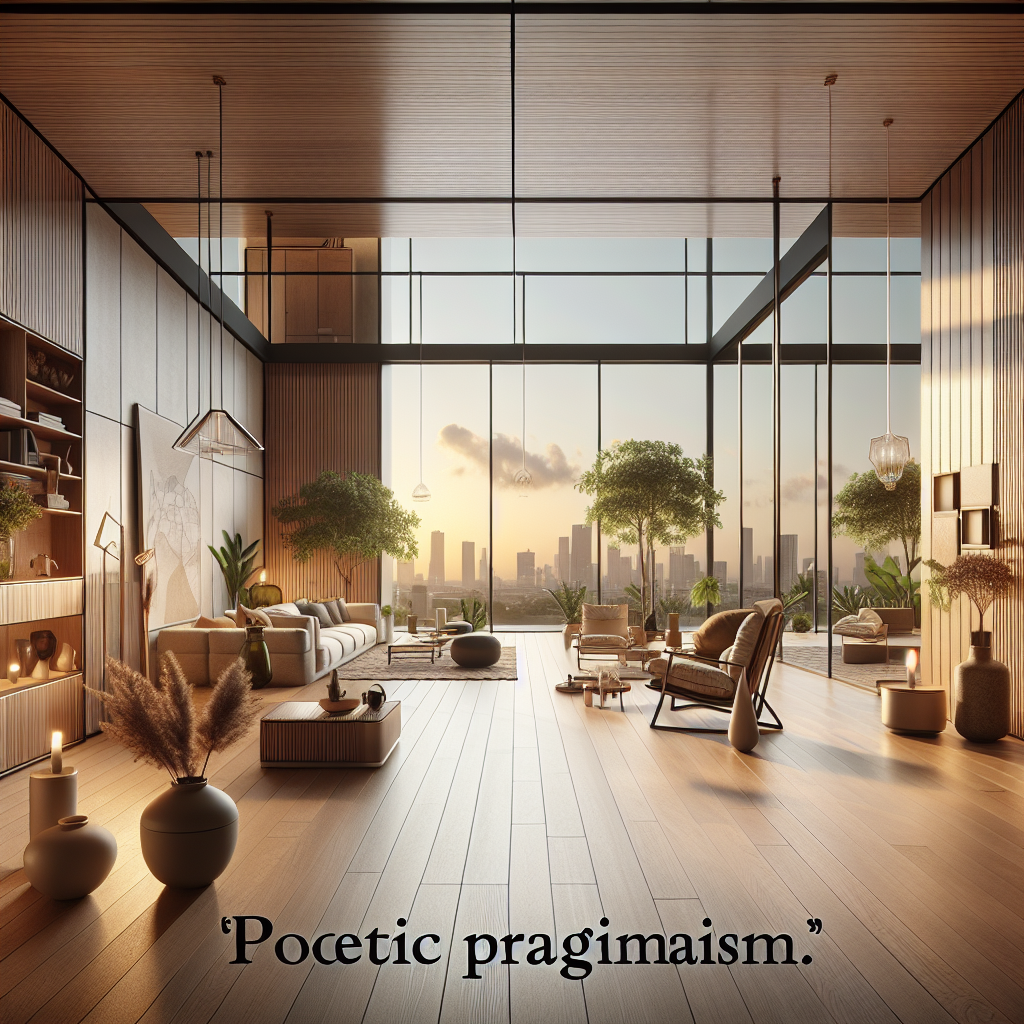
In recent years, minimalism has become more than just a trend; it’s a lifestyle choice that has permeated various aspects of our lives, including the way we design our living spaces. The art of editing, particularly in the context of curating luxury interiors, is all about creating an environment that exudes elegance and sophistication through simplicity. At its core, minimalism is about stripping away the unnecessary to allow the essential elements to shine, and this philosophy is particularly effective when applied to interior design.
When we think of luxury, we often imagine opulence and grandeur. However, minimalism challenges this notion by demonstrating that true luxury can be found in the quality of materials, the craftsmanship of furniture, and the thoughtful arrangement of space. By focusing on these elements, minimalism allows us to create interiors that are not only beautiful but also functional and serene. This approach encourages us to be intentional with our choices, selecting pieces that truly resonate with us and contribute to the overall harmony of the space.
One of the key principles of minimalism is the idea of “less is more.” This doesn’t mean that a space has to be devoid of personality or warmth; rather, it suggests that each item in a room should have a purpose and contribute to the overall aesthetic. By carefully curating our surroundings, we can create a sense of balance and tranquility that is often missing in more cluttered environments. This is particularly important in luxury spaces, where the goal is to create an atmosphere of calm and relaxation.
Incorporating minimalism into luxury interiors also involves a keen eye for detail. It’s about choosing high-quality materials that speak for themselves, such as rich woods, sumptuous fabrics, and sleek metals. These materials, when used sparingly and thoughtfully, can elevate a space and give it a sense of understated elegance. Additionally, the use of a neutral color palette can help to create a cohesive look, allowing the natural beauty of the materials to take center stage.
Moreover, minimalism encourages us to consider the flow of a space. By reducing clutter and focusing on the essentials, we can create a more open and inviting environment. This is particularly beneficial in luxury interiors, where the emphasis is often on creating a seamless transition between different areas of the home. By allowing each space to breathe, we can enhance the overall sense of luxury and sophistication.
Another important aspect of minimalism in luxury interiors is the emphasis on sustainability. By choosing fewer, but higher-quality items, we can reduce our environmental impact and create spaces that are not only beautiful but also responsible. This aligns with the growing trend towards conscious consumerism, where the focus is on making thoughtful choices that benefit both our homes and the planet.
In conclusion, the art of editing through minimalism offers a fresh perspective on curating luxury spaces. By embracing simplicity and intentionality, we can create interiors that are elegant, functional, and timeless. This approach not only enhances the beauty of our homes but also enriches our lives by fostering a sense of peace and well-being. As we continue to explore the possibilities of minimalism, we discover that true luxury lies not in excess, but in the thoughtful curation of our surroundings.
Selecting High-Quality Materials for a Luxurious Ambiance
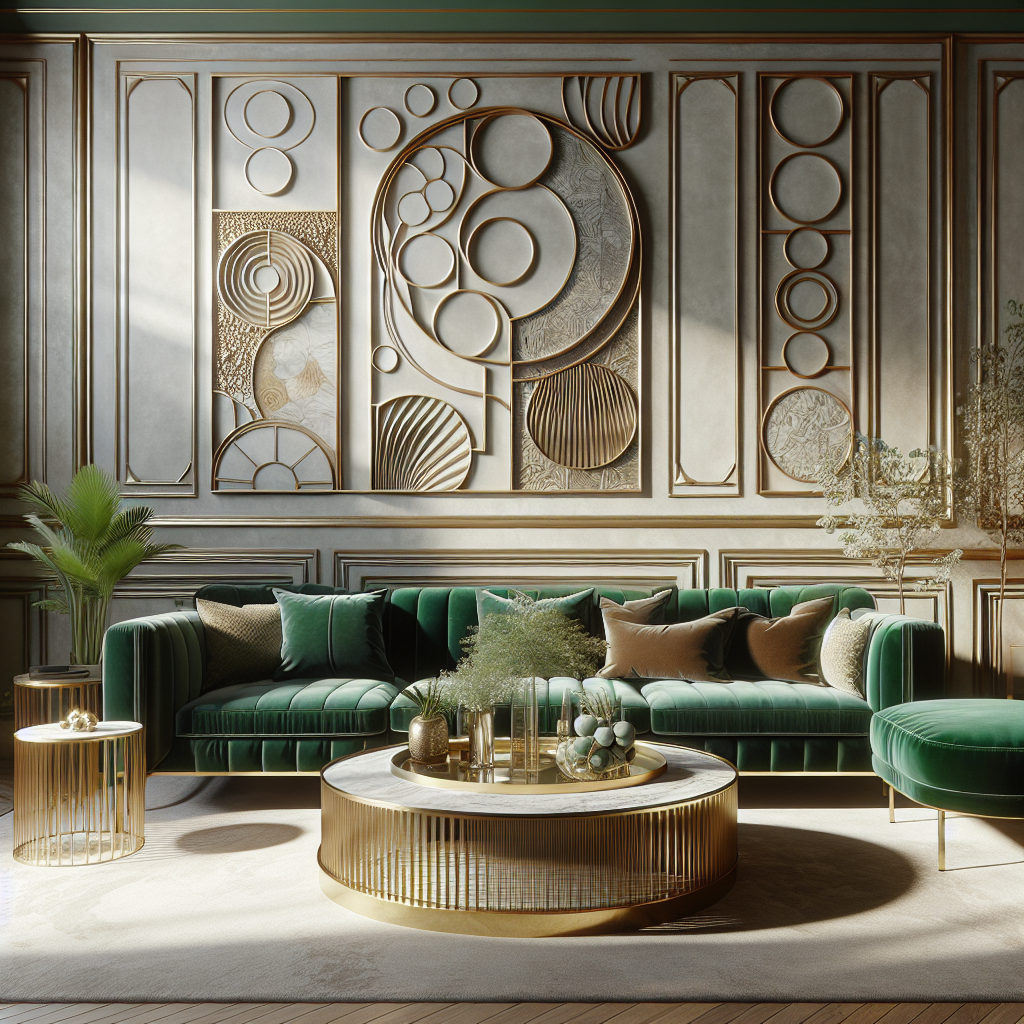
Creating a luxurious ambiance in any space is an art form that requires a keen eye for detail and a thoughtful approach to selecting high-quality materials. When curating a space with intention, it’s essential to consider not only the aesthetic appeal but also the tactile experience and the emotional response that the materials evoke. The journey to achieving a luxurious atmosphere begins with understanding the intrinsic qualities of the materials you choose and how they interact with the overall design.
To start, consider the foundational elements of your space, such as flooring and wall treatments. These surfaces set the tone for the entire room and can significantly influence the perception of luxury. Opting for natural materials like marble, hardwood, or high-end tiles can instantly elevate the space. Marble, with its unique veining and timeless elegance, offers a sense of opulence that few other materials can match. Similarly, hardwood floors, with their rich textures and warm tones, provide a classic and inviting feel. When selecting tiles, consider those with intricate patterns or a polished finish to add a touch of sophistication.
Transitioning from the foundational elements, the next step is to focus on the furnishings and textiles that will populate the space. Here, the choice of materials can make a significant difference in achieving a luxurious ambiance. Fabrics like silk, velvet, and cashmere are synonymous with luxury and can be used in various ways, from upholstery to drapery. These materials not only look exquisite but also feel indulgent to the touch, enhancing the sensory experience of the room. When selecting furniture, consider pieces that incorporate high-quality materials such as leather or solid wood, which offer durability and a timeless appeal.
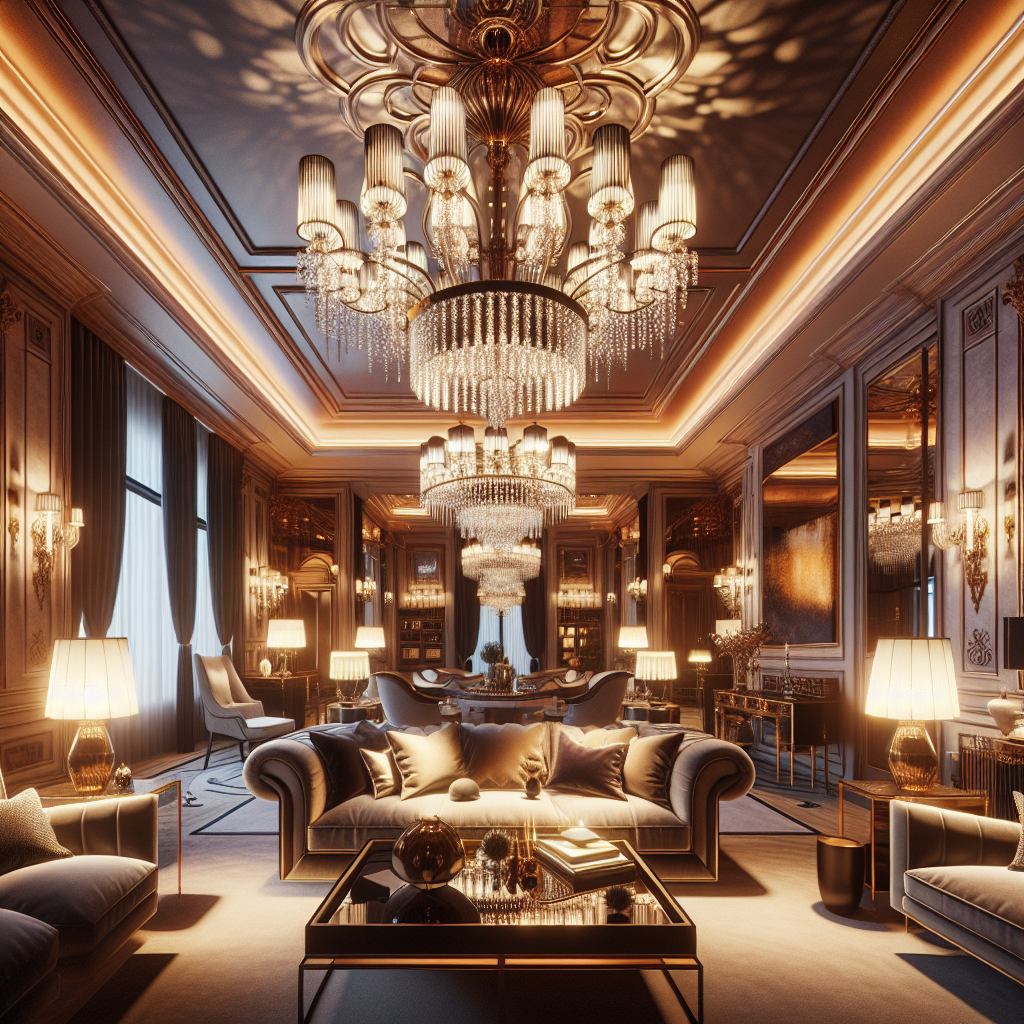
Lighting is another crucial aspect of curating a luxurious space. The right lighting can transform a room, highlighting the beauty of the materials and creating an inviting atmosphere. Consider using fixtures made from materials like crystal, brass, or hand-blown glass to add a touch of elegance. These materials not only provide a beautiful aesthetic but also reflect light in a way that enhances the overall ambiance. Layering different types of lighting, such as ambient, task, and accent lighting, can further enhance the luxurious feel by creating depth and dimension.
As you continue to curate your space, don’t overlook the importance of accessories and decorative elements. These finishing touches can tie the room together and add a layer of sophistication. Consider incorporating materials like polished metals, fine ceramics, or artisanal glass pieces. These elements can serve as focal points or subtle accents, depending on your design vision. Additionally, incorporating natural elements such as plants or stone sculptures can add an organic touch that complements the luxurious materials.
Ultimately, the art of editing and curating luxury spaces with intention is about creating a harmonious balance between aesthetics and functionality. By carefully selecting high-quality materials and considering how they interact within the space, you can craft an environment that exudes elegance and comfort. Remember, luxury is not just about opulence; it’s about creating a space that feels personal and inviting, where every element is chosen with care and purpose. As you embark on this creative journey, let your intuition guide you, and enjoy the process of transforming your space into a luxurious haven.
Balancing Aesthetics and Functionality in Luxury Spaces
Creating luxury spaces that balance aesthetics and functionality is an art form that requires a keen eye and a thoughtful approach. The process of editing a space, much like curating an art collection, involves selecting elements that not only complement each other but also serve a purpose. This delicate balance ensures that a space is not only visually stunning but also practical and comfortable for everyday use.
To begin with, understanding the purpose of the space is crucial. Whether it’s a living room meant for entertaining guests or a bedroom designed for relaxation, the function of the space should guide your design choices. This doesn’t mean sacrificing style for practicality; rather, it’s about finding pieces that fulfill both roles. For instance, a beautifully crafted coffee table can serve as a focal point in a living room while also providing storage or display space for books and decorative items.
Transitioning from purpose to aesthetics, it’s important to consider the overall mood you want to create. Luxury spaces often evoke a sense of calm and sophistication, achieved through a harmonious blend of colors, textures, and materials. Neutral palettes are a popular choice, as they provide a timeless backdrop that allows other elements to shine. However, don’t shy away from incorporating bold accents or statement pieces that reflect your personal style. These can add character and depth to the space, making it uniquely yours.
As you curate your space, think of it as a living entity that evolves over time. This means being open to change and willing to edit as needed. Perhaps a piece of furniture that once fit perfectly no longer serves its purpose, or a new artwork catches your eye and demands a place in your home. Embrace these changes as opportunities to refine and enhance your space. This ongoing process of editing ensures that your environment remains dynamic and engaging.
Moreover, the art of editing extends beyond the physical elements of a space. It also involves considering how the space makes you feel and how it functions in your daily life. A luxury space should not only be beautiful but also enhance your well-being. This might mean incorporating elements of nature, such as plants or natural light, to create a sense of tranquility. Or it could involve investing in high-quality materials and finishes that offer comfort and durability.
In addition, technology can play a significant role in balancing aesthetics and functionality. Smart home devices, for example, can seamlessly integrate into a luxury space, offering convenience without compromising on style. From automated lighting systems to sleek entertainment setups, these innovations can enhance the functionality of a space while maintaining its aesthetic appeal.
Ultimately, the art of editing is about creating a space that reflects who you are and how you live. It’s about making intentional choices that prioritize both beauty and practicality. By approaching your space with a curator’s mindset, you can craft an environment that not only looks luxurious but also feels like home. So, as you embark on your journey of curating luxury spaces, remember to balance aesthetics with functionality, and let your personal style shine through every carefully chosen detail.
Incorporating Personal Touches in High-End Interior Design
In the world of high-end interior design, the art of editing is a crucial skill that transforms a space from merely luxurious to truly personal and inviting. While opulent materials and exquisite craftsmanship are the hallmarks of luxury interiors, it is the thoughtful incorporation of personal touches that elevates a space, making it not just a showpiece but a reflection of the people who inhabit it. This delicate balance between grandeur and intimacy is what sets apart a well-designed room from one that feels like a museum.
To begin with, understanding the client’s personality and lifestyle is paramount. This involves more than just a cursory glance at their preferences; it requires a deep dive into their daily routines, hobbies, and cherished memories. By doing so, designers can weave elements into the space that resonate on a personal level. For instance, a client who loves to travel might appreciate a gallery wall featuring photographs from their adventures, or a collection of artifacts gathered from around the world. These items not only add character but also serve as conversation starters, making the space feel lived-in and loved.
Moreover, the use of heirlooms or sentimental pieces can add a layer of depth to luxury interiors. Incorporating a vintage armchair passed down through generations or a beloved piece of art can infuse a room with history and emotion. These items, when placed thoughtfully, can coexist harmoniously with modern furnishings, creating a dynamic interplay between the old and the new. This blend of styles not only adds visual interest but also tells a story, making the space uniquely personal.
In addition to personal artifacts, the choice of color and texture plays a significant role in curating a space with intention. While neutral palettes are often favored in luxury design for their timeless appeal, introducing a client’s favorite colors through accents or statement pieces can make the space feel more tailored. Similarly, the use of varied textures—such as a plush velvet sofa, a sleek marble countertop, or a rustic wooden table—can add layers of sensory experience, making the room feel more inviting and comfortable.
Lighting, too, is an essential element in creating a personalized atmosphere. Beyond its functional role, lighting can dramatically alter the mood of a space. By incorporating a mix of ambient, task, and accent lighting, designers can highlight personal treasures and create cozy nooks that invite relaxation. A well-placed chandelier or a series of pendant lights can serve as focal points, drawing attention to specific areas while adding a touch of elegance.
Finally, the art of editing in luxury interior design is about restraint. It is easy to be tempted by the allure of opulence, but true sophistication lies in knowing when to stop. By carefully selecting and curating pieces that hold personal significance, designers can create spaces that are not only beautiful but also meaningful. This thoughtful approach ensures that every element has a purpose and contributes to the overall harmony of the room.
In conclusion, incorporating personal touches in high-end interior design is about more than just aesthetics; it is about creating a space that feels like home. By understanding the client’s story and weaving it into the fabric of the design, designers can craft environments that are as luxurious as they are personal, offering a sanctuary that reflects the essence of those who dwell within.
Conclusion
“The Art of Editing: Curating Luxury Spaces with Intention” emphasizes the importance of thoughtful curation in creating luxurious environments. It highlights how intentional selection and placement of elements can transform a space, focusing on quality over quantity. The approach advocates for a minimalist yet sophisticated aesthetic, where each piece serves a purpose and contributes to the overall harmony and elegance of the space. By prioritizing intentionality, the art of editing not only enhances the visual appeal but also elevates the functionality and emotional resonance of luxury interiors.