Luxury Upcycling: Giving New Life to Vintage Pieces
March 23, 2021
Nostalgic Nouveau: Retro-Inspired Luxury for Modern Living
April 6, 2021
-
Table of Contents
- Introduction
- Mastering Balance: Achieving Symmetry in Luxury Living Spaces
- Flow and Function: Designing Open-Concept Luxury Interiors
- Statement Pieces: Highlighting Focal Points in High-End Homes
- Space Optimization: Maximizing Comfort in Expansive Rooms
- Harmonious Aesthetics: Blending Styles for a Cohesive Look
- Conclusion
Introduction
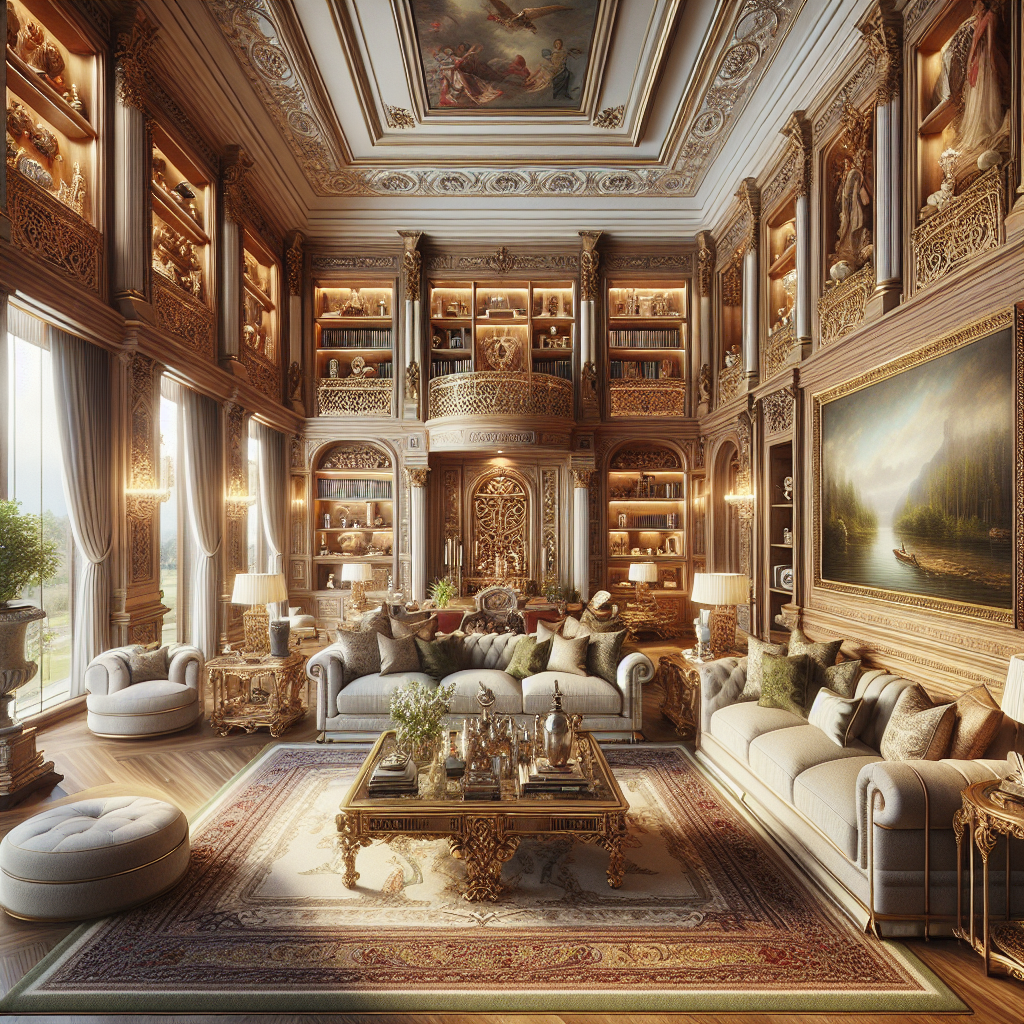
“The Art of Arrangement: Perfecting Furniture Placement in Luxury Homes” delves into the nuanced world of interior design, where the strategic placement of furniture transforms spaces into harmonious sanctuaries of elegance and comfort. This guide explores the principles and techniques that elevate luxury homes, emphasizing the balance between aesthetics and functionality. By examining various styles and layouts, it offers insights into creating environments that reflect personal taste while maximizing space and flow. Whether it’s a grand living room or an intimate study, this book provides the tools to master the art of arrangement, ensuring each piece of furniture contributes to a cohesive and luxurious atmosphere.
Mastering Balance: Achieving Symmetry in Luxury Living Spaces
Creating a harmonious living space in a luxury home is akin to crafting a masterpiece. The art of furniture arrangement plays a pivotal role in achieving this balance, where symmetry becomes the guiding principle. Imagine walking into a room that immediately feels inviting and well-proportioned; this is the magic of symmetry at work. It’s not just about placing furniture in a room but about creating a sense of equilibrium that resonates with the eye and the soul.
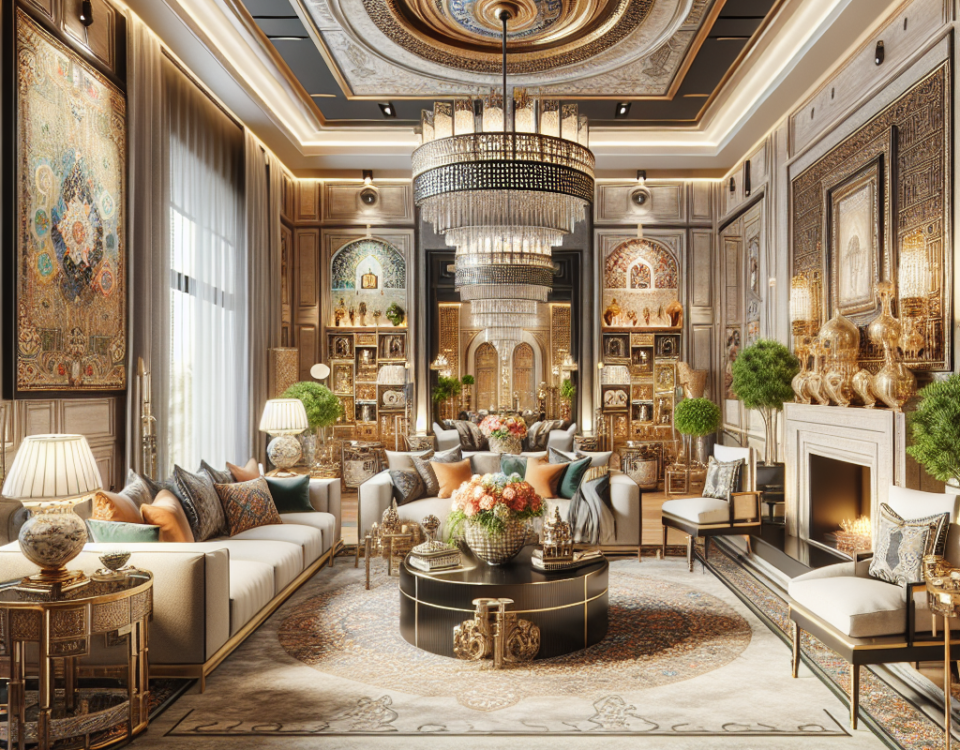
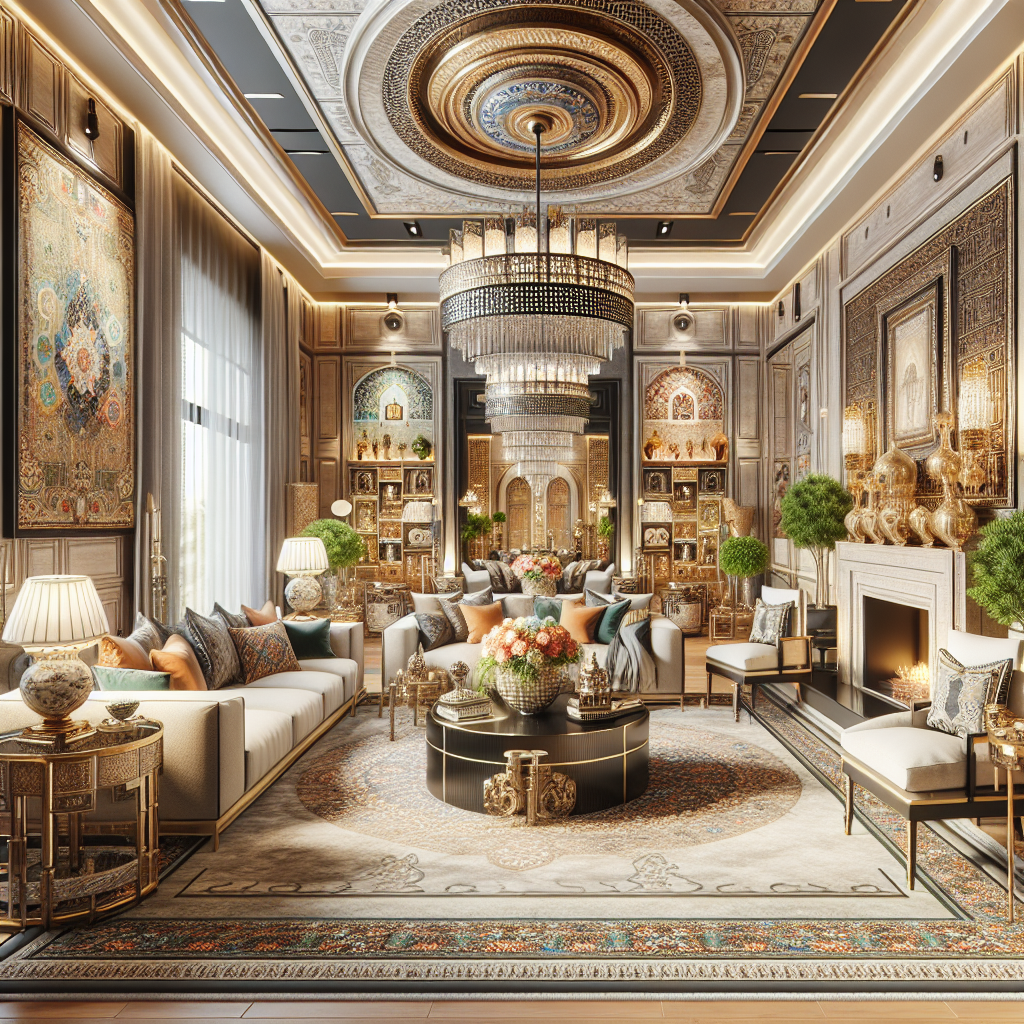
To begin with, understanding the architecture of the space is crucial. Luxury homes often boast unique architectural features such as grand fireplaces, expansive windows, or intricate moldings. These elements should be the focal points around which furniture is arranged. For instance, placing a pair of identical armchairs on either side of a fireplace not only highlights this feature but also creates a balanced visual appeal. Similarly, if a room has a stunning view, arranging seating to face the windows can enhance the natural symmetry provided by the landscape.
Moreover, the choice of furniture itself can significantly impact the balance of a room. In luxury spaces, where the scale of furniture tends to be larger, it’s essential to ensure that pieces complement rather than overwhelm each other. A large sectional sofa might be balanced with a substantial coffee table and a pair of equally grand side tables. This creates a cohesive look that feels both luxurious and inviting. Additionally, using pairs of items, such as matching lamps or side tables, can further enhance the symmetrical feel.
Transitioning from furniture to accessories, it’s important to remember that symmetry doesn’t mean everything has to be identical. It’s more about creating a sense of harmony. For example, if you have a large piece of art on one wall, balance it with a group of smaller frames on the opposite wall. This approach maintains visual interest while still adhering to the principles of symmetry. Similarly, when arranging decorative items on a mantel or shelf, consider using a central piece flanked by smaller, matching items on either side.
Lighting also plays a crucial role in achieving balance in luxury living spaces. Symmetrical lighting fixtures, such as chandeliers or pendant lights, can anchor a room and provide a sense of order. Additionally, placing matching floor or table lamps on either side of a sofa or bed can create a warm, inviting glow that enhances the room’s symmetry.
As we move towards the finishing touches, textiles and color schemes should not be overlooked. Coordinating colors and patterns across cushions, rugs, and curtains can tie a room together, reinforcing the symmetrical arrangement of furniture and accessories. Opting for a neutral palette with pops of color can add depth and interest without disrupting the balance.
In conclusion, mastering the art of furniture arrangement in luxury homes is about more than just aesthetics; it’s about creating a space that feels both elegant and comfortable. By focusing on symmetry and balance, homeowners can transform their living spaces into sanctuaries of style and tranquility. Whether it’s through the careful placement of furniture, the thoughtful selection of accessories, or the strategic use of lighting and color, achieving symmetry is a rewarding endeavor that elevates the luxury living experience.
Flow and Function: Designing Open-Concept Luxury Interiors
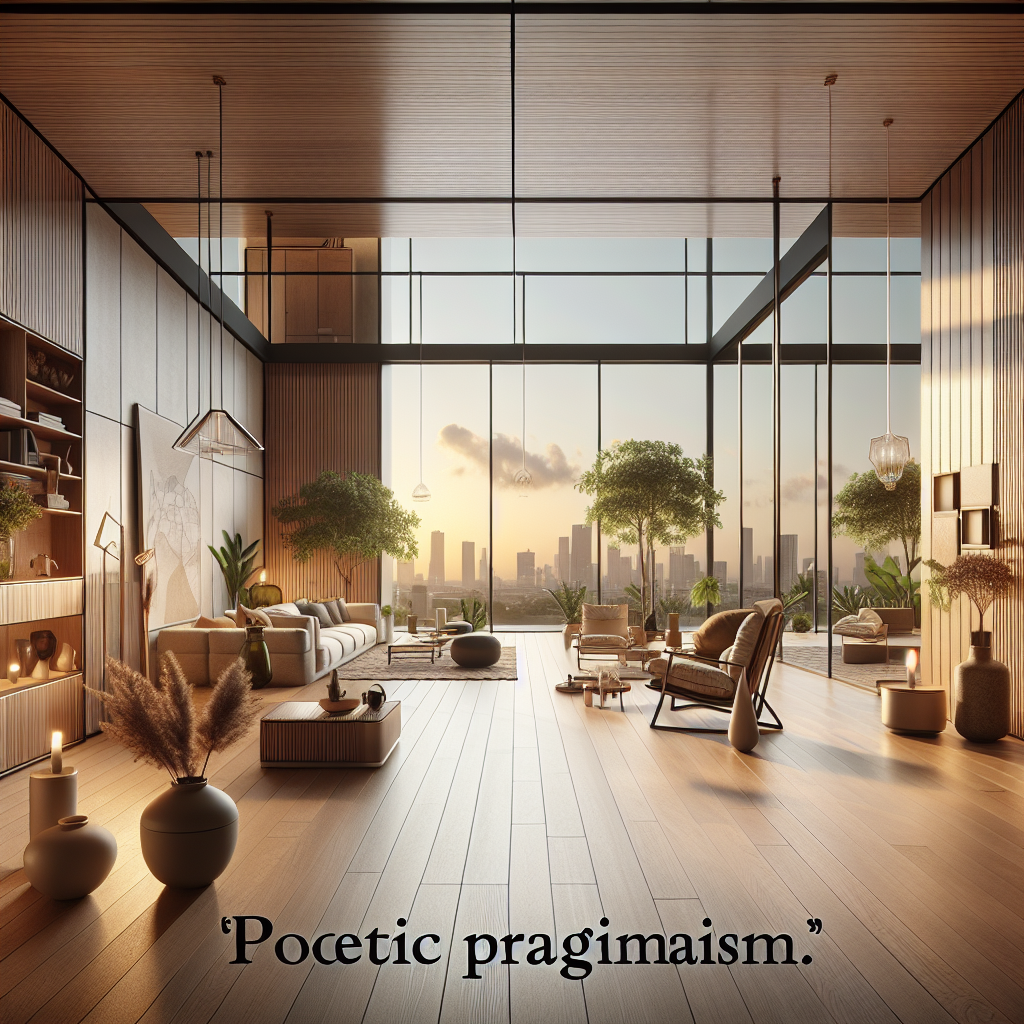
When it comes to designing open-concept luxury interiors, the art of furniture arrangement plays a pivotal role in creating spaces that are both functional and aesthetically pleasing. The beauty of open-concept living lies in its ability to foster a sense of freedom and fluidity, allowing for seamless transitions between different areas of the home. However, this openness can also present a unique set of challenges, particularly when it comes to defining spaces and ensuring that each area serves its intended purpose without feeling disjointed.
One of the first steps in perfecting furniture placement in an open-concept luxury home is to consider the flow of movement throughout the space. It’s essential to create clear pathways that guide the eye and the body naturally from one area to the next. This can be achieved by strategically placing furniture in a way that delineates different zones while maintaining a sense of cohesion. For instance, using a large, plush sofa to anchor the living area can help define the space without the need for physical barriers, such as walls or partitions.
In addition to considering the flow of movement, it’s important to think about the function of each area within the open-concept layout. Each space should have a clear purpose, whether it’s for relaxation, dining, or entertaining. By thoughtfully arranging furniture to support these functions, you can ensure that each area is both practical and inviting. For example, placing a dining table near the kitchen not only makes serving meals more convenient but also encourages social interaction during meal preparation.
Moreover, the choice of furniture itself can greatly impact the overall feel of an open-concept luxury interior. Opting for pieces that are both stylish and functional can enhance the sense of luxury while also serving the practical needs of the space. Consider incorporating multi-functional furniture, such as an elegant ottoman that doubles as storage or a chic console table that can also serve as a workspace. These versatile pieces can help maximize the utility of the space without sacrificing style.
Another key aspect of furniture arrangement in open-concept luxury homes is the use of color and texture to create visual interest and harmony. By selecting a cohesive color palette and incorporating a variety of textures, you can add depth and dimension to the space. This can be achieved through the use of area rugs, throw pillows, and other decorative elements that complement the overall design scheme. Additionally, incorporating natural materials, such as wood and stone, can add warmth and a touch of sophistication to the interior.
Lighting also plays a crucial role in defining and enhancing open-concept spaces. By using a combination of ambient, task, and accent lighting, you can create a layered effect that highlights different areas and adds to the overall ambiance. For instance, pendant lights over the dining table can create a focal point, while floor lamps in the living area can provide soft, inviting illumination.
Ultimately, the art of arrangement in open-concept luxury interiors is about finding the perfect balance between flow and function. By carefully considering the placement of furniture, the purpose of each area, and the overall design elements, you can create a space that is not only beautiful but also perfectly suited to the needs of its inhabitants. With a little creativity and attention to detail, you can transform an open-concept layout into a harmonious and luxurious home that truly reflects your personal style.
Statement Pieces: Highlighting Focal Points in High-End Homes
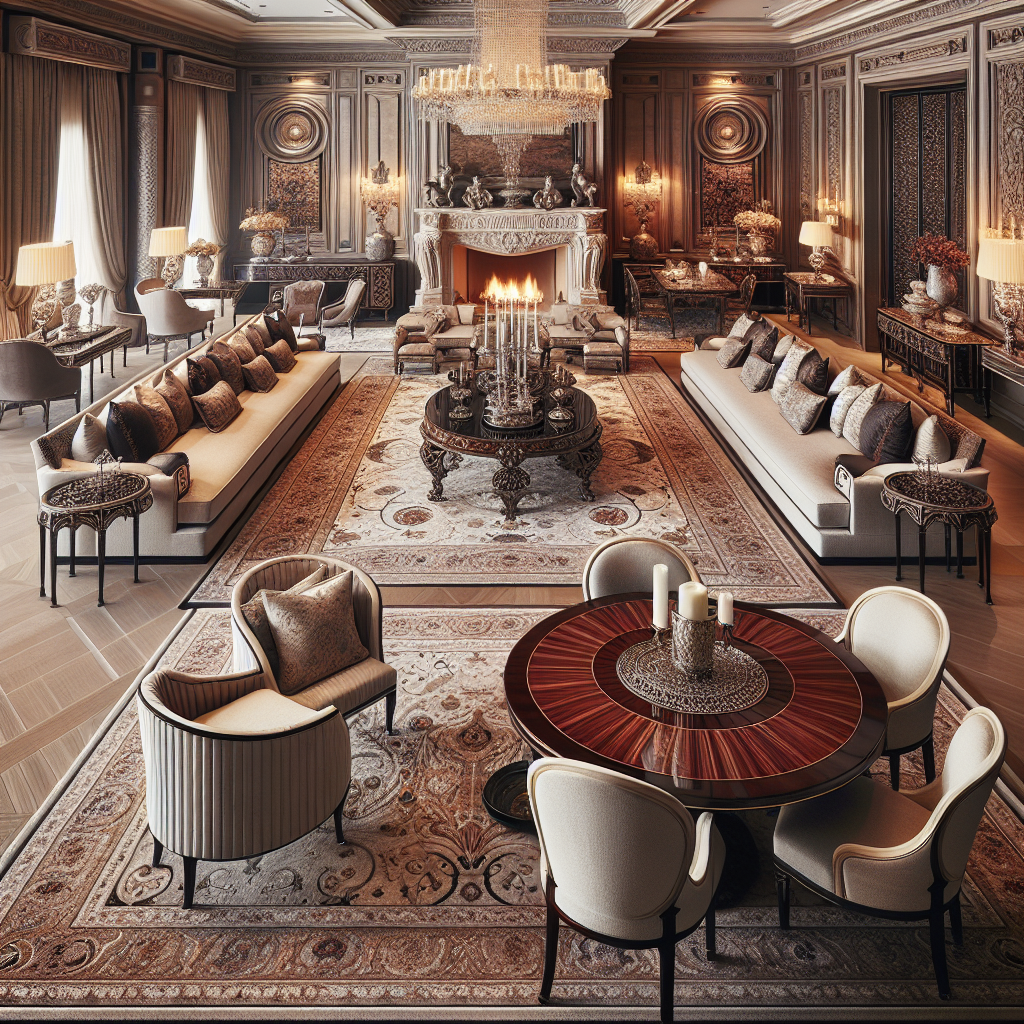
When it comes to luxury homes, the art of furniture arrangement is not just about filling a space; it’s about creating an environment that speaks to elegance, comfort, and personal style. One of the most effective ways to achieve this is by highlighting statement pieces that serve as focal points in a room. These pieces, whether they are a grand piano, a stunning piece of art, or a designer sofa, have the power to transform a space and set the tone for the entire home.
To begin with, identifying the right statement piece is crucial. It should be something that resonates with the homeowner’s personality and complements the overall aesthetic of the home. For instance, a contemporary sculpture might be perfect for a modern minimalist space, while an antique armoire could add charm to a more traditional setting. Once the statement piece is chosen, the next step is to position it in a way that draws attention without overwhelming the room. This often means placing it in a central location or against a backdrop that enhances its features.
Transitioning from selecting to positioning, consider the flow of the room. It’s important to ensure that the statement piece is easily visible from various angles and that it doesn’t obstruct pathways or other functional areas. For example, if the focal point is a large painting, it might be best placed on a wall that is immediately visible upon entering the room. This not only highlights the artwork but also creates a welcoming atmosphere.
Moreover, lighting plays a significant role in accentuating statement pieces. Proper lighting can enhance the colors and textures of a piece, making it even more striking. Whether it’s a chandelier casting a warm glow over a dining table or track lighting highlighting a piece of art, the right illumination can make all the difference. It’s worth experimenting with different lighting options to see what best complements the statement piece and the room as a whole.
In addition to lighting, the surrounding furniture and decor should be arranged to support the statement piece. This doesn’t mean everything else should fade into the background, but rather that the other elements should harmonize with the focal point. For instance, if the statement piece is a bold, colorful sofa, the surrounding chairs and tables might be in more neutral tones to allow the sofa to stand out. Similarly, if the focal point is a unique coffee table, the seating arrangement should be designed to encourage interaction around it.
Furthermore, it’s essential to maintain a sense of balance and proportion. A statement piece should enhance the room, not dominate it. This can be achieved by ensuring that the size of the piece is appropriate for the space and that there is enough room for other elements to breathe. For example, in a spacious living room, a large sectional might be the perfect statement piece, while in a smaller space, a beautifully crafted armchair might be more suitable.
Ultimately, the art of arrangement in luxury homes is about creating a cohesive and inviting space where statement pieces shine. By carefully selecting, positioning, and complementing these focal points, homeowners can craft an environment that is both stylish and personal. With a little creativity and attention to detail, any luxury home can be transformed into a masterpiece of design.
Space Optimization: Maximizing Comfort in Expansive Rooms
When it comes to luxury homes, the sheer size of the rooms can be both a blessing and a challenge. While expansive spaces offer endless possibilities for creativity, they also require a thoughtful approach to furniture placement to ensure comfort and functionality. The art of arrangement in these grand settings is all about striking the perfect balance between filling the space and maintaining an inviting atmosphere. With a few strategic considerations, you can transform any large room into a harmonious haven.
To begin with, it’s essential to understand the purpose of the room. Whether it’s a living area, a dining room, or a master suite, having a clear vision of how the space will be used is crucial. This understanding will guide your decisions on furniture selection and placement. For instance, in a living room, you might want to create multiple seating areas to encourage conversation and relaxation. This can be achieved by grouping sofas and chairs in a way that feels intimate yet open, allowing for easy movement and interaction.
Transitioning from purpose to layout, consider the flow of the room. In luxury homes, it’s important to maintain a sense of openness while ensuring that each area feels distinct. One effective way to achieve this is by using rugs to define different zones within the room. A large, plush rug can anchor a seating area, while a smaller one might delineate a reading nook or a workspace. This not only adds visual interest but also helps in organizing the space without the need for physical barriers.
Moreover, when arranging furniture, think about the focal points in the room. Expansive rooms often feature stunning architectural details, such as large windows with breathtaking views or a grand fireplace. Positioning furniture to highlight these elements can enhance the room’s overall appeal. For example, placing a sofa facing a window allows you to enjoy the view while also creating a natural gathering spot. Similarly, arranging chairs around a fireplace can make it the heart of the room, perfect for cozy evenings.
In addition to focal points, consider the scale of the furniture. In large rooms, it’s easy for furniture to feel dwarfed by the space. To avoid this, opt for pieces that are appropriately sized and proportioned. Oversized sofas, statement armchairs, and substantial coffee tables can fill the room without overwhelming it. However, be mindful of not overcrowding the space; leaving some areas open can enhance the sense of luxury and grandeur.
Lighting also plays a crucial role in maximizing comfort in expansive rooms. Layered lighting, which includes a mix of ambient, task, and accent lighting, can create a warm and inviting atmosphere. Chandeliers or pendant lights can add drama and elegance, while floor lamps and table lamps provide softer, more intimate lighting options. By adjusting the lighting to suit different times of day and activities, you can ensure that the room remains comfortable and functional.
Finally, don’t forget the personal touches that make a space truly feel like home. Incorporating artwork, decorative objects, and personal mementos can add character and warmth to even the most spacious rooms. These elements not only reflect your personality but also create a sense of intimacy and connection within the vastness.
In conclusion, perfecting furniture placement in luxury homes is an art that combines purpose, flow, scale, and personal style. By thoughtfully arranging each element, you can create a space that is both comfortable and captivating, making the most of every inch of your expansive rooms.
Harmonious Aesthetics: Blending Styles for a Cohesive Look
Creating a harmonious aesthetic in a luxury home is akin to conducting a symphony, where each piece of furniture plays its part in a grand composition. The art of arrangement is not just about placing furniture in a room; it’s about blending styles to achieve a cohesive look that reflects both elegance and comfort. As you embark on this creative journey, consider the balance between form and function, ensuring that each piece not only complements the overall design but also serves a practical purpose.
To begin with, understanding the architectural elements of your space is crucial. High ceilings, large windows, and intricate moldings are often features of luxury homes that can be highlighted through thoughtful furniture placement. For instance, a grand chandelier can draw the eye upward, accentuating the height of a room, while a strategically placed mirror can reflect natural light, enhancing the sense of space. By acknowledging these elements, you can choose furniture that enhances rather than competes with the existing architecture.
Transitioning from architecture to style, it’s important to consider the interplay of different design elements. Mixing modern and traditional pieces can create a dynamic and inviting atmosphere. Imagine a sleek, contemporary sofa paired with a classic Persian rug; the contrast between the two can add depth and interest to a room. However, to maintain cohesion, it’s essential to find a common thread, such as color or texture, that ties these disparate elements together. A neutral color palette, for example, can serve as a unifying backdrop, allowing individual pieces to shine without overwhelming the space.
As you arrange your furniture, think about the flow of movement within the room. In luxury homes, where space is often abundant, it’s tempting to fill every corner with opulent pieces. Yet, leaving some areas open can create a sense of airiness and allow for easy navigation. Consider the natural pathways people will take as they move through the space, and arrange your furniture to facilitate this flow. A well-placed coffee table or an inviting armchair can encourage conversation and create a welcoming environment.
In addition to considering movement, it’s also important to think about the function of each room. A living room, for instance, should be arranged to promote relaxation and social interaction. Grouping seating around a central focal point, such as a fireplace or a stunning piece of art, can create an intimate setting. In contrast, a dining room might prioritize symmetry and formality, with a large table serving as the centerpiece. By aligning your furniture arrangement with the intended use of the space, you can enhance both its beauty and its practicality.
Finally, don’t forget the power of personal touches. Luxury homes often serve as a canvas for showcasing unique collections and cherished items. Incorporating these elements into your furniture arrangement can add character and warmth. Whether it’s a vintage vase on a modern console table or a family heirloom displayed on a sleek bookshelf, these personal touches can make a space feel truly yours.
In conclusion, perfecting furniture placement in luxury homes is an art that requires a delicate balance of style, function, and personal expression. By blending different design elements and considering the flow and purpose of each room, you can create a harmonious aesthetic that is both luxurious and inviting. As you experiment with different arrangements, remember that the ultimate goal is to create a space that not only looks beautiful but also feels like home.
Conclusion
“The Art of Arrangement: Perfecting Furniture Placement in Luxury Homes” emphasizes the critical role of strategic furniture placement in enhancing the aesthetic and functional appeal of luxury homes. It underscores the importance of balance, proportion, and flow in creating harmonious living spaces that reflect personal style while maximizing comfort and utility. By considering architectural features, natural light, and the intended use of each room, homeowners can achieve a sophisticated and inviting atmosphere. The book ultimately highlights that thoughtful arrangement is an art form that transforms interiors into elegant and personalized sanctuaries.