Artisanal Ceramics: Handmade Pottery in High-End Design
March 26, 2024
Bespoke Kitchens: Customized Culinary Spaces for Luxury Homes
April 9, 2024
-
Table of Contents
- Introduction
- The Art of Aging: How Patina Enhances Luxury Interiors
- Timeless Elegance: Incorporating Patina in Modern Design
- The Science Behind Patina: Understanding Its Formation and Appeal
- Patina in Fashion: Aged Finishes as a Statement of Luxury
- Sustainable Luxury: The Eco-Friendly Appeal of Patina
- Conclusion
Introduction
In the realm of luxury design, where perfection and pristine finishes often reign supreme, a growing appreciation for the beauty of imperfection is emerging. “The Power of Patina: Embracing Aged Finishes in Luxury” explores this captivating trend, where the allure of timeworn surfaces and the character of aged materials are celebrated as hallmarks of sophistication and authenticity. Patina, the natural wear and oxidation that occur over time, transforms objects into unique pieces with stories etched into their surfaces. This embrace of aged finishes reflects a shift towards valuing history, craftsmanship, and the organic evolution of materials, offering a rich tapestry of textures and hues that enhance the depth and narrative of luxury spaces. As designers and consumers alike seek to infuse their environments with warmth and individuality, the power of patina stands as a testament to the enduring elegance of the imperfect and the timeless charm of the aged.
The Art of Aging: How Patina Enhances Luxury Interiors
In the world of luxury interiors, there’s a growing appreciation for the beauty that comes with age. This isn’t about the latest trends or the shiniest new objects; rather, it’s about embracing the character and depth that only time can bestow. Enter the concept of patina, a term that refers to the surface changes that occur on materials like wood, metal, and leather as they age. Patina is not just a sign of wear and tear; it’s a testament to the stories and experiences that an object has accumulated over time. This unique quality is increasingly being celebrated in luxury interiors, where the charm of aged finishes is being used to create spaces that are rich in history and personality.
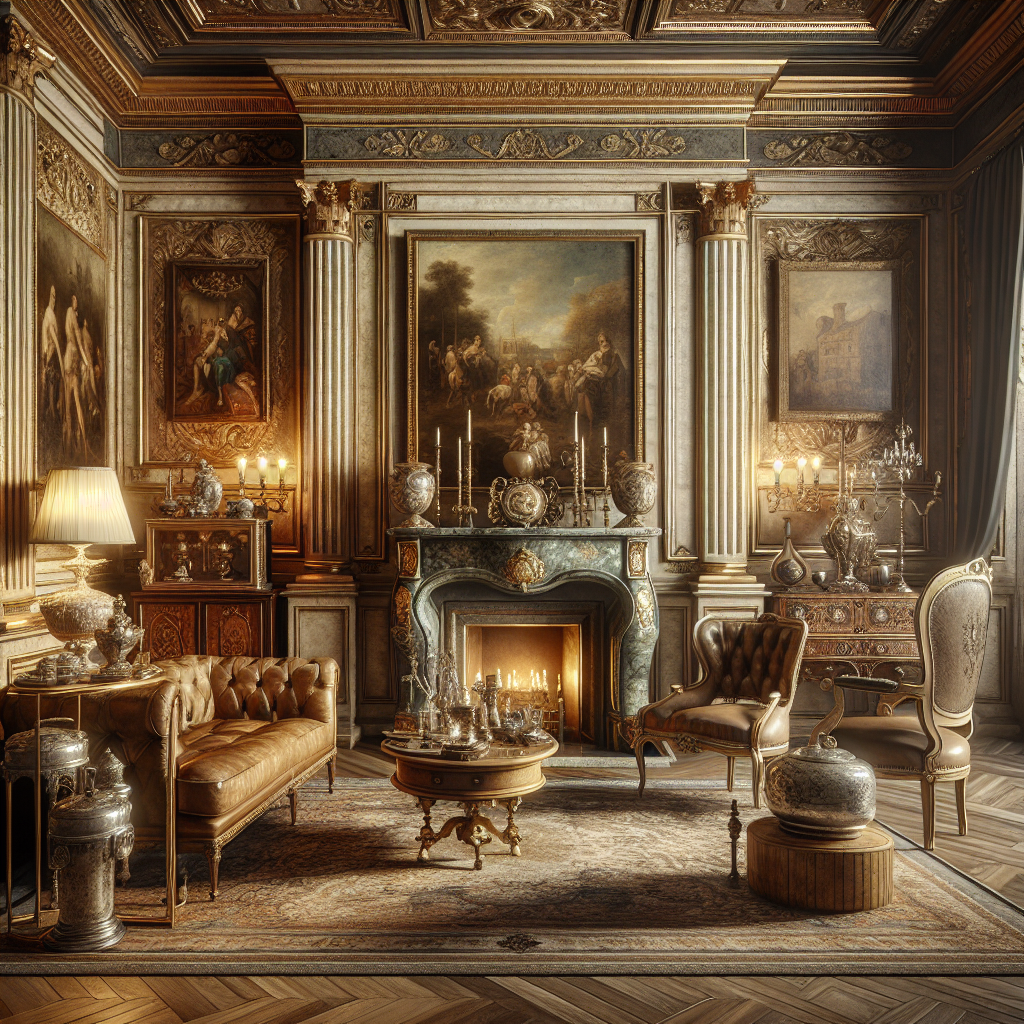
One of the most appealing aspects of patina is its ability to add warmth and authenticity to a space. In a world where perfection is often pursued, the imperfections of patina offer a refreshing contrast. These aged finishes tell a story, inviting us to imagine the hands that have touched them and the places they have been. For instance, a leather chair with a well-worn patina can evoke a sense of nostalgia, reminding us of cozy evenings spent by the fire or lively conversations shared with friends. Similarly, a wooden table with a weathered surface can become the centerpiece of a room, its marks and scratches serving as a testament to countless family gatherings and celebrations.
Moreover, patina has the power to create a sense of continuity and connection within a space. By incorporating aged finishes, designers can seamlessly blend the old with the new, creating interiors that feel both timeless and contemporary. This approach not only adds depth and character but also allows for a more sustainable way of designing. Instead of discarding items that show signs of age, patina encourages us to appreciate and preserve them, reducing waste and promoting a more environmentally conscious lifestyle.
In addition to its aesthetic and environmental benefits, patina also offers a tactile experience that is often missing in modern interiors. The smooth, polished surfaces that dominate contemporary design can sometimes feel cold and impersonal. In contrast, the textures of patina invite touch and interaction, creating a more engaging and inviting atmosphere. Whether it’s the cool, oxidized surface of a copper lamp or the soft, worn leather of a vintage sofa, these materials invite us to slow down and savor the moment, adding a layer of sensory richness to our everyday lives.
Furthermore, the use of patina in luxury interiors is not limited to traditional or rustic styles. It can be incorporated into a wide range of design aesthetics, from industrial lofts to minimalist spaces. By carefully selecting pieces with aged finishes, designers can add a touch of history and sophistication to any interior, creating a unique and personalized environment that reflects the tastes and experiences of its inhabitants.
In conclusion, the power of patina lies in its ability to transform ordinary objects into extraordinary ones, imbuing them with a sense of history, warmth, and authenticity. As we continue to seek out spaces that resonate with our personal stories and values, the allure of aged finishes in luxury interiors is only set to grow. By embracing the art of aging, we not only enhance the beauty of our surroundings but also create spaces that are truly meaningful and enduring.
Timeless Elegance: Incorporating Patina in Modern Design
In the world of luxury design, there’s a growing appreciation for the beauty that comes with age. This is where the concept of patina comes into play, offering a unique charm that new finishes simply can’t replicate. Patina, the natural wear and aging process that materials undergo over time, adds a layer of history and character to objects, making them not just items of utility but storytellers in their own right. As we delve into the realm of modern design, the allure of patina is being embraced more than ever, blending the old with the new to create spaces that exude timeless elegance.
One of the most compelling aspects of patina is its ability to tell a story. Each scratch, tarnish, or fade marks a moment in time, a testament to the object’s journey through life. This narrative quality is particularly appealing in luxury design, where uniqueness and authenticity are highly prized. Unlike mass-produced items that often lack individuality, pieces with patina offer a sense of exclusivity. They invite us to imagine the hands that have touched them, the places they’ve been, and the experiences they’ve witnessed. This connection to the past enriches our present, adding depth and meaning to our surroundings.
Moreover, incorporating patina into modern design is a celebration of imperfection. In a world that often strives for flawlessness, patina reminds us that beauty can be found in the imperfect and the worn. This perspective aligns with the Japanese philosophy of wabi-sabi, which finds beauty in the transient and imperfect. By embracing patina, designers are not only honoring the passage of time but also challenging conventional notions of beauty. This shift in mindset encourages us to appreciate the natural aging process, fostering a deeper connection with the materials and objects that fill our lives.
Transitioning from the philosophical to the practical, patina offers a versatile design element that can be seamlessly integrated into various styles. Whether it’s the rich, oxidized hues of aged copper, the soft, weathered look of distressed leather, or the warm, inviting tones of reclaimed wood, patina can enhance both traditional and contemporary spaces. It adds texture and depth, creating a layered aesthetic that feels both curated and lived-in. This versatility makes patina an invaluable tool for designers seeking to create environments that are both sophisticated and approachable.
Furthermore, the use of patina in design is an environmentally conscious choice. By valuing aged materials, we reduce the demand for new resources and promote sustainability. This approach aligns with the growing trend of eco-friendly design, where the focus is on creating beautiful spaces that are also kind to the planet. By choosing materials that develop patina over time, we not only reduce waste but also invest in pieces that will continue to evolve and improve with age.
In conclusion, the power of patina lies in its ability to bridge the past and present, offering a sense of continuity and connection. As we incorporate aged finishes into modern design, we create spaces that are rich in history and character, inviting us to slow down and appreciate the stories embedded in our surroundings. Embracing patina is more than a design choice; it’s a celebration of life’s journey, with all its imperfections and beauty.
The Science Behind Patina: Understanding Its Formation and Appeal
When you think of luxury, images of pristine, polished surfaces might come to mind. However, there’s a growing appreciation for the beauty of aged finishes, known as patina, in the world of high-end design. This allure of patina is not just about aesthetics; it’s deeply rooted in science and history, offering a unique charm that newness simply cannot replicate. To truly appreciate the power of patina, it’s essential to understand how it forms and why it captivates us.
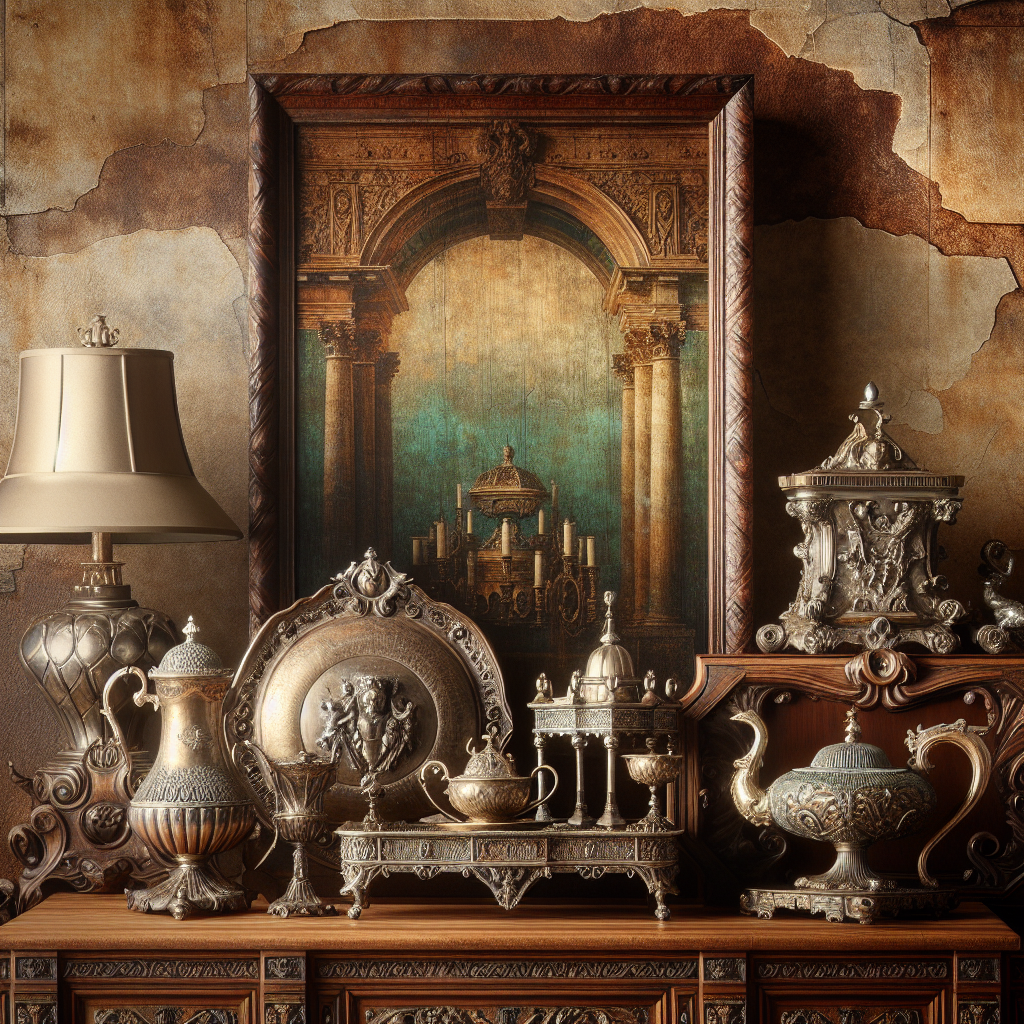
Patina is essentially the result of a natural process that occurs over time. When materials like metal, wood, or leather are exposed to the elements, they undergo chemical reactions that alter their surface. For instance, copper develops a greenish layer known as verdigris, while silver tarnishes to a darker hue. These changes are not signs of decay but rather a testament to the material’s resilience and history. The science behind patina involves oxidation, a process where oxygen interacts with the material, creating a thin layer that can protect the underlying surface from further corrosion. This protective quality is one reason why patina is so valued; it tells a story of endurance and transformation.
Moreover, the appeal of patina goes beyond its protective properties. It evokes a sense of nostalgia and authenticity, qualities that are increasingly sought after in a world dominated by mass production and disposable goods. Patina suggests that an item has been well-loved and well-used, carrying with it the memories and experiences of its past. This connection to history and the passage of time adds depth and character to objects, making them more than just functional items but pieces of art in their own right.
In addition to its historical and emotional appeal, patina also offers a unique aesthetic that is difficult to replicate artificially. The irregularities and variations in color and texture that develop over time create a one-of-a-kind appearance that is both intriguing and beautiful. This natural evolution of materials can add warmth and richness to a space, making it feel more inviting and lived-in. Designers and homeowners alike are increasingly drawn to this organic beauty, incorporating aged finishes into their projects to create spaces that feel both luxurious and grounded.
Furthermore, embracing patina aligns with a growing trend towards sustainability and mindful consumption. By valuing aged finishes, we are encouraged to appreciate and preserve what we already have, rather than constantly seeking out the new. This shift in mindset not only reduces waste but also fosters a deeper connection to our belongings, as we learn to see the beauty in imperfection and the stories that objects can tell.
In conclusion, the power of patina lies in its ability to transform ordinary materials into extraordinary works of art. Through the natural processes of aging and oxidation, patina creates a unique aesthetic that is rich in history and character. Its appeal is not just about looks; it’s about embracing the passage of time and the stories that come with it. As we continue to seek authenticity and sustainability in our lives, the allure of patina will undoubtedly grow, reminding us that sometimes, the most luxurious things are those that have been touched by time.
Patina in Fashion: Aged Finishes as a Statement of Luxury
In the ever-evolving world of fashion, where trends come and go with the seasons, there’s something undeniably captivating about the timeless allure of patina. This aged finish, often seen in luxury items, tells a story of history, craftsmanship, and authenticity. It’s a testament to the idea that true luxury isn’t just about the new and shiny but also about the character and depth that come with age. As we delve into the world of patina in fashion, it’s fascinating to see how this concept has become a statement of luxury, embraced by designers and fashion enthusiasts alike.
To begin with, patina is not just a finish; it’s a journey. It’s the gradual change in appearance that occurs over time, often seen in materials like leather, metal, and wood. This transformation is influenced by various factors, including exposure to the elements, handling, and even the passage of time itself. In the realm of fashion, patina is celebrated for its ability to add a unique character to each piece, making it truly one-of-a-kind. It’s the kind of beauty that can’t be replicated in a factory or mass-produced, which is precisely why it holds such a special place in the world of luxury.
Moreover, the appeal of patina lies in its authenticity. In an age where fast fashion dominates, and synthetic materials are often used to mimic natural ones, patina stands as a symbol of genuine craftsmanship. It speaks to the quality of materials and the skill of artisans who create pieces meant to last a lifetime. When you see a leather bag with a rich, deep patina, you know it’s been crafted with care and designed to age gracefully. This authenticity resonates with those who value sustainability and are looking for pieces that transcend fleeting trends.
Transitioning to the consumer perspective, there’s a growing appreciation for items that tell a story. Patina does just that. Each scratch, scuff, and change in color is a chapter in the life of a garment or accessory. It’s a narrative that unfolds with every wear, making the item more personal and meaningful. This storytelling aspect of patina is particularly appealing to those who view fashion as an expression of individuality. In a world where uniformity often reigns, having a piece that reflects your journey and experiences is a luxury in itself.
Furthermore, designers are increasingly incorporating patina into their collections, recognizing its potential to elevate their creations. From distressed denim to aged leather jackets, the use of patina adds depth and character to modern designs. It’s a nod to the past while remaining firmly rooted in the present, creating a bridge between tradition and innovation. This blend of old and new is what makes patina so versatile and appealing in the luxury fashion market.
In conclusion, the power of patina lies in its ability to transform ordinary items into extraordinary ones. It’s a celebration of age, authenticity, and individuality, making it a cherished element in the world of luxury fashion. As more people embrace the beauty of aged finishes, patina continues to stand as a testament to the enduring appeal of craftsmanship and the stories that fashion can tell. Whether it’s a well-worn leather bag or a pair of perfectly faded jeans, patina reminds us that true luxury is not just about what we wear but the journey we take with it.
Sustainable Luxury: The Eco-Friendly Appeal of Patina
In the world of luxury design, there’s a growing appreciation for the beauty of imperfection, and nothing embodies this more than the allure of patina. This naturally occurring phenomenon, which develops over time on surfaces like metal, wood, and leather, is becoming a sought-after feature in high-end interiors and fashion. As we delve into the eco-friendly appeal of patina, it’s clear that this aged finish is not just a trend but a testament to sustainable luxury.
To begin with, patina is a celebration of time’s passage, offering a unique character that cannot be replicated by new, mass-produced items. This individuality is precisely what makes patina so desirable in luxury markets. Each piece tells a story, marked by the subtle changes in color and texture that occur as materials age. For instance, the soft sheen on a well-loved leather chair or the verdigris on a copper vase adds depth and personality to a space, creating an environment that feels both lived-in and luxurious.
Moreover, embracing patina aligns perfectly with the principles of sustainability. In a world increasingly aware of environmental impact, the luxury sector is shifting towards more eco-conscious practices. By valuing aged finishes, we reduce the demand for new resources and minimize waste. Instead of discarding items that show signs of wear, we celebrate their history and craftsmanship. This shift not only conserves materials but also honors the artisans who created these pieces, recognizing the skill and effort involved in their production.
In addition to its environmental benefits, patina also encourages a more mindful approach to consumption. When we appreciate the beauty of aged finishes, we become more inclined to invest in quality items that will stand the test of time. This mindset fosters a deeper connection with our possessions, encouraging us to care for them and pass them down through generations. As a result, patina becomes a symbol of longevity and heritage, qualities that are increasingly valued in today’s fast-paced world.
Furthermore, the appeal of patina extends beyond its aesthetic and environmental advantages. It also offers a tactile experience that new finishes often lack. The smoothness of a worn wooden table or the cool touch of a weathered stone countertop invites us to engage with our surroundings in a more intimate way. This sensory connection enhances our appreciation for the materials and craftsmanship involved, making our living spaces feel more personal and inviting.
As we continue to explore the intersection of luxury and sustainability, it’s clear that patina plays a crucial role in this evolving narrative. By embracing aged finishes, we not only reduce our environmental footprint but also enrich our lives with objects that have character and history. This approach challenges the notion that luxury must always be pristine and new, instead celebrating the beauty of imperfection and the stories that come with it.
In conclusion, the power of patina lies in its ability to transform the way we perceive luxury. By valuing aged finishes, we embrace a more sustainable and meaningful approach to design, one that honors the past while looking towards the future. As we continue to seek out eco-friendly solutions in all aspects of life, patina stands as a shining example of how luxury and sustainability can coexist harmoniously.
Conclusion
The Power of Patina: Embracing Aged Finishes in Luxury highlights the growing appreciation for aged finishes in luxury design, emphasizing how patina adds depth, character, and authenticity to high-end products. This trend reflects a shift towards valuing history, craftsmanship, and the unique stories that aged materials convey. By embracing patina, luxury brands and consumers alike celebrate the beauty of imperfection and the richness of time-worn aesthetics, ultimately redefining luxury as an experience that honors both the past and the present.