Bespoke Kitchens: Customized Culinary Spaces for Luxury Homes
April 9, 2024
Luxury Tech Integration: Seamless Technology in High-End Interiors
April 23, 2024
-
Table of Contents
Introduction
“The New Transparency: Glass and Lucite in Contemporary Design” explores the innovative use of transparent materials in modern design, highlighting how glass and Lucite have transformed aesthetic and functional aspects of contemporary spaces. This movement emphasizes clarity, lightness, and fluidity, pushing the boundaries of traditional design by integrating these materials into architecture, furniture, and decorative arts. The exhibition or publication showcases the versatility and elegance of transparency, illustrating how designers leverage these materials to create visually striking and conceptually engaging works that redefine the interaction between space, light, and form. Through a curated selection of pieces, “The New Transparency” celebrates the intersection of technology, artistry, and material science, offering insights into the future of design.
The Evolution Of Glass In Modern Interior Design
In recent years, the world of interior design has witnessed a fascinating evolution, with glass and Lucite taking center stage in creating spaces that feel open, airy, and effortlessly chic. This trend, often referred to as “the new transparency,” has transformed how we think about materials in our homes and offices. As we explore this evolution, it’s essential to understand how these materials have come to redefine modern interior design.
To begin with, glass has long been a staple in architecture and design, but its role has expanded significantly in contemporary settings. Traditionally used for windows and doors, glass is now being utilized in more innovative ways, such as entire walls, floors, and even furniture. This shift is largely due to advancements in technology that have made glass stronger and more versatile than ever before. For instance, tempered and laminated glass options provide durability and safety, allowing designers to push the boundaries of what is possible.
Moreover, the use of glass in interior design is not just about aesthetics; it’s also about creating a sense of openness and connection with the surrounding environment. By incorporating large glass panels or partitions, spaces can feel larger and more inviting, blurring the lines between indoor and outdoor living. This is particularly appealing in urban areas where space is at a premium, and every square foot counts. The transparency of glass allows natural light to flood into a room, creating a warm and welcoming atmosphere that artificial lighting simply cannot replicate.
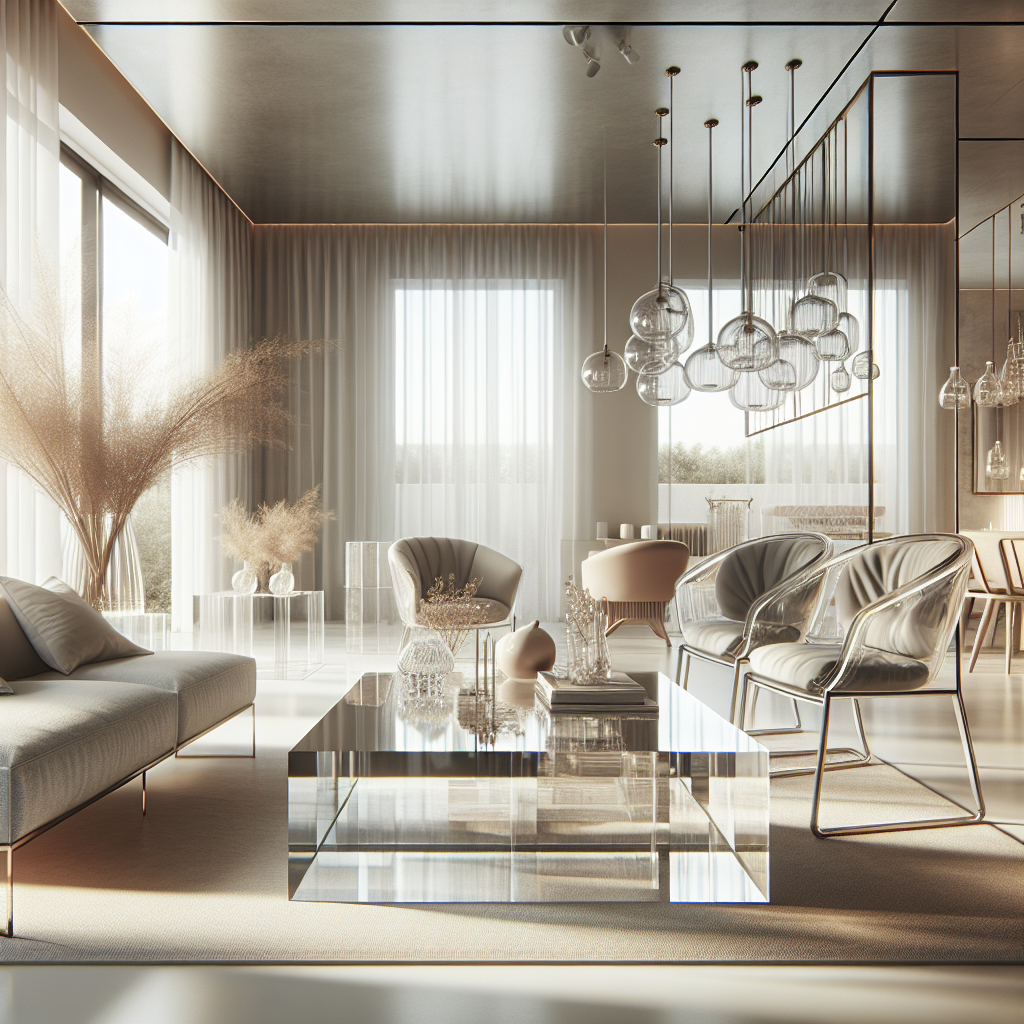
In tandem with glass, Lucite has emerged as a popular material in modern design. Often mistaken for glass due to its clear appearance, Lucite is actually a type of acrylic that offers a similar look with added benefits. It’s lightweight, shatter-resistant, and can be molded into a variety of shapes, making it an ideal choice for furniture and decorative accents. Lucite’s versatility allows designers to experiment with bold and creative designs that might not be feasible with traditional materials.
The appeal of Lucite lies in its ability to add a touch of modern elegance without overwhelming a space. Its transparent nature means it can seamlessly blend into any design scheme, whether it’s a minimalist loft or a cozy cottage. Lucite furniture, such as coffee tables and chairs, can create the illusion of more space, making it a favorite among those looking to maximize their living areas. Additionally, Lucite’s ability to be tinted in various colors adds another layer of customization, allowing for personalized touches that reflect individual style.
As we continue to embrace the new transparency in design, it’s clear that glass and Lucite are here to stay. They offer a unique combination of beauty, functionality, and versatility that is hard to match. Whether you’re looking to create a sleek, modern aesthetic or simply want to bring more light into your home, these materials provide endless possibilities. As designers and homeowners alike explore the potential of glass and Lucite, we can expect to see even more innovative uses and creative applications in the years to come. So, if you’re considering a design refresh, why not let a little transparency into your life? You might just find that it opens up a whole new world of possibilities.
Lucite: The Clear Choice For Contemporary Furniture
In recent years, the world of interior design has seen a resurgence of interest in materials that offer both aesthetic appeal and functional versatility. Among these, Lucite has emerged as a standout choice for contemporary furniture, captivating designers and homeowners alike with its sleek, modern look and unique properties. As we explore the reasons behind Lucite’s growing popularity, it becomes clear that this material is more than just a passing trend; it’s a testament to the evolving tastes and needs of today’s design enthusiasts.
To begin with, Lucite, a type of acrylic resin, is celebrated for its remarkable clarity and lightness. Unlike traditional glass, which can be heavy and prone to shattering, Lucite offers a durable alternative that maintains the same transparent allure. This makes it an ideal choice for furniture pieces that aim to create an open, airy feel in a room. Whether it’s a coffee table, a chair, or a shelving unit, Lucite furniture can seamlessly blend into any space, allowing other design elements to shine while still making a statement of its own.
Moreover, the versatility of Lucite is another reason for its widespread appeal. It can be molded into a variety of shapes and forms, offering endless possibilities for creative expression. Designers are not limited by the constraints of traditional materials, which means they can experiment with bold, innovative designs that push the boundaries of conventional furniture. From sleek, minimalist lines to more intricate, sculptural forms, Lucite allows for a level of creativity that is both exciting and refreshing.
In addition to its aesthetic and functional benefits, Lucite is also a practical choice for those who value ease of maintenance. Its non-porous surface makes it resistant to stains and easy to clean, which is a significant advantage in busy households or commercial spaces. A simple wipe with a damp cloth is often all it takes to keep Lucite furniture looking pristine, making it a low-maintenance option for those with a hectic lifestyle.
Furthermore, Lucite’s ability to complement a wide range of design styles is another factor contributing to its popularity. Whether your home is decorated in a modern, industrial, or even a more traditional style, Lucite furniture can fit right in. Its transparent nature means it doesn’t clash with existing color schemes or patterns, making it a versatile addition to any room. This adaptability is particularly appealing to those who enjoy frequently updating their decor, as Lucite pieces can easily transition between different looks and themes.
As we continue to embrace the concept of transparency in design, it’s clear that Lucite is here to stay. Its combination of beauty, functionality, and versatility makes it a compelling choice for anyone looking to enhance their living space with contemporary flair. Whether you’re a seasoned design aficionado or someone just beginning to explore the world of interior decor, Lucite offers a clear path to achieving a stylish, modern home. So, the next time you’re considering a furniture update, why not give Lucite a try? You might just find that it’s the perfect fit for your design vision.
How Transparency Is Shaping Minimalist Aesthetics
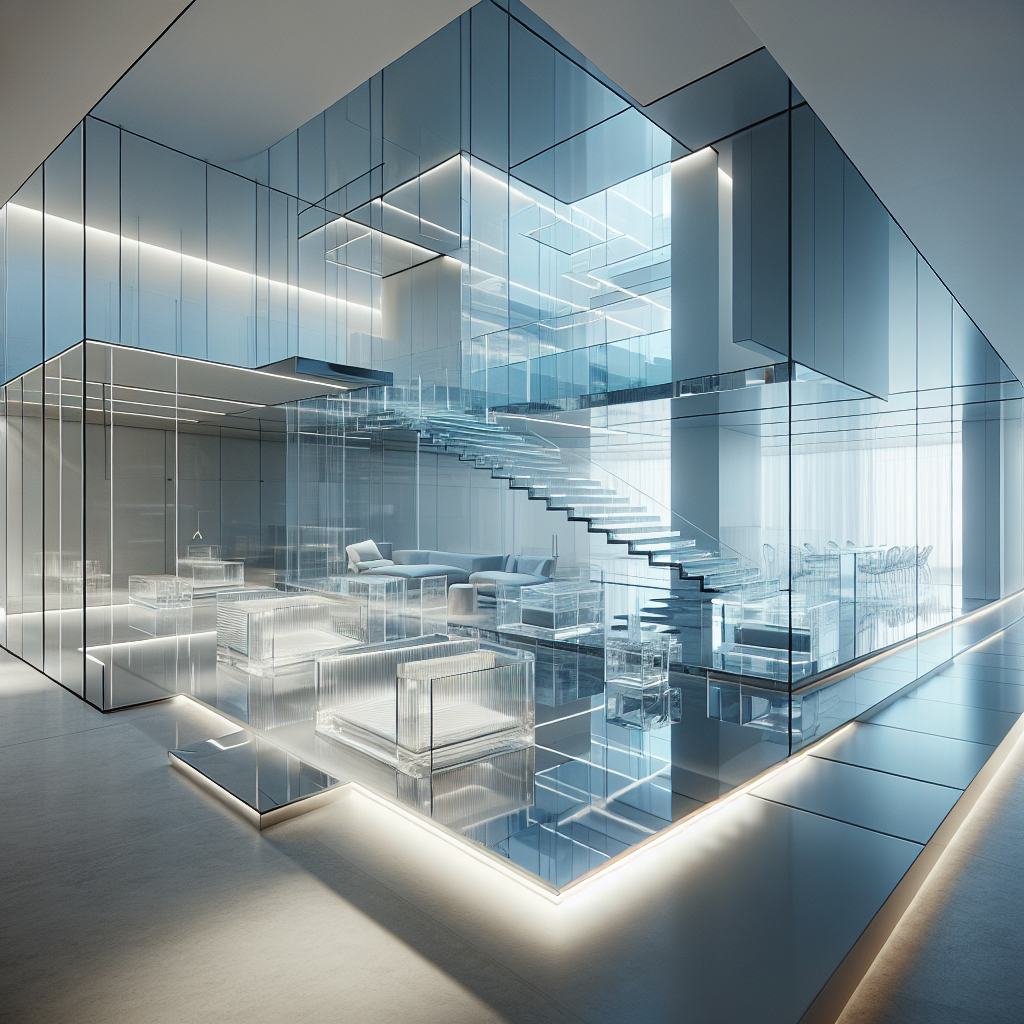
In recent years, the world of design has seen a fascinating shift towards transparency, with materials like glass and Lucite taking center stage in minimalist aesthetics. This trend is not just about the physical properties of these materials but also about the metaphorical transparency they bring to spaces. As we explore how transparency is shaping minimalist aesthetics, it becomes clear that these materials offer more than just a sleek, modern look; they provide a sense of openness and fluidity that is hard to achieve with more opaque options.
To begin with, glass and Lucite have an inherent ability to create a sense of space, making them ideal for minimalist designs that prioritize simplicity and functionality. By allowing light to pass through, these materials can make even the smallest of rooms feel larger and more open. This is particularly beneficial in urban environments where space is often at a premium. The use of transparent materials can transform a cramped apartment into a light-filled oasis, blurring the boundaries between indoor and outdoor spaces and creating a seamless flow that is both calming and invigorating.
Moreover, the versatility of glass and Lucite cannot be overstated. These materials can be molded into a variety of shapes and forms, allowing designers to experiment with innovative structures that push the boundaries of traditional design. From sleek coffee tables to elegant shelving units, the possibilities are endless. This adaptability makes them a favorite among designers who are looking to create unique pieces that stand out while still adhering to the principles of minimalism. The clean lines and unobtrusive nature of transparent materials ensure that they complement rather than compete with other elements in a room, allowing for a harmonious balance that is essential in minimalist spaces.
In addition to their aesthetic appeal, glass and Lucite also offer practical benefits that align with the minimalist ethos. They are easy to clean and maintain, which is a significant advantage for those who prefer a clutter-free environment. Furthermore, their durability means that they can withstand the test of time, reducing the need for frequent replacements and contributing to a more sustainable approach to design. This aligns with the growing trend towards eco-friendly living, where consumers are increasingly mindful of the environmental impact of their choices.
As we delve deeper into the role of transparency in contemporary design, it is important to consider the emotional impact of these materials. The clarity and purity of glass and Lucite can evoke a sense of tranquility and order, which is particularly appealing in today’s fast-paced world. In a society that is often overwhelmed by information and stimuli, the simplicity and clarity offered by transparent materials can provide a much-needed respite. They encourage us to focus on what truly matters, stripping away the unnecessary and allowing us to appreciate the beauty of simplicity.
In conclusion, the rise of transparency in minimalist aesthetics is a testament to the evolving nature of design. Glass and Lucite are not just materials; they are tools that enable us to create spaces that are open, functional, and emotionally resonant. As we continue to embrace this trend, it is exciting to imagine the new possibilities that will emerge, pushing the boundaries of what minimalist design can achieve. Whether you are a seasoned designer or someone looking to refresh your living space, the allure of transparency is undeniable, offering a fresh perspective on how we interact with our environments.
The Role Of Glass And Lucite In Sustainable Design
In recent years, the design world has seen a resurgence of interest in materials that offer both aesthetic appeal and functional benefits. Among these, glass and Lucite have emerged as frontrunners, particularly in the realm of sustainable design. These materials, with their inherent transparency and versatility, are not only transforming the way spaces look but also how they function in an environmentally conscious world.
To begin with, glass has long been a staple in architecture and design, but its role has evolved significantly. Modern advancements have made it possible to produce glass that is not only more durable but also more energy-efficient. For instance, low-emissivity (low-E) glass is now commonly used in windows to reduce heat transfer, thereby improving insulation and reducing energy consumption. This means that homes and buildings can maintain comfortable temperatures without over-relying on heating or cooling systems, which is a win for both the environment and the wallet.
Moreover, glass is endlessly recyclable, which adds to its sustainability credentials. Unlike some materials that degrade in quality with each recycling cycle, glass can be recycled repeatedly without losing its integrity. This makes it an ideal choice for those looking to minimize their environmental footprint. Plus, the use of recycled glass in new products reduces the need for raw materials, further conserving natural resources.
Transitioning to Lucite, this material, often referred to as acrylic glass, offers a similar aesthetic to traditional glass but with added benefits. Lucite is lightweight, shatter-resistant, and can be molded into a variety of shapes and forms, making it a favorite among designers looking for flexibility and creativity in their projects. Its durability means that products made from Lucite have a long lifespan, reducing the need for frequent replacements and thus contributing to sustainability.
In addition, Lucite’s production process has become more eco-friendly over the years. Manufacturers are increasingly adopting methods that reduce waste and energy consumption, aligning with the growing demand for sustainable practices. Furthermore, Lucite can be recycled, and while the process is more complex than that of glass, advancements are being made to improve its recyclability.
The integration of glass and Lucite in sustainable design is not just about the materials themselves but also about how they are used. Designers are finding innovative ways to incorporate these materials into projects that maximize natural light, reduce energy usage, and create healthier indoor environments. For example, using large glass panels or Lucite partitions can open up spaces, allowing for more natural light to penetrate and reducing the need for artificial lighting during the day.
As we continue to prioritize sustainability in design, the role of glass and Lucite is likely to expand even further. These materials offer a unique combination of beauty, functionality, and environmental benefits that are hard to match. By choosing glass and Lucite, designers and consumers alike can contribute to a more sustainable future while enjoying the aesthetic and practical advantages these materials provide.
In conclusion, the new transparency offered by glass and Lucite is not just a trend but a meaningful shift towards more sustainable design practices. As we embrace these materials, we are not only enhancing the visual appeal of our spaces but also making a conscious effort to protect our planet. And that, in itself, is a clear win for everyone.
Innovative Uses Of Transparent Materials In Architecture
In recent years, the world of architecture has seen a fascinating shift towards the use of transparent materials, with glass and Lucite leading the charge. This trend, often referred to as “The New Transparency,” is transforming the way we think about space, light, and design. As we explore this innovative movement, it’s clear that these materials are not just about aesthetics; they are redefining the very essence of architectural design.
To begin with, glass has long been a staple in architecture, but its role has evolved dramatically. No longer confined to windows and doors, glass is now being used in bold and unexpected ways. For instance, entire facades of buildings are being constructed from glass, creating a seamless connection between the interior and exterior. This not only allows for an abundance of natural light but also blurs the boundaries between the inside and outside world. Moreover, advancements in glass technology have made it possible to create structures that are both beautiful and energy-efficient. With innovations like smart glass, which can change its opacity with the touch of a button, architects are able to design spaces that adapt to the needs of their occupants.
Meanwhile, Lucite, a type of acrylic, is making waves in the design world for its versatility and modern appeal. Unlike glass, Lucite is lightweight and shatter-resistant, making it an ideal choice for a variety of applications. From furniture to fixtures, Lucite is being used to create pieces that are both functional and visually striking. Its ability to be molded into virtually any shape allows designers to experiment with form and structure in ways that were previously unimaginable. Furthermore, Lucite’s clarity and ability to refract light add an ethereal quality to spaces, making them feel open and airy.
As we delve deeper into the innovative uses of these transparent materials, it’s important to consider the impact they have on the human experience. Transparency in architecture fosters a sense of openness and connectivity, which can enhance our well-being. In office spaces, for example, the use of glass walls can promote collaboration and communication among employees. In residential settings, large glass panels can provide breathtaking views and a sense of tranquility. By breaking down physical barriers, these materials encourage a more fluid interaction with our surroundings.
Additionally, the environmental benefits of using glass and Lucite cannot be overlooked. With a growing emphasis on sustainability, architects are increasingly turning to these materials to create eco-friendly designs. Glass, when used strategically, can reduce the need for artificial lighting and heating, thus lowering energy consumption. Lucite, on the other hand, is often made from recycled materials and can be recycled again at the end of its life cycle. This commitment to sustainability is not only good for the planet but also resonates with a society that is becoming more conscious of its environmental footprint.
In conclusion, the new transparency in architecture, characterized by the innovative use of glass and Lucite, is reshaping the way we interact with our built environment. These materials offer a unique blend of beauty, functionality, and sustainability, making them a perfect fit for contemporary design. As architects continue to push the boundaries of what is possible, we can expect to see even more creative and inspiring uses of transparent materials in the years to come. Whether it’s a sleek skyscraper or a cozy home, the possibilities are as limitless as the imagination.
Conclusion
“The New Transparency: Glass and Lucite in Contemporary Design” explores the innovative use of transparent materials in modern design, highlighting their aesthetic and functional versatility. The exhibition or study likely examines how glass and Lucite have been employed to create visually striking and light-enhancing structures, furniture, and decorative objects. These materials are celebrated for their ability to blend seamlessly into various environments while offering a sense of openness and fluidity. The conclusion emphasizes the transformative impact of transparency in design, showcasing how it challenges traditional boundaries and fosters a dialogue between form, space, and light. This exploration underscores the ongoing relevance and adaptability of glass and Lucite in pushing the boundaries of contemporary design.