Luxe Lounging: The Return of the Conversation Pit
February 28, 2023
Kinetic Art in Interiors: Movement in Luxury Design
March 14, 2023
-
Table of Contents
- Introduction
- Exploring The New Naturalism: Redefining Luxury With Organic Materials
- Beyond Wood And Stone: Innovative Materials In The New Naturalism
- The New Naturalism In Interior Design: Embracing Organic Luxury
- Sustainable Elegance: The Rise Of Organic Luxury In Modern Homes
- Transforming Spaces: The Impact Of The New Naturalism On Design Trends
- Conclusion
Introduction
“The New Naturalism: Organic Luxury Beyond Wood and Stone” explores the evolving landscape of interior design, where traditional materials like wood and stone are transcended by innovative, organic alternatives. This movement embraces sustainability and luxury, merging nature-inspired aesthetics with cutting-edge design techniques. The book delves into the use of unconventional materials such as recycled composites, bio-based substances, and living elements, offering a fresh perspective on creating harmonious, eco-friendly spaces. Through stunning visuals and expert insights, it redefines luxury by emphasizing the beauty and functionality of nature’s diverse offerings, encouraging a deeper connection between our living environments and the natural world.
Exploring The New Naturalism: Redefining Luxury With Organic Materials
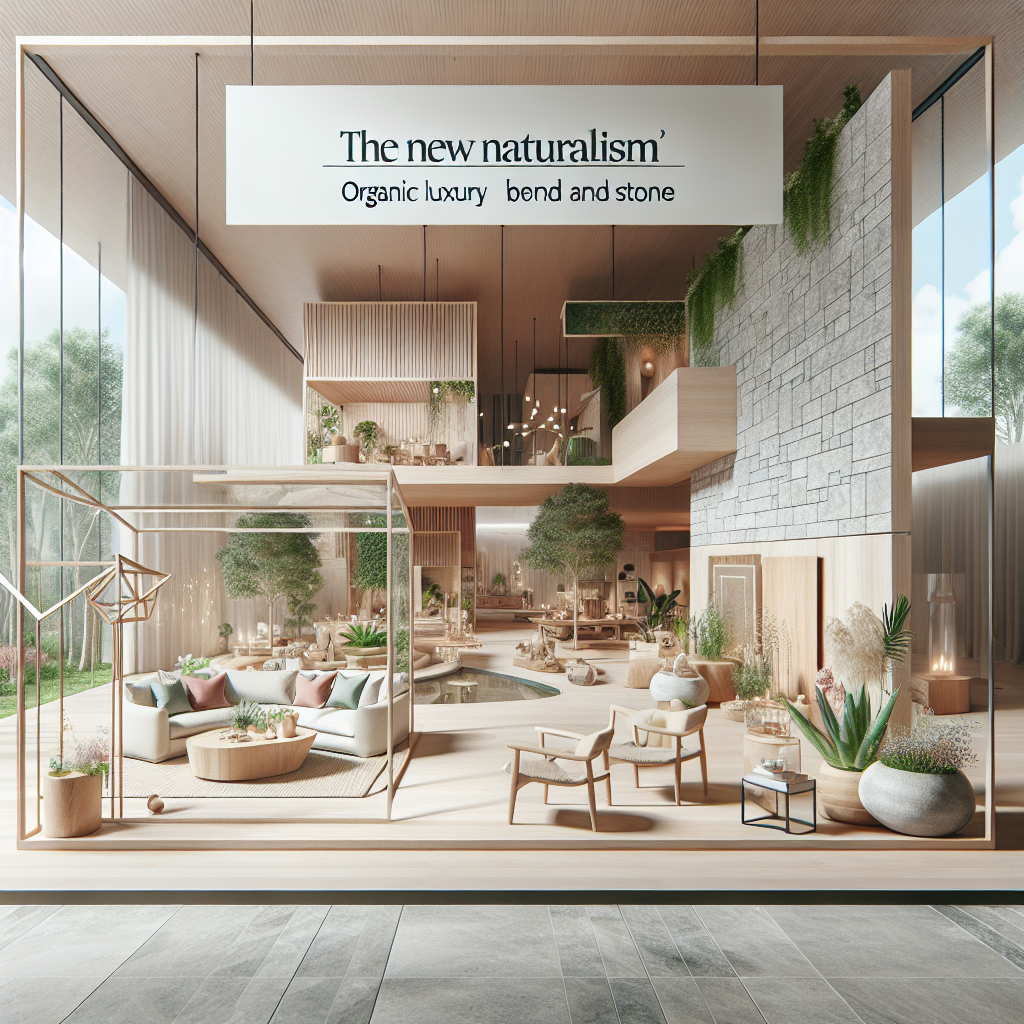
In recent years, the concept of luxury has undergone a fascinating transformation, moving away from the traditional opulence of gold and marble to embrace a more organic and sustainable aesthetic. This shift, often referred to as the “New Naturalism,” is redefining what it means to live luxuriously by incorporating materials that are not only beautiful but also environmentally friendly. While wood and stone have long been staples in this movement, the New Naturalism goes beyond these elements, exploring a diverse array of organic materials that bring a fresh perspective to luxury living.
To begin with, the New Naturalism is all about creating spaces that feel harmonious and connected to the natural world. This means looking beyond the usual suspects of wood and stone and considering materials like bamboo, cork, and even recycled glass. Bamboo, for instance, is not only incredibly sustainable due to its rapid growth rate but also offers a sleek and modern aesthetic that can be used in everything from flooring to furniture. Similarly, cork is gaining popularity for its unique texture and insulating properties, making it an excellent choice for both flooring and wall coverings.
Moreover, the New Naturalism isn’t just about the materials themselves but also how they are used. Designers are increasingly focusing on craftsmanship and the story behind each piece, ensuring that every item in a space has a purpose and a connection to nature. This might mean choosing handmade ceramics that showcase the beauty of imperfection or selecting textiles dyed with natural pigments. By prioritizing craftsmanship and sustainability, the New Naturalism creates spaces that are not only luxurious but also deeply personal and meaningful.
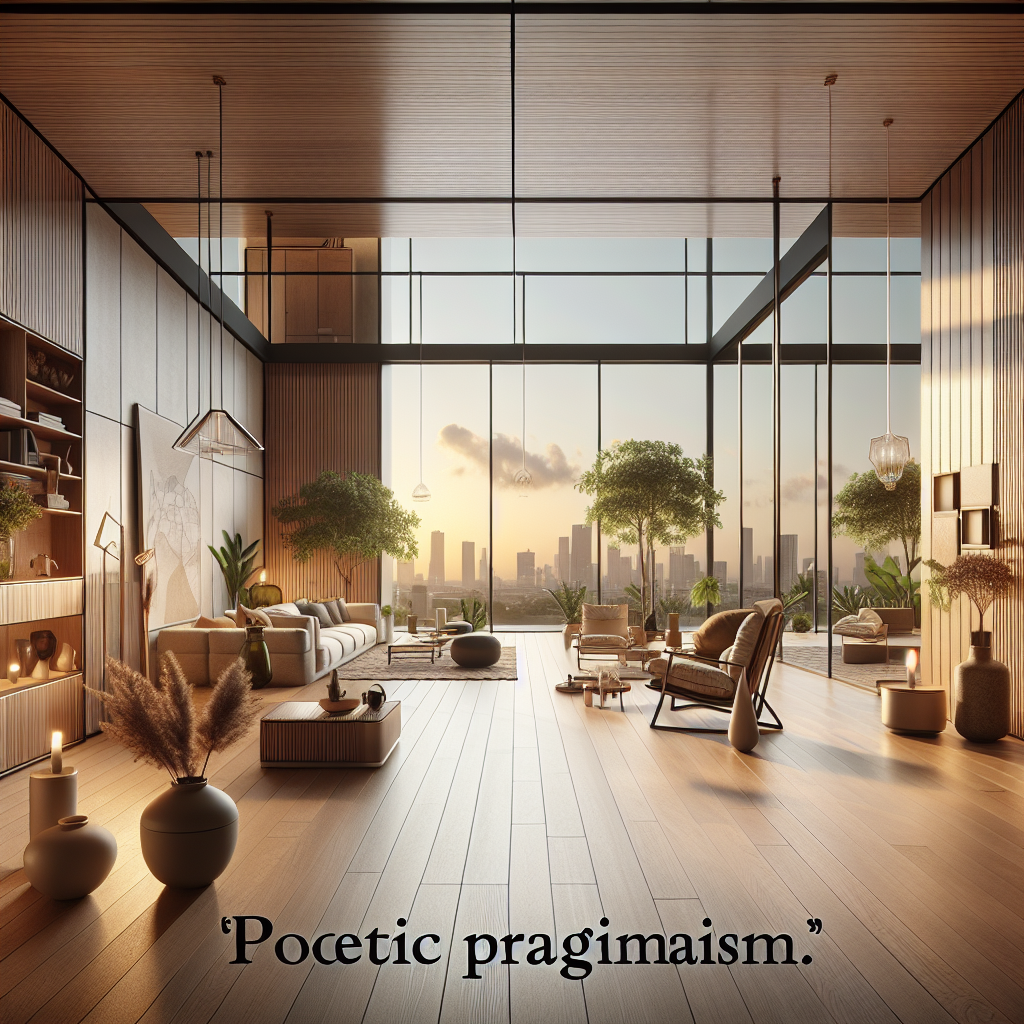
In addition to these materials, the New Naturalism also embraces the idea of bringing the outdoors in. This can be achieved through the use of large windows that flood spaces with natural light or by incorporating indoor plants that add a touch of greenery and life. Plants like fiddle leaf figs or snake plants not only enhance the aesthetic appeal of a room but also improve air quality, making them a perfect addition to any luxury space. Furthermore, the use of natural light and greenery helps to create a sense of calm and tranquility, which is a key aspect of the New Naturalism.
Transitioning from the materials and design elements, it’s important to consider how the New Naturalism impacts our overall well-being. By surrounding ourselves with organic materials and elements that mimic the natural world, we can create environments that promote relaxation and mindfulness. This is particularly relevant in today’s fast-paced world, where finding moments of peace and connection to nature can be challenging. The New Naturalism offers a way to bring those moments into our daily lives, transforming our homes into sanctuaries that nurture both body and soul.
In conclusion, the New Naturalism is redefining luxury by moving beyond traditional materials like wood and stone and embracing a wider range of organic options. By focusing on sustainability, craftsmanship, and a connection to nature, this movement offers a fresh perspective on what it means to live luxuriously. Whether through the use of innovative materials like bamboo and cork or by incorporating elements that bring the outdoors in, the New Naturalism creates spaces that are not only beautiful but also deeply enriching. As we continue to explore this exciting trend, it’s clear that the future of luxury lies in the embrace of the natural world.
Beyond Wood And Stone: Innovative Materials In The New Naturalism
In recent years, the concept of naturalism in interior design has evolved beyond the traditional use of wood and stone. While these materials have long been celebrated for their organic beauty and timeless appeal, a new wave of innovative materials is redefining what it means to bring the outdoors in. This fresh approach, often referred to as the “New Naturalism,” embraces a broader palette of textures and elements, offering a luxurious yet sustainable way to create harmonious living spaces.
To begin with, let’s talk about cork. Once relegated to bulletin boards and wine stoppers, cork is making a stylish comeback in the world of interior design. Its unique texture and warm, earthy tones make it an excellent choice for flooring, wall coverings, and even furniture. Not only is cork visually appealing, but it is also a highly sustainable material. Harvested from the bark of cork oak trees, it regenerates naturally, making it an eco-friendly option for those looking to reduce their environmental footprint.
Moving on, we can’t ignore the rise of bamboo as a versatile material in the New Naturalism. Known for its rapid growth and renewability, bamboo is being used in everything from flooring to cabinetry. Its light color and smooth texture lend a modern yet organic feel to any space. Moreover, bamboo’s strength and durability make it a practical choice for high-traffic areas, ensuring that your home remains both beautiful and functional.
Another exciting development in this trend is the use of recycled materials. Designers are increasingly turning to repurposed glass, metal, and even plastic to create stunning pieces that tell a story. Imagine a dining table crafted from reclaimed wood paired with chairs made from recycled metal. Not only do these pieces add character and uniqueness to a room, but they also promote sustainability by giving new life to materials that might otherwise end up in a landfill.
In addition to these materials, the New Naturalism also embraces the use of textiles that mimic natural elements. For instance, fabrics that resemble the texture of stone or the grain of wood can add depth and interest to a space without the need for heavy materials. These textiles are often made from organic fibers, such as cotton or linen, further enhancing their eco-friendly appeal.
Furthermore, the integration of living elements, such as plants and green walls, is a hallmark of this design trend. Not only do they purify the air and improve indoor air quality, but they also create a sense of tranquility and connection to nature. Whether it’s a small potted plant on a windowsill or a full-scale vertical garden, incorporating greenery into your home is an easy way to embrace the New Naturalism.
In conclusion, the New Naturalism is about more than just incorporating natural materials into your home. It’s about reimagining what those materials can be and how they can be used to create spaces that are both luxurious and sustainable. By exploring innovative materials like cork, bamboo, and recycled elements, and by integrating textiles and living elements, you can create a home that not only looks beautiful but also feels connected to the world around you. So, as you consider your next design project, think beyond wood and stone and embrace the endless possibilities of the New Naturalism.
The New Naturalism In Interior Design: Embracing Organic Luxury
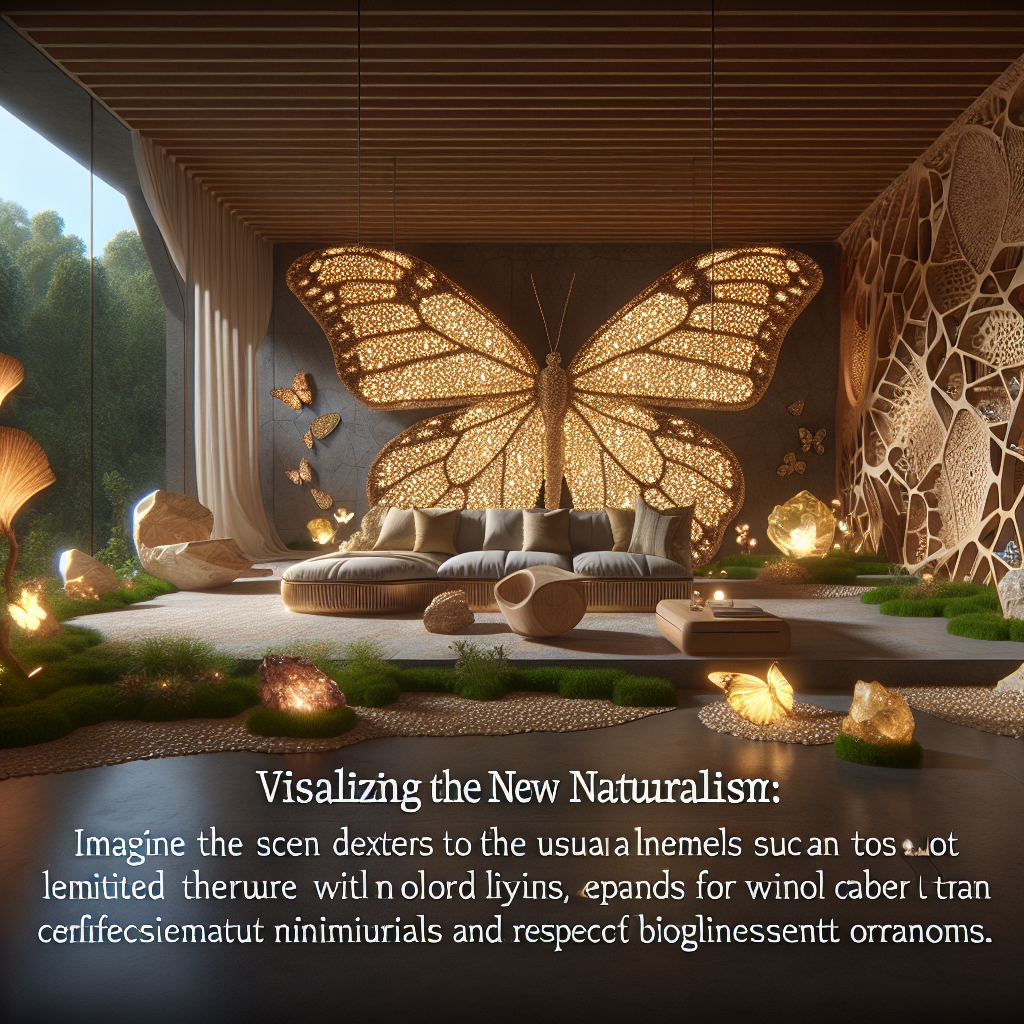
In recent years, the world of interior design has witnessed a fascinating shift towards what many are calling “The New Naturalism.” This trend is all about embracing organic luxury, but it’s not just about the traditional use of wood and stone. Instead, it delves deeper into the rich tapestry of nature, exploring a broader palette of materials and textures that bring the outdoors in, creating spaces that are both luxurious and grounded.
To begin with, let’s talk about the materials that are redefining this movement. While wood and stone have long been staples in creating a natural aesthetic, designers are now turning to unexpected elements like cork, clay, and even recycled materials. Cork, for instance, is not only sustainable but also offers a warm, tactile quality that adds depth to any room. Similarly, clay, with its earthy tones and textures, can be used in everything from wall finishes to decorative objects, providing a sense of connection to the earth.
Moreover, the New Naturalism isn’t just about the materials themselves but also how they are used. Designers are experimenting with layering textures and combining different elements to create spaces that feel both cohesive and dynamic. For example, a room might feature a cork wall paired with a clay floor, accented by soft, organic textiles like linen or wool. This interplay of textures creates a sensory experience that is both visually and physically engaging.
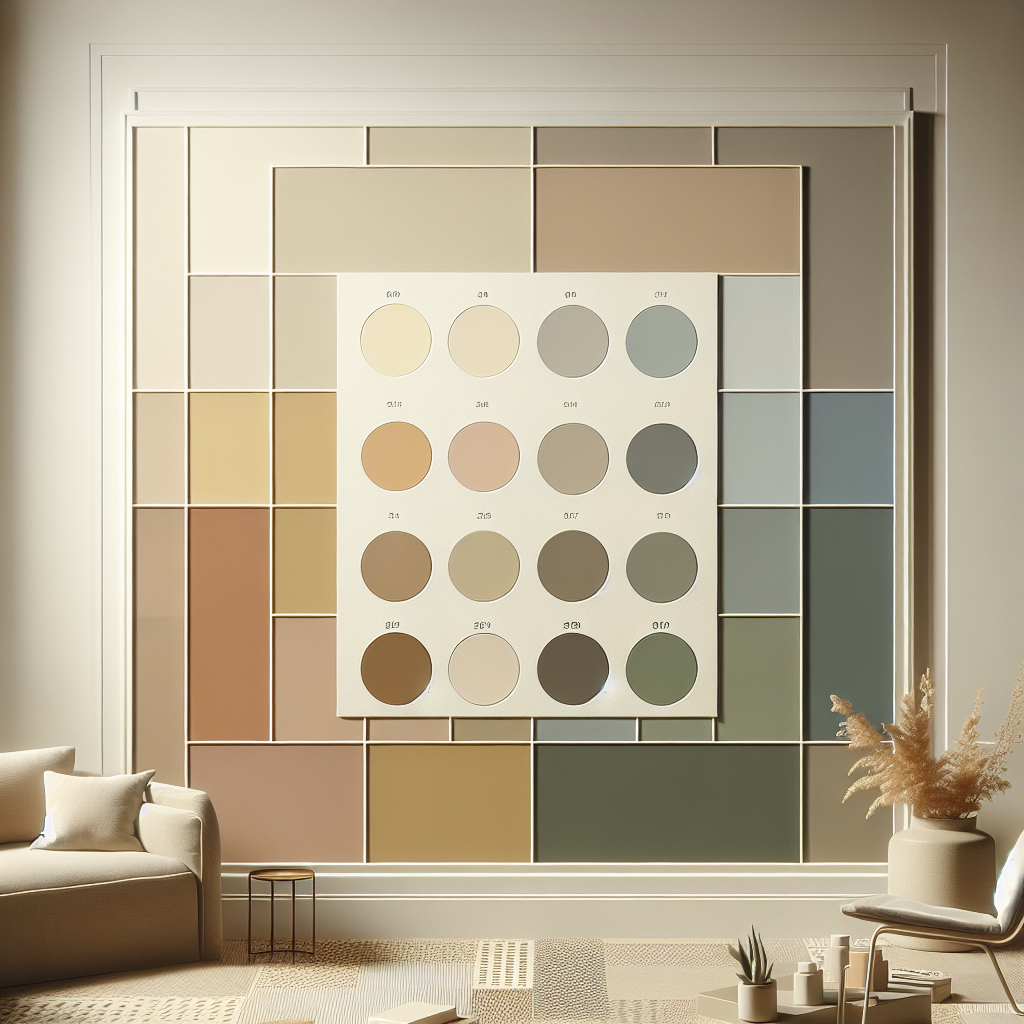
In addition to materials, color plays a crucial role in this trend. The New Naturalism favors a palette inspired by nature, with shades that range from deep forest greens to soft, sandy beiges. These colors not only evoke a sense of calm and tranquility but also serve as a backdrop that allows the natural materials to shine. By using these earthy tones, designers can create spaces that feel harmonious and balanced, inviting occupants to relax and unwind.
Furthermore, the New Naturalism extends beyond the physical elements of design to encompass a holistic approach to living. This means considering how spaces can promote well-being and sustainability. For instance, incorporating plants into interior spaces not only enhances the natural aesthetic but also improves air quality and creates a sense of vitality. Similarly, choosing sustainable materials and practices ensures that the beauty of these spaces is not at the expense of the environment.
Lighting also plays a pivotal role in this design philosophy. Natural light is celebrated, with large windows and open spaces that allow sunlight to flood in, highlighting the textures and colors of the materials used. When natural light isn’t available, designers opt for soft, warm lighting that mimics the glow of the sun, creating an inviting and cozy atmosphere.
As we continue to seek refuge from the fast-paced, technology-driven world, the New Naturalism offers a way to reconnect with nature and find solace in our surroundings. By embracing organic luxury, we can create spaces that are not only beautiful but also nurturing and sustainable. This trend is a reminder that luxury doesn’t have to be about opulence or excess; instead, it can be about finding beauty in simplicity and creating environments that reflect our values and enhance our well-being. In this way, the New Naturalism is more than just a design trend—it’s a lifestyle choice that celebrates the beauty and richness of the natural world.
Sustainable Elegance: The Rise Of Organic Luxury In Modern Homes
In recent years, the concept of luxury in home design has undergone a significant transformation. While traditional luxury often conjures images of opulent materials like marble and gold, a new wave of organic luxury is redefining what it means to live lavishly. This trend, known as the New Naturalism, is all about embracing the beauty of nature in its most authentic form, going beyond the usual suspects of wood and stone to incorporate a broader palette of natural materials. As homeowners become more environmentally conscious, the demand for sustainable elegance has skyrocketed, leading to innovative design solutions that marry luxury with eco-friendliness.
One of the most exciting aspects of this movement is the use of unexpected materials that bring a fresh perspective to home interiors. For instance, cork, once relegated to bulletin boards and wine stoppers, is now making a splash as a chic flooring option. Its natural texture and warmth add a cozy yet sophisticated touch to any room. Moreover, cork is a renewable resource, making it an excellent choice for those looking to reduce their environmental footprint. Similarly, bamboo, with its rapid growth rate and durability, is being used not just for flooring but also for cabinetry and furniture, offering a sleek, modern look that aligns perfectly with the principles of organic luxury.
Transitioning from materials to design elements, the New Naturalism also emphasizes the importance of biophilic design, which seeks to connect inhabitants more closely with nature. This can be achieved through large windows that flood spaces with natural light, indoor gardens that bring greenery into the home, or even living walls that serve as both art and air purifiers. These elements not only enhance the aesthetic appeal of a home but also contribute to the well-being of its occupants by creating a serene and rejuvenating environment.
Furthermore, the color palette associated with organic luxury is evolving. While earthy tones remain popular, there’s a growing appreciation for the subtle hues found in nature, such as the soft blues of a clear sky or the gentle pinks of a sunset. These colors can be incorporated through textiles, paint, or even artwork, providing a calming backdrop that complements the natural materials used throughout the home. The result is a harmonious space that feels both luxurious and grounded.
In addition to aesthetics, the New Naturalism places a strong emphasis on craftsmanship and the story behind each piece. Homeowners are increasingly interested in sourcing items that are not only beautiful but also ethically made. This has led to a resurgence in artisanal crafts, with designers and makers focusing on creating unique, high-quality pieces that reflect the values of sustainability and authenticity. Whether it’s a handwoven rug or a custom-made dining table, these items add a personal touch to a home, making it truly one-of-a-kind.
As we continue to navigate the challenges of modern living, the appeal of organic luxury lies in its ability to offer a sanctuary that is both elegant and environmentally responsible. By embracing the New Naturalism, homeowners can create spaces that are not only visually stunning but also aligned with their values, proving that luxury and sustainability can indeed go hand in hand. This shift towards sustainable elegance is not just a trend but a testament to the evolving definition of luxury in our ever-changing world.
Transforming Spaces: The Impact Of The New Naturalism On Design Trends
In recent years, the design world has witnessed a fascinating shift towards what many are calling “The New Naturalism.” This trend is redefining luxury by embracing organic elements that go beyond the traditional use of wood and stone. As we explore this movement, it’s clear that the impact on design trends is both profound and exciting, offering a fresh perspective on how we can transform our spaces.
To begin with, the New Naturalism is all about creating environments that feel harmonious and connected to nature. While wood and stone have long been staples in achieving this aesthetic, designers are now looking to a broader palette of materials to bring the outdoors in. Think of materials like clay, rattan, and even cork, which are being used in innovative ways to add texture and warmth to interiors. These materials not only provide a tactile experience but also contribute to a sense of calm and tranquility, which is increasingly sought after in our fast-paced world.
Moreover, the New Naturalism is not just about the materials themselves but also about how they are used. Designers are experimenting with organic shapes and forms, moving away from the rigid lines and sharp angles that have dominated modern design for so long. This approach results in spaces that feel more fluid and inviting, encouraging a sense of relaxation and well-being. For instance, furniture pieces with curved edges and asymmetrical designs are becoming more popular, as they mimic the imperfect beauty found in nature.
In addition to materials and shapes, color plays a crucial role in this design trend. The New Naturalism favors earthy tones and muted hues that reflect the natural world. Soft greens, warm browns, and gentle blues are being used to create soothing environments that feel both luxurious and grounded. These colors not only enhance the natural materials used in a space but also help to create a cohesive and serene atmosphere.
Furthermore, the New Naturalism is about more than just aesthetics; it’s also about sustainability and mindfulness. As people become more conscious of their environmental impact, there is a growing demand for design solutions that are both beautiful and eco-friendly. This has led to an increased interest in sustainable materials and practices, such as using reclaimed wood or opting for natural dyes and finishes. By prioritizing sustainability, the New Naturalism aligns with a broader movement towards more responsible and ethical design.
As we consider the impact of the New Naturalism on design trends, it’s important to recognize how it influences not only residential spaces but also commercial and public environments. Hotels, restaurants, and offices are embracing this trend to create spaces that feel welcoming and rejuvenating. By incorporating natural elements and organic designs, these spaces can offer a respite from the hustle and bustle of everyday life, providing a sanctuary where people can unwind and recharge.
In conclusion, the New Naturalism is transforming the way we think about luxury and design. By moving beyond wood and stone and embracing a wider range of organic materials, shapes, and colors, this trend is creating spaces that are not only beautiful but also sustainable and mindful. As we continue to seek balance and connection in our lives, the New Naturalism offers a compelling vision for the future of design, one that celebrates the beauty of nature in all its forms.
Conclusion
“The New Naturalism: Organic Luxury Beyond Wood and Stone” explores the evolving concept of luxury in interior design, emphasizing a shift from traditional materials like wood and stone to a broader palette of organic elements. This approach integrates sustainable and eco-friendly materials, such as bamboo, cork, and recycled metals, to create spaces that are both luxurious and environmentally conscious. The movement reflects a growing desire for authenticity and connection to nature, prioritizing materials that offer tactile richness and visual warmth. By embracing this new naturalism, designers are redefining luxury to include not just aesthetic appeal but also ecological responsibility and well-being, ultimately fostering a harmonious balance between opulence and sustainability.