Haute Hospitable: Luxury Design for Entertainment Spaces
May 23, 2023
Luxurious Lounging: The Evolution of the Chaise
June 6, 2023
-
Table of Contents
- Introduction
- Exploring The New Geometry: How Complex Shapes Enhance Minimalist Design
- The Art Of Simplicity: Integrating Complex Geometric Patterns In Modern Interiors
- From Chaos To Clarity: The Role Of Complex Shapes In Streamlined Architecture
- The Intersection Of Complexity And Simplicity: Geometric Innovations In Product Design
- Transforming Spaces: The Impact Of Complex Geometric Shapes On Visual Aesthetics
- Conclusion
Introduction
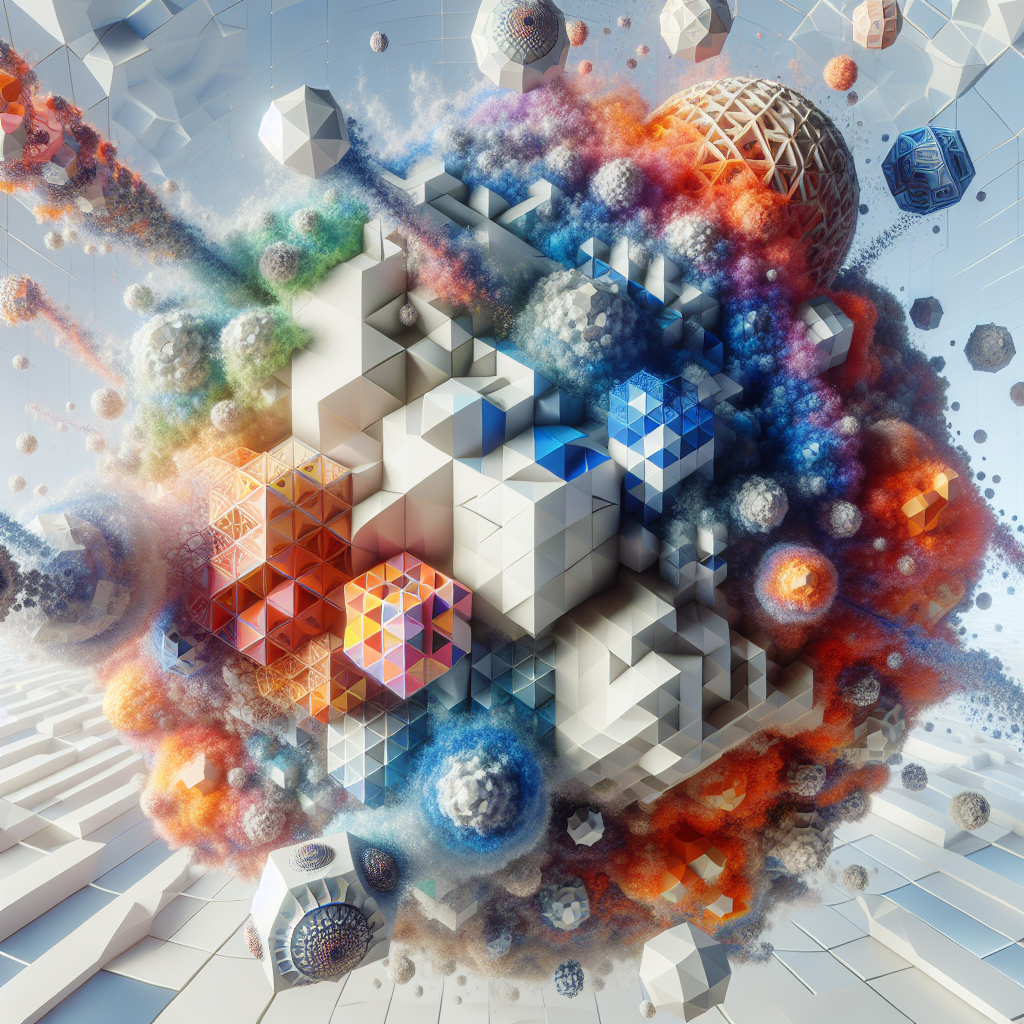
“The New Geometry: Complex Shapes in Simple Designs” explores the innovative intersection of mathematics and art, where intricate geometric forms are distilled into elegant, minimalist designs. This work delves into the resurgence of geometric principles in contemporary design, highlighting how complex shapes can be reimagined to create visually striking yet deceptively simple compositions. By examining the historical evolution of geometric design and its modern applications, the book offers insights into how designers harness mathematical concepts to craft compelling visual narratives. Through a blend of theoretical exploration and practical examples, it showcases the transformative power of geometry in shaping the aesthetics of the modern world.
Exploring The New Geometry: How Complex Shapes Enhance Minimalist Design
In recent years, the world of design has witnessed a fascinating evolution, where the simplicity of minimalist design is being beautifully complemented by the introduction of complex geometric shapes. This trend, often referred to as “The New Geometry,” is reshaping the way we perceive and interact with everyday objects, spaces, and even digital interfaces. At first glance, the idea of combining intricate shapes with minimalist design might seem contradictory. However, when executed thoughtfully, this fusion creates a harmonious balance that is both visually striking and functionally effective.
To begin with, it’s important to understand the essence of minimalist design. Minimalism is all about stripping down to the essentials, focusing on functionality, and eliminating unnecessary elements. It’s a design philosophy that values simplicity and clarity, often characterized by clean lines, monochromatic palettes, and open spaces. Yet, as our aesthetic preferences evolve, there is a growing desire to add a touch of complexity and intrigue to these otherwise straightforward designs. This is where complex geometric shapes come into play.
Incorporating complex shapes into minimalist design can add depth and dimension, transforming a simple space or object into something that captures attention and sparks curiosity. For instance, consider a minimalist living room with a neutral color scheme and sleek furniture. By introducing a coffee table with an intricate geometric base or a light fixture with a multifaceted design, the room instantly gains a focal point that elevates its overall aesthetic. These complex shapes serve as conversation starters, inviting viewers to explore and appreciate the intricacies of the design.
Moreover, the use of complex geometry in minimalist design is not limited to physical spaces. In the digital realm, designers are increasingly experimenting with geometric patterns and shapes to enhance user interfaces and experiences. Websites and apps that incorporate these elements often feel more dynamic and engaging, guiding users through content in a way that feels both intuitive and visually appealing. The strategic use of geometric shapes can help direct attention, create visual hierarchy, and even evoke certain emotions, all while maintaining the clean and uncluttered look that minimalism is known for.
Transitioning from the digital world back to tangible objects, it’s worth noting that the appeal of complex shapes in minimalist design extends to everyday items as well. From fashion to furniture, designers are finding innovative ways to integrate geometric elements into their creations. A simple dress with a geometric pattern or a chair with an angular silhouette can make a bold statement without overwhelming the senses. This approach allows individuals to express their personal style while still adhering to the principles of minimalism.
As we continue to explore the possibilities of The New Geometry, it becomes clear that this trend is more than just a passing fad. It represents a shift in how we think about design, encouraging us to embrace complexity within simplicity. By thoughtfully incorporating complex shapes into minimalist designs, we can create spaces and objects that are not only functional but also visually captivating. This harmonious blend of simplicity and complexity invites us to see the world through a new lens, where even the most straightforward designs can hold layers of meaning and beauty.
The Art Of Simplicity: Integrating Complex Geometric Patterns In Modern Interiors
In recent years, the world of interior design has seen a fascinating trend: the integration of complex geometric patterns into modern interiors. This trend, often referred to as “The New Geometry,” is all about embracing intricate shapes while maintaining a sense of simplicity and elegance. At first glance, it might seem like a contradiction—how can something complex also be simple? However, when executed thoughtfully, these designs can transform a space, adding depth and interest without overwhelming the senses.
One of the key reasons why complex geometric patterns have found their way into modern interiors is their ability to create visual intrigue. These patterns, often inspired by mathematical principles and natural forms, can add a layer of sophistication to any room. For instance, a simple hexagonal tile pattern on a kitchen backsplash can elevate the entire space, making it feel both contemporary and timeless. The beauty of these designs lies in their versatility; they can be bold and eye-catching or subtle and understated, depending on the colors and materials used.
Moreover, integrating complex shapes into a minimalist design can create a harmonious balance. Minimalism, with its focus on clean lines and uncluttered spaces, provides the perfect backdrop for intricate patterns to shine. By using geometric designs sparingly, such as on an accent wall or through decorative accessories, you can maintain the simplicity of the space while adding a touch of personality. This approach allows homeowners to experiment with bold patterns without committing to a complete overhaul of their interior style.
Another advantage of using geometric patterns in modern interiors is their ability to play with perception. These designs can manipulate the way we perceive space, making a room appear larger or more intimate. For example, vertical stripes can elongate a room, while a well-placed geometric rug can define a seating area, creating a sense of coziness. This optical illusion aspect of geometric patterns makes them a valuable tool for interior designers looking to maximize the potential of a space.
Furthermore, the use of complex shapes in interior design is not limited to just patterns on walls or floors. Furniture and lighting fixtures are also embracing this trend, with designers creating pieces that feature geometric forms. A coffee table with a faceted base or a pendant light with a polygonal shade can serve as a statement piece, drawing the eye and adding an element of surprise to the room. These pieces often become conversation starters, showcasing the homeowner’s appreciation for design and creativity.
In addition to their aesthetic appeal, geometric patterns can also evoke a sense of order and structure. In a world that often feels chaotic, having a space that reflects balance and symmetry can be incredibly soothing. The repetition and rhythm found in geometric designs can create a calming atmosphere, making them an ideal choice for spaces meant for relaxation, such as bedrooms or living rooms.
In conclusion, the integration of complex geometric patterns into modern interiors is a testament to the art of simplicity. By carefully selecting and placing these designs, homeowners can create spaces that are both visually stunning and functional. Whether through bold statement pieces or subtle accents, the new geometry offers endless possibilities for those looking to infuse their homes with a touch of modern elegance. So, the next time you’re considering a design update, don’t shy away from complex shapes—embrace them and watch your space transform.
From Chaos To Clarity: The Role Of Complex Shapes In Streamlined Architecture
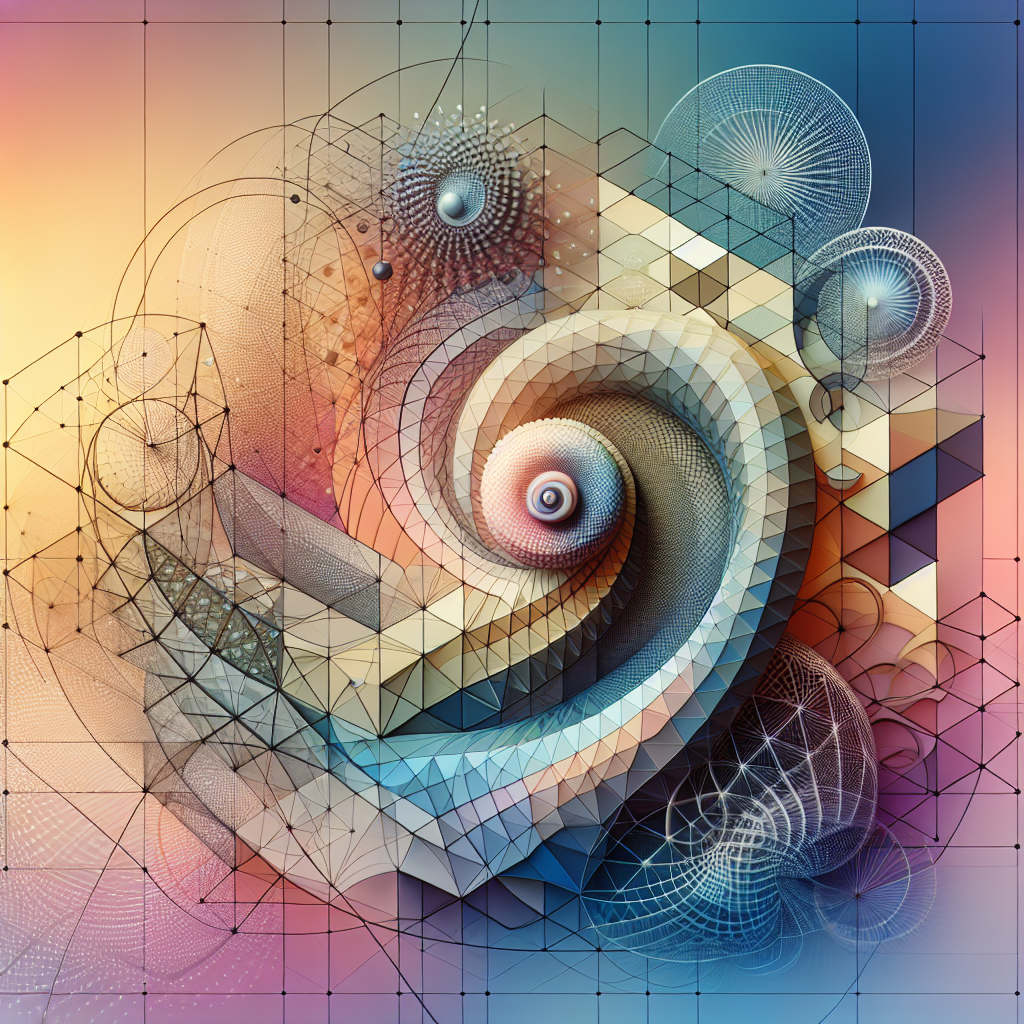
In recent years, architecture has taken a fascinating turn, embracing the beauty of complex shapes while maintaining a sense of simplicity and clarity. This trend, often referred to as the new geometry, is reshaping our urban landscapes and redefining what it means to create streamlined designs. At first glance, the idea of incorporating intricate forms into minimalist architecture might seem contradictory. However, when executed thoughtfully, these complex shapes can enhance the overall aesthetic and functionality of a structure, transforming chaos into clarity.
One of the most compelling aspects of this architectural movement is its ability to blend complexity with simplicity. Architects are increasingly drawing inspiration from nature, where intricate patterns and forms coexist harmoniously. By mimicking these natural designs, they create buildings that are not only visually striking but also efficient and sustainable. For instance, the use of biomimicry allows architects to incorporate complex shapes that improve airflow, optimize natural light, and reduce energy consumption. This approach not only benefits the environment but also enhances the comfort and well-being of the building’s occupants.
Moreover, the integration of complex shapes in architecture is made possible by advancements in technology. With the help of computer-aided design (CAD) software and 3D modeling, architects can experiment with intricate forms that were once deemed too challenging to construct. These tools enable them to visualize and refine their designs, ensuring that each element serves a purpose and contributes to the overall harmony of the structure. As a result, buildings that might have seemed chaotic on paper come to life as cohesive and elegant works of art.
In addition to technological advancements, the use of innovative materials plays a crucial role in bringing complex shapes to life. Materials such as glass, steel, and concrete can be manipulated in ways that were previously unimaginable, allowing architects to push the boundaries of design. For example, the use of curved glass panels can create fluid, organic shapes that add a sense of movement and dynamism to a building’s facade. Similarly, the flexibility of steel allows for the creation of intricate frameworks that support these complex forms without compromising structural integrity.
As we continue to explore the potential of complex shapes in architecture, it’s important to consider the impact on the human experience. Buildings are not just static objects; they are spaces where people live, work, and interact. By incorporating complex shapes into streamlined designs, architects can create environments that inspire creativity and foster a sense of connection. The interplay of light and shadow, the flow of spaces, and the tactile qualities of materials all contribute to a building’s ability to engage and delight its occupants.
Ultimately, the new geometry in architecture is about finding balance. It’s about embracing complexity without losing sight of simplicity, and creating designs that are both innovative and timeless. As we move forward, the challenge for architects will be to continue pushing the boundaries of what’s possible while remaining grounded in the principles of clarity and functionality. By doing so, they can transform our built environment into a canvas of endless possibilities, where complex shapes and simple designs coexist in perfect harmony.
The Intersection Of Complexity And Simplicity: Geometric Innovations In Product Design
In the world of product design, there’s a fascinating trend that’s been capturing the attention of designers and consumers alike: the marriage of complexity and simplicity through geometric innovations. This might sound like a paradox at first, but it’s a delightful dance where intricate shapes meet minimalist aesthetics, creating products that are both visually striking and functionally efficient. As we delve into this trend, it’s important to understand how these seemingly opposing concepts come together to redefine modern design.
To begin with, let’s consider the role of geometry in design. Geometry has always been a fundamental element, providing structure and form. However, the new wave of geometric design goes beyond basic shapes like squares and circles. Designers are now exploring complex polygons, fractals, and even organic forms that mimic nature’s intricacies. These shapes, while complex, are being integrated into designs in a way that feels effortless and clean. This is where the magic happens—when complexity is distilled into simplicity, creating a product that is both sophisticated and approachable.
One of the key reasons this trend is gaining traction is the advancement in technology. With tools like 3D modeling software and computer-aided design, designers can experiment with intricate shapes that were once difficult to conceptualize and produce. These technologies allow for precision and creativity, enabling designers to push the boundaries of what’s possible. As a result, products are emerging that are not only aesthetically pleasing but also highly functional, as the complex shapes often serve a purpose beyond mere decoration.
Moreover, the intersection of complexity and simplicity in geometric design is not just about aesthetics; it’s also about enhancing user experience. Take, for example, a chair with a seemingly intricate lattice structure. At first glance, it might appear purely decorative, but upon closer inspection, the design serves to distribute weight evenly, providing comfort and support. This is a perfect illustration of how complex geometry can be harnessed to improve functionality while maintaining a simple, elegant appearance.
Another aspect to consider is the emotional response these designs evoke. There’s something inherently satisfying about a product that looks complex yet feels simple to use. It creates a sense of wonder and appreciation for the thought and skill that went into its creation. This emotional connection is a powerful tool for designers, as it can foster brand loyalty and elevate the user experience.
Furthermore, the trend towards geometric innovation is also driven by a growing consumer desire for uniqueness and personalization. In a world saturated with mass-produced items, products that stand out due to their distinctive shapes and designs are highly sought after. Consumers are increasingly looking for items that reflect their individuality, and complex geometric designs offer a way to achieve this without sacrificing simplicity and usability.
In conclusion, the intersection of complexity and simplicity through geometric innovations is reshaping the landscape of product design. By embracing advanced technologies and focusing on user experience, designers are creating products that are not only visually captivating but also highly functional. This trend is a testament to the endless possibilities that arise when creativity meets technology, and it promises to continue influencing the way we think about design in the years to come. As we move forward, it will be exciting to see how this dynamic interplay between complexity and simplicity evolves, offering new opportunities for innovation and expression.
Transforming Spaces: The Impact Of Complex Geometric Shapes On Visual Aesthetics
In recent years, the world of design has witnessed a fascinating evolution, where complex geometric shapes have taken center stage in transforming spaces and enhancing visual aesthetics. This trend, often referred to as “The New Geometry,” is not just about adding intricate patterns or elaborate forms; it’s about redefining how we perceive and interact with our environments. As we delve into this captivating realm, it’s essential to understand how these complex shapes are seamlessly integrated into simple designs, creating a harmonious balance that captivates the eye and stimulates the mind.
To begin with, the allure of complex geometric shapes lies in their ability to evoke a sense of wonder and curiosity. Unlike traditional designs that rely on straightforward lines and predictable patterns, these shapes introduce an element of surprise and intrigue. They challenge our perception, encouraging us to explore and engage with the space around us. For instance, a room adorned with tessellated patterns or a facade featuring intricate latticework can transform an ordinary setting into an extraordinary visual experience. This transformation is not merely about aesthetics; it’s about creating an environment that resonates with the viewer on a deeper level.
Moreover, the integration of complex shapes into simple designs is a testament to the power of contrast. By juxtaposing intricate forms with minimalist elements, designers can create a dynamic interplay that draws attention and fosters a sense of balance. This approach is particularly effective in modern architecture, where sleek lines and open spaces are complemented by bold geometric accents. The result is a space that feels both sophisticated and inviting, where complexity and simplicity coexist in perfect harmony.
Transitioning from architecture to interior design, the impact of complex geometric shapes is equally profound. In contemporary interiors, these shapes are often used to add depth and dimension to a space. Whether it’s a statement piece of furniture with angular contours or a decorative wall panel featuring a geometric motif, these elements serve as focal points that anchor the design. They invite the viewer to pause and appreciate the artistry involved, transforming the space into a canvas of creativity and expression.
Furthermore, the use of complex shapes in design is not limited to aesthetics alone; it also has practical implications. For example, in urban planning, geometric patterns are employed to optimize space and improve functionality. From the layout of public parks to the design of transportation hubs, these shapes help create efficient and user-friendly environments. This practical application underscores the versatility of complex geometry, proving that it can enhance both form and function.
As we continue to explore the impact of complex geometric shapes on visual aesthetics, it’s clear that this trend is more than just a passing fad. It represents a shift in how we approach design, emphasizing the importance of creativity and innovation. By embracing the new geometry, designers are pushing the boundaries of what’s possible, crafting spaces that are not only visually stunning but also deeply meaningful.
In conclusion, the integration of complex geometric shapes into simple designs is a powerful tool for transforming spaces and enhancing visual aesthetics. It challenges our perceptions, fosters a sense of balance, and offers practical solutions for modern living. As we move forward, it’s exciting to imagine how this trend will continue to evolve, inspiring new ways to see and experience the world around us.
Conclusion
“The New Geometry: Complex Shapes in Simple Designs” explores the innovative integration of intricate geometric forms into minimalist design frameworks. This approach highlights the dynamic interplay between complexity and simplicity, demonstrating how advanced geometric concepts can enhance aesthetic appeal and functionality in design. By embracing these complex shapes, designers can create visually striking and intellectually engaging works that challenge traditional notions of form and space. The book underscores the potential of geometry to transform design, offering fresh perspectives and inspiring creativity in various fields such as architecture, fashion, and graphic design.