Luxe Practicality: High-End Solutions for Everyday Living
May 10, 2022
Sculptural Seating: When Chairs Become Art in Luxury Interiors
May 24, 2022
-
Table of Contents
- Introduction
- Exploring Cultural Fusion: How Global Traditions Shape Modern Luxury Furniture
- The Rise of Artisan Craftsmanship: Celebrating Global Artisans in Luxury Design
- Sustainable Luxury: Incorporating Global Materials in Exotic Furniture Creations
- The Impact of Global Travel on Luxury Furniture Trends and Designs
- From East to West: The Influence of Global Aesthetics in Contemporary Luxury Furniture
- Conclusion
Introduction
“The New Exoticism: Global Influences in Luxury Furniture Design” explores the dynamic intersection of cultural diversity and high-end interior aesthetics. This trend in luxury furniture design draws inspiration from a myriad of global traditions, materials, and craftsmanship techniques, creating pieces that are both unique and culturally resonant. As designers increasingly look beyond their borders, they incorporate elements such as intricate Asian motifs, vibrant African patterns, and the minimalist elegance of Scandinavian design. This fusion not only enriches the visual and tactile experience of luxury furniture but also tells a story of interconnectedness and appreciation for global artistry. The result is a collection of furniture that transcends conventional design boundaries, offering consumers a taste of the world within their living spaces.
Exploring Cultural Fusion: How Global Traditions Shape Modern Luxury Furniture
In recent years, the world of luxury furniture design has experienced a fascinating transformation, embracing a new kind of exoticism that celebrates global influences. This trend, characterized by a fusion of cultural elements from around the world, has brought a fresh and vibrant energy to the industry. As designers increasingly draw inspiration from diverse traditions, they create pieces that not only captivate the eye but also tell a story of cultural exchange and appreciation.
One of the most exciting aspects of this trend is the way it encourages a deeper understanding of different cultures. By incorporating traditional motifs, materials, and techniques from various regions, designers are able to pay homage to the rich histories and craftsmanship that have shaped these cultures. For instance, the intricate patterns of Moroccan zellige tiles or the delicate artistry of Japanese joinery can be seen influencing contemporary furniture pieces, adding layers of meaning and beauty.
Moreover, this cultural fusion in luxury furniture design is not just about aesthetics; it also reflects a broader shift towards sustainability and ethical production. Many designers are turning to traditional methods and materials that have been used for centuries, recognizing their inherent sustainability. For example, the use of natural fibers like rattan and bamboo, which are both renewable and biodegradable, is becoming increasingly popular. This not only reduces the environmental impact of furniture production but also supports local artisans and communities who have been practicing these crafts for generations.
As we explore this trend further, it’s important to note how technology plays a role in facilitating these global influences. The digital age has made it easier than ever for designers to access information and inspiration from around the world. Social media platforms, online design communities, and virtual exhibitions allow for the exchange of ideas and collaboration across borders. This interconnectedness has led to a more inclusive and diverse design landscape, where the blending of cultural elements is celebrated and encouraged.
In addition to technology, travel has also been a significant factor in shaping this new exoticism. As designers travel to different parts of the world, they are exposed to new ideas and perspectives that they can incorporate into their work. This firsthand experience allows them to gain a deeper appreciation for the cultural significance of certain design elements, leading to more authentic and respectful interpretations in their creations.
Furthermore, the rise of multiculturalism in many societies has contributed to the popularity of culturally infused luxury furniture. As people become more aware of and interested in different cultures, they seek to incorporate these influences into their homes. This desire for a more global aesthetic is reflected in the demand for furniture pieces that blend traditional and contemporary styles, creating a unique and personalized living space.
In conclusion, the new exoticism in luxury furniture design is a testament to the power of cultural fusion. By embracing global influences, designers are not only creating visually stunning pieces but also fostering a greater appreciation for the diverse traditions that shape our world. As this trend continues to evolve, it will undoubtedly lead to even more innovative and meaningful designs that celebrate the beauty of cultural exchange. Whether through the use of traditional materials, the incorporation of global motifs, or the influence of travel and technology, this movement is redefining what it means to create luxury furniture in a modern, interconnected world.
The Rise of Artisan Craftsmanship: Celebrating Global Artisans in Luxury Design
In recent years, the world of luxury furniture design has experienced a fascinating transformation, embracing a new kind of exoticism that celebrates the rich tapestry of global influences. This shift is largely driven by a renewed appreciation for artisan craftsmanship, where the skills and traditions of global artisans are being recognized and celebrated. As we delve into this trend, it becomes clear that the rise of artisan craftsmanship is not just about aesthetics; it’s about storytelling, cultural exchange, and a deeper connection to the pieces that fill our homes.
To begin with, the allure of artisan craftsmanship lies in its authenticity. In a world where mass production often leads to uniformity, handcrafted furniture offers a refreshing departure. Each piece tells a story, reflecting the unique techniques and cultural heritage of the artisan who created it. For instance, a hand-carved wooden table from Bali might showcase intricate patterns passed down through generations, while a Moroccan leather pouf could highlight the vibrant colors and traditional stitching methods of the region. These pieces are not just functional; they are works of art that invite us to explore the world from the comfort of our living rooms.
Moreover, the rise of artisan craftsmanship in luxury design is also a testament to the growing demand for sustainable and ethical practices. Consumers today are more conscious than ever about the origins of their purchases, seeking out brands that prioritize fair trade and environmentally friendly materials. By supporting global artisans, luxury furniture designers are not only preserving traditional crafts but also promoting sustainable livelihoods. This shift towards ethical consumption is a win-win, allowing consumers to enjoy beautifully crafted pieces while contributing to the well-being of artisan communities around the world.
As we continue to explore this trend, it’s important to recognize the role of collaboration in bringing global influences to the forefront of luxury design. Designers and artisans are working hand in hand, blending traditional techniques with contemporary aesthetics to create pieces that are both timeless and innovative. This fusion of old and new is what makes artisan-crafted furniture so captivating. For example, a Scandinavian designer might collaborate with a Japanese artisan to create a minimalist chair that incorporates the delicate art of Kumiko woodworking. The result is a piece that transcends cultural boundaries, offering a fresh perspective on what luxury furniture can be.
Furthermore, the rise of artisan craftsmanship is also about fostering a sense of connection and community. In an increasingly digital world, where interactions are often fleeting, owning a piece of furniture that has been lovingly crafted by hand can provide a tangible link to the human experience. It reminds us of the value of time, patience, and skill, encouraging us to slow down and appreciate the beauty in the details. This connection extends beyond the individual, as each piece becomes a conversation starter, inviting guests to share in the story and journey of its creation.
In conclusion, the new exoticism in luxury furniture design is a celebration of global artisans and their incredible craftsmanship. By embracing these influences, we are not only enriching our living spaces but also supporting sustainable practices and fostering cultural exchange. As we continue to seek out unique and meaningful pieces for our homes, let us remember the artisans who pour their heart and soul into every creation, bringing the world a little closer, one beautifully crafted piece at a time.
Sustainable Luxury: Incorporating Global Materials in Exotic Furniture Creations
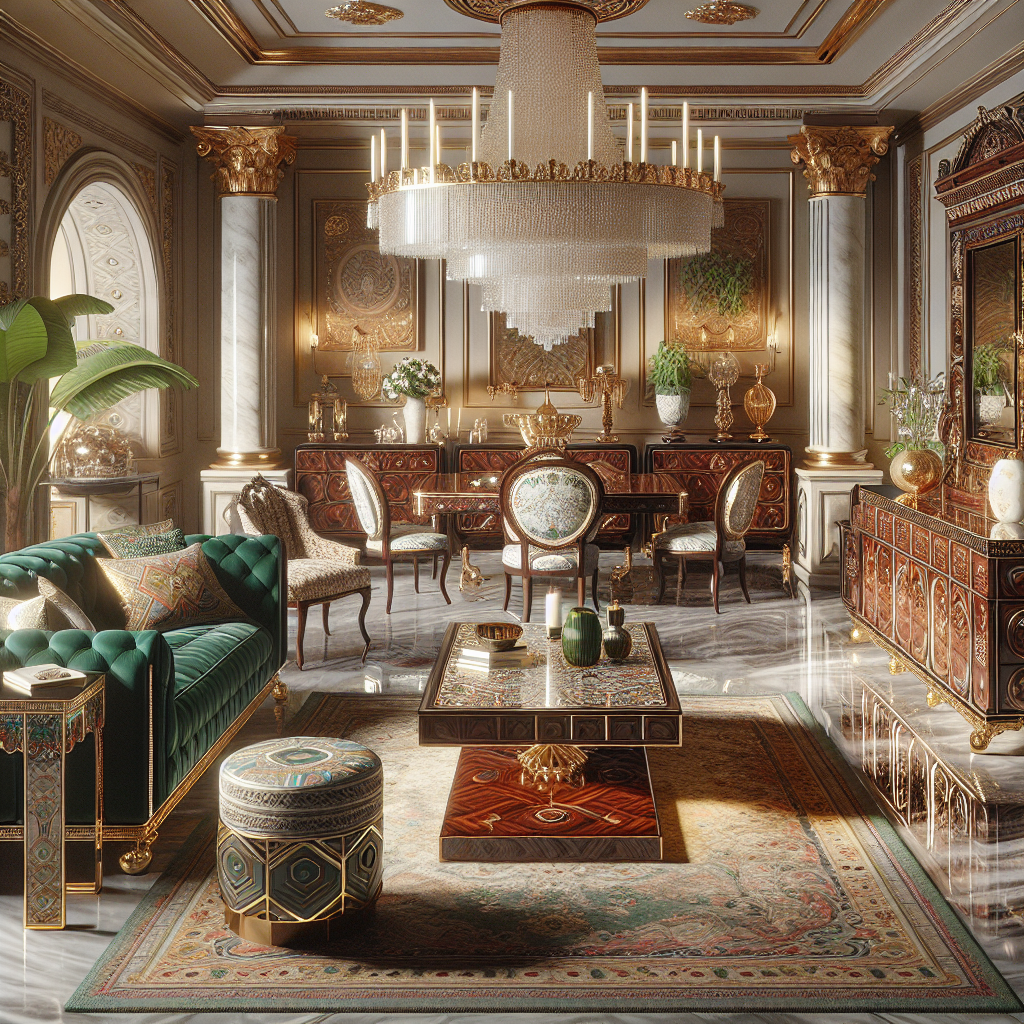
In recent years, the world of luxury furniture design has been experiencing a fascinating transformation, as designers increasingly draw inspiration from global influences to create pieces that are not only visually stunning but also sustainable. This new wave of exoticism in furniture design is all about blending diverse cultural elements with eco-friendly materials, resulting in creations that are as kind to the planet as they are to the eye. As we delve into this trend, it becomes clear that the fusion of global materials and sustainable practices is reshaping the landscape of luxury furniture.
To begin with, the use of sustainable materials is at the heart of this movement. Designers are now more conscious than ever about the environmental impact of their creations, and they are turning to materials that are both beautiful and responsibly sourced. For instance, bamboo, a fast-growing and renewable resource, is being used to craft elegant furniture pieces that exude a sense of exotic charm. Its natural strength and flexibility make it an ideal choice for everything from sleek chairs to intricate tables, all while ensuring minimal environmental impact.
Moreover, reclaimed wood is another popular choice among designers seeking to incorporate global materials into their work. By repurposing wood from old structures or discarded furniture, designers are able to create unique pieces that tell a story of their own. This not only adds a layer of history and character to the furniture but also reduces the demand for new timber, thus preserving forests and promoting sustainability. The beauty of reclaimed wood lies in its imperfections, which lend an authentic and rustic feel to any space.
In addition to these materials, designers are also exploring the use of natural fibers such as rattan and jute. These materials, often sourced from tropical regions, bring a touch of the exotic to luxury furniture while being biodegradable and sustainable. Rattan, for example, is known for its durability and lightweight nature, making it perfect for crafting intricate designs that are both functional and aesthetically pleasing. Jute, on the other hand, offers a textured, earthy appeal that complements a variety of design styles, from bohemian to contemporary.
As designers continue to experiment with these global materials, they are also embracing traditional craftsmanship techniques from different cultures. This not only adds an element of authenticity to their creations but also supports local artisans and preserves age-old skills. For instance, the intricate weaving techniques of Southeast Asia or the detailed wood carving methods of Africa are being incorporated into modern designs, resulting in furniture that is both globally inspired and deeply rooted in tradition.
Furthermore, the rise of digital technology has made it easier for designers to collaborate with artisans from around the world, allowing for a seamless exchange of ideas and techniques. This cross-cultural collaboration is leading to innovative designs that celebrate diversity and creativity, while also promoting sustainable practices.
In conclusion, the new exoticism in luxury furniture design is a testament to the power of global influences and sustainable materials. By embracing diverse cultural elements and eco-friendly practices, designers are creating pieces that are not only luxurious but also environmentally responsible. As this trend continues to evolve, it promises to redefine the way we think about luxury furniture, making it more inclusive, sustainable, and globally inspired. So, the next time you admire a beautifully crafted piece of furniture, take a moment to appreciate the rich tapestry of influences and materials that have come together to create something truly extraordinary.
The Impact of Global Travel on Luxury Furniture Trends and Designs
In recent years, the world of luxury furniture design has experienced a fascinating transformation, largely driven by the increasing accessibility of global travel. As more people explore different corners of the world, they bring back with them not just souvenirs, but also a wealth of inspiration that influences their tastes and preferences. This cultural exchange has led to a new wave of exoticism in luxury furniture, where designers are blending diverse global influences to create pieces that are both unique and captivating.
One of the most significant impacts of global travel on luxury furniture design is the infusion of diverse materials and craftsmanship techniques. Travelers often find themselves enchanted by the intricate woodwork of Southeast Asia, the vibrant textiles of Africa, or the minimalist elegance of Scandinavian design. These elements are now being incorporated into high-end furniture, resulting in pieces that tell a story of cultural fusion. For instance, a luxury sofa might feature handwoven fabric from India paired with sleek, modern lines reminiscent of Italian design. This blend not only adds a layer of depth to the furniture but also offers a sense of adventure and discovery to those who appreciate it.
Moreover, global travel has broadened the color palettes used in luxury furniture design. Designers are no longer confined to traditional hues; instead, they are experimenting with bold, vibrant colors inspired by the landscapes and cultures they encounter. Imagine a dining table that captures the rich blues of the Mediterranean Sea or a chair upholstered in the fiery reds and oranges of a Moroccan sunset. These colors evoke emotions and memories, transforming furniture into more than just functional objects—they become conversation starters and expressions of personal journeys.
In addition to materials and colors, the shapes and forms of luxury furniture are also evolving due to global influences. Designers are increasingly looking to the natural world for inspiration, drawing on the organic shapes found in nature. This trend is particularly evident in the use of curves and asymmetrical designs, which can be seen in everything from coffee tables to bed frames. Such designs not only reflect the beauty of the natural world but also create a sense of harmony and balance within a space.
Furthermore, the impact of global travel on luxury furniture design extends to the concept of sustainability. As travelers witness the environmental challenges faced by different regions, there is a growing awareness and demand for eco-friendly furniture options. Designers are responding by sourcing sustainable materials and employing environmentally conscious production methods. This shift not only appeals to the eco-conscious consumer but also aligns with the broader movement towards responsible luxury.
Ultimately, the influence of global travel on luxury furniture design is a testament to the power of cultural exchange. As people continue to explore the world, they bring back with them a tapestry of ideas that enrich the design landscape. This new exoticism in luxury furniture is not just about aesthetics; it is about creating pieces that resonate with personal experiences and global narratives. Whether it’s a chair inspired by the curves of a Balinese rice terrace or a table that echoes the colors of a Brazilian carnival, these designs invite us to celebrate the beauty and diversity of our world. In doing so, they remind us that luxury is not just about opulence, but also about connection and storytelling.
From East to West: The Influence of Global Aesthetics in Contemporary Luxury Furniture
In recent years, the world of luxury furniture design has experienced a fascinating transformation, as designers increasingly draw inspiration from a diverse array of global aesthetics. This trend, often referred to as “The New Exoticism,” is characterized by a seamless blend of cultural influences that span continents, creating pieces that are both unique and universally appealing. As we explore this phenomenon, it becomes clear that the fusion of Eastern and Western design elements is at the heart of this movement, offering a fresh perspective on what luxury can mean in today’s interconnected world.
To begin with, the influence of Eastern design on contemporary luxury furniture is undeniable. Asian aesthetics, with their emphasis on simplicity, harmony, and natural materials, have long been admired for their timeless elegance. Japanese minimalism, for instance, has inspired designers to create pieces that prioritize functionality and form, resulting in furniture that is both beautiful and practical. The use of natural materials such as bamboo, silk, and wood not only adds a touch of authenticity but also promotes sustainability, a value that resonates with today’s environmentally conscious consumers.
Meanwhile, the rich tapestry of Indian design, with its vibrant colors and intricate patterns, has also found its way into luxury furniture. Designers are increasingly incorporating elements such as hand-carved details, bold textiles, and ornate metalwork into their creations, adding a touch of opulence and exotic flair. This fusion of styles not only pays homage to traditional craftsmanship but also introduces a sense of adventure and exploration into the home.
As we shift our focus to the West, we see how European design traditions have also played a significant role in shaping contemporary luxury furniture. The clean lines and understated elegance of Scandinavian design, for example, have become a staple in modern interiors. Known for its focus on functionality and simplicity, Scandinavian design complements the minimalist tendencies of Eastern aesthetics, creating a harmonious balance that is both soothing and sophisticated.
Moreover, the opulent grandeur of French and Italian design continues to captivate the imagination of furniture designers. The use of luxurious materials such as marble, velvet, and gold leaf, combined with intricate detailing and classic silhouettes, adds a touch of timeless elegance to any space. By blending these Western elements with Eastern influences, designers are able to create pieces that are both luxurious and culturally rich.
In addition to these regional influences, the rise of globalization has facilitated the exchange of ideas and techniques across borders, further enriching the world of luxury furniture design. Designers are now able to draw inspiration from a vast array of sources, resulting in pieces that are truly eclectic and reflective of our diverse world. This cross-pollination of ideas not only broadens the scope of design possibilities but also fosters a greater appreciation for the beauty and craftsmanship of different cultures.
Ultimately, the New Exoticism in luxury furniture design is a celebration of diversity and creativity. By embracing global influences, designers are able to create pieces that are not only visually stunning but also tell a story of cultural exchange and collaboration. As we continue to explore the rich tapestry of global aesthetics, it is clear that the future of luxury furniture design is one that is both inclusive and innovative, offering endless possibilities for those who seek to bring a touch of the world into their homes.
Conclusion
The New Exoticism in luxury furniture design represents a dynamic fusion of global influences, where designers draw inspiration from diverse cultures to create unique and opulent pieces. This trend reflects a growing appreciation for multicultural aesthetics, blending traditional craftsmanship with contemporary design elements. By incorporating materials, motifs, and techniques from around the world, luxury furniture designers are crafting pieces that not only serve functional purposes but also tell stories of cultural heritage and innovation. This movement towards global eclecticism in design highlights a shift in consumer preferences towards more personalized and meaningful luxury experiences, emphasizing the importance of cultural diversity and artistic expression in the modern design landscape.