Luxe Linearity: The Beauty of Clean Lines in High-End Furniture
October 19, 2021
Sensory Luxury: Designing Spaces That Engage All Five Senses
November 2, 2021
-
Table of Contents
- Introduction
- Embracing Contrasts: How to Blend Modern and Vintage in Eclectic Design
- The Art of Layering: Textures and Patterns in Eclectic Interiors
- Color Play: Creating a Harmonious Palette in Eclectic Spaces
- Statement Pieces: Choosing Focal Points in Eclectic Decor
- Personal Touch: Incorporating Unique Finds into Eclectic Design
- Conclusion
Introduction
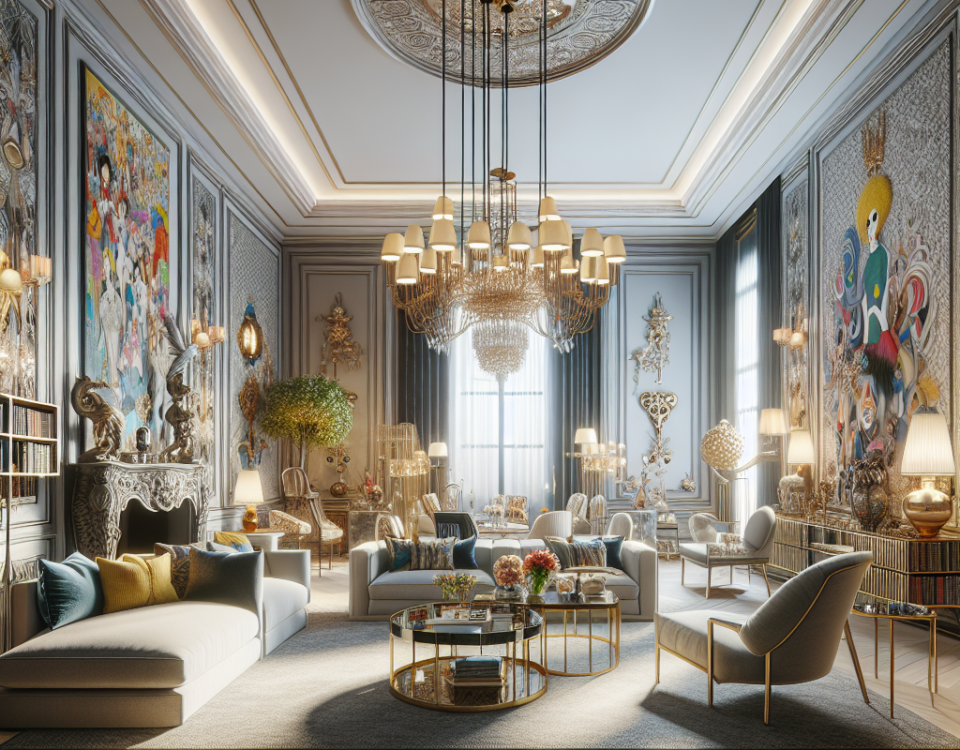
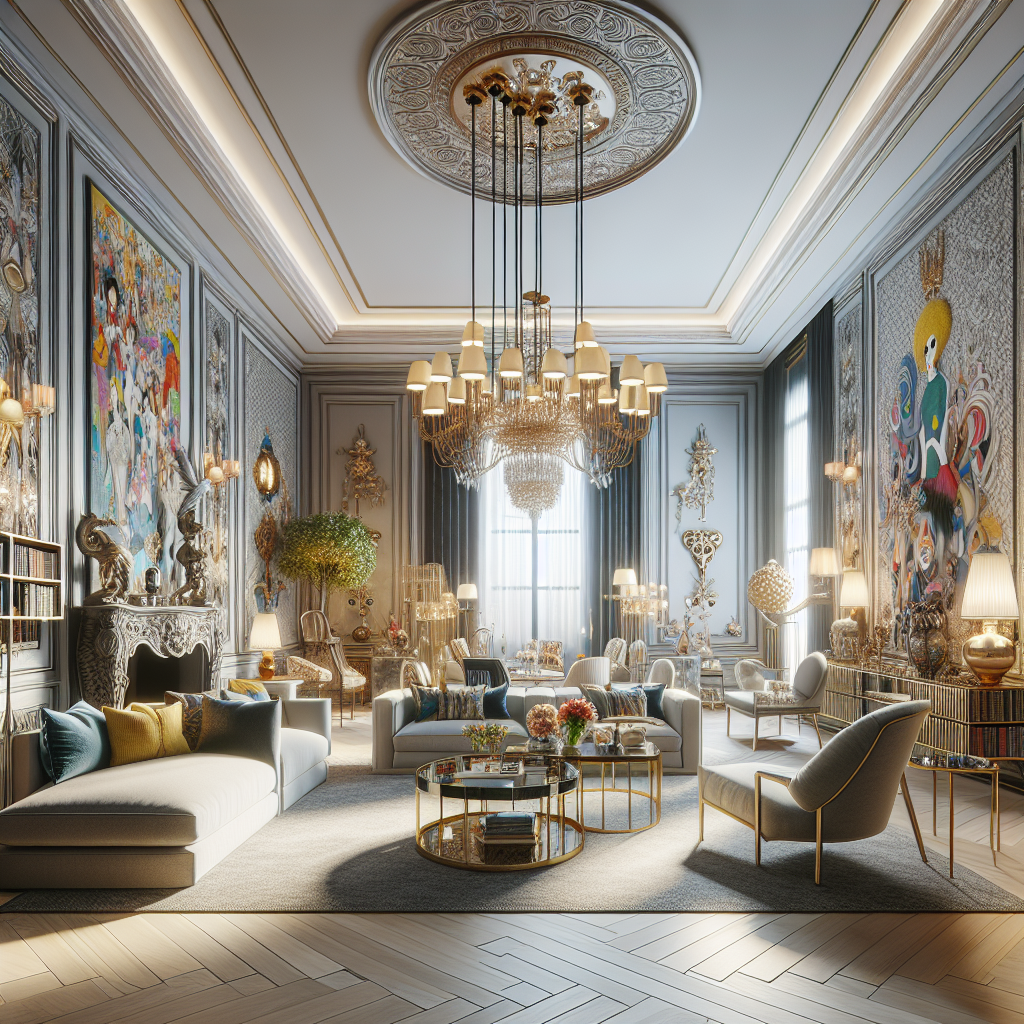
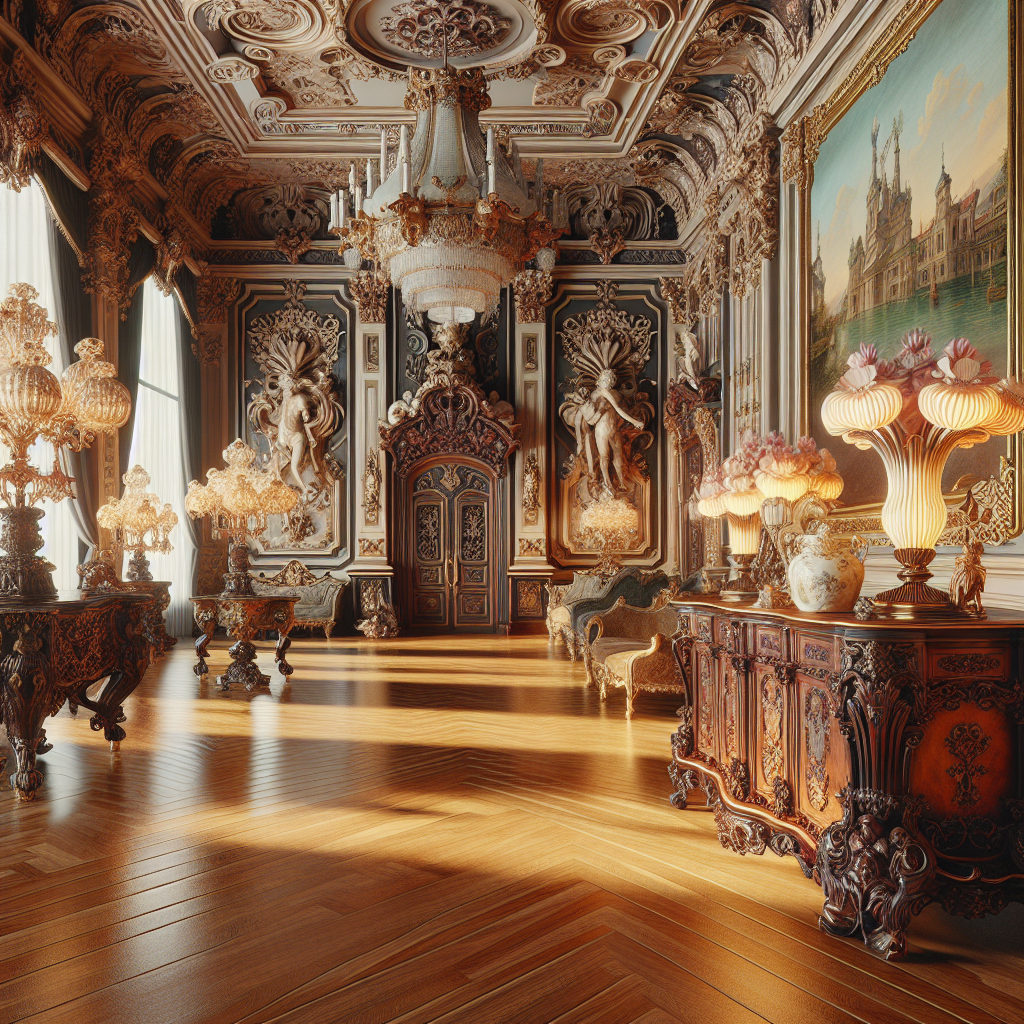
The New Eclecticism represents a bold and innovative approach to interior design, where the art of curating a luxurious mix of styles takes center stage. This design philosophy embraces the harmonious blend of diverse aesthetics, eras, and cultural influences, creating spaces that are both unique and deeply personal. By skillfully combining elements from different design movements—be it the opulence of Baroque, the sleek lines of Mid-Century Modern, or the raw textures of Industrial—The New Eclecticism transcends traditional boundaries, offering a rich tapestry of visual and tactile experiences. This approach not only celebrates individuality and creativity but also challenges conventional design norms, inviting a sense of wonder and discovery into the home. Through thoughtful curation and a keen eye for balance, The New Eclecticism transforms interiors into dynamic narratives that reflect the eclectic tastes and stories of their inhabitants.
Embracing Contrasts: How to Blend Modern and Vintage in Eclectic Design
In the world of interior design, the eclectic style has always been a favorite for those who love to mix and match, creating spaces that are as unique as the people who inhabit them. Recently, a new wave of eclecticism has emerged, one that embraces the luxurious blend of modern and vintage elements. This approach not only allows for a personalized aesthetic but also brings a sense of timelessness to any space. If you’re looking to dive into this trend, it’s all about finding the right balance and letting your creativity shine.
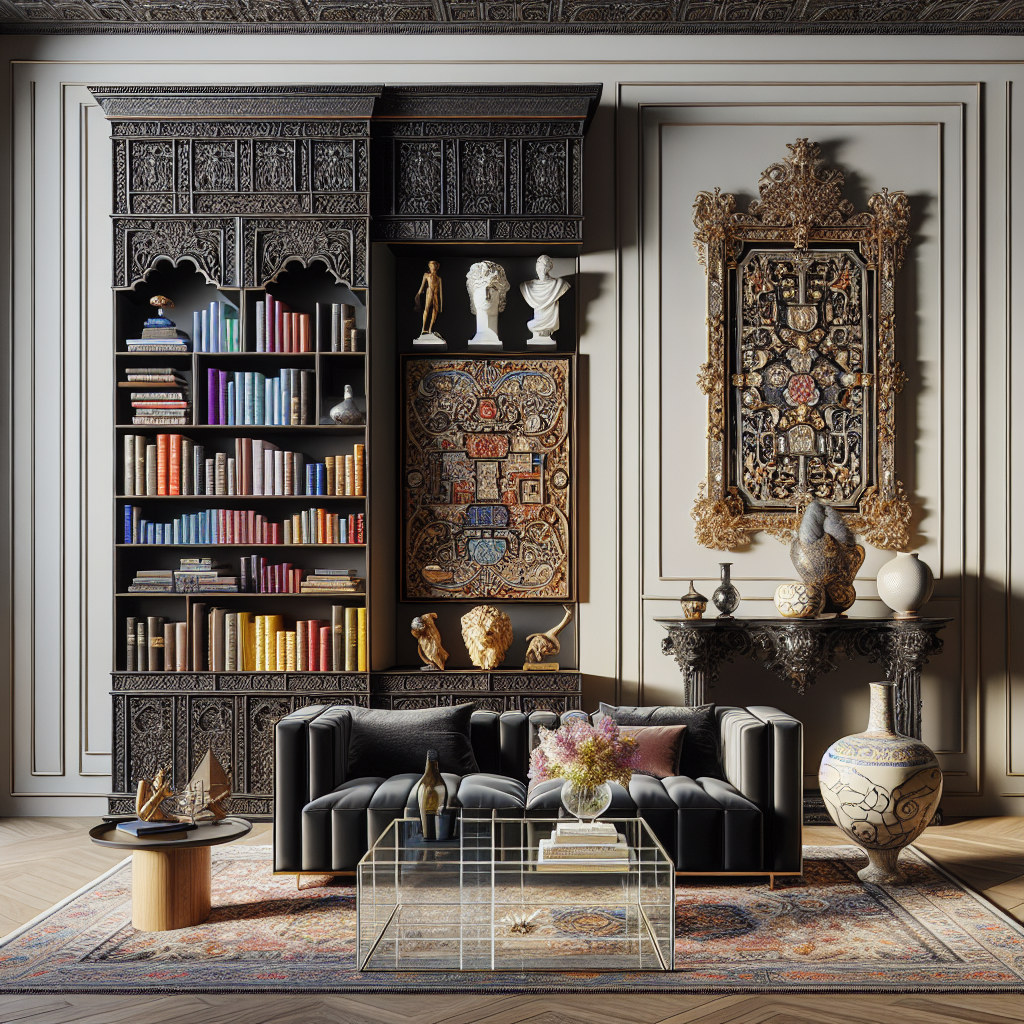
To begin with, the key to mastering this style is understanding the harmony between contrast and cohesion. While it might seem counterintuitive, mixing modern and vintage pieces can create a dynamic and inviting atmosphere. Start by selecting a few statement pieces that will serve as the focal points of your room. For instance, a sleek, contemporary sofa can be beautifully complemented by a vintage Persian rug. The juxtaposition of the clean lines of the sofa against the intricate patterns of the rug creates a visual interest that draws the eye and invites conversation.
Moreover, color plays a crucial role in tying together disparate elements. A neutral color palette can serve as a unifying backdrop, allowing both modern and vintage pieces to stand out without clashing. However, don’t shy away from bold colors if they speak to you. A vibrant piece of modern art can add a pop of color and act as a bridge between different styles. Similarly, vintage accessories like a mid-century lamp or an antique mirror can introduce warmth and character, making the space feel lived-in and welcoming.
In addition to color, texture is another important factor to consider. Mixing different textures can add depth and richness to your design. For example, pairing a smooth, glossy coffee table with a plush, velvet armchair can create a tactile experience that is both luxurious and inviting. Similarly, incorporating natural materials like wood and stone can add an organic element that grounds the space, making it feel more cohesive.
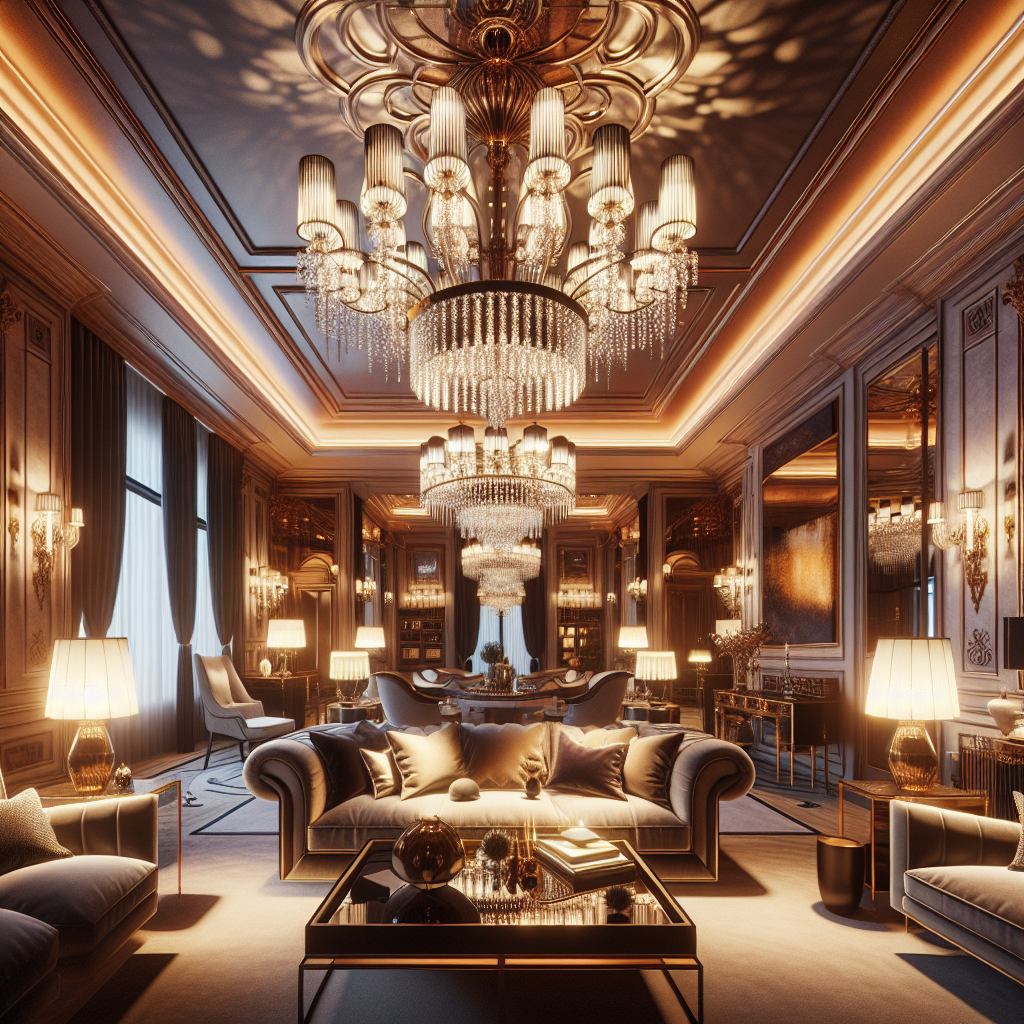
Lighting is another aspect that can significantly impact the overall ambiance of your eclectic space. Combining modern lighting fixtures with vintage lamps can create layers of light that enhance the mood and highlight different areas of the room. A contemporary chandelier can add a touch of glamour, while a vintage floor lamp can provide a cozy reading nook. The interplay of light and shadow can transform a room, making it feel both dynamic and intimate.
Furthermore, personal touches are what truly make an eclectic space feel like home. Incorporating items that have sentimental value or tell a story can add a layer of authenticity to your design. Whether it’s a collection of travel souvenirs, family heirlooms, or artwork created by friends, these elements infuse your space with personality and make it uniquely yours.
In conclusion, the new eclecticism is all about embracing contrasts and curating a luxurious mix of styles that reflect your individuality. By thoughtfully blending modern and vintage elements, you can create a space that is not only visually stunning but also deeply personal. So, don’t be afraid to experiment and let your imagination guide you. After all, the best designs are those that tell a story, and your home is the perfect canvas to express who you are.
The Art of Layering: Textures and Patterns in Eclectic Interiors
In the world of interior design, the new eclecticism is making waves, offering a fresh approach to creating spaces that are as unique as the individuals who inhabit them. At the heart of this trend is the art of layering textures and patterns, a technique that transforms ordinary rooms into extraordinary experiences. Imagine walking into a space where every glance reveals a new detail, a new story, and a new sensation. This is the magic of eclectic interiors, where the unexpected comes together in a harmonious blend.
To begin with, let’s talk about textures. In an eclectic space, textures are your best friend. They add depth and dimension, inviting you to reach out and touch. Think of a plush velvet sofa paired with a rugged jute rug, or a sleek glass coffee table sitting atop a distressed wooden floor. These combinations create a tactile experience that is both luxurious and inviting. The key is to mix and match different materials, allowing them to play off each other in a way that feels both intentional and effortless.
Transitioning from textures to patterns, we find another layer of intrigue. Patterns bring energy and movement to a room, drawing the eye and sparking curiosity. In an eclectic interior, patterns can be as bold or as subtle as you like. You might choose a vibrant geometric wallpaper to serve as a focal point, or perhaps a collection of mismatched throw pillows that add a playful touch to your seating area. The beauty of patterns lies in their ability to tell a story, to evoke a mood, and to express a personality.
As we weave textures and patterns together, it’s important to consider balance. While eclectic design celebrates diversity, it also requires a certain level of cohesion. This is where color comes into play. A unifying color palette can tie disparate elements together, creating a sense of harmony amidst the chaos. Whether you opt for earthy tones that ground the space or bold hues that make a statement, color acts as the thread that connects each piece of the puzzle.
Moreover, don’t forget the power of contrast. In eclectic interiors, contrast is what keeps things interesting. It’s the juxtaposition of old and new, soft and hard, light and dark. Picture a vintage chandelier hanging above a modern dining table, or a sleek metal lamp perched on a rustic wooden sideboard. These contrasts create visual tension, which in turn adds excitement and intrigue to the space.
As we explore the art of layering in eclectic interiors, it’s clear that this style is all about personal expression. It’s about curating a collection of pieces that resonate with you, that reflect your tastes and experiences. There’s no right or wrong way to do it; the only rule is to follow your intuition and have fun with the process. After all, your home should be a reflection of who you are, a place where you feel comfortable and inspired.
In conclusion, the new eclecticism invites us to embrace the unexpected, to celebrate diversity, and to create spaces that are as dynamic and multifaceted as we are. By layering textures and patterns, we can craft interiors that are not only visually stunning but also rich in character and warmth. So go ahead, mix and match, experiment and explore. The world of eclectic design is waiting for you, ready to transform your home into a masterpiece of style and substance.
Color Play: Creating a Harmonious Palette in Eclectic Spaces
When it comes to designing eclectic spaces, one of the most exciting yet challenging aspects is creating a harmonious color palette. The new eclecticism embraces a luxurious mix of styles, textures, and eras, allowing for a unique expression of personality and taste. However, with such a diverse array of elements, it can be easy for a space to feel chaotic rather than cohesive. This is where the art of color play comes into the picture, offering a way to tie everything together and create a sense of balance.
To begin with, it’s important to understand that eclectic design doesn’t mean throwing every color of the rainbow into a room. Instead, it involves carefully selecting hues that complement each other while allowing individual pieces to shine. A great starting point is to choose a base color that will serve as the foundation for your palette. This could be a neutral shade like soft gray or warm beige, which provides a calming backdrop and allows bolder colors to pop without overwhelming the senses.
Once you have your base color, consider adding a few accent colors to create depth and interest. These can be drawn from a favorite piece of artwork, a cherished rug, or even a beloved piece of furniture. The key is to select colors that resonate with you and reflect the mood you want to evoke in the space. For instance, if you’re aiming for a serene and relaxing atmosphere, you might opt for cool blues and greens. On the other hand, if you want to infuse energy and vibrancy, warm tones like rich reds and sunny yellows could be the way to go.
As you layer in these accent colors, think about how they interact with each other and the overall composition of the room. One effective technique is to use varying shades of the same color to create a monochromatic look with subtle variations. This approach can add sophistication and depth without the risk of clashing. Alternatively, you might choose complementary colors—those opposite each other on the color wheel—to create a dynamic and visually striking effect.
In addition to color selection, the way colors are distributed throughout the space plays a crucial role in achieving harmony. Consider using the 60-30-10 rule as a guideline: 60% of the room should be the dominant color (usually your base color), 30% should be the secondary color, and 10% should be an accent color. This ratio helps maintain balance and ensures that no single color overwhelms the others.
Moreover, don’t forget the power of texture and pattern in an eclectic space. These elements can add another layer of interest and help tie different colors together. For example, a patterned throw pillow or a textured rug can introduce new colors in a subtle way, bridging the gap between disparate elements.
Finally, remember that creating a harmonious color palette in an eclectic space is as much about intuition as it is about rules. Trust your instincts and don’t be afraid to experiment. After all, the beauty of eclectic design lies in its ability to reflect your unique personality and style. By thoughtfully curating your color choices, you can create a space that feels both luxurious and inviting, a true reflection of the new eclecticism.
Statement Pieces: Choosing Focal Points in Eclectic Decor
In the world of interior design, eclecticism has emerged as a vibrant and liberating style, allowing homeowners to express their personalities through a mix of diverse elements. At the heart of this approach is the art of selecting statement pieces that serve as focal points, anchoring the eclectic mix and bringing cohesion to the space. While it might seem daunting to blend various styles, colors, and textures, the key lies in choosing pieces that resonate with you and tell a story.
Imagine walking into a room where a vintage Persian rug meets a sleek, modern sofa, and a mid-century coffee table sits beneath a contemporary chandelier. This harmonious blend of styles creates a visual narrative that is both intriguing and inviting. To achieve this, start by identifying a few statement pieces that you absolutely love. These could be anything from a bold piece of artwork to an antique armoire or a uniquely designed chair. The idea is to select items that draw the eye and spark conversation, serving as the foundation around which the rest of the room is built.
Once you have your statement pieces, consider how they interact with the other elements in the room. It’s important to maintain a balance between contrast and cohesion. For instance, if you have a large, colorful painting as a focal point, you might want to complement it with more subdued furniture and accessories. This doesn’t mean everything else should be bland; rather, it should enhance the statement piece without competing for attention. Similarly, if your focal point is a piece of furniture with intricate detailing, consider surrounding it with simpler, more streamlined items to let it shine.
Transitioning from one style to another within a room can be seamless if you pay attention to color palettes and textures. A unifying color scheme can tie disparate elements together, creating a sense of harmony. For example, if your statement piece is a vibrant, patterned rug, you might pull a few colors from it to use in other parts of the room, such as throw pillows or curtains. Textures also play a crucial role in eclectic decor. Mixing materials like wood, metal, and fabric can add depth and interest, but be mindful of how they work together. A plush velvet sofa can be beautifully offset by a rustic wooden coffee table, creating a tactile contrast that is both luxurious and inviting.
Lighting is another essential component in highlighting your statement pieces. A well-placed spotlight or a dramatic floor lamp can draw attention to your focal point, enhancing its impact. Additionally, consider the scale of your statement pieces in relation to the room. A large piece of art might dominate a small space, while a delicate sculpture could get lost in a larger room. It’s all about finding the right balance to ensure that each element contributes to the overall aesthetic without overwhelming it.
Ultimately, the new eclecticism is about curating a space that feels personal and authentic. It’s an opportunity to showcase your unique taste and experiences, blending the old with the new, the bold with the subtle. By thoughtfully selecting statement pieces and considering how they interact with the rest of the room, you can create a luxurious mix of styles that is both cohesive and captivating. So go ahead, embrace the eclectic spirit, and let your home tell your story.
Personal Touch: Incorporating Unique Finds into Eclectic Design
In the world of interior design, the new eclecticism is making waves, offering a refreshing departure from the rigid confines of traditional styles. This approach celebrates the art of mixing and matching, allowing homeowners to infuse their spaces with a personal touch that reflects their unique tastes and experiences. At the heart of this trend is the idea of incorporating unique finds into your home, creating a luxurious mix of styles that feels both curated and effortlessly chic.
Imagine walking into a room where a vintage Persian rug anchors the space, while a sleek, modern sofa invites you to sit and stay awhile. Above, a mid-century chandelier casts a warm glow, highlighting an array of art pieces collected from travels around the world. This is the essence of eclectic design: a harmonious blend of the old and new, the bold and subtle, the familiar and the exotic. It’s about creating a space that tells a story, your story, through the thoughtful selection of pieces that resonate with you.
One of the joys of eclectic design is the freedom it offers. There are no hard and fast rules, which means you can let your creativity run wild. However, achieving a cohesive look requires a keen eye for balance and proportion. Start by selecting a few key pieces that you absolutely love—perhaps a statement armchair or an intricately carved wooden coffee table. These items will serve as the foundation of your design, around which you can build the rest of the room.
As you begin to layer in additional elements, consider how different textures, colors, and patterns can complement each other. A plush velvet throw can add a touch of luxury to a minimalist metal chair, while a collection of colorful ceramic vases can bring life to a neutral-toned shelf. The key is to create contrast without chaos, ensuring that each piece has its moment to shine without overwhelming the space.
Incorporating unique finds into your design is not just about aesthetics; it’s also about imbuing your home with a sense of history and character. Scour flea markets, antique shops, and online marketplaces for treasures that speak to you. Perhaps it’s a hand-painted tile from a trip to Morocco or a vintage typewriter that reminds you of your grandfather’s study. These items not only add visual interest but also serve as conversation starters, inviting guests to learn more about your personal journey.
While it’s easy to get carried away with the thrill of the hunt, remember that less is often more. A carefully curated collection of meaningful objects will have a greater impact than a cluttered assortment of random items. Take the time to edit your selections, ensuring that each piece has a purpose and a place within your design.
Finally, don’t be afraid to experiment and evolve. The beauty of eclectic design lies in its adaptability; as your tastes and experiences change, so too can your space. Swap out artwork, rearrange furniture, or introduce new colors to keep your home feeling fresh and dynamic. By embracing the new eclecticism, you’re not just decorating a house; you’re crafting a living, breathing reflection of who you are. So go ahead, mix it up, and let your home tell your story in the most luxurious way possible.
Conclusion
The New Eclecticism represents a dynamic approach to interior design, characterized by the intentional blending of diverse styles, periods, and cultural influences to create a cohesive and luxurious aesthetic. This design philosophy embraces contrast and individuality, allowing for personal expression and creativity while maintaining a sense of harmony and balance. By skillfully curating a mix of textures, colors, and forms, The New Eclecticism transforms spaces into unique environments that reflect the complexity and richness of contemporary life. Ultimately, this approach celebrates diversity and innovation, offering a fresh perspective on luxury that is both inclusive and timeless.