Luxe Outdoor Living: Bringing Interior Comfort to Exterior Spaces
January 10, 2023
Tactile Walls: Textured Surfaces in High-End Interiors
January 24, 2023
-
Table of Contents
- Introduction
- Exploring The New Asymmetry: How Imbalance Shapes Modern Luxury Design
- The Role Of Asymmetry In Creating Unique Luxury Spaces
- Balancing Imbalance: The Art Of Asymmetrical Luxury Interiors
- The New Asymmetry: Redefining Elegance In Luxury Design
- Asymmetry As A Statement: Transforming Luxury Design Aesthetics
- Conclusion
Introduction
“The New Asymmetry: Balancing Imbalance in Luxury Design” explores the evolving paradigm in luxury aesthetics where traditional notions of symmetry and balance are being redefined. In an era where innovation and individuality are paramount, designers are embracing asymmetry as a means to create unique, dynamic, and engaging spaces and products. This approach challenges conventional design principles, offering a fresh perspective that resonates with contemporary tastes. By intentionally incorporating elements of imbalance, designers are crafting experiences that are not only visually striking but also emotionally engaging, reflecting a deeper understanding of luxury as a personal and evolving concept. This shift towards asymmetry signifies a broader trend in the luxury market, where the emphasis is on creating bespoke, meaningful designs that speak to the uniqueness of the individual.
Exploring The New Asymmetry: How Imbalance Shapes Modern Luxury Design
In the world of luxury design, a fascinating trend is emerging that challenges traditional notions of symmetry and balance. This new approach, aptly named “The New Asymmetry,” is reshaping how we perceive elegance and sophistication in modern design. Gone are the days when perfect symmetry was the hallmark of luxury; today, designers are embracing imbalance to create spaces and products that are not only visually intriguing but also deeply engaging.
At first glance, the idea of asymmetry might seem counterintuitive to luxury. After all, luxury has long been associated with order, precision, and harmony. However, the shift towards asymmetry is not about discarding these values but rather reinterpreting them in a way that feels fresh and contemporary. By intentionally incorporating elements of imbalance, designers are able to craft experiences that are dynamic and thought-provoking, inviting viewers to engage with their surroundings in a more meaningful way.
One of the key reasons behind this shift is the desire to create spaces that feel more organic and less contrived. In nature, perfect symmetry is rare; instead, we find beauty in the irregular and the unexpected. By mimicking these natural patterns, designers can evoke a sense of authenticity and warmth that resonates with modern sensibilities. This approach allows for a more personalized experience, as each piece or space tells a unique story through its imperfections.
Moreover, the new asymmetry is a response to the increasingly fast-paced and unpredictable world we live in. In a time where change is constant, and certainty is elusive, there is a certain comfort in embracing the imperfect. Asymmetrical designs reflect the complexities of our lives, offering a sense of balance through imbalance. This paradoxical harmony is what makes the new asymmetry so appealing; it acknowledges the chaos while providing a sense of order within it.
In practice, this trend manifests in various ways across different design disciplines. In architecture, for instance, buildings with unconventional shapes and layouts are becoming more prevalent. These structures often feature unexpected angles and proportions, creating a sense of movement and fluidity. Similarly, in interior design, asymmetrical furniture arrangements and decor elements are used to break the monotony and add visual interest. By playing with scale, texture, and color, designers can create spaces that feel both luxurious and inviting.
The fashion industry, too, has embraced this trend, with designers experimenting with asymmetrical cuts and silhouettes. These garments challenge traditional ideas of proportion and fit, offering a fresh take on luxury fashion that feels both avant-garde and accessible. Accessories, such as jewelry and handbags, also reflect this shift, with pieces that feature irregular shapes and unexpected details.
Ultimately, the new asymmetry is about finding beauty in the unexpected and celebrating the uniqueness of each design. It encourages us to look beyond the surface and appreciate the complexity and depth that imbalance can bring. As we continue to explore this exciting trend, it is clear that the new asymmetry is not just a fleeting fad but a fundamental shift in how we define luxury. By embracing the imperfect, we open ourselves up to a world of possibilities, where creativity knows no bounds and true elegance lies in the art of balance through imbalance.
The Role Of Asymmetry In Creating Unique Luxury Spaces
In the world of luxury design, symmetry has long been the gold standard, offering a sense of order and balance that appeals to our innate desire for harmony. However, a new trend is emerging that challenges this traditional notion: asymmetry. This fresh approach is redefining what it means to create unique luxury spaces, and it’s doing so with a flair that captivates the imagination. As we delve into the role of asymmetry in luxury design, it becomes clear that this trend is not just about breaking the rules but about finding a new kind of balance—one that embraces the beauty of imperfection.
To begin with, asymmetry in design is all about creating visual interest. When everything is perfectly aligned, the eye tends to gloss over the details, taking in the whole without truly appreciating the parts. Asymmetry, on the other hand, invites the viewer to linger, to explore the unexpected juxtapositions and contrasts that make a space truly unique. This is particularly important in luxury design, where the goal is often to create an environment that feels both exclusive and personal. By incorporating asymmetrical elements, designers can craft spaces that feel dynamic and alive, each corner offering something new to discover.
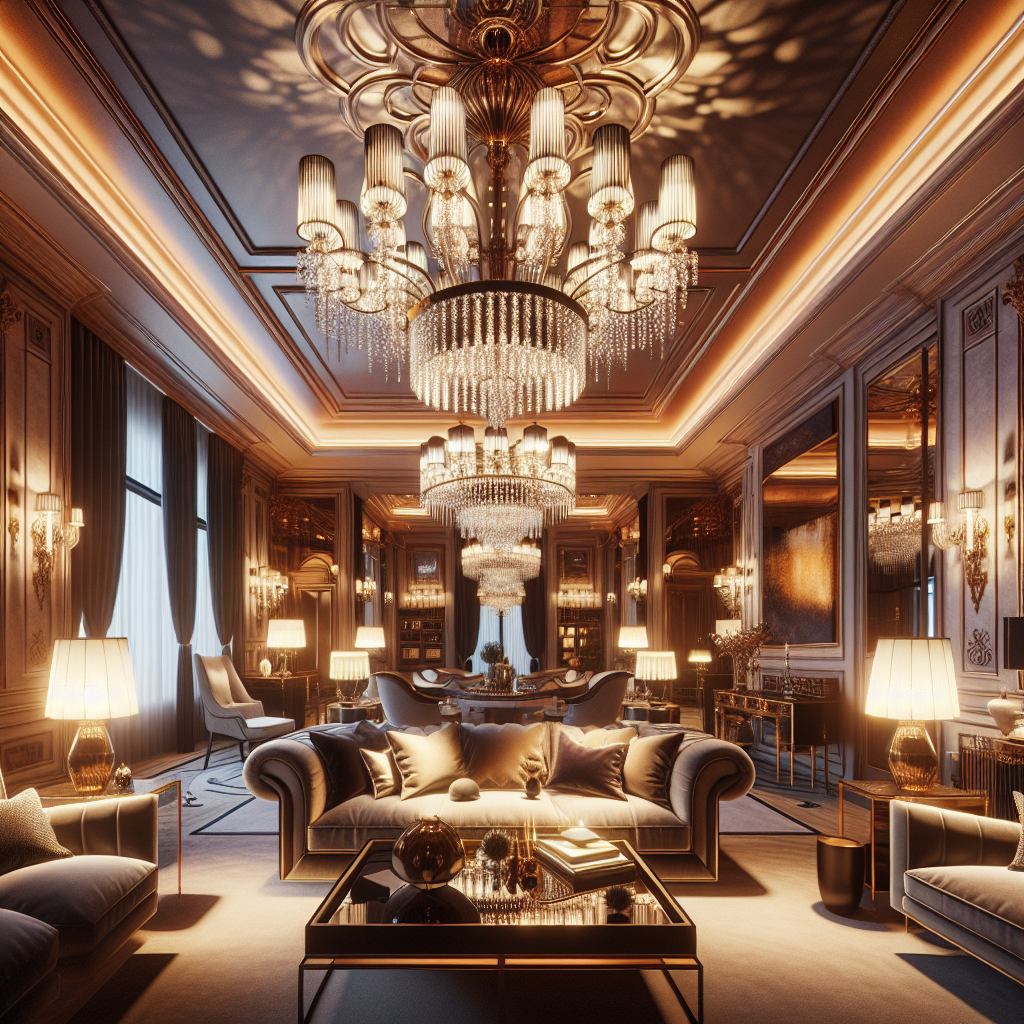
Moreover, asymmetry allows for a more organic and natural feel, which is increasingly sought after in luxury spaces. In a world that often feels overly structured and rigid, there’s something refreshing about a design that embraces the irregularities and quirks of nature. Think of a room where a large, asymmetrical chandelier hangs above a dining table, casting shadows that dance across the walls. Or consider a living room where a collection of mismatched chairs surrounds a coffee table, each piece telling its own story. These elements not only add character but also create a sense of warmth and comfort that is often missing in more traditional, symmetrical designs.
Transitioning from the aesthetic to the practical, asymmetry also offers functional benefits. In many cases, it allows for more flexible use of space, accommodating the unique needs and preferences of those who inhabit it. For instance, an asymmetrical layout might make better use of natural light, or it might create cozy nooks and alcoves that encourage relaxation and conversation. This adaptability is particularly valuable in luxury spaces, where personalization is key. By embracing asymmetry, designers can create environments that are not only beautiful but also highly functional and tailored to the individual.
Furthermore, the use of asymmetry in luxury design is a testament to the growing appreciation for craftsmanship and artistry. In a world where mass production often reigns supreme, there’s something inherently luxurious about a space that feels one-of-a-kind. Asymmetrical designs often require a higher level of skill and creativity, as they challenge designers to think outside the box and push the boundaries of conventional design. This emphasis on artistry and innovation is what sets luxury spaces apart, making them not just places to live but works of art in their own right.
In conclusion, the new asymmetry in luxury design is about more than just creating imbalance; it’s about finding a new kind of harmony that celebrates individuality and creativity. By embracing the unexpected and the imperfect, designers are crafting spaces that are not only visually stunning but also deeply personal and meaningful. As this trend continues to evolve, it promises to redefine our understanding of luxury, offering a fresh perspective on what it means to create truly unique and memorable spaces.
Balancing Imbalance: The Art Of Asymmetrical Luxury Interiors
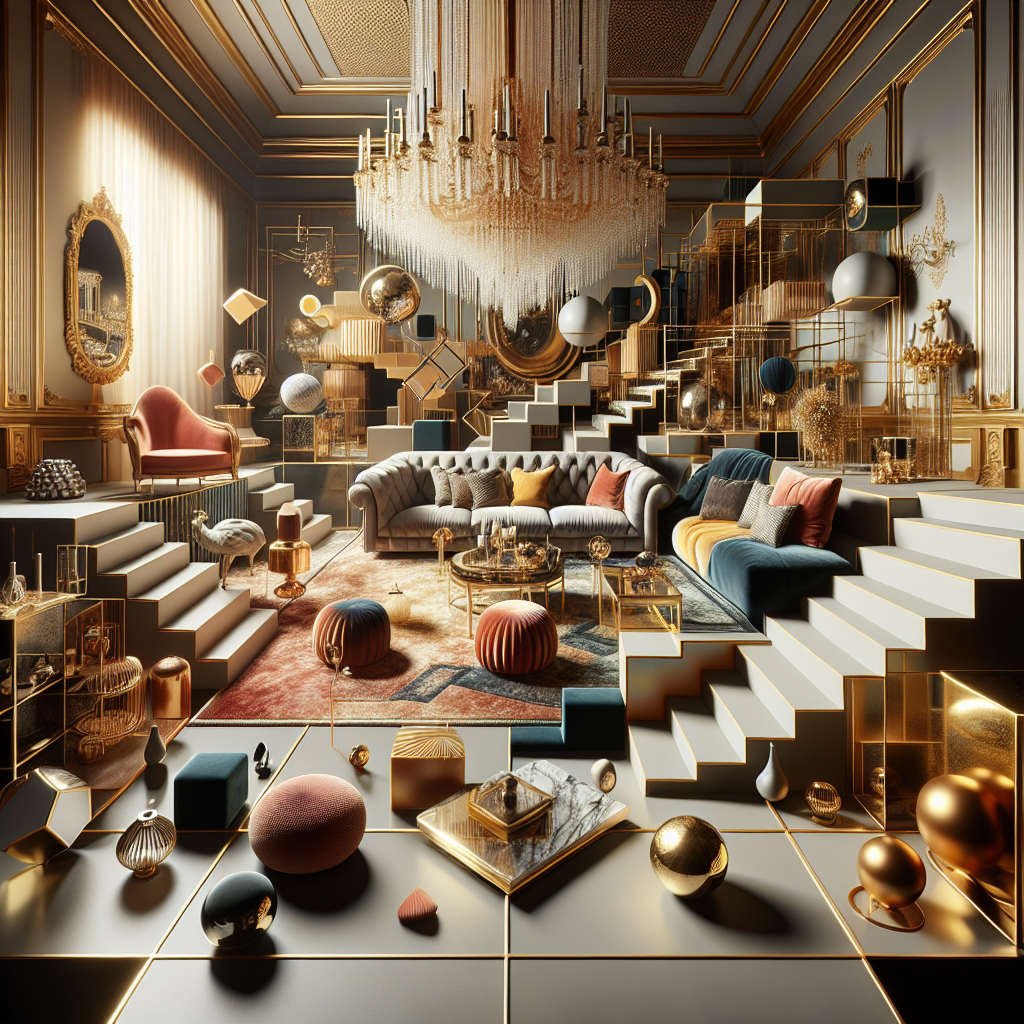
In the world of luxury interiors, symmetry has long been the gold standard, a hallmark of elegance and sophistication. However, a new trend is emerging that challenges this traditional notion: asymmetry. This fresh approach to design is not about creating chaos but rather about finding a balance within imbalance, crafting spaces that are both intriguing and harmonious. Asymmetrical design in luxury interiors is all about embracing the unexpected, allowing for a more dynamic and personalized aesthetic that speaks to the individuality of the homeowner.
One of the most exciting aspects of asymmetrical design is its ability to break free from the constraints of conventional layouts. By intentionally placing elements off-center or at varying heights, designers can create a sense of movement and flow within a space. This approach encourages the eye to explore, inviting guests to discover the unique details and textures that make a room truly special. For instance, a living room might feature a statement piece of art hung slightly off-center above a fireplace, drawing attention to the artwork while also highlighting the architectural features of the room.
Moreover, asymmetry allows for greater creativity in mixing and matching different styles, materials, and colors. This eclectic approach can result in a space that feels curated and collected over time, rather than one that adheres to a single design philosophy. Imagine a dining room where a sleek, modern table is paired with an array of mismatched chairs, each with its own story to tell. The result is a space that feels both luxurious and lived-in, a perfect reflection of the homeowner’s personal taste and experiences.
Transitioning from traditional symmetry to asymmetry in luxury interiors also opens up opportunities for innovation in furniture design. Designers are now experimenting with unconventional shapes and forms, creating pieces that are as much works of art as they are functional objects. A sofa with an asymmetrical silhouette, for example, can become the focal point of a room, offering both comfort and a conversation starter. Similarly, lighting fixtures with irregular shapes can cast interesting shadows and add an element of surprise to a space.
While asymmetry can be bold and daring, it is important to strike the right balance to ensure that a space remains cohesive and inviting. This often involves careful consideration of scale, proportion, and contrast. By thoughtfully arranging elements of varying sizes and textures, designers can create a sense of equilibrium that feels intentional rather than haphazard. For example, a large, asymmetrical rug can anchor a room, providing a foundation upon which other elements can be layered.
Incorporating asymmetry into luxury interiors is not just about aesthetics; it also reflects a broader shift in how we view our living spaces. As our lives become increasingly fast-paced and unpredictable, there is a growing desire for homes that are flexible and adaptable, spaces that can evolve with us over time. Asymmetrical design offers the perfect solution, allowing for a more organic and fluid approach to interior design.
In conclusion, the art of balancing imbalance in luxury interiors is a testament to the power of asymmetry to transform spaces into something truly unique and personal. By embracing the unexpected and challenging traditional norms, designers are creating interiors that are not only visually stunning but also deeply meaningful. As this trend continues to gain momentum, it is clear that the new asymmetry is here to stay, offering endless possibilities for creativity and self-expression in the world of luxury design.
The New Asymmetry: Redefining Elegance In Luxury Design
In the ever-evolving world of luxury design, a fascinating trend has emerged that challenges traditional notions of symmetry and balance. This new approach, aptly named “The New Asymmetry,” is redefining elegance by embracing imbalance in a way that feels both fresh and sophisticated. As we delve into this intriguing shift, it becomes clear that the allure of asymmetry lies in its ability to create spaces and objects that are not only visually captivating but also deeply engaging.
To begin with, it’s important to understand that symmetry has long been associated with beauty and harmony. For centuries, designers have relied on balanced proportions to create a sense of order and refinement. However, as tastes have evolved, so too has the desire to break free from conventional constraints. Enter asymmetry, which offers a more dynamic and fluid approach to design. By intentionally disrupting balance, designers can craft pieces that capture attention and spark conversation, all while maintaining an air of luxury.
One of the most compelling aspects of this trend is its versatility. Asymmetry can be applied across a wide range of design elements, from architecture and interiors to fashion and jewelry. In architecture, for instance, asymmetrical structures can create a sense of movement and energy, drawing the eye in unexpected directions. This can be seen in the work of contemporary architects who use irregular shapes and unconventional layouts to challenge the status quo. Similarly, in interior design, asymmetrical arrangements of furniture and decor can add depth and interest to a space, making it feel more personalized and unique.
In the realm of fashion, asymmetry has become a hallmark of modern luxury. Designers are increasingly experimenting with uneven hemlines, off-center details, and mismatched patterns to create garments that are both avant-garde and wearable. This approach not only allows for greater creativity but also encourages individuality, as each piece can be styled in countless ways to suit the wearer’s personal taste. The same can be said for jewelry design, where asymmetrical pieces offer a refreshing departure from traditional symmetry, resulting in bold and eye-catching accessories.
Moreover, the appeal of asymmetry extends beyond aesthetics. It also speaks to a broader cultural shift towards embracing imperfection and celebrating diversity. In a world that often feels rigid and uniform, asymmetry offers a welcome reminder that beauty can be found in the unexpected and the unconventional. This mindset is particularly resonant in today’s society, where there is a growing appreciation for authenticity and uniqueness.
As we continue to explore the possibilities of The New Asymmetry, it’s clear that this trend is more than just a passing fad. It represents a fundamental shift in how we perceive luxury and elegance, challenging us to rethink our preconceived notions of beauty. By balancing imbalance, designers are not only pushing the boundaries of creativity but also inviting us to see the world through a different lens.
In conclusion, The New Asymmetry is redefining elegance in luxury design by embracing the beauty of imbalance. Through its versatility and cultural relevance, this trend is reshaping our understanding of what it means to be luxurious and elegant. As we move forward, it will be exciting to see how designers continue to innovate and inspire with their asymmetrical creations, proving that sometimes, the most captivating designs are those that dare to defy convention.
Asymmetry As A Statement: Transforming Luxury Design Aesthetics
In the world of luxury design, symmetry has long been the gold standard, a hallmark of elegance and sophistication. However, a new trend is emerging that challenges this traditional notion: asymmetry. This fresh approach is transforming luxury design aesthetics, offering a bold statement that embraces imbalance as a form of beauty. Asymmetry in design is not about creating chaos but rather about finding harmony in the unexpected. It invites us to see beauty in imperfection and to appreciate the uniqueness that comes from breaking away from conventional norms. This shift towards asymmetry is not just a fleeting trend; it is a reflection of a broader cultural movement that values individuality and personal expression.
One of the most exciting aspects of asymmetry in luxury design is its ability to create a sense of dynamism and movement. Unlike symmetrical designs, which can sometimes feel static and predictable, asymmetrical designs draw the eye in different directions, encouraging exploration and engagement. This dynamic quality can be seen in everything from architecture to fashion, where designers are experimenting with unconventional shapes and proportions to create pieces that are both striking and memorable. For instance, in architecture, asymmetrical structures can transform a building into a work of art, with unexpected angles and lines that challenge our perceptions of space and form. Similarly, in fashion, asymmetrical garments can add an element of surprise and intrigue, making a bold statement that sets the wearer apart.
Moreover, asymmetry allows for greater creativity and innovation in design. By breaking free from the constraints of symmetry, designers have the freedom to explore new ideas and push boundaries. This can lead to the creation of truly unique and original pieces that stand out in a crowded market. In the realm of interior design, for example, asymmetrical layouts can create a sense of balance and harmony by juxtaposing different elements in a way that feels organic and natural. This approach can also be applied to color schemes, where unexpected combinations can add depth and interest to a space.
Furthermore, the embrace of asymmetry in luxury design is also a reflection of a changing consumer mindset. Today’s consumers are increasingly seeking products and experiences that are personalized and meaningful. They are drawn to designs that tell a story and reflect their own values and tastes. Asymmetrical designs, with their emphasis on individuality and uniqueness, resonate with this desire for authenticity and self-expression. This shift is also evident in the growing popularity of bespoke and custom-made luxury items, which allow consumers to play an active role in the design process and create something that is truly their own.
In conclusion, the rise of asymmetry in luxury design represents a significant shift in the way we think about beauty and aesthetics. It challenges us to embrace imperfection and to find beauty in the unexpected. By doing so, it opens up new possibilities for creativity and innovation, allowing designers to push boundaries and create truly unique and memorable pieces. As consumers continue to seek out products and experiences that reflect their individuality, the trend towards asymmetry is likely to continue to grow, transforming the landscape of luxury design in exciting and unexpected ways.
Conclusion
“The New Asymmetry: Balancing Imbalance in Luxury Design” explores the evolving trend of embracing asymmetry in luxury design, highlighting how it challenges traditional notions of balance and harmony. This approach reflects a shift towards more dynamic and personalized aesthetics, where imperfections and irregularities are celebrated as unique expressions of creativity and individuality. By integrating asymmetry, designers are able to create more engaging and thought-provoking spaces and products that resonate with contemporary consumers seeking authenticity and innovation. Ultimately, this trend underscores a broader movement in luxury design towards embracing complexity and diversity, offering a richer and more nuanced experience.