Tropical Luxe: Bringing Paradise into Your High-End Home
July 20, 2021
Textural Tapestry: Weaving Rich Surfaces into Luxury Interiors
August 3, 2021
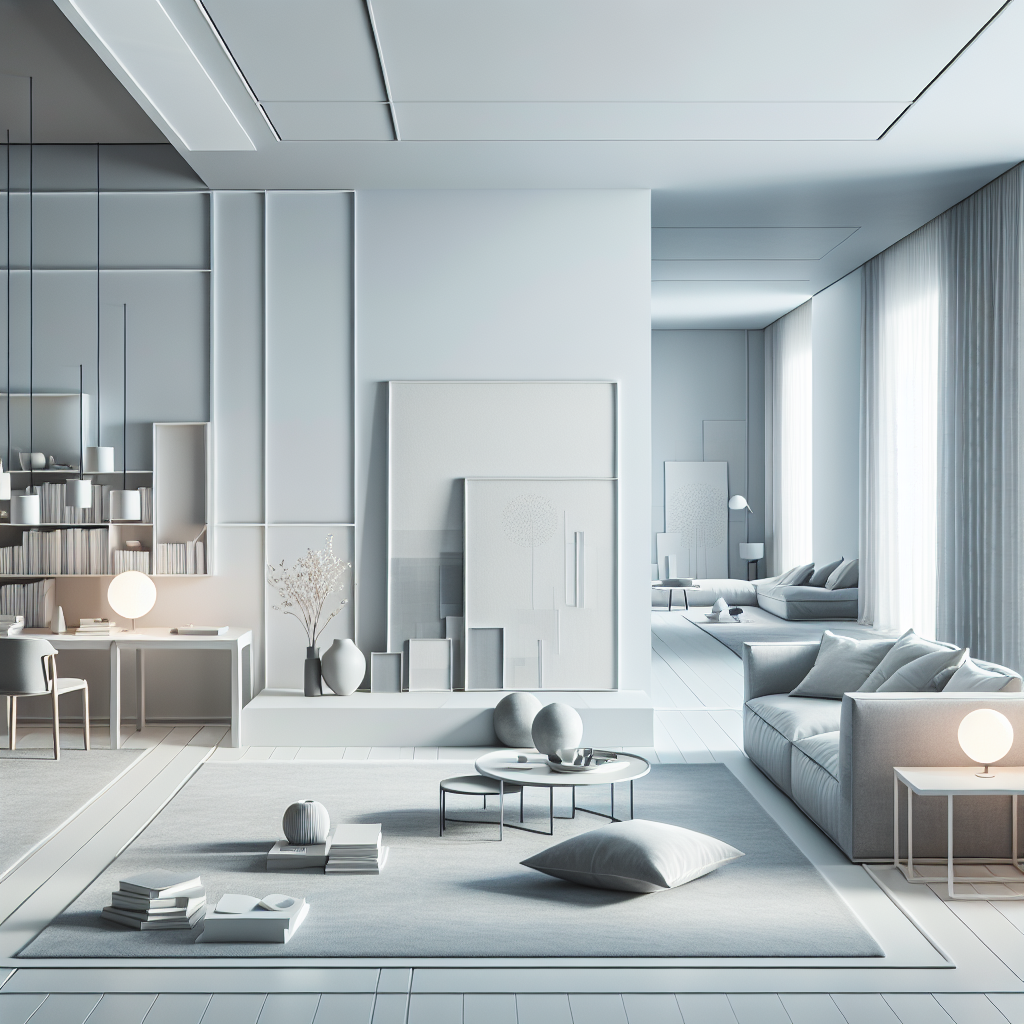
-
Table of Contents
- Introduction
- Understanding Negative Space: The Key to Minimalist Design
- The Art of Less: How Negative Space Enhances Visual Appeal
- Minimalism in Interior Design: Creating Calm with Negative Space
- Negative Space in Graphic Design: Simplifying for Impact
- Mastering Negative Space: Techniques for Elegant Minimalism
- Conclusion
Introduction
“The Luxury of Negative Space: Mastering Minimalism in Design” explores the transformative power of minimalism in the world of design. This book delves into the art of using negative space to create visually striking and emotionally resonant works, emphasizing the elegance and sophistication that simplicity can bring. By examining the principles and techniques that define minimalist design, it offers insights into how designers can harness the potential of empty spaces to enhance clarity, focus, and impact. Through a blend of theory, practical examples, and expert insights, this work serves as a comprehensive guide for those looking to master the subtle yet profound art of minimalism in their creative endeavors.
Understanding Negative Space: The Key to Minimalist Design
When it comes to design, less is often more, and nowhere is this more evident than in the art of minimalism. At the heart of minimalist design lies the concept of negative space, a powerful tool that can transform a cluttered composition into a masterpiece of simplicity and elegance. Understanding negative space is essential for anyone looking to master minimalism, as it allows the elements of a design to breathe and communicate more effectively. But what exactly is negative space, and how can it be harnessed to create stunning minimalist designs?
Negative space, sometimes referred to as white space, is the area surrounding the main elements of a design. It is the empty space that frames and highlights the focal points, allowing them to stand out and capture the viewer’s attention. While it might seem counterintuitive, this empty space is anything but wasted. In fact, it plays a crucial role in guiding the viewer’s eye and creating a sense of balance and harmony within the composition. By embracing negative space, designers can create a visual hierarchy that makes their work more accessible and engaging.
One of the key benefits of using negative space in minimalist design is that it helps to reduce visual clutter. In a world where we are constantly bombarded with information and stimuli, a clean and uncluttered design can be a breath of fresh air. By stripping away unnecessary elements, designers can focus on what truly matters, allowing the core message to shine through. This not only makes the design more aesthetically pleasing but also enhances its functionality, as viewers can easily navigate and understand the content.
Moreover, negative space can also evoke a sense of sophistication and luxury. Think of high-end brands and their advertising campaigns; they often use minimalistic designs with ample negative space to convey a sense of exclusivity and elegance. This is because negative space allows for a more refined and polished look, where every element is carefully considered and placed with intention. By mastering the use of negative space, designers can elevate their work and create a sense of timeless beauty.
Transitioning from theory to practice, incorporating negative space into your designs requires a keen eye and a willingness to experiment. Start by evaluating your current designs and identifying areas where you can remove or simplify elements. Consider the balance between positive and negative space, and strive to create a composition that feels open and inviting. Remember, negative space is not just about removing elements but also about enhancing the ones that remain. By giving your design room to breathe, you allow each component to have its moment in the spotlight.
As you continue to explore the world of minimalist design, keep in mind that negative space is a versatile tool that can be adapted to suit a variety of styles and mediums. Whether you’re working on a website, a logo, or a piece of print media, the principles of negative space can be applied to create a cohesive and impactful design. Embrace the luxury of negative space, and you’ll find that your work not only looks better but also communicates more effectively. In the end, mastering minimalism is about finding the perfect balance between what is seen and what is left unseen, allowing the beauty of simplicity to take center stage.
The Art of Less: How Negative Space Enhances Visual Appeal
In a world that’s constantly buzzing with information and visual stimuli, the concept of minimalism in design offers a refreshing breath of simplicity. At the heart of this design philosophy lies the luxury of negative space, an element that, when mastered, can elevate the visual appeal of any creation. Negative space, often referred to as white space, is the unmarked area that surrounds the main elements in a design. While it might seem like an absence of content, it is, in fact, a powerful tool that can enhance the overall aesthetic and functionality of a design.
Imagine walking into a room cluttered with furniture, knick-knacks, and decorations. It can feel overwhelming, right? Now, picture a room with just a few carefully chosen pieces, where each item has room to breathe. This is the essence of negative space in design. It allows the eye to rest and focus on the most important elements, creating a sense of balance and harmony. By giving each component its own space, negative space helps to highlight the key features, making them more memorable and impactful.
Moreover, negative space is not just about aesthetics; it also plays a crucial role in functionality. In web design, for instance, ample negative space can improve readability and navigation. When a webpage is cluttered with text and images, it can be difficult for users to find what they’re looking for. However, by strategically using negative space, designers can guide the user’s eye to the most important information, enhancing the overall user experience. This principle applies to other forms of design as well, from print media to product packaging.
Transitioning from the practical benefits to the emotional impact, negative space also evokes a sense of calm and tranquility. In a fast-paced world, designs that incorporate generous amounts of negative space can provide a much-needed visual respite. This is why many luxury brands opt for minimalist designs; they convey a sense of elegance and sophistication. By stripping away the unnecessary, these designs focus on quality over quantity, allowing the product or message to shine through.
Furthermore, negative space encourages creativity and imagination. When a design is not overcrowded with elements, it leaves room for interpretation. This open-endedness invites viewers to engage with the design on a deeper level, sparking curiosity and interest. It’s like reading a book with just enough detail to set the scene, but leaving plenty of room for the reader’s imagination to fill in the gaps.
Incorporating negative space into a design might seem counterintuitive at first, especially in a culture that often equates more with better. However, once you embrace the art of less, you’ll discover the beauty and power of simplicity. It’s about making deliberate choices and understanding that every element in a design should serve a purpose. By mastering the use of negative space, designers can create works that are not only visually appealing but also meaningful and effective.
In conclusion, the luxury of negative space is a testament to the adage that less is more. It enhances visual appeal by providing balance, improving functionality, evoking emotion, and sparking creativity. As you explore the world of design, remember that sometimes, the most powerful statement is made not by what you add, but by what you choose to leave out.
Minimalism in Interior Design: Creating Calm with Negative Space
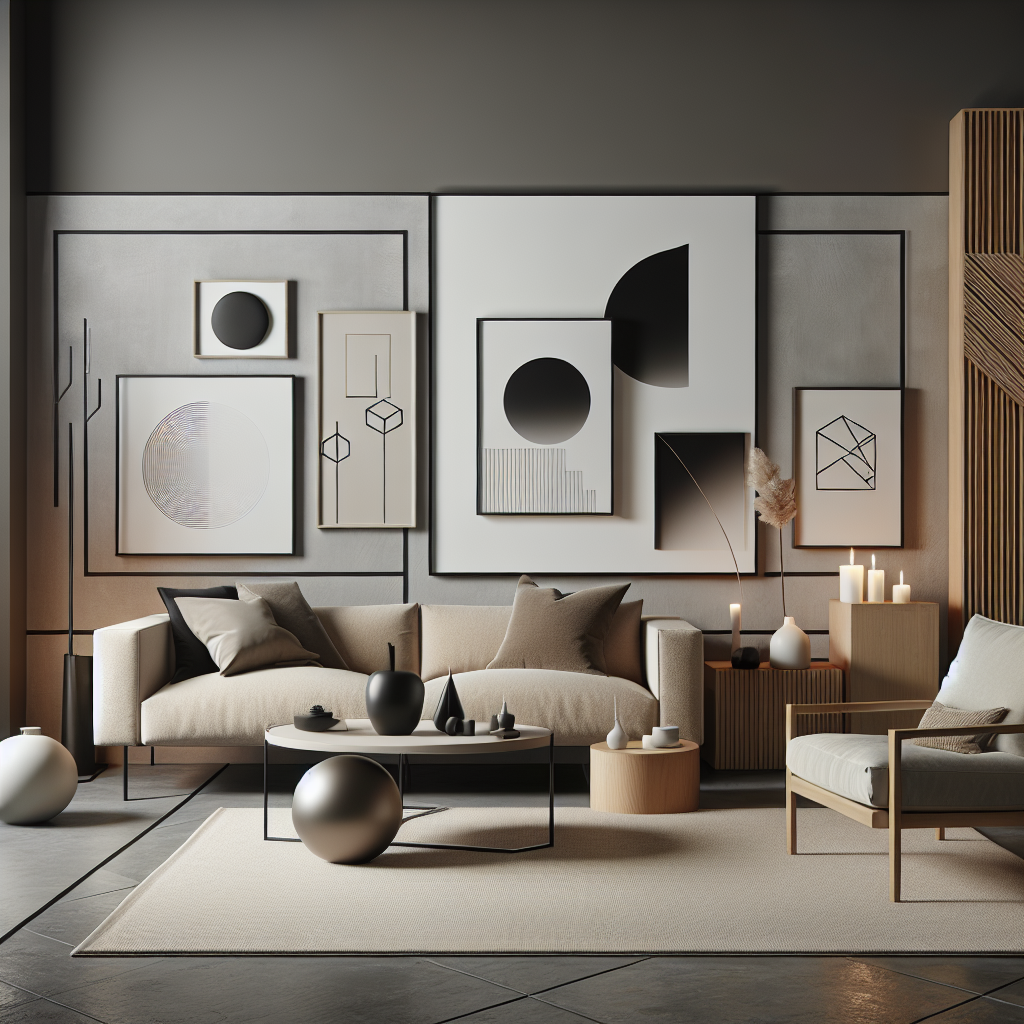
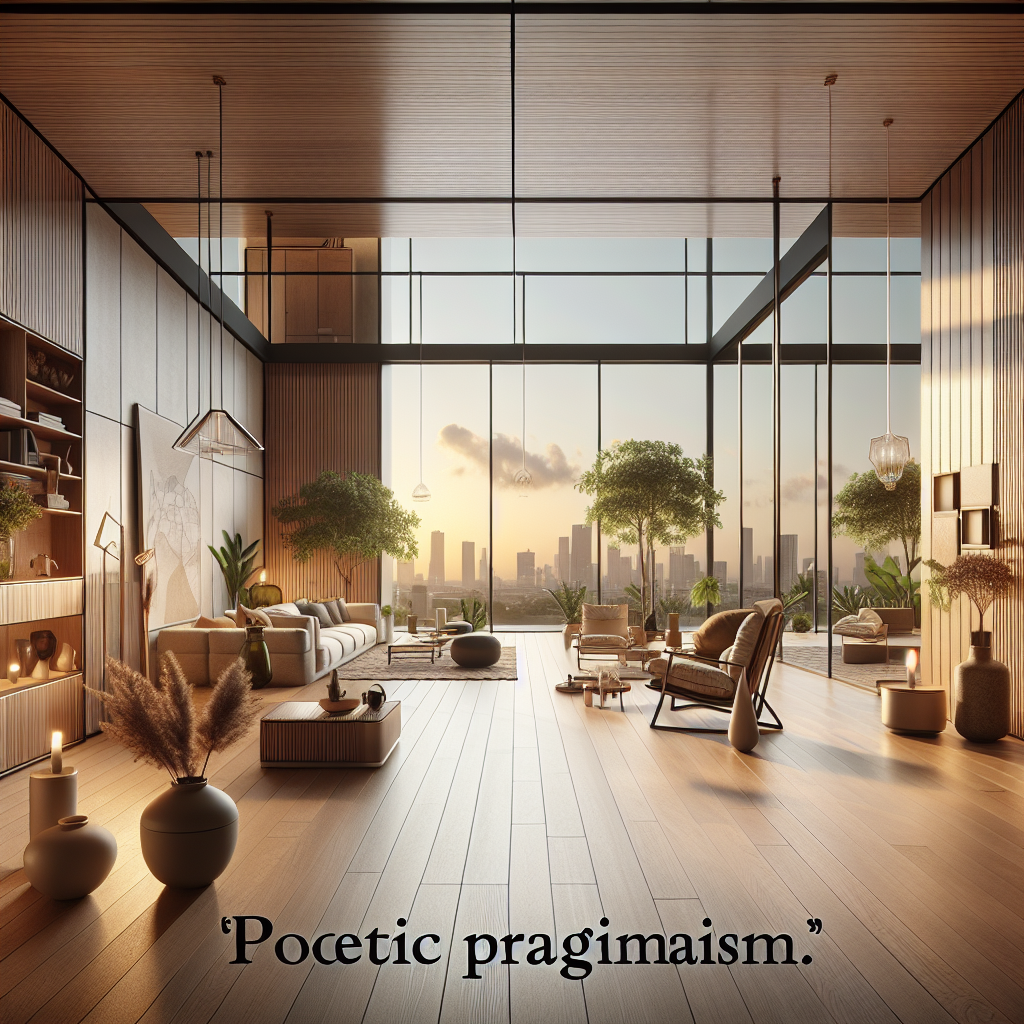
In the world of interior design, minimalism has emerged as a timeless trend that continues to captivate homeowners and designers alike. At the heart of this design philosophy is the concept of negative space, which, when mastered, can transform a cluttered room into a serene sanctuary. Embracing minimalism doesn’t mean stripping away all your belongings or living in a stark, empty space. Instead, it’s about creating a harmonious balance between the elements in a room, allowing each piece to breathe and shine in its own right.
Imagine walking into a room where every item has its place, and nothing feels overwhelming. This is the essence of minimalism—creating calm through the strategic use of negative space. By intentionally leaving areas unoccupied, you allow the eye to rest and appreciate the beauty of simplicity. This approach not only enhances the aesthetic appeal of a room but also promotes a sense of tranquility and order.
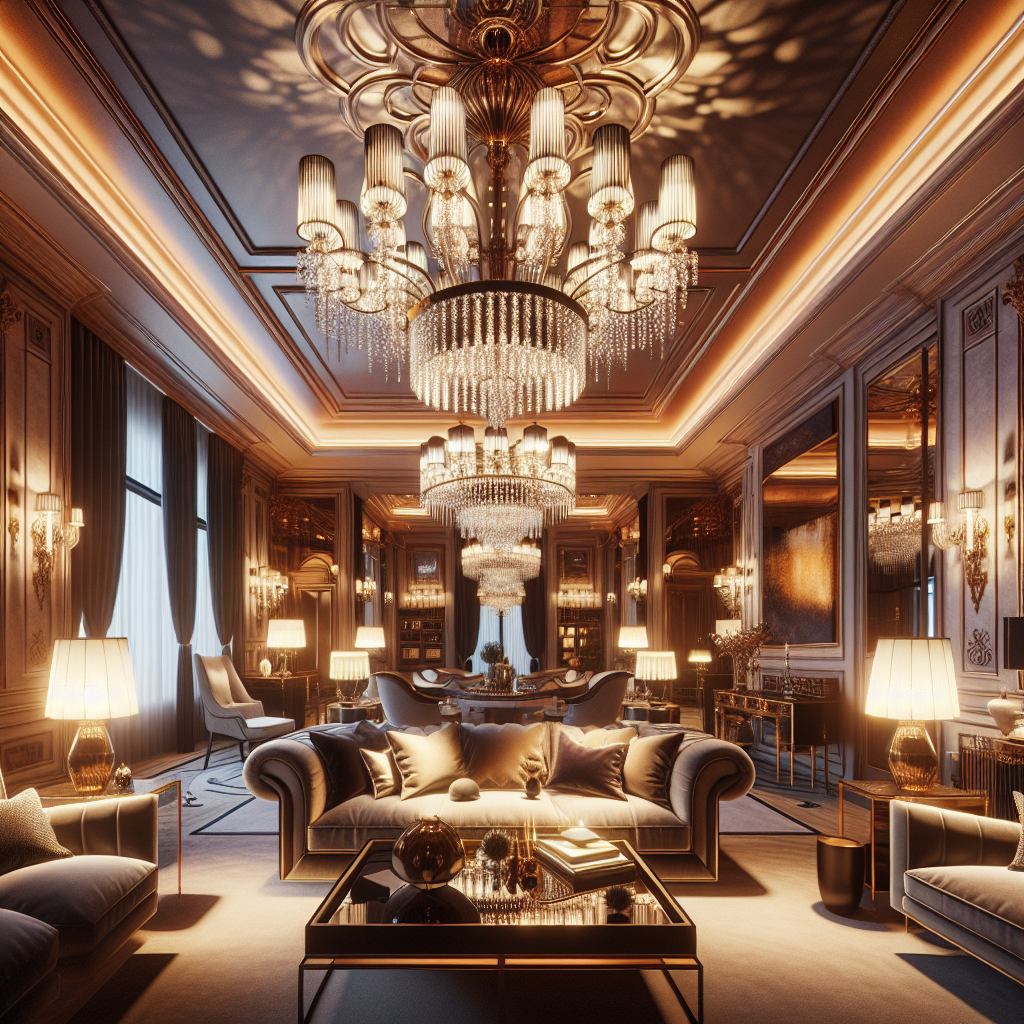
One of the key principles of minimalism is to focus on quality over quantity. Rather than filling a room with numerous decorative items, consider selecting a few high-quality pieces that truly resonate with you. These could be a statement piece of art, a beautifully crafted piece of furniture, or even a unique light fixture. By doing so, you create focal points that draw attention and add character to the space without overwhelming it.
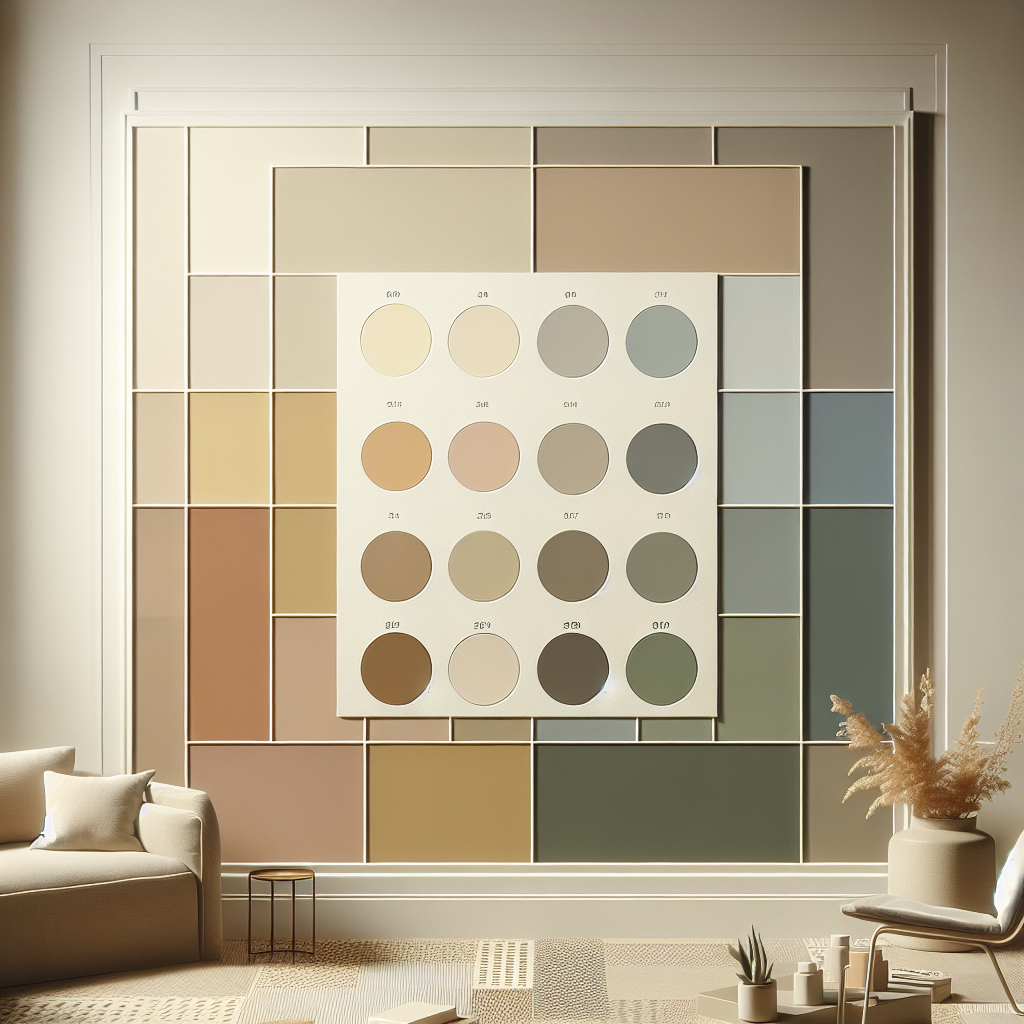
Moreover, the use of neutral color palettes is a hallmark of minimalist design. Whites, grays, and earth tones serve as a calming backdrop that enhances the feeling of openness and airiness. These colors reflect light, making spaces appear larger and more inviting. However, this doesn’t mean you have to shy away from color entirely. Thoughtfully placed pops of color can add interest and warmth, creating a dynamic yet cohesive look.
In addition to color, texture plays a crucial role in minimalist interiors. Incorporating a variety of textures—such as smooth glass, soft textiles, and natural wood—adds depth and dimension to a room. This tactile diversity keeps the space from feeling flat or monotonous, while still adhering to the minimalist ethos of simplicity and restraint.
Another important aspect of minimalism is functionality. Every item in a minimalist space should serve a purpose, whether it’s practical or aesthetic. This means being intentional about the pieces you choose to include and ensuring they contribute to the overall harmony of the room. Multi-functional furniture, such as a storage ottoman or a sleek sofa bed, can be particularly useful in maintaining a clutter-free environment.
As you embark on your minimalist journey, it’s essential to remember that minimalism is not about deprivation but about making conscious choices that enhance your living space. It’s about finding joy in simplicity and appreciating the luxury of negative space. By doing so, you create a home that not only looks beautiful but also feels peaceful and inviting.
In conclusion, mastering minimalism in interior design is about more than just aesthetics; it’s about creating a space that reflects your values and lifestyle. By embracing negative space, focusing on quality, and prioritizing functionality, you can transform your home into a haven of calm and clarity. So, take a step back, assess your surroundings, and consider how the luxury of negative space can bring a sense of calm and balance to your life.
Negative Space in Graphic Design: Simplifying for Impact
In the world of graphic design, where every pixel counts and every element has a purpose, the concept of negative space often takes center stage. Negative space, also known as white space, is the unmarked area around and between the elements of a design. While it might seem like an afterthought, this space is anything but empty. It plays a crucial role in creating balance, enhancing readability, and guiding the viewer’s eye. Embracing negative space is akin to mastering the art of minimalism, where less truly becomes more.
Imagine walking into a room cluttered with furniture, knick-knacks, and decorations. It can feel overwhelming, right? Now, picture a room with just a few carefully chosen pieces, each one given room to breathe. The latter is what negative space does for design. It allows the essential elements to stand out, making the message clearer and more impactful. By simplifying the visual landscape, designers can create a more engaging and memorable experience for the audience.
One of the most famous examples of effective use of negative space is the FedEx logo. At first glance, it appears to be a straightforward design, but upon closer inspection, you’ll notice an arrow subtly formed between the “E” and the “x.” This clever use of negative space not only adds an element of surprise but also reinforces the brand’s message of speed and precision. It’s a testament to how negative space can be used to convey meaning without adding clutter.
Transitioning from logos to layouts, negative space is equally important in web and print design. A well-spaced layout can make content more digestible and guide the reader’s journey through the material. For instance, ample margins and line spacing can make a block of text less intimidating and more inviting to read. Similarly, in web design, negative space can help direct attention to key elements like call-to-action buttons, ensuring that users know exactly where to click.
Moreover, negative space isn’t just about aesthetics; it’s about functionality too. In user interface design, for example, it can improve usability by reducing cognitive load. When users aren’t bombarded with too much information at once, they can navigate more intuitively and efficiently. This is why many successful apps and websites prioritize clean, uncluttered designs that leverage negative space to enhance the user experience.
As we delve deeper into the digital age, where screens are often crowded with information, the luxury of negative space becomes even more apparent. It offers a breath of fresh air, a moment of pause in an otherwise hectic visual world. By stripping away the unnecessary, designers can focus on what truly matters, creating designs that are not only beautiful but also purposeful.
In conclusion, mastering minimalism through the use of negative space is a powerful tool in the designer’s arsenal. It requires a keen eye and a thoughtful approach, but the results can be transformative. By embracing the luxury of negative space, designers can craft visuals that are not only aesthetically pleasing but also impactful and meaningful. So next time you’re working on a design, remember: sometimes, the most powerful statement is made by what you choose to leave out.
Mastering Negative Space: Techniques for Elegant Minimalism
In the world of design, less is often more, and nowhere is this more evident than in the art of mastering negative space. Negative space, or the empty space around and between the subjects of an image, is a powerful tool that can transform a cluttered design into a masterpiece of elegant minimalism. By embracing the luxury of negative space, designers can create works that are not only visually appealing but also communicate their message with clarity and precision.
To begin with, understanding the importance of balance is crucial when working with negative space. Just as a well-composed photograph relies on the balance between light and shadow, a minimalist design thrives on the harmony between filled and empty spaces. This balance allows the viewer’s eye to rest and focus on the essential elements of the design, making the overall composition more engaging and easier to understand. For instance, consider the iconic Apple logo. Its simplicity and use of negative space make it instantly recognizable and memorable, proving that sometimes, less truly is more.
Moreover, negative space can be used to create a sense of movement and flow within a design. By strategically placing elements within the empty areas, designers can guide the viewer’s eye through the composition, creating a dynamic experience that feels both natural and intentional. This technique is particularly effective in web design, where the goal is often to lead the user from one section of a page to another seamlessly. By using negative space to create visual pathways, designers can enhance the user experience and make navigation intuitive and enjoyable.
In addition to guiding the viewer’s eye, negative space can also be employed to evoke emotions and set the tone of a design. A generous use of empty space can convey a sense of calm and tranquility, while a more compact arrangement might suggest energy and excitement. This emotional impact is why many luxury brands opt for minimalist designs; the ample negative space exudes sophistication and elegance, aligning perfectly with their brand image. Take, for example, the branding of high-end fashion labels like Chanel or Prada, where the use of negative space in their advertisements and packaging speaks volumes about the exclusivity and refinement of their products.
Furthermore, negative space can be a powerful storytelling tool. By leaving certain areas of a design empty, designers can invite viewers to fill in the gaps with their imagination, creating a more interactive and engaging experience. This technique is often used in logo design, where clever use of negative space can reveal hidden meanings or symbols that add depth to the brand’s identity. The FedEx logo is a classic example, with its subtle arrow formed by the negative space between the “E” and the “x,” symbolizing speed and precision.
In conclusion, mastering the art of negative space is essential for any designer looking to create elegant and minimalist designs. By understanding the balance between filled and empty spaces, guiding the viewer’s eye, evoking emotions, and telling stories, designers can harness the power of negative space to elevate their work to new heights. As you embark on your journey to embrace minimalism, remember that the luxury of negative space lies not in what is present, but in what is left out, allowing your designs to breathe and speak for themselves.
Conclusion
“The Luxury of Negative Space: Mastering Minimalism in Design” emphasizes the power and elegance of minimalism by highlighting the importance of negative space in creating visually appealing and effective designs. By focusing on simplicity and the strategic use of empty spaces, designers can enhance clarity, improve user experience, and convey messages more powerfully. The book underscores that minimalism is not about the absence of elements but the thoughtful arrangement of essential components to achieve harmony and balance. Ultimately, mastering negative space allows designers to create sophisticated and impactful works that resonate with audiences and stand the test of time.