Geometric Genius: Bold Shapes in Contemporary Luxury Design
June 1, 2021
Chromatic Harmony: Creating Color Stories in Luxury Interiors
June 15, 2021
-
Table of Contents
- Introduction
- Celebrating the Beauty of Natural Flaws: Why Imperfections Matter
- The Art of Wabi-Sabi: Finding Luxury in the Imperfect
- Authenticity in Design: How Natural Materials Enhance Luxury Spaces
- Embracing the Unique: The Luxury of One-of-a-Kind Natural Materials
- Sustainable Luxury: The Role of Imperfect Natural Materials in Eco-Friendly Design
- Conclusion
Introduction
In a world increasingly dominated by synthetic perfection and mass-produced uniformity, the allure of authenticity has never been more compelling. “The Luxury of Authenticity: Embracing Imperfections in Natural Materials” delves into the profound beauty and unique character found in the flaws and irregularities of natural materials. This exploration celebrates the intrinsic value of materials that tell a story through their imperfections, offering a tactile connection to nature and a reminder of the artistry inherent in the natural world. By embracing these imperfections, we not only honor the individuality of each piece but also redefine luxury as an appreciation for the genuine and the unrefined. This perspective invites us to reconsider our relationship with the materials that surround us, encouraging a deeper appreciation for the organic beauty that lies in the imperfect and the authentic.
Celebrating the Beauty of Natural Flaws: Why Imperfections Matter
In a world where perfection is often pursued with relentless vigor, there’s something refreshingly genuine about embracing the natural imperfections found in materials like wood, stone, and leather. These materials, with their unique quirks and characteristics, tell a story that manufactured perfection simply cannot. As we increasingly seek authenticity in our lives, the beauty of these natural flaws becomes not just acceptable, but desirable.
Imagine walking into a room where the wooden floorboards are not uniform in color or texture, but instead showcase a variety of shades and grains. Each plank has its own tale, perhaps of a tree that weathered storms or basked in the sun for decades. These variations are not defects; they are a testament to the material’s journey from forest to floor. Similarly, a marble countertop with veins of contrasting colors or a leather chair with subtle scars and creases speaks to the life it once had. These imperfections are what make each piece unique, offering a sense of individuality that mass-produced items lack.
Moreover, embracing these natural flaws aligns with a broader movement towards sustainability and environmental consciousness. By valuing materials in their natural state, we reduce the need for excessive processing and chemical treatments that can harm the environment. This appreciation for authenticity encourages us to make more mindful choices, opting for quality over quantity and cherishing items that are built to last. In doing so, we not only honor the materials themselves but also contribute to a more sustainable future.
Transitioning from the aesthetic to the emotional, there’s a certain comfort in knowing that imperfections are not just tolerated but celebrated. In a society that often pressures us to present a flawless exterior, surrounding ourselves with naturally flawed materials can be a gentle reminder that perfection is not the ultimate goal. Just as a knot in a piece of wood or a blemish in a slab of stone adds character, so too do our own imperfections make us who we are. This perspective can foster a sense of acceptance and self-compassion, encouraging us to embrace our own unique qualities.
Furthermore, the trend of valuing natural imperfections is not limited to home decor. It extends into fashion, art, and even food. The rise of farm-to-table dining, for instance, celebrates the beauty of produce that might not meet conventional standards of perfection but is bursting with flavor and nutrition. Similarly, in fashion, the popularity of hand-dyed fabrics and artisanal craftsmanship highlights the allure of items that bear the mark of the maker’s hand, each piece slightly different from the next.
In conclusion, the luxury of authenticity lies in the ability to see beauty in what is real and unrefined. By embracing the imperfections in natural materials, we not only enhance our living spaces with unique and meaningful elements but also cultivate a mindset that values individuality and sustainability. As we continue to navigate a world that often prioritizes the artificial and the flawless, let us remember the charm and elegance that come from nature’s own design. After all, it is these very imperfections that make life—and the materials that surround us—truly beautiful.
The Art of Wabi-Sabi: Finding Luxury in the Imperfect
In a world where perfection is often pursued with relentless vigor, the art of wabi-sabi offers a refreshing perspective that celebrates the beauty of imperfection. This Japanese philosophy, which finds elegance in the flawed and incomplete, has been gaining traction in the realm of luxury design. It invites us to embrace the natural, the authentic, and the imperfect, transforming what might be seen as flaws into features of beauty and character. As we delve into the world of wabi-sabi, we discover that true luxury lies not in the pristine and polished, but in the raw and real.
Imagine walking into a room where the wooden floors bear the marks of time, each scratch and dent telling a story of its own. The walls might be adorned with handmade ceramics, their surfaces uneven and glazed with subtle variations in color. These elements, far from being imperfections, are what give the space its unique charm and warmth. They invite us to pause and appreciate the craftsmanship and history embedded within them. This is the essence of wabi-sabi: finding beauty in the natural cycle of growth and decay, and in the authenticity of materials that have been shaped by time.
Transitioning from the idea of perfection to one of authenticity can be liberating. In a society that often equates luxury with flawlessness, wabi-sabi challenges us to redefine what it means to live luxuriously. It encourages us to value the stories behind our possessions, to cherish the handmade over the mass-produced, and to find joy in the simple, unadorned aspects of life. This shift in perspective allows us to see the luxury in a hand-thrown pottery bowl, its asymmetry a testament to the artisan’s touch, or in a piece of reclaimed wood furniture, its weathered surface a narrative of its past life.
Moreover, embracing wabi-sabi can lead to a more sustainable lifestyle. By valuing the imperfect and the aged, we are less inclined to discard items in pursuit of the new and flawless. This mindset fosters a deeper connection with our belongings, encouraging us to repair and repurpose rather than replace. In this way, wabi-sabi not only enhances our appreciation for the natural world but also promotes environmental consciousness.
As we continue to explore the concept of wabi-sabi, it becomes clear that its appeal lies in its ability to connect us with the present moment. In a fast-paced world, where change is constant and the future often uncertain, wabi-sabi invites us to slow down and savor the here and now. It reminds us that life, like the materials we surround ourselves with, is transient and ever-changing. By embracing this impermanence, we can find peace and contentment in the present, appreciating the beauty in what is, rather than longing for what could be.
In conclusion, the art of wabi-sabi offers a luxurious alternative to the pursuit of perfection. By celebrating the authenticity and imperfections of natural materials, we can create spaces that are not only beautiful but also meaningful and sustainable. This philosophy encourages us to find joy in the simple and the imperfect, to cherish the stories behind our possessions, and to live more mindfully in the present. In doing so, we discover that true luxury is not about having more, but about appreciating what we have.
Authenticity in Design: How Natural Materials Enhance Luxury Spaces
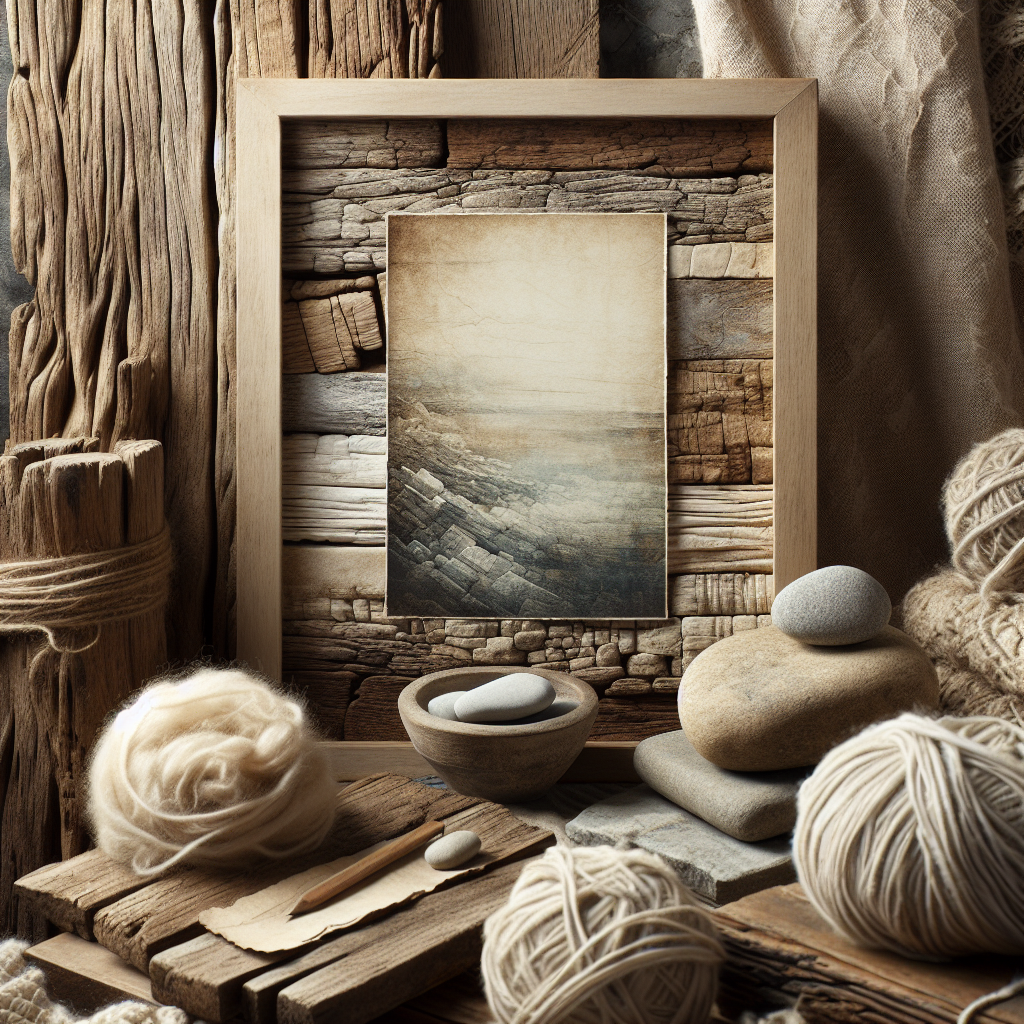
In a world where perfection is often pursued with relentless vigor, there’s something refreshingly genuine about embracing the imperfections found in natural materials. This trend is gaining traction in luxury design, where authenticity is becoming the new hallmark of sophistication. As we delve into the realm of high-end interiors, it’s fascinating to see how the unique characteristics of natural materials are being celebrated, rather than concealed, to create spaces that exude warmth, character, and a sense of timeless elegance.
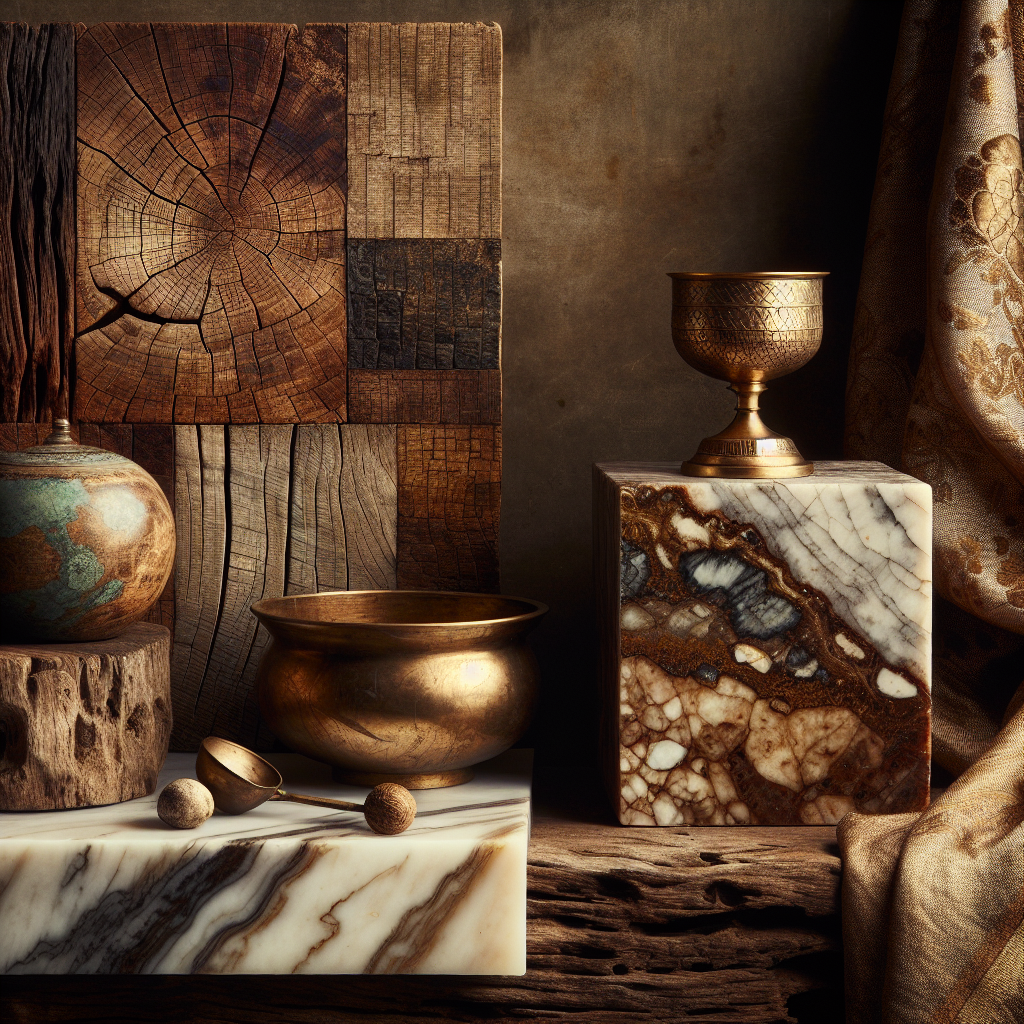
To begin with, let’s consider the allure of natural stone. Each slab of marble or granite tells a story, with its veins and patterns formed over millennia. These stones are like fingerprints, no two are exactly alike, and this inherent uniqueness is what makes them so desirable in luxury spaces. Designers are increasingly opting for these materials not just for their durability and beauty, but for the way they bring a piece of the earth’s history into our homes. The subtle variations and occasional imperfections in the stone are not seen as flaws, but as marks of authenticity that add depth and interest to a room.
Transitioning from stone to wood, we find a similar appreciation for the natural quirks that make each piece special. Whether it’s the knots in a rustic oak table or the rich grain patterns in a walnut floor, these features are celebrated for their ability to tell a story. Wood, with its warm tones and tactile appeal, has a way of grounding a space, making it feel inviting and lived-in. In luxury design, there’s a growing trend towards using reclaimed wood, which not only adds character but also speaks to a commitment to sustainability. The weathered textures and patinas of reclaimed wood bring a sense of history and authenticity that new materials simply can’t replicate.
Moreover, the use of natural textiles is another way designers are infusing authenticity into luxury spaces. Linen, wool, and cotton, with their organic textures and subtle imperfections, offer a tactile experience that synthetic fabrics often lack. These materials breathe life into a room, creating an atmosphere that is both luxurious and approachable. The slight variations in weave and color are embraced as part of their charm, adding layers of visual interest and comfort.
As we explore the integration of natural materials in luxury design, it’s important to note the role of craftsmanship. Skilled artisans who work with these materials understand the value of their imperfections and know how to highlight them in a way that enhances the overall aesthetic. This dedication to craftsmanship ensures that each piece is not only beautiful but also unique, further reinforcing the idea that true luxury lies in authenticity.
In conclusion, the shift towards embracing imperfections in natural materials is redefining what it means to create a luxury space. By celebrating the unique characteristics of stone, wood, and textiles, designers are crafting environments that are rich in character and warmth. This approach not only elevates the aesthetic appeal of a space but also fosters a deeper connection between the inhabitants and their surroundings. As we continue to seek authenticity in our lives, it’s clear that the luxury of embracing imperfections is here to stay, offering a refreshing perspective on what it means to live beautifully.
Embracing the Unique: The Luxury of One-of-a-Kind Natural Materials
In a world where mass production and uniformity often reign supreme, there’s something truly special about embracing the unique and imperfect beauty of natural materials. Whether it’s the subtle variations in the grain of a wooden table or the distinct veining in a slab of marble, these imperfections tell a story, adding character and depth to our living spaces. As we move towards a more mindful and sustainable lifestyle, the luxury of authenticity is becoming increasingly appealing, inviting us to appreciate the one-of-a-kind nature of these materials.
Imagine walking into a room where the floor is made of reclaimed wood, each plank bearing the marks of its previous life. The knots, cracks, and color variations are not flaws but rather a testament to the wood’s journey. This sense of history and individuality is something that cannot be replicated by synthetic materials. It’s like having a piece of art underfoot, a constant reminder of the beauty that lies in nature’s imperfections. Moreover, these unique characteristics can transform a space, making it feel warm, inviting, and truly personal.
Transitioning from wood to stone, consider the allure of a marble countertop. No two slabs are exactly alike, with each piece showcasing its own distinct pattern of veins and swirls. This natural artistry is what makes marble so coveted in interior design. While some might see the occasional fissure or color inconsistency as a drawback, others view these as the very essence of what makes marble so enchanting. It’s a celebration of nature’s unpredictability, a reminder that perfection is not always the goal.
Furthermore, embracing the imperfections in natural materials aligns beautifully with the growing trend of sustainability. By choosing materials that are sourced responsibly and used in their most natural form, we are not only reducing our environmental footprint but also supporting a more ethical approach to design. This shift towards sustainability is not just about the materials themselves but also about fostering a deeper connection with the world around us. When we choose to incorporate natural elements into our homes, we are inviting a piece of the earth into our daily lives, grounding us in a way that synthetic materials simply cannot.
In addition to their aesthetic and environmental benefits, natural materials also offer a tactile experience that is unmatched by their manufactured counterparts. The cool touch of stone, the warmth of wood, and the softness of natural fibers all contribute to a sensory experience that enhances our interaction with our surroundings. This tactile quality adds another layer of luxury, one that is felt rather than seen, and it enriches our everyday lives in subtle yet meaningful ways.
As we continue to seek authenticity in a world that often feels increasingly artificial, the imperfections found in natural materials offer a refreshing alternative. They remind us that beauty is not about uniformity but about embracing the unique qualities that make each piece special. By choosing to incorporate these materials into our homes, we are not only creating spaces that are visually stunning but also ones that resonate with our values and our desire for a more genuine connection with the world. In this way, the luxury of authenticity becomes not just a design choice but a lifestyle, one that celebrates the beauty of imperfection and the richness of nature’s artistry.
Sustainable Luxury: The Role of Imperfect Natural Materials in Eco-Friendly Design
In a world where perfection is often pursued relentlessly, there’s something refreshingly genuine about embracing the imperfections found in natural materials. This shift towards valuing authenticity over flawlessness is not only transforming the landscape of luxury design but also playing a significant role in promoting sustainability. As we become more conscious of our environmental footprint, the allure of materials that tell a story through their unique characteristics is becoming increasingly irresistible.
Imagine walking into a room where the wooden floorboards are not uniform but instead showcase a variety of grains and knots. Each plank has its own tale, perhaps of a tree that weathered storms or grew in a particularly sun-drenched spot. These natural imperfections are not defects but rather marks of authenticity that add character and warmth to a space. By choosing materials that celebrate their natural origins, designers and homeowners alike are making a statement that beauty is not synonymous with flawlessness.
Moreover, the use of imperfect natural materials aligns seamlessly with the principles of sustainable luxury. In the past, luxury often meant excess and waste, with an emphasis on acquiring the rarest and most pristine materials. However, the modern interpretation of luxury is evolving to prioritize sustainability and ethical sourcing. By embracing materials that might have been previously overlooked due to their imperfections, we are reducing waste and making more efficient use of the resources available to us.
Take, for example, the use of reclaimed wood in furniture design. Each piece of wood carries with it a history, perhaps as part of an old barn or a decommissioned ship. The dents, scratches, and color variations are not only aesthetically pleasing but also serve as a reminder of the material’s previous life. This approach not only conserves resources but also adds a layer of depth and narrative to the final product, making it truly one-of-a-kind.
Similarly, in the world of textiles, there is a growing appreciation for fabrics that showcase their natural origins. Organic cotton, linen, and wool often come with slight variations in texture and color, which are now being celebrated rather than corrected. These materials, when left in their natural state, offer a tactile experience that synthetic, uniform fabrics simply cannot replicate. The subtle differences in each piece of fabric contribute to a sense of individuality and authenticity, qualities that are increasingly sought after in the realm of luxury design.
Furthermore, the embrace of imperfections extends beyond aesthetics and into the realm of craftsmanship. Artisans who work with natural materials often find that these imperfections challenge them to innovate and adapt, leading to unique creations that could not be replicated by machines. This human touch adds an element of soul to the finished product, enhancing its value and appeal.
In conclusion, the luxury of authenticity is redefining what it means to create and enjoy beautiful spaces. By valuing the imperfections inherent in natural materials, we are not only fostering a deeper connection to the environment but also paving the way for a more sustainable approach to luxury design. As we continue to seek out materials that tell their own stories, we are reminded that true beauty lies in the unique and the imperfect, and that embracing these qualities can lead to a richer, more meaningful experience.
Conclusion
The Luxury of Authenticity: Embracing Imperfections in Natural Materials highlights a growing appreciation for the unique and genuine characteristics inherent in natural materials. In a world increasingly dominated by mass production and synthetic perfection, there is a renewed value placed on the individuality and authenticity that imperfections bring. These natural flaws tell a story, offering a connection to the origins and processes that shaped them. By embracing these imperfections, we not only celebrate the beauty of nature but also foster a deeper connection to the materials we use, promoting sustainability and mindful consumption. This shift towards authenticity reflects a broader cultural movement that values substance over superficiality, encouraging us to find beauty in the imperfect and the real.