Luxe Levels: Playing with Height in Interior Design
October 10, 2023
Textile Blocking: Color Theory with Fabrics in Luxury Design
October 24, 2023
-
Table of Contents
- Introduction
- Exploring The History Of Archways In Architectural Design
- The Aesthetic Appeal Of Curved Transitions In Contemporary Interiors
- How To Incorporate Archways Into Modern Home Renovations
- The Structural Benefits Of Using Archways In Open-Plan Spaces
- Innovative Materials And Techniques For Creating Modern Archways
- Conclusion
Introduction
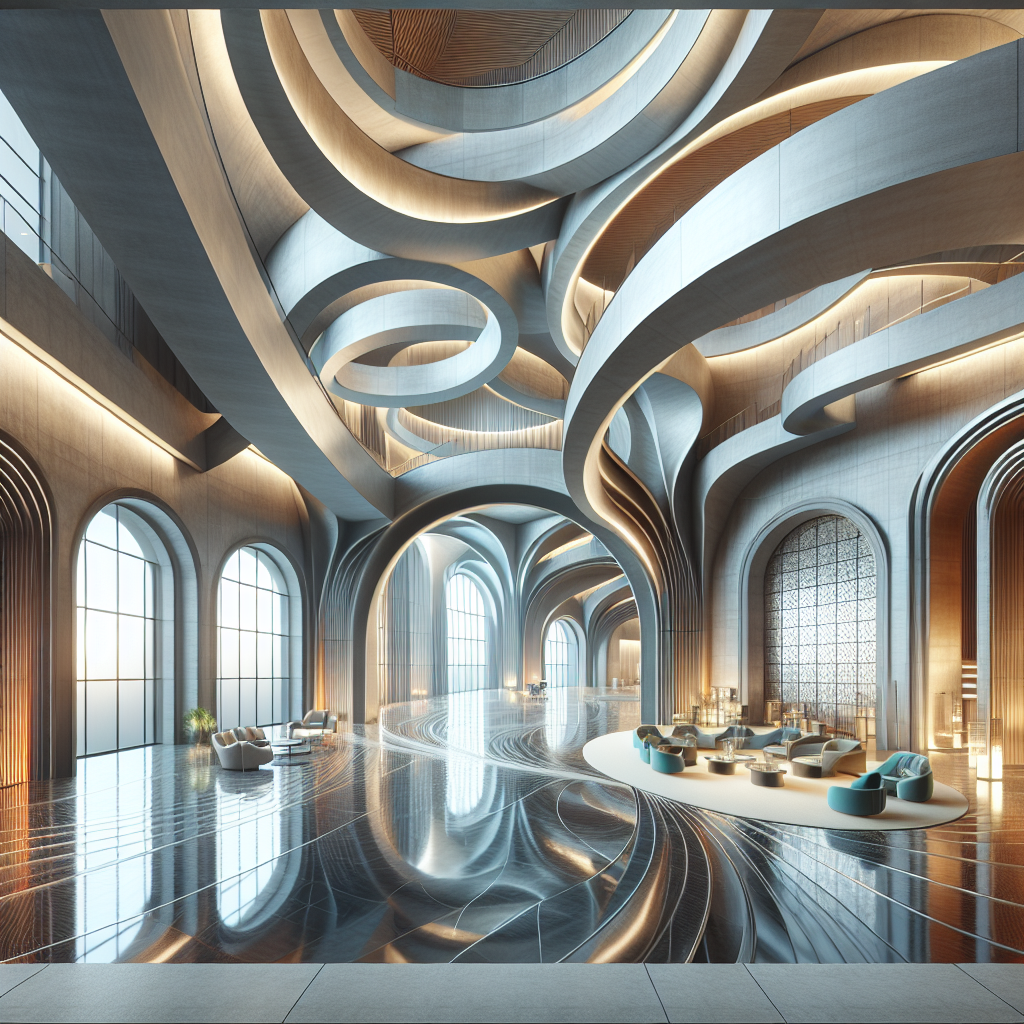
“The Art of the Archway: Curved Transitions in Modern Spaces” explores the resurgence and innovative application of archways in contemporary architecture and interior design. This design element, with its origins rooted in ancient architecture, has been reimagined to blend functionality with aesthetic appeal in modern spaces. The book delves into how archways create fluid transitions between rooms, enhance spatial dynamics, and introduce a sense of elegance and grandeur. By examining various case studies and design philosophies, it highlights the versatility of archways in both residential and commercial settings, showcasing their ability to harmonize with diverse styles while adding a timeless charm.
Exploring The History Of Archways In Architectural Design
The art of the archway has long been a captivating element in architectural design, seamlessly blending form and function while adding a touch of elegance to any space. To truly appreciate the role of archways in modern spaces, it’s essential to explore their rich history and evolution over the centuries. Archways have been a staple in architecture since ancient times, with their origins tracing back to the Mesopotamians and Egyptians. However, it was the Romans who truly mastered the art of the arch, using it to construct awe-inspiring structures like the Colosseum and aqueducts. The Roman arch was not only a feat of engineering but also a symbol of power and grandeur.
As we move through history, the Gothic period brought a new twist to the archway with the introduction of the pointed arch. This innovation allowed for taller and more intricate structures, such as the iconic cathedrals of Europe. The pointed arch not only provided structural benefits but also added a sense of verticality and lightness to the buildings, creating an ethereal atmosphere that continues to inspire awe today. Transitioning into the Renaissance, architects began to revisit the classical forms of the Roman arch, incorporating them into their designs with a renewed focus on symmetry and proportion. This period saw the archway become a central element in grand palaces and public buildings, symbolizing the harmony and balance that defined Renaissance architecture.
As we journey into the modern era, the use of archways has evolved yet again, adapting to contemporary tastes and technologies. Today, architects and designers are reimagining the archway, using it as a tool to create fluid transitions between spaces. In open-plan homes and commercial spaces, archways serve as subtle dividers, maintaining a sense of openness while providing a visual cue that distinguishes different areas. This modern interpretation of the archway often features clean lines and minimalist designs, reflecting the current trend towards simplicity and functionality.
Moreover, the resurgence of interest in sustainable architecture has led to innovative uses of archways in eco-friendly designs. By incorporating natural materials and energy-efficient technologies, architects are creating spaces that are not only beautiful but also environmentally conscious. The archway, with its inherent strength and versatility, plays a crucial role in these designs, offering both aesthetic appeal and practical benefits.
In addition to their functional uses, archways continue to captivate us with their timeless beauty. Whether it’s a grand entrance to a historic building or a simple curve in a modern home, archways have an undeniable charm that draws the eye and invites exploration. They serve as a reminder of the rich history of architectural design, while also pointing towards the future of innovative and sustainable spaces.
In conclusion, the art of the archway is a testament to the enduring appeal of curved transitions in architectural design. From ancient civilizations to modern spaces, archways have evolved to meet the changing needs and tastes of society, all while maintaining their status as a symbol of elegance and sophistication. As we continue to explore new possibilities in architecture, the archway remains a beloved element that bridges the past and the present, creating spaces that are both functional and inspiring.
The Aesthetic Appeal Of Curved Transitions In Contemporary Interiors
In recent years, the world of interior design has seen a resurgence of interest in curved transitions, particularly in the form of archways. These elegant structures, once a staple of classical architecture, are making a comeback in modern spaces, offering a unique blend of aesthetic appeal and functional design. The allure of archways lies in their ability to soften the rigid lines that often dominate contemporary interiors, creating a more inviting and harmonious environment.
One of the primary reasons for the growing popularity of curved transitions is their ability to add a sense of fluidity to a space. Unlike straight lines and sharp angles, which can sometimes feel harsh or unwelcoming, curves introduce a gentle flow that guides the eye naturally from one area to another. This seamless transition not only enhances the visual appeal of a room but also contributes to a more relaxed and comfortable atmosphere. As a result, homeowners and designers alike are increasingly incorporating archways into their projects to achieve a balance between modernity and warmth.
Moreover, archways serve as a versatile design element that can be adapted to suit a variety of styles and preferences. Whether used as a grand entrance to a living room or a subtle passageway between a kitchen and dining area, these curved structures can be tailored to complement any aesthetic. For instance, a minimalist space might feature a simple, understated archway that blends seamlessly with its surroundings, while a more eclectic interior could showcase a bold, ornate design that serves as a focal point. This adaptability makes archways an appealing choice for those looking to personalize their living spaces.
In addition to their aesthetic benefits, curved transitions also offer practical advantages. By creating a sense of separation between different areas of a home, archways can help to define spaces without the need for walls or doors. This open-concept approach not only maximizes natural light and airflow but also fosters a sense of connectivity and openness. In smaller homes or apartments, where space is at a premium, archways can be particularly useful in creating the illusion of a larger, more expansive environment.
Furthermore, the use of archways in contemporary interiors can also be seen as a nod to the past, paying homage to the architectural traditions that have shaped our built environment. By incorporating these timeless elements into modern designs, we are able to create spaces that are both innovative and rooted in history. This fusion of old and new is a testament to the enduring appeal of curved transitions and their ability to transcend trends and time periods.
As we continue to explore new ways to enhance our living spaces, it is clear that the art of the archway is here to stay. With their unique combination of beauty, functionality, and versatility, curved transitions offer a refreshing alternative to the straight lines and sharp angles that have long dominated contemporary interiors. By embracing the elegance and charm of archways, we can create spaces that are not only visually stunning but also warm, inviting, and truly reflective of our personal style. So, whether you’re renovating your home or simply looking to add a touch of sophistication to your space, consider the timeless appeal of the archway and the many possibilities it holds.
How To Incorporate Archways Into Modern Home Renovations
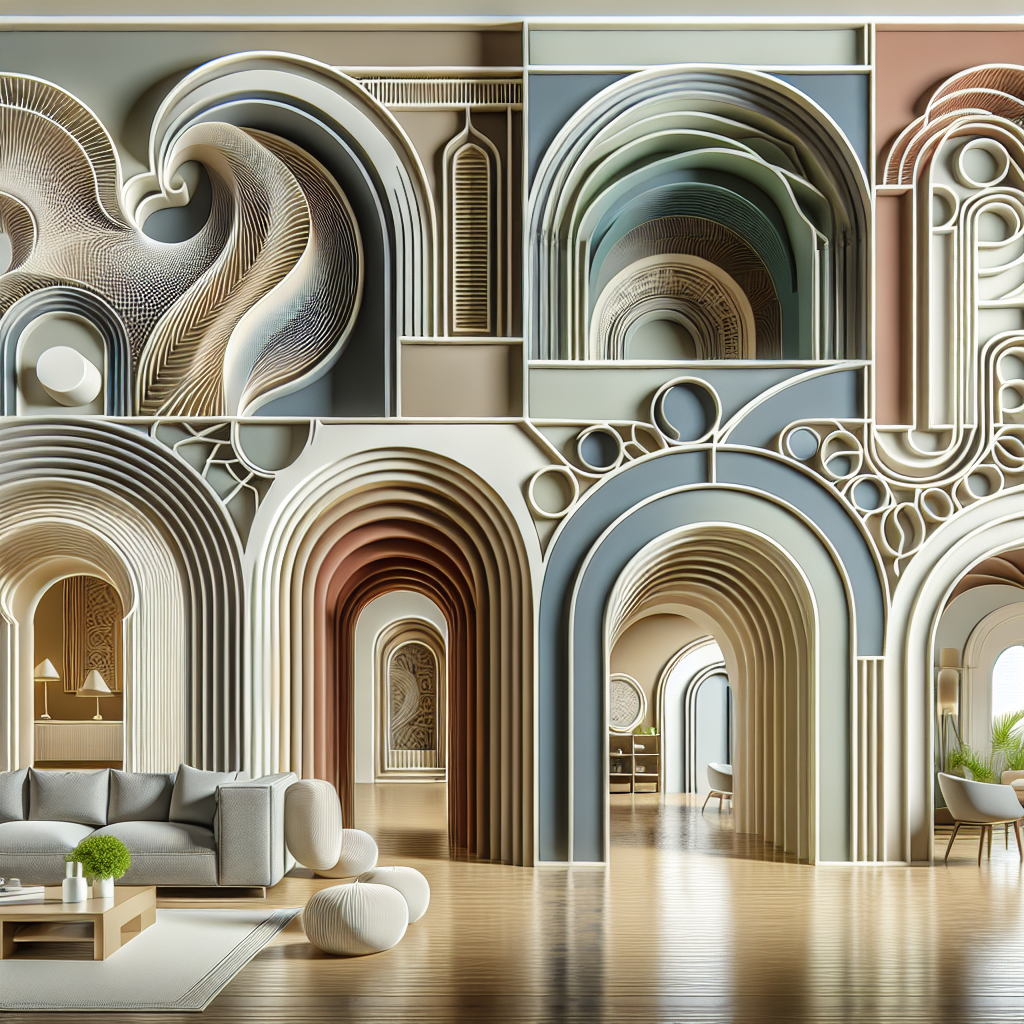
Incorporating archways into modern home renovations can be a delightful way to blend classic architectural elements with contemporary design. Archways, with their graceful curves, have a timeless appeal that can soften the rigid lines often found in modern spaces. If you’re considering adding archways to your home, there are several creative ways to do so while maintaining a modern aesthetic.
To begin with, it’s important to consider the overall style and layout of your home. Archways can serve as beautiful transitions between rooms, creating a sense of flow and openness. For instance, if you have an open-plan living area, an archway can subtly delineate spaces without the need for walls or doors. This not only maintains the open feel but also adds a touch of elegance and sophistication. When choosing the location for your archway, think about areas where you want to create a visual connection between spaces, such as between the kitchen and dining room or the living room and hallway.
Next, consider the design of the archway itself. While traditional archways often feature ornate details, modern interpretations tend to be more streamlined and minimalist. Opt for clean lines and simple curves that complement the existing architecture of your home. You might choose a wide, shallow arch for a subtle effect or a more pronounced curve for a bolder statement. The key is to ensure that the archway feels like a natural extension of your space rather than an afterthought.
Material choice is another crucial aspect of incorporating archways into modern renovations. While wood and plaster are classic options, consider using materials like metal or glass for a contemporary twist. A metal archway can add an industrial edge, while a glass archway can create a sense of transparency and lightness. Additionally, you can play with color and texture to further enhance the modern feel. A monochromatic palette can create a sleek look, while contrasting colors can make the archway a focal point.
Lighting is another element that can enhance the impact of an archway. Consider installing recessed lighting along the curve of the arch to highlight its shape and add a warm glow to the space. Alternatively, pendant lights or wall sconces can be used to draw attention to the archway and create a cozy ambiance. The right lighting can transform an archway from a simple architectural feature into a stunning design element.
Finally, don’t forget about the practical aspects of incorporating archways into your home. Consider the height and width of the archway to ensure it fits comfortably within your space and allows for easy movement between rooms. It’s also important to think about how the archway will affect the acoustics and privacy of your home. While archways can enhance the flow of a space, they can also allow sound to travel more easily, so consider adding soft furnishings or acoustic panels if needed.
In conclusion, archways can be a beautiful addition to modern home renovations, offering a unique blend of classic charm and contemporary style. By carefully considering the design, materials, lighting, and practical aspects, you can create archways that enhance the beauty and functionality of your home. Whether you’re looking to make a bold statement or simply add a touch of elegance, archways offer endless possibilities for transforming your space.
The Structural Benefits Of Using Archways In Open-Plan Spaces
When you walk into a modern open-plan space, there’s a good chance you’ll encounter an archway or two. These elegant curves are more than just a nod to classical architecture; they offer a range of structural benefits that make them a smart choice for contemporary design. While open-plan spaces are all about creating a sense of flow and connectivity, archways can enhance these qualities while adding a touch of sophistication.
First and foremost, archways are incredibly strong. The curved design naturally distributes weight, allowing for greater load-bearing capacity compared to traditional straight beams. This means that in an open-plan space, where large spans are often required, archways can provide the necessary support without the need for bulky columns or intrusive supports. This structural efficiency not only maximizes the usable space but also maintains the open, airy feel that is so desirable in modern interiors.
Moreover, archways can help delineate different areas within an open-plan layout without the need for walls. This is particularly useful in spaces like lofts or large living areas where you want to maintain a sense of openness but still define distinct zones for dining, lounging, or working. The gentle curve of an archway provides a visual cue that subtly separates spaces while still allowing for a seamless transition from one area to another. This can be especially beneficial in homes where the kitchen, dining, and living areas are combined into one large space.
In addition to their structural and spatial benefits, archways also contribute to the acoustics of a room. The curved surfaces can help diffuse sound, reducing echoes and creating a more pleasant auditory environment. This is particularly important in open-plan spaces, where noise can easily travel and become overwhelming. By incorporating archways, you can enjoy the benefits of an open layout without sacrificing acoustic comfort.
Furthermore, archways can introduce an element of softness and elegance to a space. The gentle curve of an archway contrasts beautifully with the straight lines and sharp angles that are often prevalent in modern design. This can create a more inviting and harmonious atmosphere, making the space feel more balanced and cohesive. Whether you opt for a traditional rounded arch or a more contemporary elliptical design, the addition of an archway can elevate the aesthetic of your home.
Of course, the benefits of archways aren’t limited to their structural and aesthetic qualities. They also offer practical advantages, such as increased natural light. By eliminating the need for solid walls, archways allow light to flow freely throughout the space, creating a brighter and more welcoming environment. This can be particularly advantageous in homes with limited windows or in urban settings where natural light is at a premium.
In conclusion, the art of the archway is a timeless design choice that offers a multitude of benefits for modern open-plan spaces. From their structural strength and spatial efficiency to their acoustic advantages and aesthetic appeal, archways are a versatile and valuable addition to any home. So, the next time you’re considering a renovation or redesign, why not embrace the elegance of the archway and enjoy the many benefits it has to offer?
Innovative Materials And Techniques For Creating Modern Archways
In recent years, the art of the archway has experienced a renaissance, with architects and designers embracing curved transitions to add a touch of elegance and fluidity to modern spaces. This resurgence is not just about aesthetics; it’s also about the innovative materials and techniques that make these graceful structures possible. As we explore the world of modern archways, it’s fascinating to see how traditional concepts are being reimagined with contemporary flair.
To begin with, the choice of materials plays a crucial role in the creation of modern archways. Gone are the days when stone and brick were the only options. Today, designers have a plethora of materials at their disposal, each offering unique benefits. For instance, lightweight materials like fiberglass and aluminum allow for more daring and intricate designs, as they can be molded into almost any shape without compromising structural integrity. These materials also offer the added advantage of being more sustainable, aligning with the growing trend towards eco-friendly construction practices.
Moreover, the use of advanced composites has opened up new possibilities in archway design. These composites, often made from a combination of materials like carbon fiber and resin, provide exceptional strength while remaining surprisingly light. This allows for the creation of larger and more dramatic archways that can span greater distances without the need for additional support. As a result, spaces can be designed with a more open and airy feel, enhancing the overall ambiance.
Transitioning from materials to techniques, it’s clear that technology has played a pivotal role in the evolution of modern archways. Computer-aided design (CAD) software has revolutionized the way architects and designers approach their work, enabling them to experiment with complex curves and forms that would have been nearly impossible to achieve by hand. This technology allows for precise calculations and simulations, ensuring that each archway is not only visually stunning but also structurally sound.
In addition to CAD, 3D printing has emerged as a game-changer in the construction of archways. This technique allows for the creation of intricate and customized designs with remarkable accuracy. By printing components layer by layer, designers can achieve a level of detail that was previously unattainable. Furthermore, 3D printing reduces waste and speeds up the construction process, making it an attractive option for those looking to incorporate archways into their projects efficiently.
As we delve deeper into the world of modern archways, it’s important to consider the role of craftsmanship. While technology and materials are essential, the human touch remains invaluable. Skilled artisans bring a level of artistry and attention to detail that machines simply cannot replicate. Their expertise ensures that each archway is not only a structural element but also a work of art that enhances the space it inhabits.
In conclusion, the art of the archway is a testament to the harmonious blend of tradition and innovation. By embracing new materials and techniques, designers are able to push the boundaries of what is possible, creating spaces that are both functional and beautiful. As we continue to explore the potential of curved transitions in modern spaces, it’s exciting to imagine the new heights that this timeless architectural feature will reach. Whether in a grand public building or a cozy home, the modern archway stands as a symbol of creativity and progress, inviting us to step through and discover what lies beyond.
Conclusion
“The Art of the Archway: Curved Transitions in Modern Spaces” explores the resurgence and innovative application of archways in contemporary architecture and interior design. By blending traditional elegance with modern aesthetics, archways serve as both functional and artistic elements that enhance spatial flow and visual interest. The use of curves softens rigid lines, creating a sense of continuity and openness while also providing structural integrity. This design approach not only pays homage to historical architectural practices but also redefines them for modern living, offering versatile solutions that accommodate both aesthetic desires and practical needs. Ultimately, the integration of archways in modern spaces exemplifies a harmonious balance between form and function, enriching environments with timeless beauty and dynamic spatial experiences.