The Luxury of Versatility: Modular Furniture for Flexible Living
December 28, 2021
The New Glamour: Updated Hollywood Regency for Modern Luxury
January 11, 2022
-
Table of Contents
- Introduction
- Exploring the Elegance: How Natural Materials Elevate High-End Furniture Design
- Sustainable Luxury: The Role of Opulent Organics in Modern Interiors
- Craftsmanship and Nature: The Fusion of Artistry and Organic Materials in Furniture
- Timeless Beauty: The Enduring Appeal of Natural Materials in Luxury Furniture
- From Forest to Furniture: The Journey of Organic Materials in High-End Design
- Conclusion
Introduction
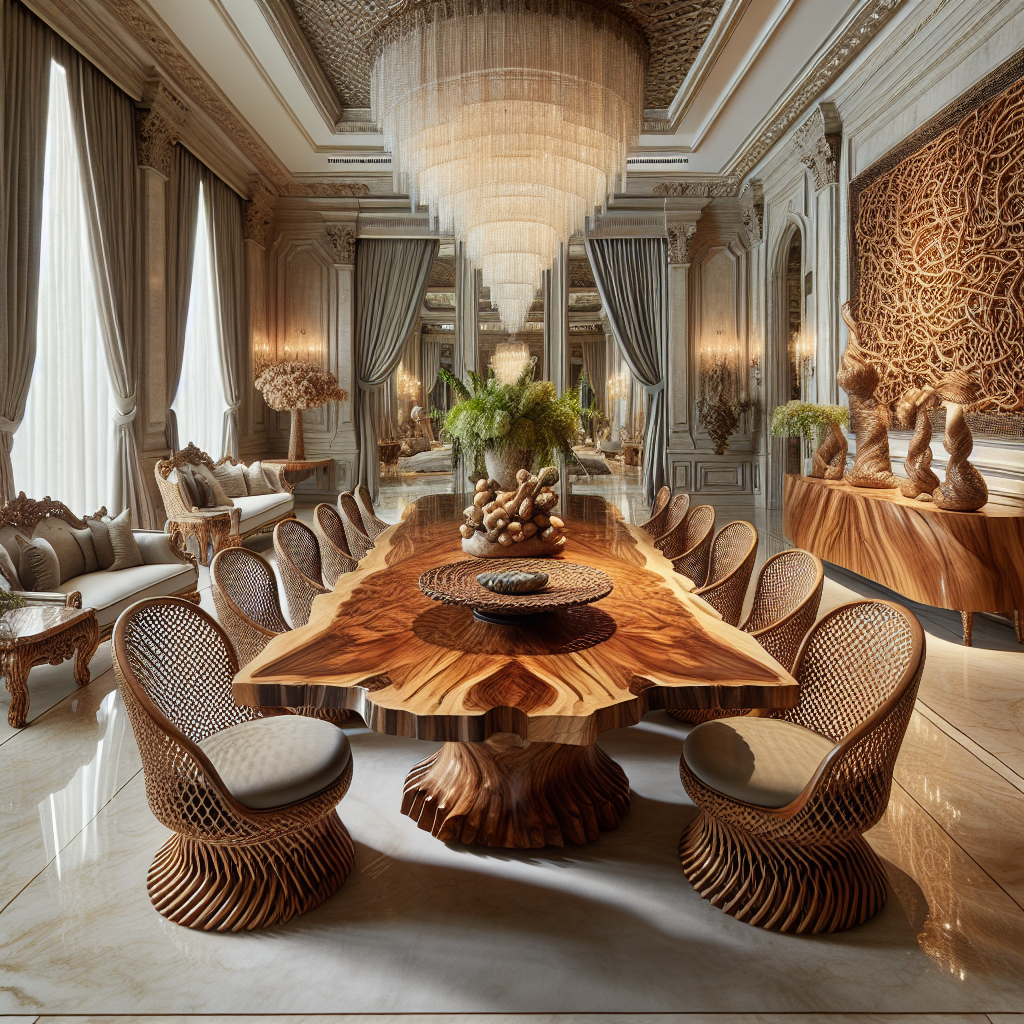
Opulent Organics: Natural Materials in High-End Furniture Design explores the intersection of luxury and sustainability in contemporary interior aesthetics. This innovative approach to furniture design emphasizes the use of organic materials, such as reclaimed wood, natural stone, and eco-friendly textiles, to create pieces that are not only visually stunning but also environmentally responsible. By integrating these natural elements, designers craft unique, high-end furnishings that resonate with the growing consumer demand for sustainable luxury. The movement champions the beauty of imperfection found in nature, celebrating the textures, colors, and forms that only organic materials can offer. Opulent Organics represents a shift towards mindful consumption, where elegance and ecological consciousness coexist, redefining the standards of luxury in the modern home.
Exploring the Elegance: How Natural Materials Elevate High-End Furniture Design
In the world of high-end furniture design, there’s a growing trend that marries luxury with nature, creating pieces that are not only visually stunning but also environmentally conscious. This trend, known as opulent organics, is all about using natural materials to elevate the elegance of furniture design. As we explore this fascinating intersection of nature and luxury, it becomes clear that these materials bring a unique charm and sophistication to any space.
To begin with, natural materials such as wood, stone, and leather have long been staples in furniture design. However, in recent years, designers have been pushing the boundaries, experimenting with these materials in innovative ways. For instance, the use of reclaimed wood has become increasingly popular. Not only does it add a rustic charm to furniture, but it also tells a story, giving each piece a unique history and character. This approach not only appeals to the eco-conscious consumer but also adds a layer of depth and authenticity to the design.
Moreover, the tactile quality of natural materials cannot be overstated. There’s something inherently comforting about the feel of smooth marble or the warmth of polished wood. These materials engage the senses in a way that synthetic materials simply cannot. This sensory experience is a key factor in the appeal of opulent organics. When you run your hand over a beautifully crafted wooden table or sink into a leather armchair, you’re not just interacting with a piece of furniture; you’re connecting with nature itself.
In addition to their tactile appeal, natural materials also offer a timeless aesthetic. Unlike trends that come and go, the beauty of materials like stone and wood is enduring. They have a classic elegance that transcends fleeting fashions, making them a wise investment for those looking to create a sophisticated and lasting interior. Furthermore, the natural variations in these materials mean that no two pieces are exactly alike, adding an element of exclusivity to high-end furniture.
Transitioning from aesthetics to sustainability, it’s important to note that the use of natural materials in furniture design is not just about looks. It’s also about making environmentally responsible choices. Many designers are now prioritizing sustainable sourcing and production methods, ensuring that their creations have a minimal impact on the planet. This commitment to sustainability is becoming increasingly important to consumers, who are more aware than ever of the environmental implications of their purchases.
As we delve deeper into the world of opulent organics, it’s clear that this trend is about more than just furniture. It’s about creating spaces that reflect a harmonious relationship with nature. By incorporating natural materials into their designs, furniture makers are crafting pieces that not only enhance the beauty of a room but also promote a sense of well-being and connection to the natural world.
In conclusion, the use of natural materials in high-end furniture design is a testament to the enduring appeal of nature’s beauty. Through innovative design and sustainable practices, opulent organics are redefining luxury, offering pieces that are as elegant as they are environmentally friendly. As this trend continues to grow, it promises to bring a touch of nature’s splendor into our homes, creating spaces that are both luxurious and life-affirming.
Sustainable Luxury: The Role of Opulent Organics in Modern Interiors
In recent years, the world of interior design has seen a significant shift towards sustainability, with a growing emphasis on using natural materials in high-end furniture. This trend, often referred to as “opulent organics,” is redefining what it means to create luxurious spaces. As more people become conscious of their environmental footprint, the demand for sustainable luxury has skyrocketed, leading designers to explore the beauty and versatility of organic materials. This movement is not just about aesthetics; it’s about creating a harmonious balance between elegance and eco-friendliness.
One of the most appealing aspects of using natural materials in furniture design is their inherent uniqueness. Each piece of wood, stone, or fabric tells its own story, with distinct textures and patterns that cannot be replicated. This individuality adds a layer of sophistication to any interior, making each piece a conversation starter. Moreover, natural materials age gracefully, developing a patina over time that enhances their character and charm. This aging process is something synthetic materials simply cannot replicate, making organic options a timeless choice for those seeking enduring elegance.
Transitioning from traditional materials to more sustainable options doesn’t mean sacrificing quality or style. In fact, many designers argue that natural materials offer superior durability and comfort. For instance, hardwoods like oak and walnut are not only robust but also exude a warmth that instantly elevates a room’s ambiance. Similarly, natural fabrics such as linen and cotton provide a soft, breathable alternative to synthetic textiles, ensuring comfort without compromising on luxury. These materials are not only kinder to the environment but also to the people who use them, offering a healthier living space free from harmful chemicals.
Furthermore, the use of opulent organics in furniture design aligns perfectly with the growing trend of biophilic design, which seeks to connect interiors with the natural world. By incorporating elements like live-edge tables, stone countertops, and woven textiles, designers can create spaces that evoke a sense of tranquility and well-being. This connection to nature is not only visually appealing but also has been shown to reduce stress and improve overall mental health. As such, the integration of natural materials in high-end furniture is as much about enhancing the quality of life as it is about aesthetics.
In addition to their aesthetic and health benefits, natural materials also support sustainable practices. Many of these materials are sourced responsibly, with an emphasis on reducing waste and minimizing environmental impact. For example, reclaimed wood and recycled metals are increasingly popular choices for those looking to furnish their homes with a clear conscience. By choosing furniture made from sustainable materials, consumers can contribute to a more eco-friendly future while still enjoying the luxury and sophistication they desire.
As the demand for sustainable luxury continues to grow, it’s clear that opulent organics are here to stay. This trend represents a shift in how we perceive luxury, moving away from the opulence of excess towards a more mindful and intentional approach. By embracing natural materials, designers and consumers alike are paving the way for a new era of interior design—one that celebrates the beauty of the natural world while prioritizing sustainability. In doing so, they are not only creating stunning spaces but also making a positive impact on the planet, proving that luxury and sustainability can indeed go hand in hand.
Craftsmanship and Nature: The Fusion of Artistry and Organic Materials in Furniture
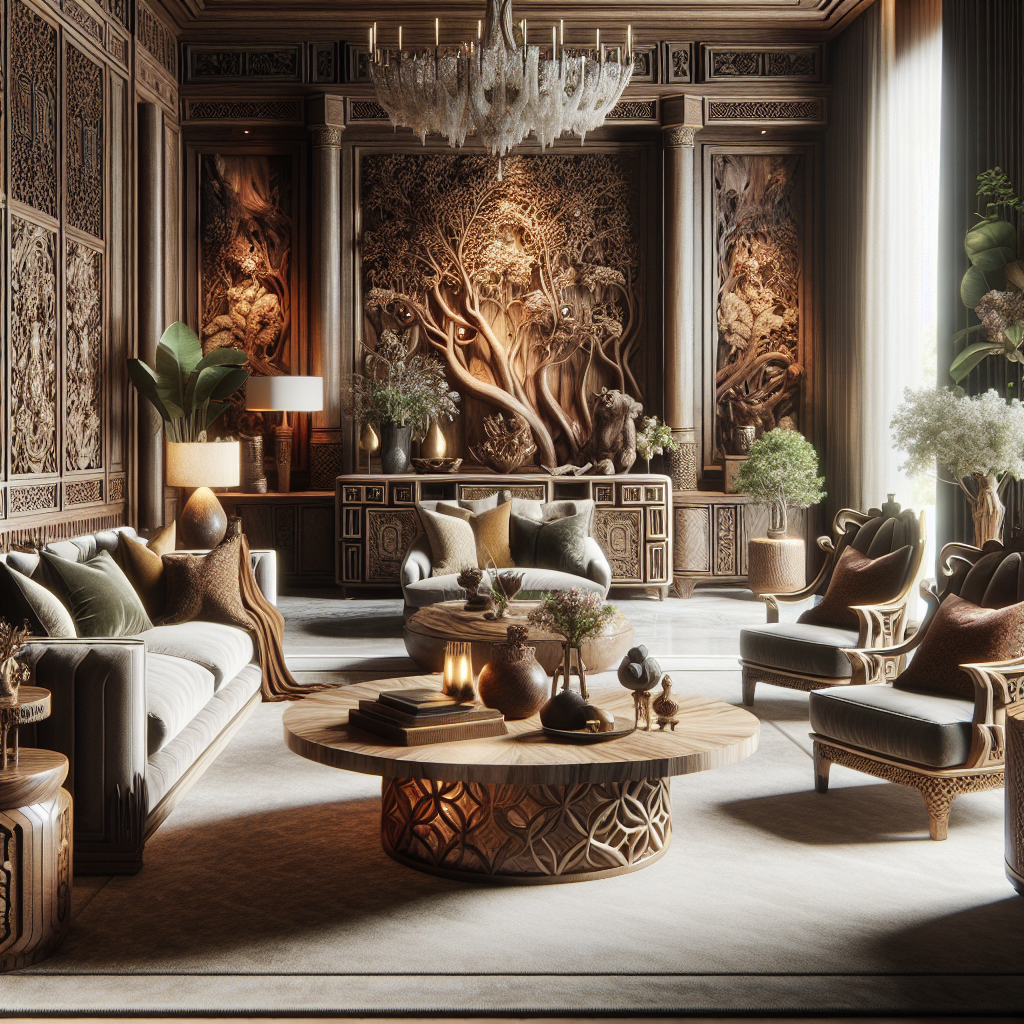
In recent years, the world of high-end furniture design has seen a remarkable shift towards the use of natural materials, a trend that beautifully marries craftsmanship with the organic world. This movement, often referred to as “Opulent Organics,” is not just about aesthetics; it’s about creating pieces that tell a story, evoke emotion, and connect us to nature in our everyday lives. As we delve into this fascinating fusion of artistry and organic materials, it becomes clear that this trend is more than just a passing fad—it’s a celebration of the earth’s bounty and the skilled hands that transform it into functional art.
To begin with, the allure of natural materials lies in their inherent beauty and uniqueness. Each piece of wood, stone, or fabric carries its own history, marked by the passage of time and the elements. This individuality is something that synthetic materials simply cannot replicate. When a craftsman selects a slab of walnut or a piece of marble, they are choosing a canvas that already has a story to tell. The knots in the wood or the veins in the stone become integral parts of the design, adding character and depth to the final piece. This connection to nature is something that resonates deeply with consumers who are increasingly seeking authenticity in their homes.
Moreover, the use of organic materials in furniture design is a testament to the skill and creativity of the artisans who work with them. Crafting a piece of furniture from natural materials requires a deep understanding of the material’s properties and potential. It is a dance between the designer’s vision and the material’s natural tendencies. For instance, a skilled woodworker knows how to coax the best out of a piece of timber, highlighting its grain and working with its natural curves. This level of craftsmanship elevates the furniture from mere functional objects to works of art that can be cherished for generations.
In addition to their aesthetic appeal, natural materials offer practical benefits that enhance the functionality of high-end furniture. Wood, for example, is not only durable but also ages gracefully, developing a patina that adds to its charm over time. Stone surfaces, such as marble or granite, are not only stunning but also incredibly resilient, making them ideal for tabletops and countertops. These materials are not just beautiful; they are built to last, aligning perfectly with the growing consumer demand for sustainability and longevity in the products they purchase.
Furthermore, the integration of organic materials into furniture design often leads to innovative and unexpected combinations. Designers are increasingly experimenting with blending different materials to create pieces that are both visually striking and functional. For example, the juxtaposition of a sleek metal frame with a rustic wooden seat can create a stunning contrast that highlights the best qualities of both materials. This kind of experimentation pushes the boundaries of traditional design and results in furniture that is as unique as it is beautiful.
As we continue to embrace the Opulent Organics trend, it is clear that the fusion of craftsmanship and natural materials in high-end furniture design is here to stay. This movement not only celebrates the beauty and diversity of the natural world but also honors the skill and artistry of the craftsmen who bring these materials to life. In doing so, it creates a harmonious blend of nature and design that enriches our living spaces and connects us to the world around us in meaningful ways.
Timeless Beauty: The Enduring Appeal of Natural Materials in Luxury Furniture
In the world of luxury furniture, there’s a growing trend that marries elegance with sustainability: the use of natural materials. This movement, often referred to as “opulent organics,” is capturing the hearts of designers and homeowners alike. It’s not just about aesthetics; it’s about creating pieces that tell a story, evoke emotion, and stand the test of time. As we delve into the timeless beauty of natural materials in high-end furniture design, it’s easy to see why this approach is gaining such widespread appeal.
To begin with, natural materials like wood, stone, and leather have an inherent charm that synthetic materials often lack. There’s something about the grain of a well-crafted wooden table or the cool touch of a marble countertop that speaks to our senses. These materials have been used for centuries, and their enduring popularity is a testament to their versatility and appeal. Moreover, each piece of wood or stone is unique, offering a one-of-a-kind look that mass-produced items simply can’t replicate. This uniqueness is a key factor in the allure of natural materials; they bring a sense of individuality and character to any space.
Furthermore, the use of natural materials in luxury furniture design is not just about aesthetics; it’s also about sustainability. In an era where environmental consciousness is more important than ever, many designers are turning to sustainable sourcing practices. This means using materials that are responsibly harvested and processed, ensuring that the beauty of nature is preserved for future generations. By choosing furniture made from natural materials, consumers are making a statement about their values and their commitment to the environment. It’s a choice that reflects a desire for quality over quantity, for pieces that will last a lifetime rather than end up in a landfill.
In addition to their aesthetic and environmental benefits, natural materials also offer practical advantages. For instance, wood is incredibly durable and can be easily repaired or refinished, making it a smart investment for those looking to furnish their homes with pieces that will endure. Stone, too, is known for its strength and resilience, able to withstand the wear and tear of daily life while maintaining its beauty. Leather, when properly cared for, can develop a rich patina over time, adding to its appeal. These materials not only look good but also perform well, making them ideal for high-end furniture design.
As we explore the world of opulent organics, it’s clear that the use of natural materials in luxury furniture design is more than just a trend; it’s a return to the roots of craftsmanship. It’s about celebrating the beauty of the natural world and incorporating it into our living spaces in a way that is both elegant and sustainable. Whether it’s a handcrafted wooden chair, a sleek stone coffee table, or a sumptuous leather sofa, these pieces bring a touch of nature into our homes, creating environments that are both beautiful and meaningful. In a fast-paced world, there’s something incredibly comforting about surrounding ourselves with materials that have stood the test of time, reminding us of the enduring beauty of the natural world.
From Forest to Furniture: The Journey of Organic Materials in High-End Design
In the world of high-end furniture design, there’s a growing trend that marries luxury with sustainability, and it’s all about using organic materials. This movement, often referred to as “Opulent Organics,” is transforming the way we think about furniture, blending the natural beauty of the earth with the sophistication of modern design. As we explore this fascinating journey from forest to furniture, it’s clear that these organic materials are not just a fleeting trend but a lasting shift in the industry.
The journey begins in the forest, where the raw materials are sourced. Wood, of course, is a staple in furniture design, but in the realm of opulent organics, it’s not just any wood that makes the cut. Designers are increasingly turning to sustainably sourced timber, ensuring that the forests are managed responsibly and that the environmental impact is minimized. This commitment to sustainability is not only good for the planet but also adds a layer of authenticity and story to each piece of furniture.
As the wood is harvested, it undergoes a transformation. Skilled artisans work meticulously to preserve its natural beauty while enhancing its unique characteristics. The grain patterns, knots, and textures are celebrated rather than hidden, allowing each piece to tell its own story. This attention to detail is what sets high-end organic furniture apart from mass-produced items. It’s about honoring the material and letting its natural elegance shine through.
But wood is just the beginning. The world of opulent organics also embraces other natural materials like stone, leather, and textiles. Marble and granite, for instance, are being used to create stunning tabletops and accents. These stones, with their rich veining and colors, add a touch of luxury and permanence to any space. Similarly, leather, when sourced ethically, offers a timeless appeal that only improves with age. Designers are also experimenting with organic textiles like cotton, linen, and wool, which provide comfort and warmth while maintaining a commitment to sustainability.
As these materials come together, the design process becomes a dance between nature and creativity. Designers are challenged to think outside the box, to innovate while respecting the inherent qualities of the materials. This often results in furniture that is not only beautiful but also functional and durable. The organic nature of the materials means that each piece is unique, with its own quirks and character, much like a work of art.
The final step in this journey is bringing these pieces into our homes. High-end organic furniture has a way of transforming a space, infusing it with a sense of calm and connection to nature. It’s about more than just aesthetics; it’s about creating an environment that reflects our values and our desire for a more sustainable future. As consumers become more conscious of their choices, the demand for opulent organics continues to grow.
In conclusion, the journey of organic materials from forest to furniture is a testament to the power of nature and design working in harmony. It’s a movement that celebrates the beauty of the natural world while pushing the boundaries of luxury and sustainability. As we embrace this trend, we’re not just investing in furniture; we’re investing in a better future for our planet. So, the next time you admire a beautifully crafted piece of furniture, take a moment to appreciate the journey it has taken and the story it tells.
Conclusion
Opulent Organics: Natural Materials in High-End Furniture Design highlights the growing trend of incorporating sustainable and luxurious natural materials into the creation of high-end furniture. This approach not only emphasizes environmental responsibility but also enhances the aesthetic and tactile qualities of furniture pieces. By utilizing materials such as reclaimed wood, natural stone, and organic textiles, designers are able to craft unique, timeless pieces that appeal to discerning consumers seeking both elegance and sustainability. The integration of these materials reflects a broader movement towards eco-conscious luxury, where the beauty of nature is celebrated and preserved within the realm of interior design.