Wellness at Home: Luxury Furniture for Health and Well-being
December 14, 2021
The Luxury of Versatility: Modular Furniture for Flexible Living
December 28, 2021
-
Table of Contents
- Introduction
- Exploring Mid-Century Design Elements in Modern Luxury Homes
- The Role of Iconic Mid-Century Furniture in Contemporary Interiors
- How Mid-Century Architecture Shapes Today’s Luxury Real Estate
- Color Palettes and Textures: Mid-Century Inspirations in Modern Decor
- The Fusion of Mid-Century Art and Modern Luxury Spaces
- Conclusion
Introduction
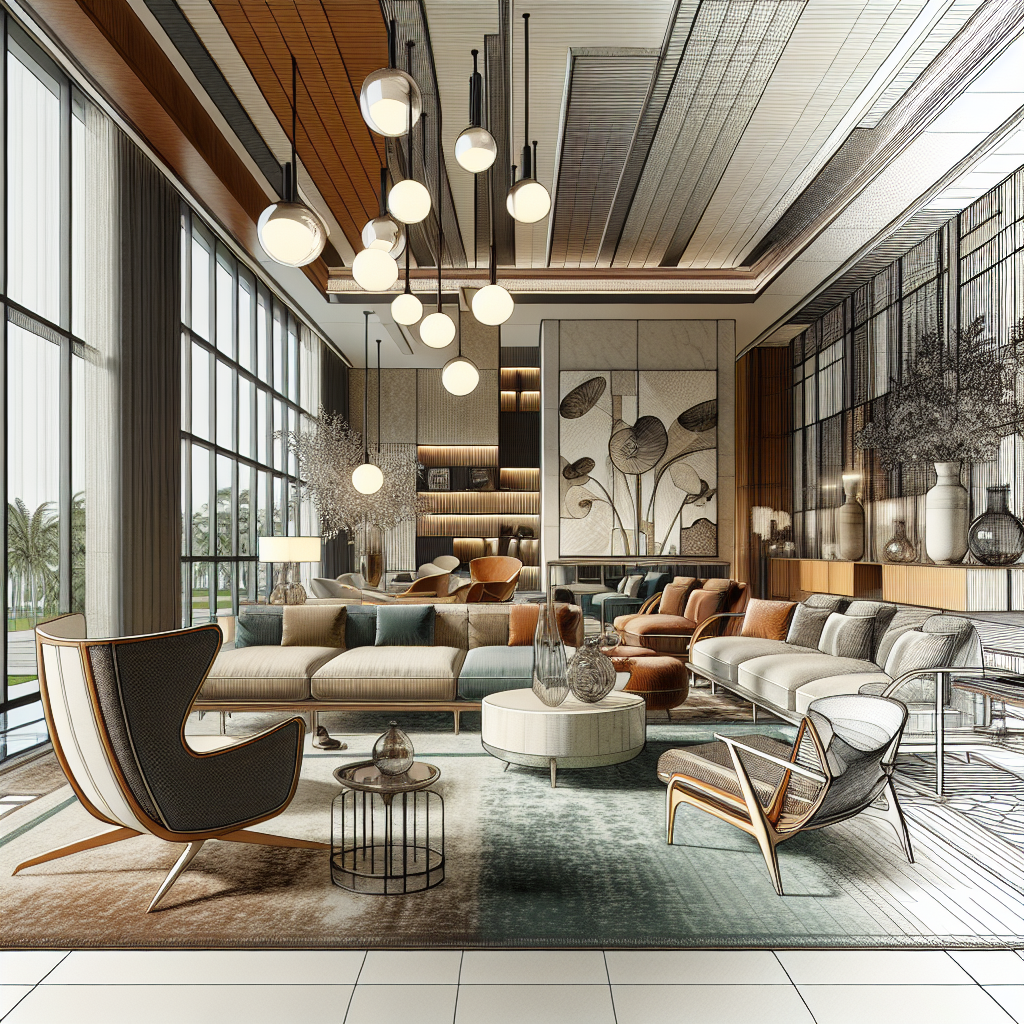
“Modernist Revival: Mid-Century Influences in Contemporary Luxury” explores the resurgence of mid-20th-century design principles in today’s high-end interiors and architecture. This movement, characterized by its clean lines, functional forms, and integration with nature, has found new life in the 21st century as designers and homeowners seek to blend the timeless elegance of mid-century aesthetics with modern luxury. By embracing the simplicity and innovation of the past, contemporary design is reimagining spaces that are both sophisticated and comfortable, creating environments that honor tradition while embracing the future. This revival not only pays homage to iconic designers like Eames and Saarinen but also adapts their visionary ideas to meet the demands of modern living, resulting in spaces that are as practical as they are beautiful.
Exploring Mid-Century Design Elements in Modern Luxury Homes
In recent years, there’s been a noticeable resurgence of mid-century design elements in the realm of contemporary luxury homes. This modernist revival is not just a nostalgic nod to the past but a celebration of timeless aesthetics that continue to captivate homeowners and designers alike. As we explore this trend, it’s fascinating to see how these classic elements are being seamlessly integrated into modern living spaces, creating environments that are both stylish and functional.
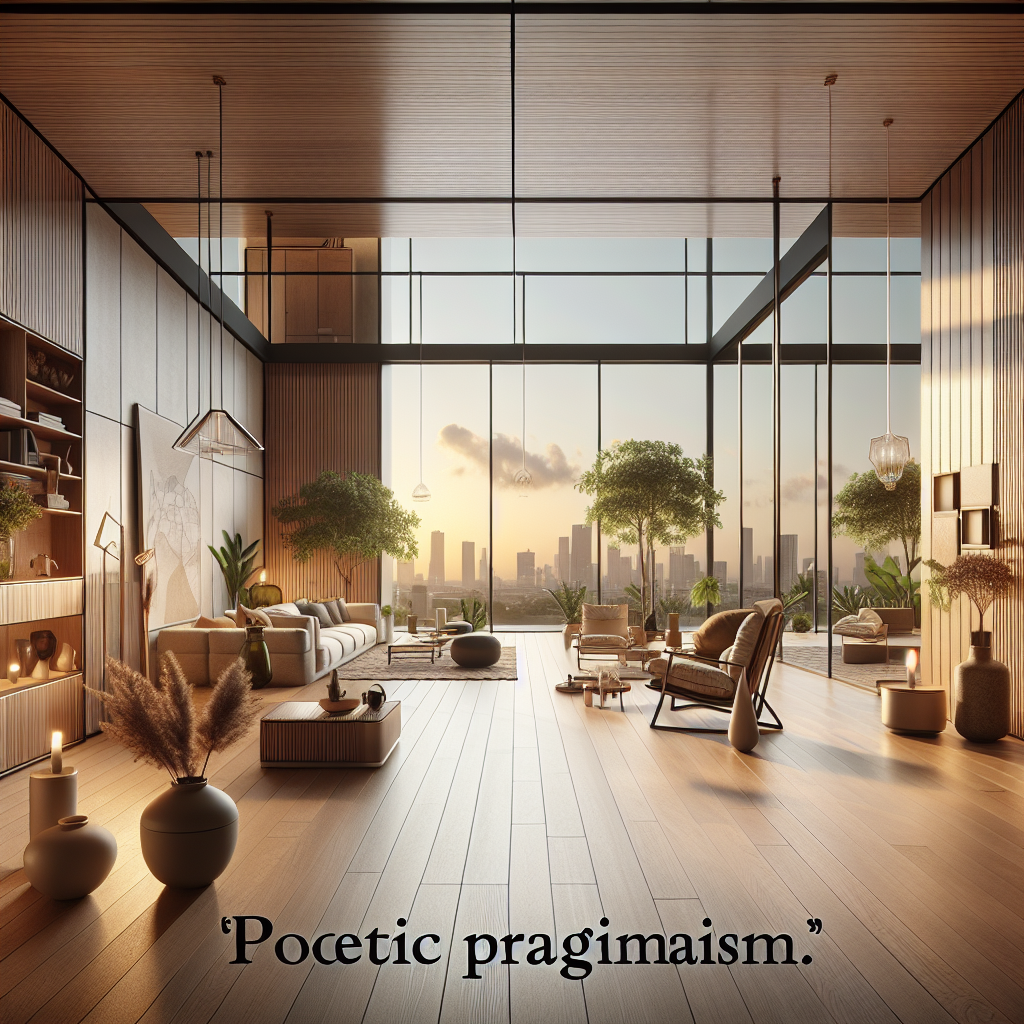
One of the most striking features of mid-century design is its emphasis on simplicity and clean lines. This minimalist approach is particularly appealing in today’s fast-paced world, where clutter-free spaces can provide a sense of calm and order. In luxury homes, this translates to open floor plans and expansive windows that invite natural light to flood the interiors. The result is a harmonious blend of indoor and outdoor living, where nature becomes an integral part of the home environment.
Moreover, the use of natural materials is another hallmark of mid-century design that has found its way into contemporary luxury homes. Wood, stone, and leather are often used to add warmth and texture, creating a cozy yet sophisticated atmosphere. These materials not only enhance the aesthetic appeal but also contribute to the sustainability of the home, a factor that is increasingly important to modern homeowners. By choosing materials that are both beautiful and eco-friendly, designers are able to create spaces that are as kind to the planet as they are to the eye.
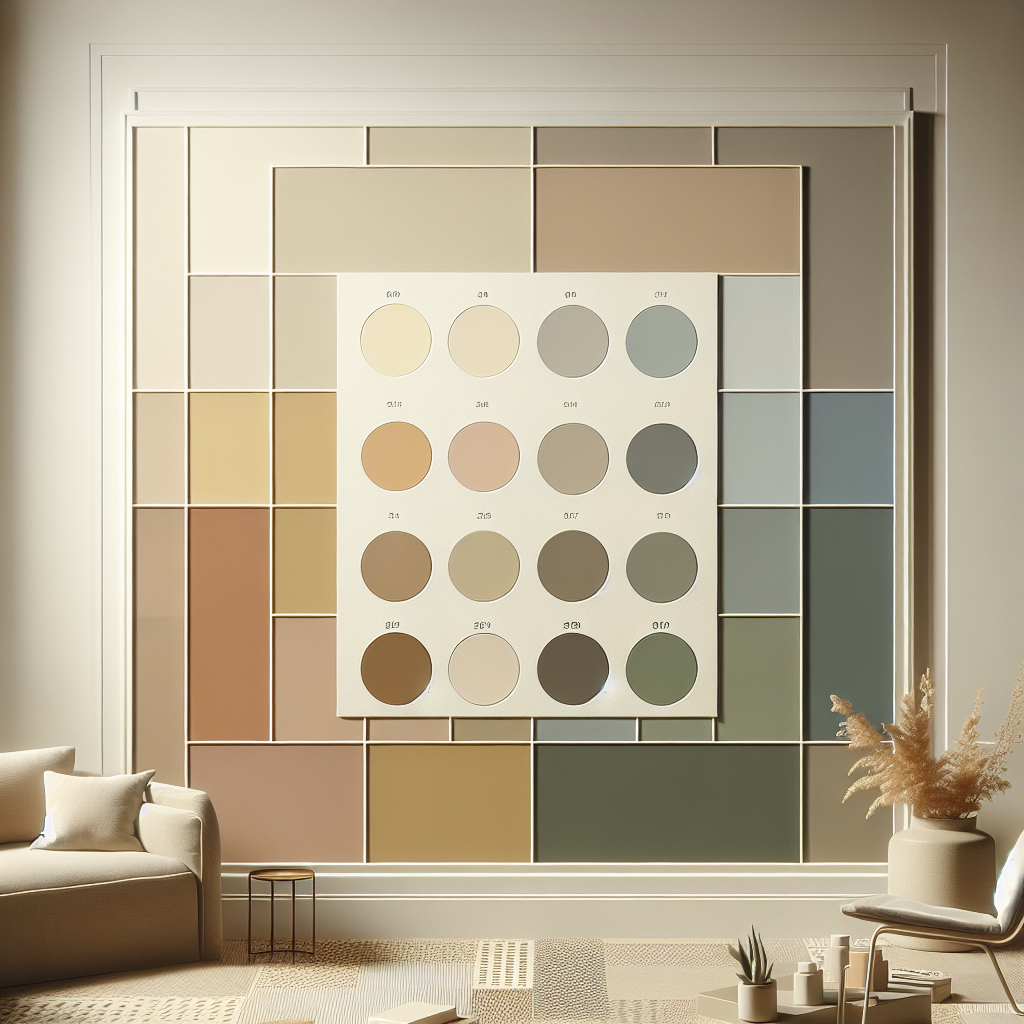
In addition to materials, color palettes play a crucial role in the mid-century modern aesthetic. Earthy tones, such as olive green, mustard yellow, and burnt orange, are often used to create a sense of nostalgia while still feeling fresh and contemporary. These colors can be found in everything from wall paint to furniture upholstery, providing a cohesive look that ties the entire space together. When paired with bold, geometric patterns, these colors can make a striking statement that is both retro and modern.
Furniture design is another area where mid-century influences are clearly visible. Iconic pieces, such as the Eames lounge chair or the Noguchi coffee table, are being reimagined in new materials and finishes, making them perfect for today’s luxury homes. These pieces are not only functional but also serve as conversation starters, adding a touch of history and character to any room. By incorporating these classic designs, homeowners can create spaces that are both timeless and on-trend.
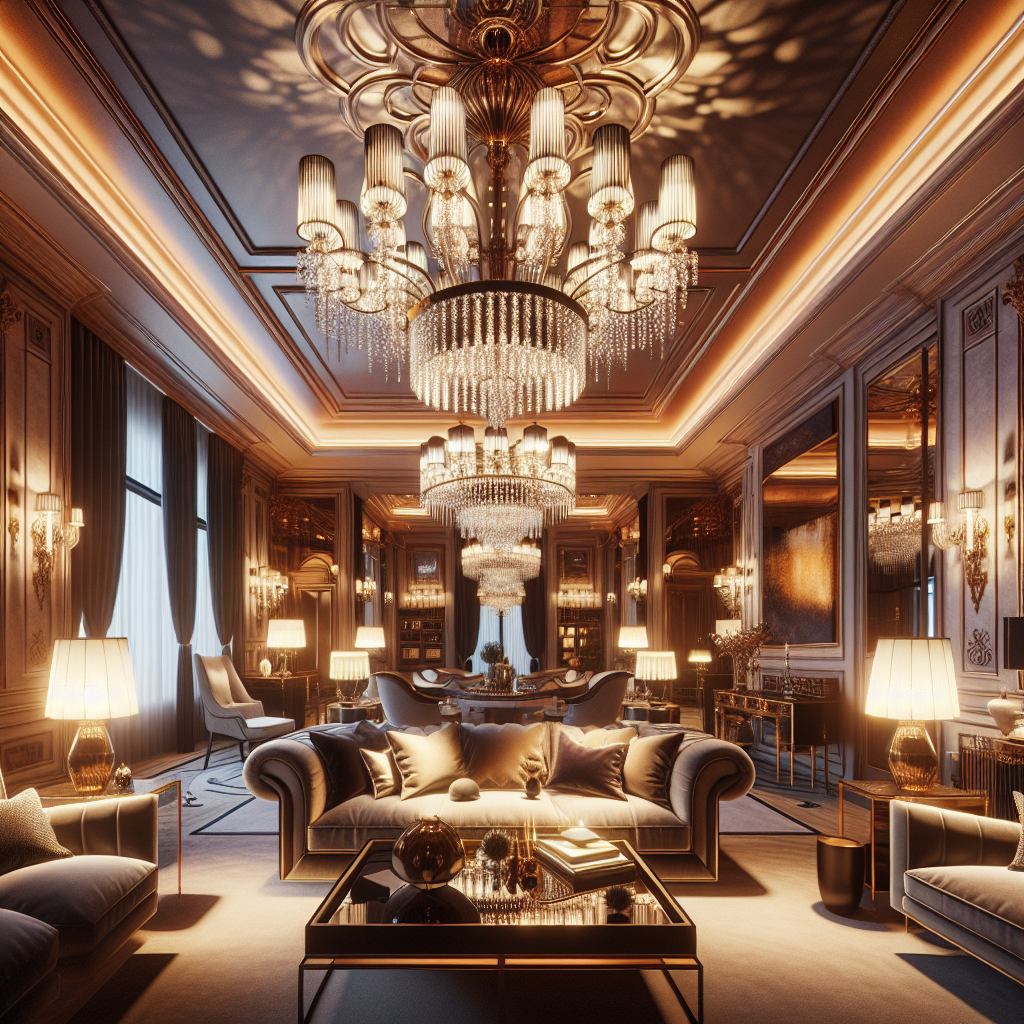
Lighting is yet another element where mid-century design shines. Sleek, sculptural fixtures made from materials like brass and glass can add a touch of elegance and drama to any space. Whether it’s a statement chandelier in the dining room or a pair of vintage-inspired sconces in the hallway, lighting can transform a room and highlight its best features.
As we continue to see the influence of mid-century design in contemporary luxury homes, it’s clear that this trend is more than just a passing fad. It represents a desire for spaces that are not only beautiful but also functional and sustainable. By embracing the principles of simplicity, natural materials, and timeless design, homeowners can create environments that are both luxurious and livable. In doing so, they pay homage to the past while looking forward to the future, creating homes that are truly one-of-a-kind.
The Role of Iconic Mid-Century Furniture in Contemporary Interiors
In recent years, there’s been a noticeable resurgence of mid-century modern design in contemporary luxury interiors. This revival is not just a fleeting trend but a testament to the timeless appeal of mid-century aesthetics. The clean lines, organic curves, and functional forms that define this era have found a new home in today’s high-end spaces, seamlessly blending with modern sensibilities. As we explore the role of iconic mid-century furniture in contemporary interiors, it’s clear that these pieces offer more than just a nod to the past; they bring a sense of history, craftsmanship, and elegance that enriches modern living.
One of the reasons mid-century furniture has made such a strong comeback is its versatility. Pieces like the Eames Lounge Chair or the Noguchi Coffee Table are not only visually striking but also incredibly adaptable. They can effortlessly complement a minimalist loft in New York City or add a touch of sophistication to a sprawling Los Angeles estate. This adaptability is key in contemporary design, where the focus is often on creating spaces that are both functional and aesthetically pleasing. By incorporating mid-century pieces, designers can achieve a balance between the old and the new, creating interiors that feel both timeless and current.
Moreover, the craftsmanship associated with mid-century furniture is another factor contributing to its enduring popularity. In an age where mass production often takes precedence, the meticulous attention to detail and quality materials used in mid-century pieces stand out. These are not just items of furniture; they are works of art that tell a story. For instance, the iconic designs of Charles and Ray Eames or Arne Jacobsen are celebrated not only for their beauty but also for their innovative use of materials and construction techniques. This level of craftsmanship resonates with those who appreciate luxury and are willing to invest in pieces that will last a lifetime.
In addition to their aesthetic and functional qualities, mid-century pieces also evoke a sense of nostalgia. For many, these designs harken back to a time of optimism and innovation, a period when design was about pushing boundaries and exploring new possibilities. This emotional connection adds another layer of depth to contemporary interiors, making them not just spaces to live in but environments that inspire and comfort. It’s this blend of nostalgia and modernity that makes mid-century furniture so appealing in today’s luxury market.
Furthermore, the sustainability aspect of mid-century furniture cannot be overlooked. In a world increasingly concerned with environmental impact, the idea of investing in vintage or well-crafted pieces that stand the test of time is appealing. By choosing mid-century designs, homeowners and designers alike are making a conscious decision to embrace sustainability without sacrificing style. This alignment with eco-friendly values further cements the role of mid-century furniture in contemporary interiors.
In conclusion, the revival of mid-century modern design in luxury interiors is more than just a trend; it’s a celebration of timeless design principles that continue to resonate today. The iconic furniture pieces from this era offer versatility, craftsmanship, nostalgia, and sustainability, making them an ideal choice for those looking to create sophisticated and meaningful spaces. As we continue to blend the past with the present, it’s clear that mid-century influences will remain a cherished part of contemporary design for years to come.
How Mid-Century Architecture Shapes Today’s Luxury Real Estate
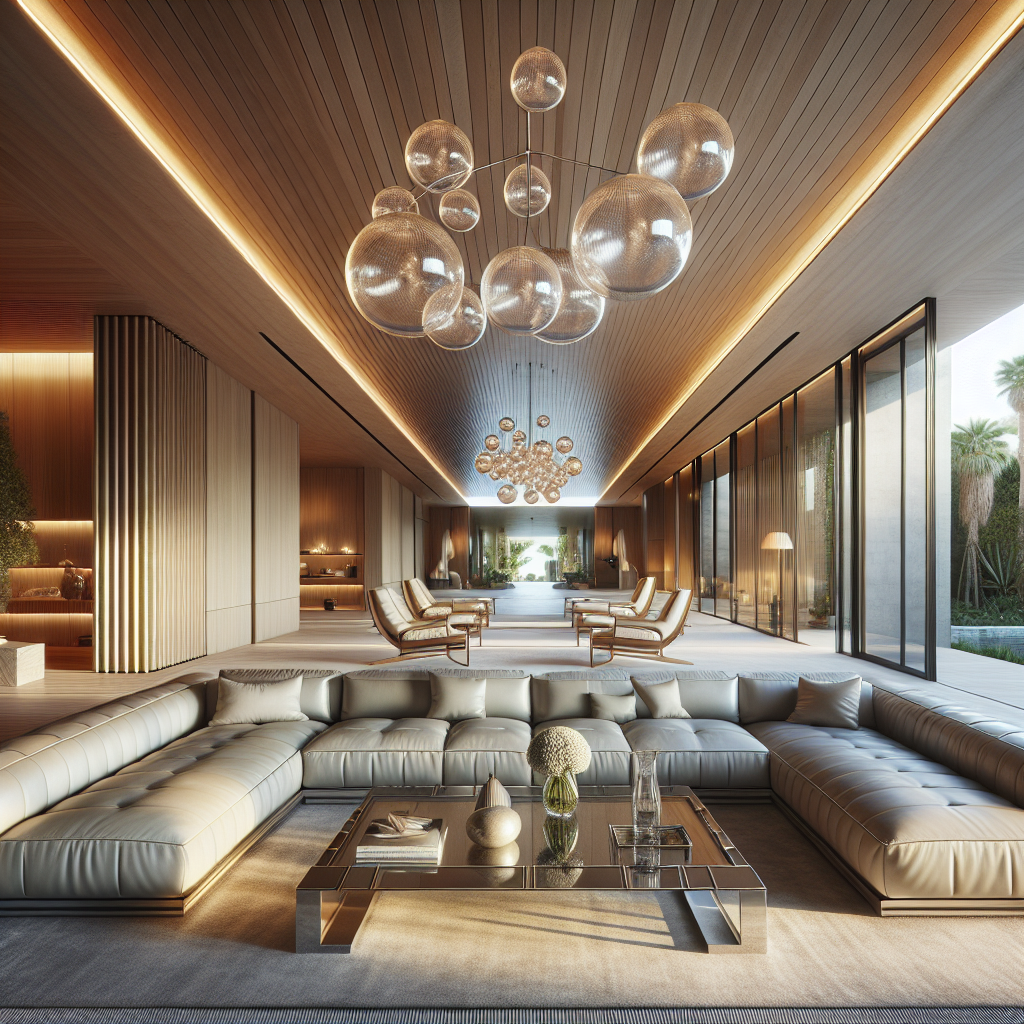
In recent years, there’s been a noticeable resurgence of mid-century modern architecture in the realm of luxury real estate. This revival is not just a nod to nostalgia but a testament to the timeless appeal of clean lines, functional design, and the seamless integration of indoor and outdoor spaces. As we explore how mid-century architecture shapes today’s luxury homes, it’s fascinating to see how these classic elements are being reimagined for contemporary living.
To begin with, the hallmark of mid-century architecture is its emphasis on simplicity and functionality. This design philosophy resonates with today’s luxury homeowners who seek spaces that are both beautiful and practical. The open floor plans, large windows, and minimalistic aesthetics of mid-century homes create an airy, spacious feel that is highly desirable in modern luxury real estate. These elements allow for a natural flow between rooms, making homes feel more expansive and inviting.
Moreover, the integration of nature into the home is a key feature of mid-century design that continues to influence contemporary luxury properties. Floor-to-ceiling windows and sliding glass doors are not just about maximizing natural light; they also blur the boundaries between the indoors and outdoors. This connection to nature is increasingly important to today’s homeowners, who value sustainability and a sense of tranquility in their living spaces. By incorporating lush gardens, outdoor living areas, and even indoor plants, modern luxury homes pay homage to the mid-century ethos of bringing the outside in.
In addition to these architectural elements, the use of materials in mid-century design has also made a comeback. Natural materials like wood, stone, and glass are favored for their organic beauty and durability. These materials not only add warmth and texture to a home but also align with the growing trend towards eco-friendly and sustainable building practices. In luxury real estate, where quality and longevity are paramount, the use of such materials is both a practical and aesthetic choice.
Furthermore, the mid-century modern color palette, characterized by earthy tones and bold accents, is being embraced in contemporary luxury interiors. This approach to color adds depth and personality to a space, allowing homeowners to express their individual style while maintaining a cohesive design. The strategic use of color can highlight architectural features, create focal points, and enhance the overall ambiance of a home.
As we delve deeper into the influence of mid-century architecture on today’s luxury real estate, it’s clear that this revival is more than just a trend. It reflects a broader shift towards valuing quality, simplicity, and a connection to nature in our living environments. For many, the appeal of mid-century design lies in its ability to create spaces that are both timeless and adaptable, offering a perfect blend of form and function.
In conclusion, the modernist revival in luxury real estate is a celebration of the enduring principles of mid-century architecture. By embracing these influences, contemporary homes are not only paying tribute to a classic era but also setting the stage for a future where design is both innovative and rooted in tradition. As we continue to see these elements evolve, one thing is certain: the legacy of mid-century modern design will continue to shape the landscape of luxury living for years to come.
Color Palettes and Textures: Mid-Century Inspirations in Modern Decor
In recent years, the world of interior design has seen a delightful resurgence of mid-century modern influences, particularly in the realm of color palettes and textures. This revival is not just a nod to nostalgia but a celebration of the timeless elegance and simplicity that mid-century design embodies. As we explore this trend, it’s fascinating to see how these classic elements are being reimagined in contemporary luxury spaces, creating environments that are both sophisticated and inviting.
To begin with, the color palettes inspired by mid-century design are making a significant impact in modern decor. Think of warm earth tones like mustard yellows, olive greens, and burnt oranges, which are reminiscent of the 1950s and 60s. These colors are being paired with more neutral shades such as soft grays and creamy whites, creating a balanced and harmonious look. The beauty of these palettes lies in their versatility; they can be bold and vibrant or subtle and understated, depending on how they are used. This flexibility allows homeowners to infuse their spaces with personality while maintaining a sense of elegance.
Transitioning from color to texture, mid-century modern design is renowned for its use of natural materials and clean lines. In contemporary luxury spaces, this translates to the incorporation of rich woods like teak and walnut, which add warmth and depth to a room. These materials are often complemented by sleek metals such as brass and chrome, providing a touch of glamour without overwhelming the space. The juxtaposition of these elements creates a dynamic interplay that is both visually appealing and tactilely satisfying.
Moreover, the use of textiles in modern decor is heavily influenced by mid-century aesthetics. Fabrics like wool, leather, and velvet are making a comeback, offering a luxurious feel that is perfect for creating cozy yet chic environments. These materials are often used in furniture pieces like sofas and armchairs, where their textures can be fully appreciated. Additionally, geometric patterns and abstract prints, which were popular during the mid-century era, are being incorporated into rugs, cushions, and curtains, adding a playful yet sophisticated touch to contemporary interiors.
As we delve deeper into this trend, it’s clear that the mid-century modern revival is not just about replicating the past but about reinterpreting it for today’s world. Designers are taking the best elements of mid-century design and blending them with modern sensibilities, resulting in spaces that are both timeless and current. This approach allows for a seamless integration of old and new, where vintage-inspired pieces coexist with cutting-edge technology and contemporary art.
In conclusion, the mid-century influences in modern decor are a testament to the enduring appeal of this design style. By embracing the color palettes and textures that defined the era, contemporary luxury spaces are able to capture the essence of mid-century modern while still feeling fresh and relevant. Whether you’re a fan of the style or new to its charms, there’s no denying the impact it has on creating beautiful, functional, and inviting homes. So, as you consider your next interior design project, why not take a page from the mid-century playbook and infuse your space with a touch of retro elegance? You might just find that the past has never looked so good.
The Fusion of Mid-Century Art and Modern Luxury Spaces
In recent years, there’s been a noticeable resurgence of mid-century design elements in contemporary luxury spaces, a trend that has captured the imagination of designers and homeowners alike. This modernist revival is not just about nostalgia; it’s about blending the timeless elegance of mid-century aesthetics with the sophistication of today’s luxury living. As we explore this fusion, it’s fascinating to see how these two seemingly distinct styles complement each other, creating spaces that are both stylish and comfortable.
To begin with, mid-century design is characterized by its clean lines, organic forms, and functional beauty. These elements have found a natural home in modern luxury spaces, where simplicity and elegance are highly valued. The minimalist approach of mid-century design allows for a focus on quality materials and craftsmanship, which are also hallmarks of luxury interiors. By incorporating mid-century pieces, such as iconic Eames chairs or sleek teak sideboards, contemporary spaces gain a sense of history and character that is both inviting and sophisticated.
Moreover, the color palette of mid-century design, with its warm earth tones and bold accent colors, provides a perfect backdrop for modern luxury. These hues can be used to create a sense of warmth and coziness, which is often desired in high-end homes. For instance, a rich walnut dining table paired with vibrant, jewel-toned chairs can transform a dining room into a space that feels both luxurious and approachable. This balance of color and texture is key to achieving a harmonious blend of styles.
In addition to furniture and color, the use of natural materials is another area where mid-century and modern luxury intersect beautifully. Mid-century design often features materials like wood, leather, and metal, which are also prevalent in luxury interiors. These materials not only add a tactile quality to a space but also convey a sense of authenticity and durability. By incorporating elements such as a leather sofa or a marble coffee table, designers can create spaces that feel grounded and timeless.
Lighting is another crucial aspect where mid-century influences shine in contemporary luxury spaces. Iconic mid-century lighting fixtures, such as the Sputnik chandelier or the Arco floor lamp, are celebrated for their sculptural qualities and ability to make a statement. These pieces can serve as focal points in a room, adding drama and elegance without overwhelming the space. The strategic use of lighting can enhance the architectural features of a room, highlighting the seamless integration of mid-century and modern design elements.
Furthermore, the open-plan layouts that are popular in modern luxury homes are reminiscent of mid-century architecture, which often emphasized a connection between indoor and outdoor spaces. Large windows, sliding glass doors, and open living areas create a sense of flow and continuity, allowing natural light to flood the interiors. This design approach not only maximizes the use of space but also fosters a sense of openness and freedom, which is at the heart of both mid-century and contemporary luxury design.
In conclusion, the fusion of mid-century art and modern luxury spaces is a testament to the enduring appeal of these design principles. By thoughtfully integrating mid-century elements into contemporary interiors, designers can create spaces that are not only visually stunning but also deeply functional and inviting. This modernist revival is more than just a trend; it’s a celebration of the past and present, offering a fresh perspective on luxury living that is both timeless and innovative.
Conclusion
The Modernist Revival, characterized by mid-century influences, has significantly impacted contemporary luxury design, blending timeless aesthetics with modern sensibilities. This movement draws inspiration from the mid-20th century’s emphasis on simplicity, functionality, and clean lines, integrating these elements into today’s high-end interiors and products. The revival is marked by the use of natural materials, bold geometric patterns, and a muted color palette, which together create a sense of understated elegance and sophistication. By reinterpreting classic mid-century designs, contemporary luxury spaces achieve a harmonious balance between nostalgia and innovation, appealing to a discerning audience that values both heritage and modernity. This trend underscores a broader cultural appreciation for the enduring qualities of mid-century design, reaffirming its relevance and adaptability in the ever-evolving landscape of luxury aesthetics.