The New Romanticism: Soft Luxury for the Sentimental Soul
September 7, 2021
The Luxury of Customization: Tailoring Furniture to Your Lifestyle
September 21, 2021
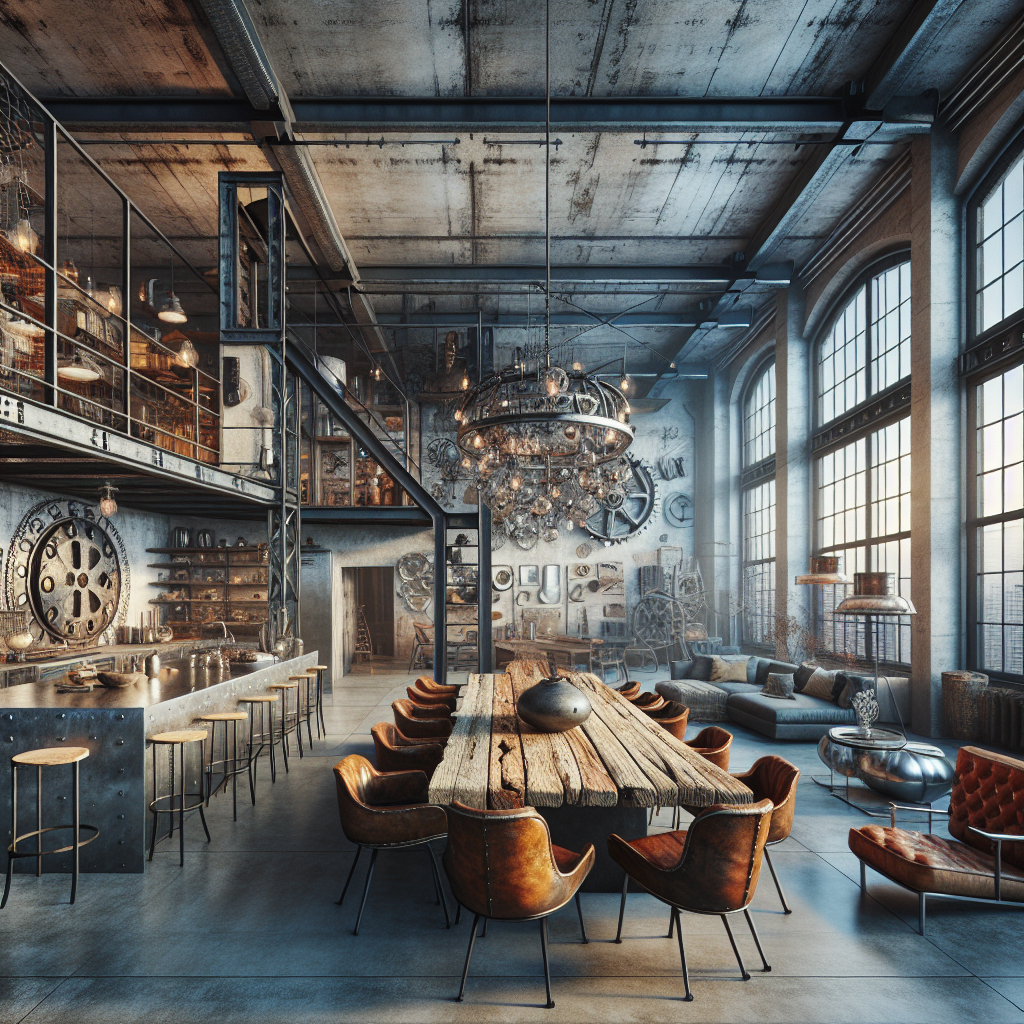
-
Table of Contents
- Introduction
- The Art of Blending: Merging Industrial Design with Luxury Aesthetics
- From Factory to Fabulous: Transforming Raw Materials into Elegant Home Features
- The Role of Metal and Wood in Creating Industrial Elegance
- Lighting the Way: Industrial Fixtures as Luxurious Statement Pieces
- Balancing Minimalism and Opulence in Industrial-Inspired Interiors
- Conclusion
Introduction
Industrial Elegance: Refining Raw Elements for Luxury Living explores the harmonious fusion of rugged industrial aesthetics with the sophistication of luxury design. This design philosophy embraces the raw beauty of materials such as exposed brick, steel, and reclaimed wood, transforming them into elements of refined elegance. By juxtaposing the utilitarian with the opulent, Industrial Elegance creates spaces that are both functional and visually captivating. This approach celebrates the authenticity of industrial materials while elevating them through meticulous craftsmanship and thoughtful design, resulting in interiors that exude a timeless charm and understated luxury.
The Art of Blending: Merging Industrial Design with Luxury Aesthetics
When you think of industrial design, images of exposed brick walls, steel beams, and concrete floors might come to mind. On the other hand, luxury aesthetics often evoke thoughts of opulent materials, plush textures, and sophisticated finishes. At first glance, these two styles might seem worlds apart, but when blended thoughtfully, they create a unique and captivating living environment that exudes both character and elegance. The art of merging industrial design with luxury aesthetics lies in finding the perfect balance between raw elements and refined touches, resulting in spaces that are both inviting and visually striking.
To begin with, let’s consider the foundational elements of industrial design. This style is rooted in the architectural features of old factories and warehouses, where functionality was key. Exposed pipes, ductwork, and structural elements are celebrated rather than concealed, giving spaces an authentic and unpretentious vibe. However, to elevate these raw elements into the realm of luxury, it’s essential to introduce materials and finishes that add warmth and sophistication. For instance, pairing a concrete floor with a plush area rug or juxtaposing a steel beam with a crystal chandelier can create a stunning contrast that highlights the beauty of both styles.
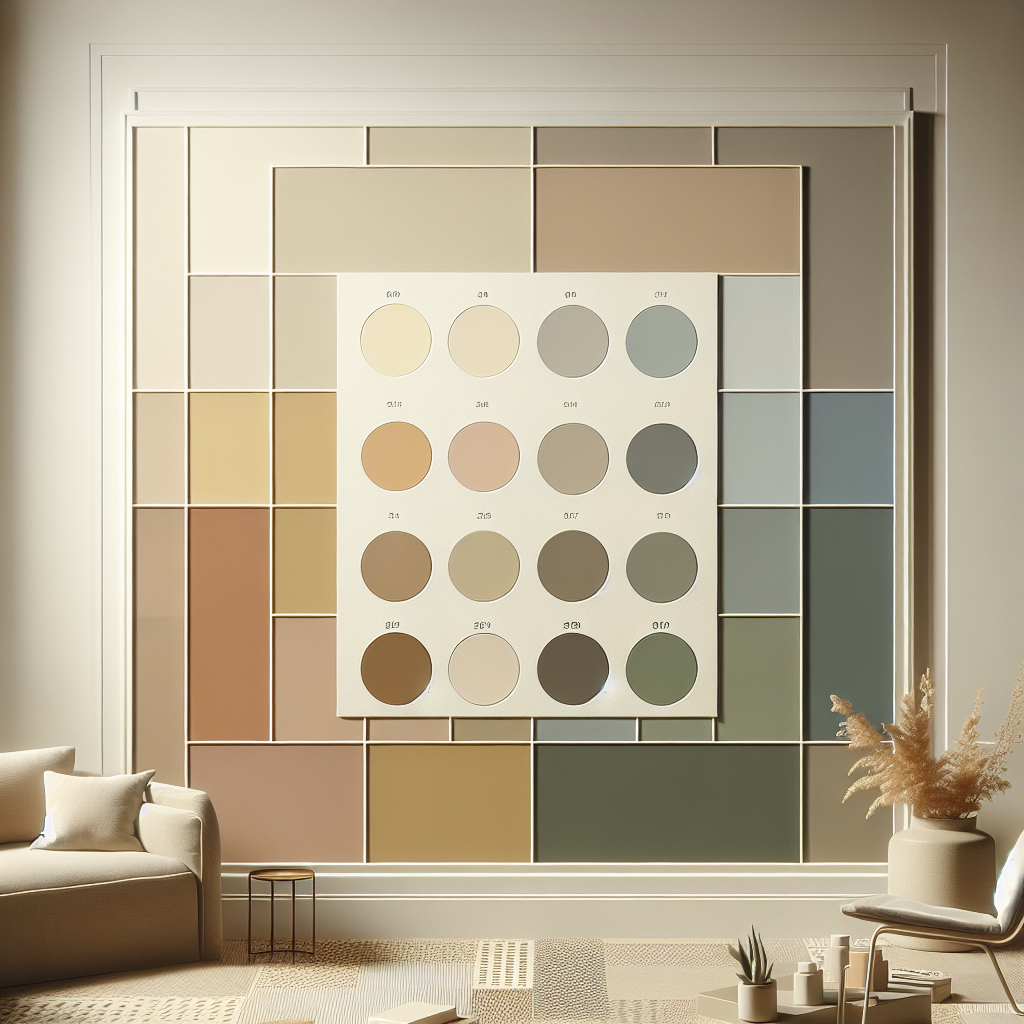
Moreover, color palettes play a crucial role in blending industrial and luxury aesthetics. Industrial design often relies on neutral tones like grays, blacks, and whites, which provide a perfect backdrop for introducing luxurious accents. By incorporating rich hues such as deep blues, emerald greens, or even metallics like gold and silver, you can add depth and richness to the space. These colors can be introduced through furniture, artwork, or even small decorative items, creating a cohesive look that ties the industrial and luxury elements together seamlessly.
In addition to color, texture is another important aspect to consider. Industrial spaces can sometimes feel cold or stark due to their emphasis on hard materials. To counteract this, incorporating a variety of textures can add warmth and interest. Think of soft velvet cushions on a leather sofa, a silk throw draped over a metal chair, or a wooden coffee table with a polished finish. These tactile elements not only enhance the visual appeal of the space but also make it more inviting and comfortable.
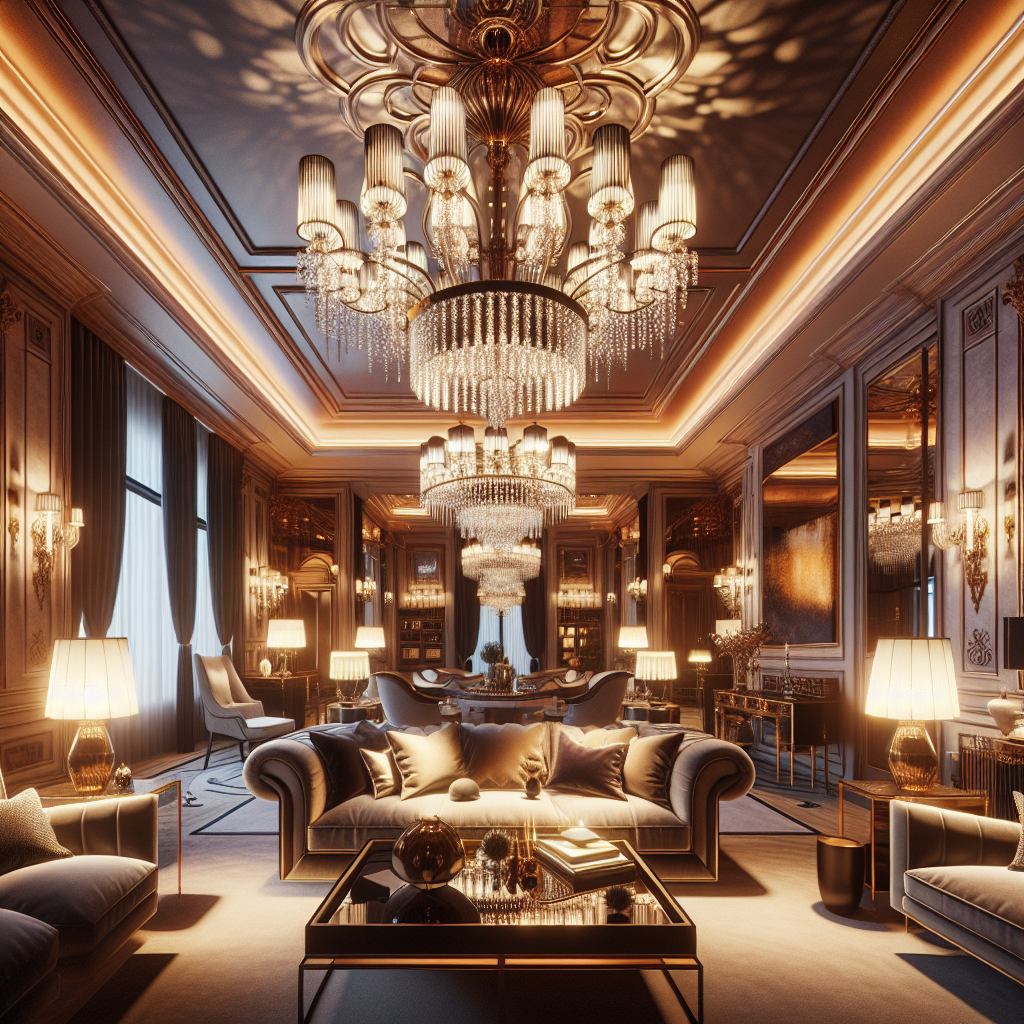
Lighting is yet another key factor in achieving the perfect blend of industrial and luxury design. Industrial spaces often feature large windows and open layouts, allowing for plenty of natural light. To complement this, consider adding statement lighting fixtures that serve as focal points. A grand chandelier or a series of pendant lights with intricate designs can add a touch of glamour and sophistication, while still maintaining the industrial vibe.
Finally, personal touches are what truly make a space feel luxurious and unique. Incorporating art pieces, sculptures, or even personal collections can add character and tell a story. These elements not only reflect your personality but also create a sense of warmth and belonging, transforming an industrial space into a luxurious haven.
In conclusion, the art of blending industrial design with luxury aesthetics is all about balance and contrast. By thoughtfully combining raw elements with refined touches, you can create a space that is both stylish and comfortable. Whether you’re drawn to the rugged charm of industrial design or the elegance of luxury aesthetics, merging these styles can result in a truly unique and captivating living environment. So, embrace the beauty of both worlds and let your creativity guide you in crafting a space that reflects your personal style and taste.
From Factory to Fabulous: Transforming Raw Materials into Elegant Home Features
In recent years, the trend of industrial elegance has taken the interior design world by storm, seamlessly blending the raw, rugged charm of industrial materials with the sophistication of luxury living. This unique style celebrates the beauty of imperfection, transforming once-overlooked elements into stunning home features. As we explore this fascinating design approach, it becomes clear that the journey from factory to fabulous is all about embracing the unexpected and finding beauty in the raw.
To begin with, the allure of industrial elegance lies in its ability to repurpose materials that are often considered too rough or utilitarian for traditional home decor. Think exposed brick walls, concrete floors, and steel beams. These elements, when thoughtfully integrated into a living space, can create a striking contrast with more refined furnishings and decor. For instance, a sleek leather sofa set against a backdrop of weathered brick can instantly elevate a room, offering a perfect blend of comfort and character.
Moreover, the transformation of raw materials into elegant home features often involves a creative reimagining of their original purpose. Take, for example, reclaimed wood. Once part of a factory floor or an old barn, this material can be given new life as a dining table or a set of shelves. The natural imperfections and unique grain patterns of reclaimed wood add warmth and texture to a space, making it both inviting and visually interesting. Similarly, metal piping, once used for industrial plumbing, can be repurposed into chic lighting fixtures or even as a framework for open shelving, adding an edgy yet sophisticated touch to any room.
In addition to repurposing materials, industrial elegance also embraces the concept of minimalism, focusing on clean lines and open spaces. This approach allows the raw elements to take center stage, highlighting their inherent beauty without overwhelming the senses. For example, a loft-style apartment with high ceilings and large windows can benefit from a minimalist design that showcases exposed ductwork and concrete surfaces. By keeping the decor simple and uncluttered, the space feels both expansive and intimate, offering a perfect canvas for personal expression.
Furthermore, the color palette in industrial elegance often leans towards neutral tones, such as grays, blacks, and whites, which serve to enhance the natural beauty of the materials. However, this doesn’t mean the space has to be devoid of color. Accents in bold hues, like a vibrant piece of artwork or a colorful rug, can add a pop of personality and prevent the space from feeling too austere. The key is to strike a balance between the raw and the refined, allowing each element to complement the other.
Ultimately, the journey from factory to fabulous is about more than just aesthetics; it’s about creating a space that tells a story. Each piece of reclaimed wood, each exposed beam, carries with it a history that adds depth and character to a home. By embracing industrial elegance, homeowners can craft a living environment that is not only stylish but also deeply personal. So, whether you’re renovating an old warehouse or simply looking to add a touch of industrial charm to your home, remember that beauty can be found in the most unexpected places. With a little creativity and an eye for detail, you can transform raw materials into elegant features that make your space truly one-of-a-kind.
The Role of Metal and Wood in Creating Industrial Elegance
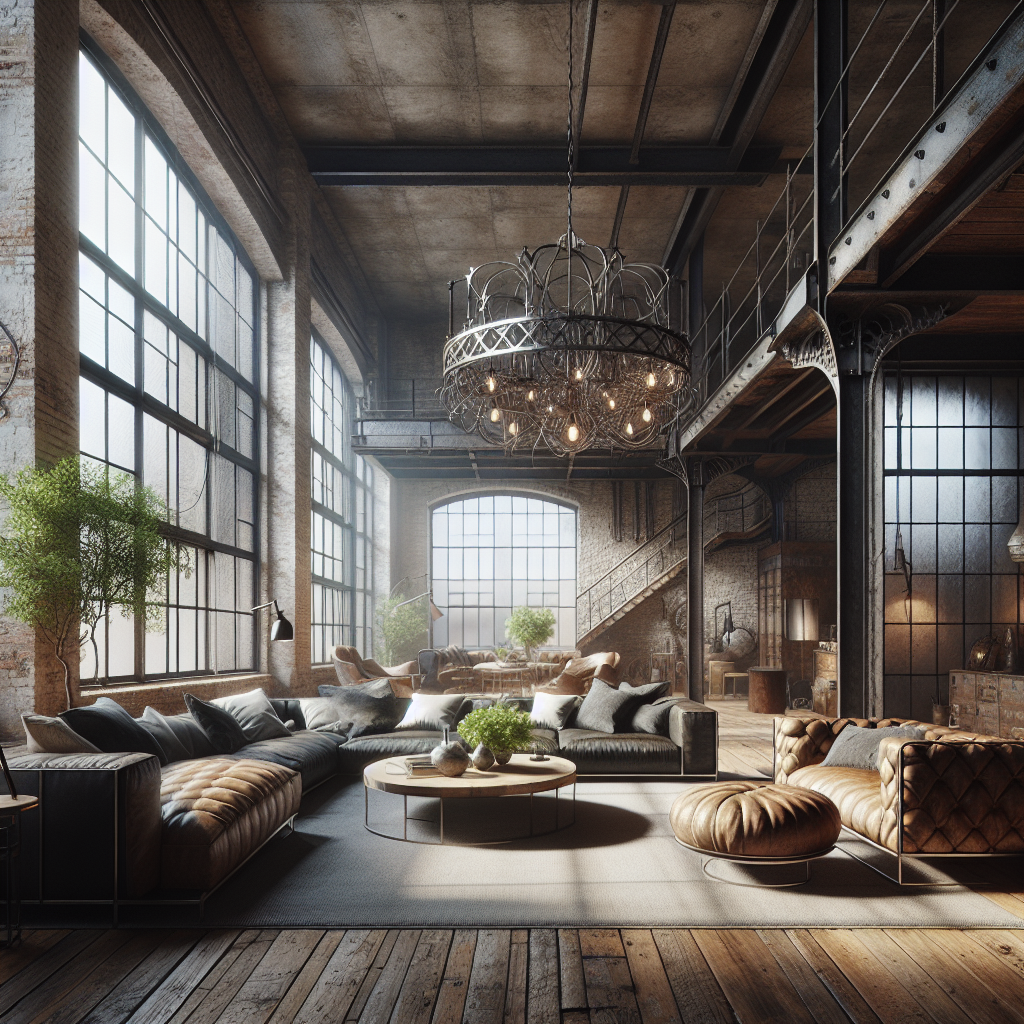
When it comes to creating a space that exudes both sophistication and a touch of rugged charm, the combination of metal and wood is a match made in design heaven. These two materials, each with its own unique characteristics, come together to form the backbone of what we like to call industrial elegance. This style, which has gained popularity in recent years, is all about refining raw elements to create a luxurious living environment that feels both modern and timeless.
Metal, with its sleek and often shiny surface, brings a sense of strength and durability to any space. Whether it’s the cool touch of stainless steel or the warm glow of brushed brass, metal elements can add a touch of glamour while maintaining an industrial edge. Think of exposed steel beams, metal light fixtures, or even a statement piece like a copper bathtub. These elements not only serve a functional purpose but also act as focal points that draw the eye and spark conversation.
On the other hand, wood introduces warmth and texture, balancing out the sometimes cold feel of metal. The beauty of wood lies in its versatility; it can be rustic and raw or polished and refined. Reclaimed wood, with its history and character, adds a sense of authenticity and depth to a space. Imagine a dining table made from old barn wood or a set of shelves crafted from repurposed timber. These pieces tell a story and bring a sense of history and craftsmanship into the home.
When metal and wood are combined, the result is a harmonious blend that captures the essence of industrial elegance. The key is to find the right balance between the two materials. For instance, a metal-framed coffee table with a wooden top can serve as a perfect centerpiece in a living room, offering both functionality and style. Similarly, a wooden staircase with metal railings can create a striking visual contrast that elevates the overall design.
Moreover, the use of these materials is not limited to furniture and fixtures. They can also be incorporated into architectural elements such as walls and ceilings. A feature wall clad in weathered wood or a ceiling with exposed metal ductwork can add an unexpected layer of interest and texture to a room. These elements work together to create a cohesive look that feels both intentional and effortless.
In addition to their aesthetic appeal, metal and wood are also practical choices for creating a luxurious living space. Both materials are known for their durability and longevity, making them ideal for high-traffic areas or homes with children and pets. They are also relatively easy to maintain, requiring only occasional cleaning and care to keep them looking their best.
Ultimately, the role of metal and wood in creating industrial elegance is all about finding the perfect balance between raw and refined. By thoughtfully incorporating these materials into your home, you can achieve a look that is both stylish and inviting. Whether you’re drawn to the sleek lines of metal or the natural beauty of wood, there’s no denying that these elements have the power to transform any space into a haven of industrial elegance. So, why not embrace the beauty of these raw elements and let them shine in your home?
Lighting the Way: Industrial Fixtures as Luxurious Statement Pieces
In recent years, the world of interior design has seen a fascinating shift towards embracing the raw and the refined, blending them into a style that is both industrial and elegant. This trend, often referred to as industrial elegance, has found its way into many aspects of home decor, but perhaps nowhere is it more striking than in the realm of lighting. Industrial fixtures, once relegated to factories and warehouses, are now being reimagined as luxurious statement pieces that can transform any living space.
To begin with, the appeal of industrial lighting lies in its ability to combine functionality with aesthetic charm. These fixtures often feature materials such as metal, glass, and concrete, which are celebrated for their durability and timelessness. When these elements are crafted into sleek, minimalist designs, they exude a sense of sophistication that is both understated and bold. This juxtaposition of raw materials with refined design is what makes industrial lighting so captivating.
Moreover, industrial fixtures have a unique way of adding character to a room. Their rugged textures and exposed components tell a story of craftsmanship and history, inviting a sense of nostalgia while remaining firmly rooted in contemporary style. For instance, a pendant light with a brushed metal finish and Edison bulbs can evoke the ambiance of a vintage factory, yet it seamlessly fits into a modern loft or a chic urban apartment. This versatility is one of the reasons why industrial lighting has become a favorite among designers and homeowners alike.
In addition to their aesthetic appeal, industrial lighting fixtures are incredibly versatile in terms of placement and function. They can serve as focal points in a room, drawing the eye and creating a sense of drama. A large, statement chandelier with an industrial edge can anchor a dining room, while a series of smaller pendant lights can add warmth and intimacy to a kitchen island. Furthermore, these fixtures can be used to highlight architectural features or artwork, adding layers of interest and depth to a space.
Transitioning from the visual to the practical, it’s worth noting that industrial lighting is not just about looks. These fixtures are often designed with energy efficiency in mind, incorporating LED technology and other innovations that reduce energy consumption without sacrificing style. This makes them an excellent choice for those who are environmentally conscious but still want to make a design statement.
As we consider the broader implications of industrial elegance, it’s clear that this trend is about more than just aesthetics. It’s about embracing a philosophy that values authenticity and sustainability, celebrating the beauty of imperfection, and finding luxury in simplicity. Industrial lighting fixtures embody this ethos, offering a way to illuminate our homes with pieces that are as meaningful as they are beautiful.
In conclusion, industrial lighting has emerged as a powerful tool in the world of interior design, allowing us to create spaces that are both luxurious and grounded. By refining raw elements into elegant statement pieces, these fixtures light the way to a new understanding of luxury living—one that is accessible, sustainable, and endlessly inspiring. Whether you’re renovating an entire home or simply looking to update a single room, consider the transformative power of industrial lighting to elevate your space with style and grace.
Balancing Minimalism and Opulence in Industrial-Inspired Interiors
When it comes to interior design, the industrial style has long been celebrated for its raw, unrefined charm. Exposed brick walls, concrete floors, and steel beams are hallmarks of this aesthetic, evoking a sense of rugged authenticity. However, the challenge lies in balancing this minimalism with a touch of opulence to create spaces that are not only functional but also luxurious. Achieving this balance requires a keen eye for detail and a willingness to experiment with contrasting elements.
To begin with, the key to blending minimalism with opulence in industrial-inspired interiors is to embrace the beauty of simplicity while introducing elements that exude sophistication. For instance, consider the use of high-quality materials such as marble or polished wood. These materials can be incorporated into countertops, flooring, or even accent pieces, providing a striking contrast to the rough textures typically associated with industrial design. The juxtaposition of these elements creates a harmonious balance, where the raw meets the refined.
Moreover, lighting plays a crucial role in transforming an industrial space into one that feels luxurious. Industrial lighting fixtures, such as pendant lights with exposed bulbs or metal chandeliers, can be elevated by choosing designs that feature intricate details or unexpected finishes like brushed gold or antique brass. These choices add a layer of elegance without detracting from the industrial roots of the space. Additionally, incorporating dimmable lighting options allows for greater control over the ambiance, enabling the creation of a warm and inviting atmosphere.
Another way to infuse opulence into an industrial setting is through the careful selection of furniture and decor. Opt for pieces that boast clean lines and understated elegance, such as a sleek leather sofa or a glass coffee table with metal accents. These items not only complement the industrial aesthetic but also introduce a sense of luxury. Furthermore, incorporating plush textiles, such as velvet throw pillows or a soft area rug, can add warmth and comfort, making the space feel more inviting.
In addition to furniture, artwork and accessories can significantly impact the overall feel of an industrial-inspired interior. Large-scale art pieces or sculptures can serve as focal points, drawing the eye and adding a touch of sophistication. When selecting artwork, consider pieces that feature bold colors or abstract designs, as these can provide a striking contrast to the neutral tones often found in industrial spaces. Similarly, accessories like metallic vases or crystal candle holders can introduce a hint of glamour without overwhelming the minimalist foundation.
Finally, it is essential to remember that balance is key. While it is tempting to incorporate numerous luxurious elements, restraint is crucial to maintaining the integrity of the industrial style. By carefully curating each piece and considering how it interacts with the existing elements, it is possible to create a space that feels both opulent and grounded. The result is an interior that exudes industrial elegance, where raw elements are refined to offer a truly luxurious living experience.
In conclusion, achieving the perfect balance between minimalism and opulence in industrial-inspired interiors requires a thoughtful approach. By embracing simplicity and introducing elements of sophistication, it is possible to create spaces that are both functional and luxurious. Through the careful selection of materials, lighting, furniture, and decor, one can transform an industrial space into a haven of refined elegance, where the raw and the polished coexist in perfect harmony.
Conclusion
Industrial Elegance: Refining Raw Elements for Luxury Living explores the harmonious blend of raw, industrial materials with sophisticated design elements to create luxurious living spaces. This design philosophy embraces the authenticity and ruggedness of materials like steel, concrete, and reclaimed wood, transforming them into refined, elegant interiors. By juxtaposing these raw elements with plush textiles, sleek finishes, and modern aesthetics, industrial elegance achieves a unique balance between functionality and opulence. The result is a living environment that exudes both strength and sophistication, offering a timeless appeal that caters to contemporary tastes while honoring the integrity of industrial design.