Curating a Statement Living Room with High-End Furniture
June 18, 2024
Narrative Interiors: Storytelling Through Luxurious Decor
June 25, 2024
-
Table of Contents
- Introduction
- Exploring Minimalism: The Rise Of Sleek And Elegant Luxury Furniture
- Sustainable Luxury: Eco-Friendly Materials In Modern Furniture Design
- The Fusion Of Technology And Design: Smart Features In Luxury Furniture
- Art Deco Revival: Timeless Elegance In Contemporary Furniture Pieces
- Customization And Personalization: Tailoring Luxury Furniture To Individual Tastes
- Conclusion
Introduction
In the ever-evolving world of interior design, luxury furniture stands as a testament to the seamless blend of artistry and functionality, defining modern sophistication with its exquisite craftsmanship and innovative aesthetics. As design trends continue to shift, luxury furniture emerges as a pivotal element that not only enhances the visual appeal of a space but also elevates the overall ambiance to new heights of elegance. Characterized by the use of premium materials, meticulous attention to detail, and a commitment to sustainability, these pieces embody a refined sense of style that resonates with contemporary sensibilities. From sleek minimalist designs to opulent statement pieces, luxury furniture captures the essence of modern living, offering a harmonious balance between comfort and elegance. As we delve into the latest design trends, it becomes evident that luxury furniture is not merely about opulence but about creating an environment that reflects individuality and timeless sophistication.
Exploring Minimalism: The Rise Of Sleek And Elegant Luxury Furniture
In recent years, the world of interior design has witnessed a fascinating shift towards minimalism, where sleek and elegant luxury furniture takes center stage. This trend, characterized by clean lines, understated elegance, and a focus on functionality, has redefined what it means to create a sophisticated living space. As we explore this movement, it’s clear that minimalism is not just about reducing clutter but about embracing a lifestyle that values quality over quantity.
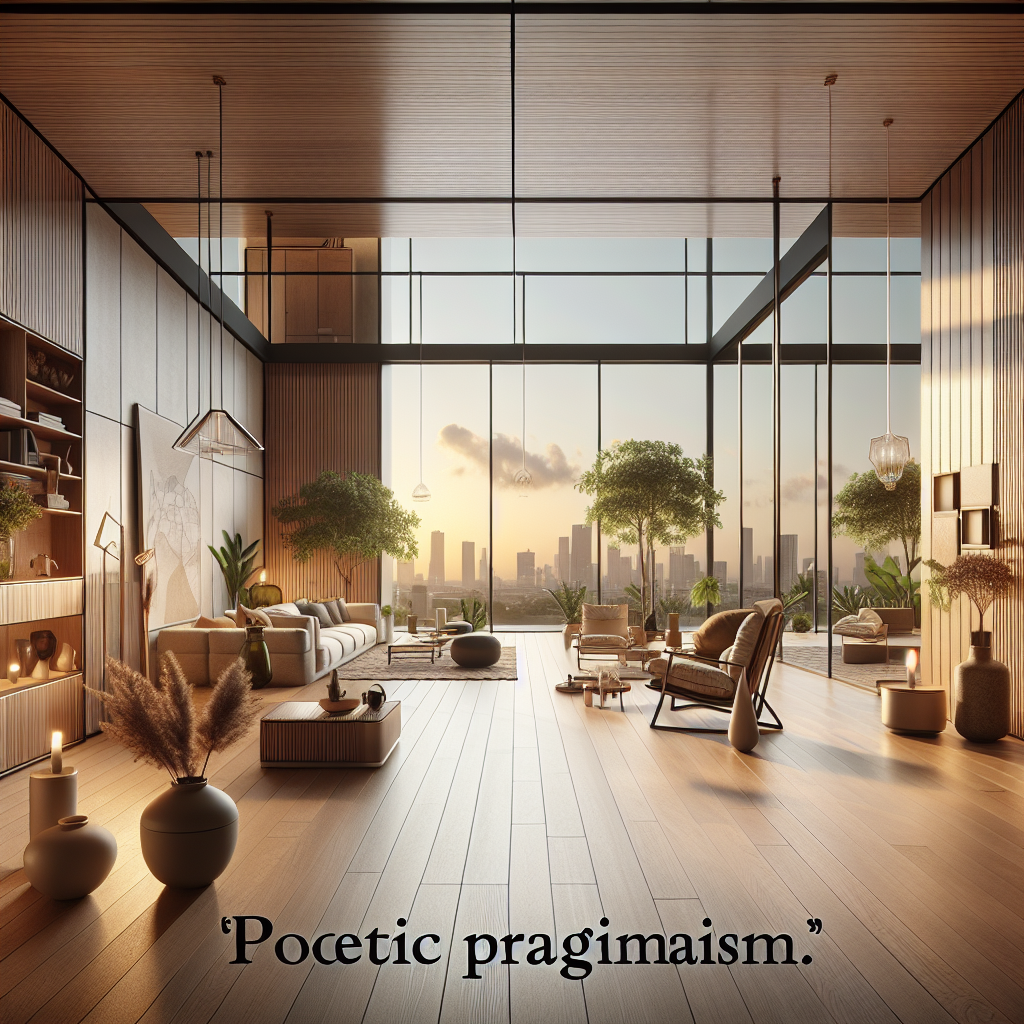
One of the key elements driving the rise of minimalist luxury furniture is the desire for simplicity. In a world that often feels overwhelming, many people are drawn to spaces that offer a sense of calm and tranquility. Minimalist design achieves this by stripping away unnecessary embellishments and focusing on the essentials. This approach allows each piece of furniture to stand out, showcasing its craftsmanship and the beauty of its materials. For instance, a well-crafted leather sofa with clean lines can become the focal point of a living room, exuding an air of sophistication without overwhelming the space.
Moreover, the minimalist trend in luxury furniture is closely tied to the concept of sustainability. As consumers become more conscious of their environmental impact, there is a growing demand for furniture that is not only beautiful but also eco-friendly. Designers are responding by using sustainable materials such as reclaimed wood, bamboo, and recycled metals. These materials not only reduce the carbon footprint but also add a unique character to each piece, making them truly one-of-a-kind. By choosing furniture that is both luxurious and sustainable, homeowners can create spaces that reflect their values and commitment to the environment.
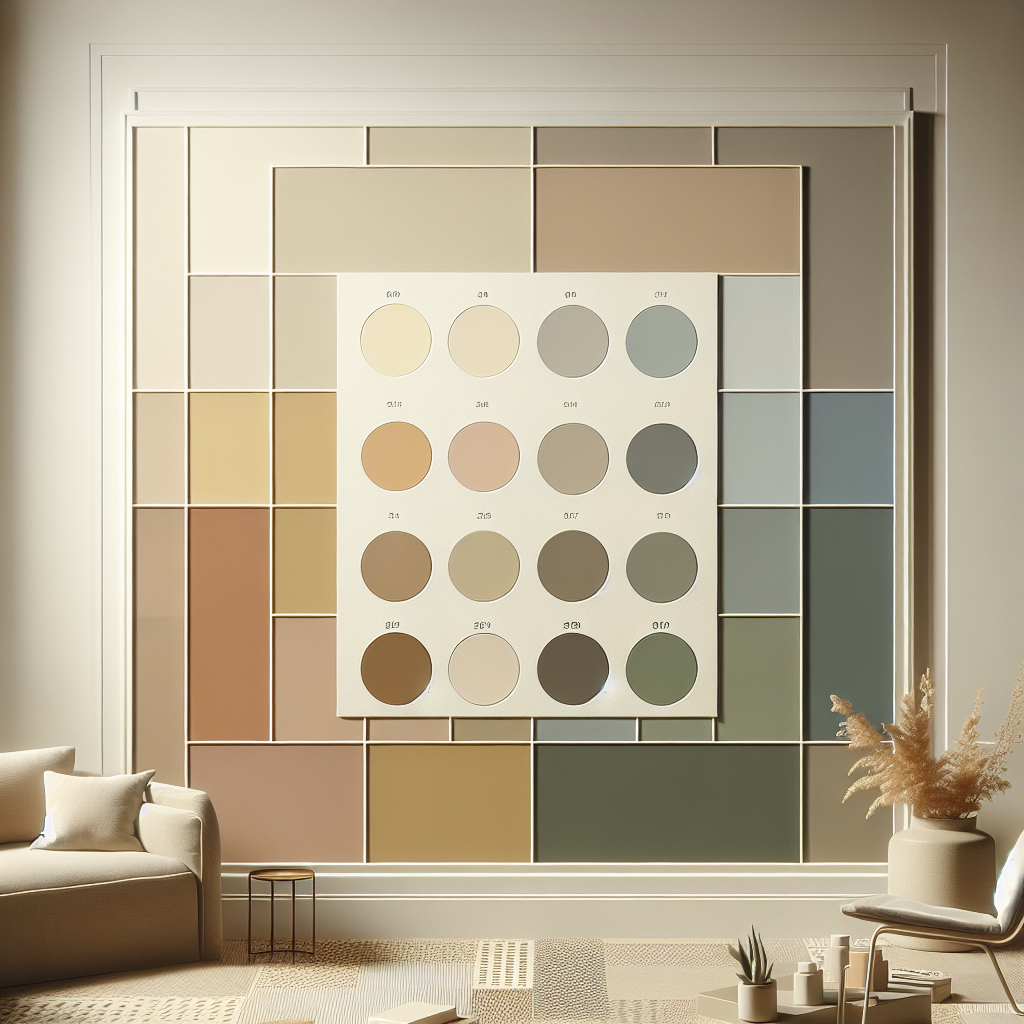
Transitioning from traditional opulence to modern minimalism also involves a shift in color palettes. Neutral tones such as whites, grays, and beiges dominate minimalist interiors, providing a versatile backdrop that allows furniture to shine. These colors create a sense of openness and light, making rooms feel more spacious and inviting. However, minimalism doesn’t mean a lack of color altogether. Strategic pops of color, whether through a vibrant piece of art or a bold accent chair, can add personality and warmth to a space without detracting from its overall elegance.
Functionality is another cornerstone of minimalist luxury furniture. In today’s fast-paced world, furniture must not only be aesthetically pleasing but also practical. This has led to the rise of multi-functional pieces that serve more than one purpose. For example, a sleek coffee table with hidden storage can keep living areas tidy while maintaining a chic appearance. Similarly, modular furniture allows for flexibility, adapting to the changing needs of a household. This focus on functionality ensures that minimalist spaces remain both beautiful and livable.
As we continue to embrace minimalism in luxury furniture, it’s important to remember that this trend is not about adhering to strict rules but about creating spaces that reflect personal style and preferences. Whether it’s a statement piece that draws the eye or a subtle design that blends seamlessly into the background, the key is to curate a collection that feels authentic and timeless. By doing so, homeowners can enjoy the benefits of a minimalist lifestyle while indulging in the luxury and sophistication that modern design has to offer.
Sustainable Luxury: Eco-Friendly Materials In Modern Furniture Design
In recent years, the world of luxury furniture has seen a remarkable shift towards sustainability, with eco-friendly materials taking center stage in modern design. This trend is not just a fleeting fad but a reflection of a broader movement towards responsible consumption and environmental stewardship. As more people become aware of the impact their choices have on the planet, the demand for sustainable luxury furniture has grown, leading designers to innovate and create pieces that are both beautiful and kind to the earth.
One of the most exciting aspects of this trend is the use of reclaimed wood. This material, often sourced from old barns, factories, or even wine barrels, brings a unique character and history to each piece of furniture. The natural imperfections and weathered textures of reclaimed wood add a sense of authenticity and warmth, making it a popular choice for those looking to infuse their homes with a touch of rustic elegance. Moreover, by repurposing wood that would otherwise go to waste, designers are able to reduce the demand for new timber, thus preserving forests and reducing carbon emissions.
In addition to reclaimed wood, bamboo has emerged as a favorite among eco-conscious designers. Known for its rapid growth and renewability, bamboo is a highly sustainable material that offers both strength and flexibility. Its sleek, modern appearance makes it an ideal choice for contemporary furniture pieces, from minimalist coffee tables to elegant bed frames. Furthermore, bamboo’s natural resistance to pests and moisture means that it requires fewer chemical treatments, making it a healthier option for both the environment and the home.
Another innovative material making waves in the world of sustainable luxury furniture is recycled metal. By melting down and repurposing metals like aluminum and steel, designers are able to create stunning, industrial-inspired pieces that are as durable as they are stylish. The use of recycled metal not only reduces the need for mining and processing new materials but also helps to minimize waste in landfills. This approach aligns perfectly with the principles of a circular economy, where resources are continuously reused and repurposed.
As we explore the realm of sustainable luxury, it’s impossible to overlook the role of textiles. Organic cotton, linen, and hemp are increasingly being used in upholstery and soft furnishings, offering a natural alternative to synthetic fabrics. These materials are grown without the use of harmful pesticides and chemicals, making them safer for both the environment and the people who produce them. Additionally, they provide a level of comfort and breathability that is unmatched by their synthetic counterparts, ensuring that luxury does not come at the expense of well-being.
In conclusion, the integration of eco-friendly materials into modern furniture design is redefining what it means to be sophisticated. By choosing pieces made from sustainable resources, consumers can enjoy the beauty and elegance of luxury furniture while also contributing to a healthier planet. This harmonious blend of style and sustainability is not only a testament to the creativity and innovation of designers but also a reflection of a growing awareness that true luxury is about more than just aesthetics—it’s about making choices that are good for the world we live in. As this trend continues to evolve, it promises to inspire even more exciting developments in the world of design, proving that sustainability and sophistication can indeed go hand in hand.
The Fusion Of Technology And Design: Smart Features In Luxury Furniture
In recent years, the world of luxury furniture has undergone a remarkable transformation, blending cutting-edge technology with timeless design to create pieces that not only exude elegance but also offer unparalleled functionality. This fusion of technology and design has given rise to smart features in luxury furniture, redefining what it means to live in modern sophistication. As we explore this trend, it becomes clear that the integration of technology into furniture is not just about convenience; it’s about enhancing the overall living experience.
To begin with, imagine a living room where your coffee table doubles as a wireless charging station, seamlessly powering your devices while you relax. This is just one example of how technology is being woven into the fabric of luxury furniture. Designers are increasingly incorporating smart features that cater to the tech-savvy consumer, ensuring that every piece serves a dual purpose. From sofas with built-in speakers to beds that adjust to your preferred sleeping position, the possibilities are endless. These innovations not only make life easier but also add a layer of sophistication that is hard to ignore.
Moreover, the integration of smart features in luxury furniture is not limited to functionality alone. Aesthetics play a crucial role in this trend, as designers strive to create pieces that are as visually appealing as they are technologically advanced. For instance, consider a dining table that transforms into a work of art with the touch of a button, or a bookshelf that illuminates your favorite novels with ambient lighting. These elements of design ensure that the furniture remains a statement piece, even as it embraces modern technology.
In addition to enhancing aesthetics, smart features in luxury furniture also prioritize sustainability. As environmental concerns continue to shape consumer preferences, designers are finding innovative ways to incorporate eco-friendly materials and energy-efficient technologies into their creations. For example, some luxury furniture pieces now come equipped with solar panels, allowing them to harness renewable energy to power their smart features. This not only reduces the carbon footprint but also aligns with the values of environmentally conscious consumers.
Furthermore, the fusion of technology and design in luxury furniture extends to customization options, offering a personalized experience for every homeowner. With the advent of smart home systems, furniture can now be tailored to suit individual preferences, from adjusting the lighting to setting the perfect temperature. This level of customization ensures that each piece of furniture is not just a functional item but an integral part of the homeowner’s lifestyle.
As we delve deeper into this trend, it’s evident that the fusion of technology and design in luxury furniture is here to stay. It represents a shift towards a more connected and sophisticated way of living, where every piece of furniture serves a purpose beyond its traditional role. While some may argue that technology detracts from the timeless appeal of luxury furniture, it’s clear that when done right, it enhances the overall experience, creating a harmonious blend of form and function.
In conclusion, the integration of smart features in luxury furniture is redefining modern sophistication, offering a glimpse into the future of interior design. As technology continues to evolve, we can expect even more innovative solutions that cater to the needs of the modern homeowner. Whether it’s through enhanced functionality, sustainable practices, or personalized experiences, the fusion of technology and design is set to transform the way we perceive and interact with luxury furniture.
Art Deco Revival: Timeless Elegance In Contemporary Furniture Pieces
In recent years, the world of interior design has witnessed a delightful resurgence of Art Deco, a style that first captivated the world in the early 20th century. This revival is not just a nod to nostalgia but a celebration of timeless elegance that seamlessly blends with contemporary aesthetics. Art Deco, with its bold geometric patterns, rich colors, and lavish materials, has found its way back into the spotlight, redefining modern sophistication in luxury furniture.
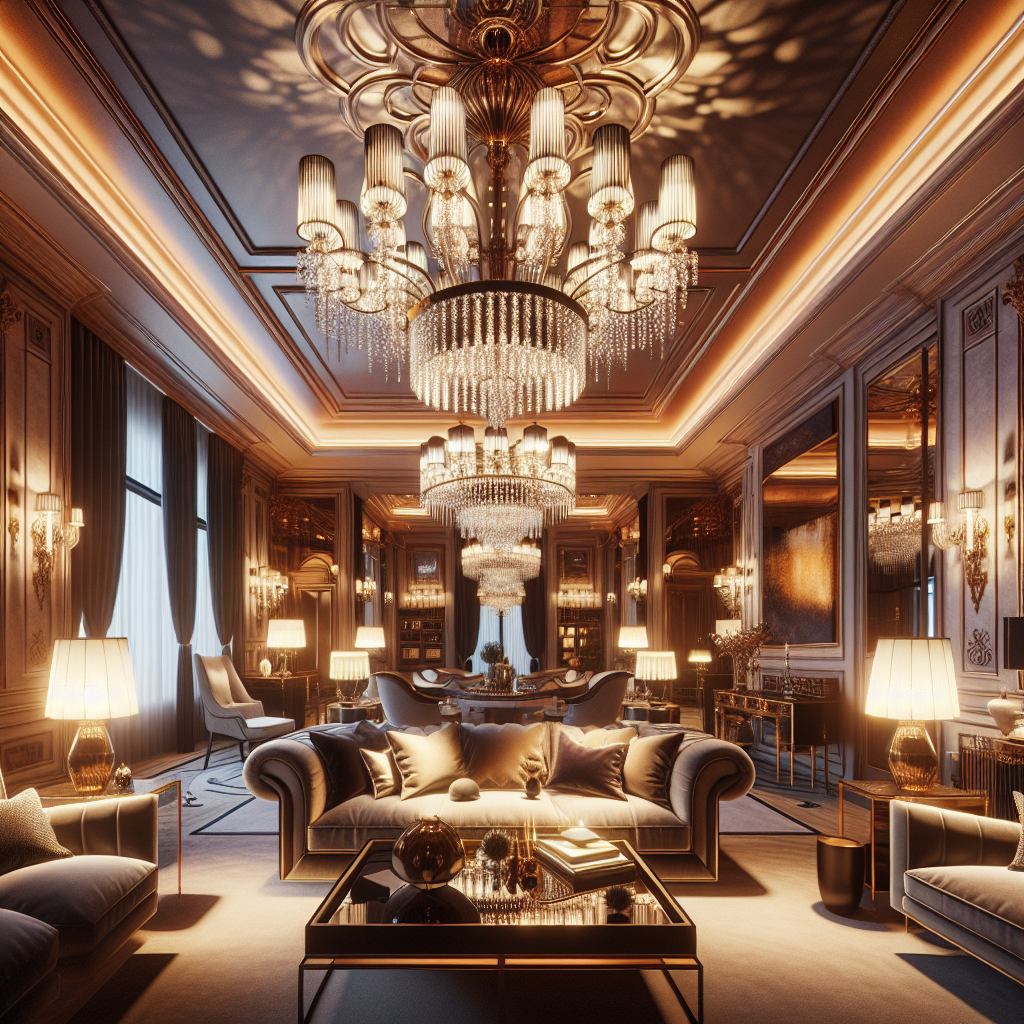
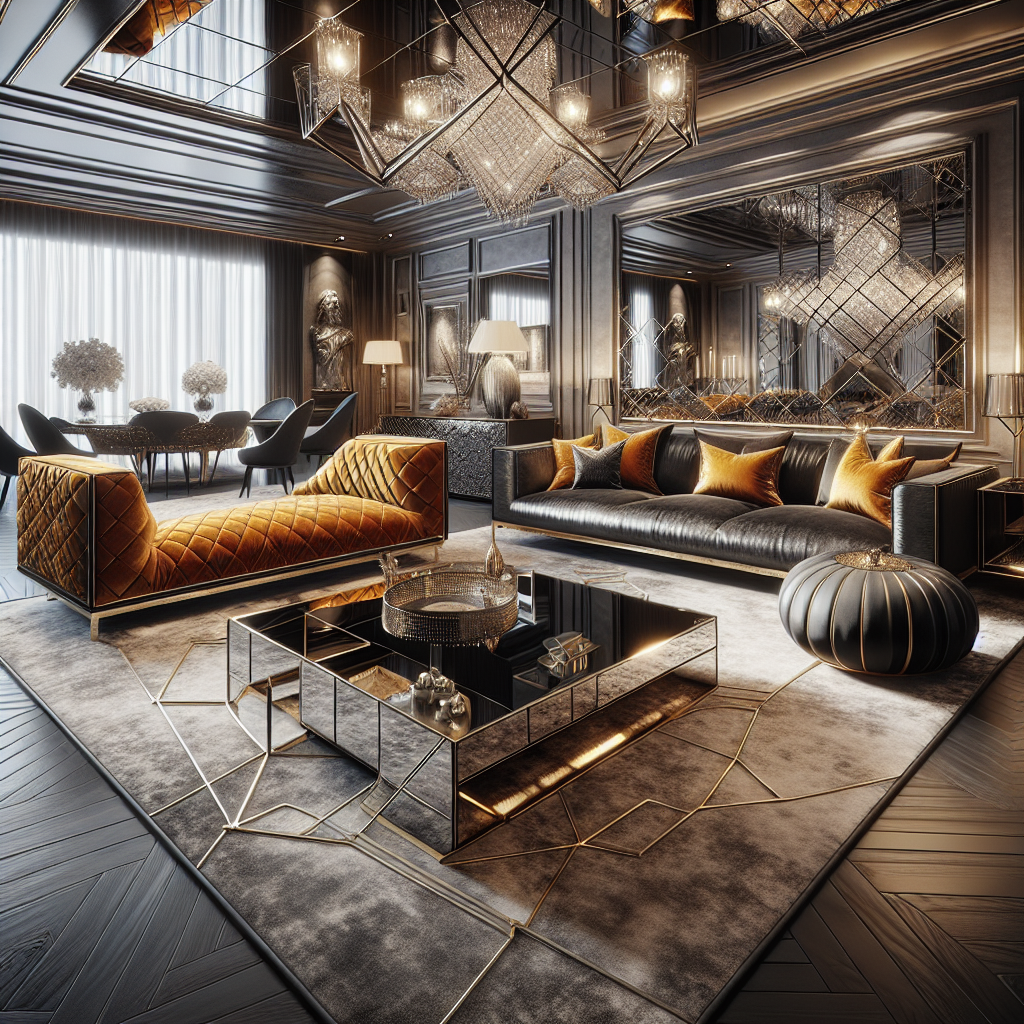
One of the most enchanting aspects of Art Deco is its ability to evoke a sense of glamour and opulence without overwhelming the senses. This balance is achieved through the use of high-quality materials such as marble, brass, and exotic woods, which are often paired with plush fabrics like velvet and leather. These elements come together to create furniture pieces that are not only visually stunning but also exude a sense of warmth and comfort. For instance, a sleek velvet sofa with brass accents can serve as a statement piece in a living room, effortlessly drawing attention while inviting guests to relax and unwind.
Moreover, the geometric motifs that are synonymous with Art Deco have been reimagined in contemporary furniture designs, offering a fresh take on this classic style. Designers are experimenting with bold shapes and patterns, incorporating them into everything from coffee tables to light fixtures. This modern interpretation of Art Deco allows for a playful yet sophisticated approach to interior design, where each piece can stand alone as a work of art or harmonize with other elements in a room to create a cohesive look.
In addition to its aesthetic appeal, the Art Deco revival is also characterized by a focus on craftsmanship and attention to detail. In an era where mass production often takes precedence, there is something inherently luxurious about furniture that is meticulously crafted by skilled artisans. This dedication to quality is evident in the intricate inlays, hand-carved details, and bespoke finishes that define many Art Deco-inspired pieces. As a result, these items not only enhance the visual appeal of a space but also offer a tangible connection to the artistry and skill that went into their creation.
Furthermore, the versatility of Art Deco makes it an ideal choice for those looking to infuse their homes with a touch of luxury. Whether you prefer a minimalist approach or a more eclectic style, Art Deco elements can be seamlessly integrated into a variety of design schemes. For example, a simple yet elegant Art Deco mirror can add depth and dimension to a modern entryway, while a bold, geometric rug can serve as the perfect anchor for a contemporary living room.
As we continue to explore new ways to express our personal style through interior design, the Art Deco revival offers a unique opportunity to embrace the past while looking toward the future. By incorporating these timeless elements into our homes, we can create spaces that are not only beautiful but also reflective of our individuality and taste. In doing so, we celebrate the enduring allure of Art Deco and its ability to define modern sophistication in luxury furniture. So, whether you’re a seasoned design enthusiast or just beginning to explore the world of interior decor, consider adding a touch of Art Deco to your home for a truly timeless and elegant look.
Customization And Personalization: Tailoring Luxury Furniture To Individual Tastes
In the world of luxury furniture, customization and personalization have become the cornerstones of modern sophistication. As more people seek to create living spaces that reflect their unique personalities and tastes, the demand for bespoke furniture has skyrocketed. This trend is not just about choosing a fabric or finish; it’s about crafting pieces that tell a story, evoke emotions, and transform a house into a home. With this shift towards individuality, furniture designers are embracing the challenge of blending traditional craftsmanship with contemporary aesthetics to create pieces that are as functional as they are beautiful.
One of the most exciting aspects of this trend is the ability to collaborate with designers to bring your vision to life. Imagine walking into a showroom and being able to tweak the dimensions of a sofa, select the perfect shade of leather, or even add a personal monogram. This level of involvement allows you to create furniture that not only fits your space perfectly but also resonates with your personal style. It’s like having a piece of art that you helped design, making it all the more special and meaningful.
Moreover, the rise of technology has made customization more accessible than ever. With advanced 3D modeling software, you can visualize your custom piece before it’s even built. This technology bridges the gap between imagination and reality, allowing you to experiment with different designs and materials until you find the perfect combination. It’s a game-changer for those who want to ensure that every detail is just right, from the curve of an armrest to the texture of a cushion.
In addition to technology, sustainability is playing a significant role in the customization trend. Many luxury furniture brands are now offering eco-friendly options, allowing you to choose materials that are not only beautiful but also kind to the planet. Whether it’s reclaimed wood, organic fabrics, or non-toxic finishes, these sustainable choices add another layer of personalization to your furniture. You can feel good knowing that your custom piece is not only a reflection of your style but also your values.
Furthermore, the trend towards personalization extends beyond aesthetics to functionality. As our lives become increasingly dynamic, the need for furniture that adapts to our changing needs is more important than ever. Customization allows you to design pieces that serve multiple purposes, such as a dining table that doubles as a workspace or a sofa with hidden storage. This flexibility ensures that your furniture not only looks good but also enhances your lifestyle.
Ultimately, the move towards customization and personalization in luxury furniture is about creating spaces that are truly yours. It’s about breaking away from the cookie-cutter mold and embracing the freedom to express yourself through your surroundings. As you embark on this journey, remember that the possibilities are endless. Whether you’re drawn to the sleek lines of modern design or the timeless elegance of classic styles, there’s a world of options waiting to be explored. So go ahead, let your imagination run wild, and create a space that is as unique and sophisticated as you are.
Conclusion
In recent years, design trends in luxury furniture have increasingly embraced a blend of modern sophistication and timeless elegance. This evolution is characterized by the use of high-quality materials, such as marble, brass, and exotic woods, which are crafted into sleek, minimalist forms that emphasize clean lines and functional beauty. The integration of technology, such as smart features and sustainable practices, further enhances the appeal of these pieces, catering to a discerning clientele that values both aesthetics and innovation. Additionally, the trend towards customization allows for personalized expressions of style, ensuring that each piece not only complements the space it inhabits but also reflects the unique taste of its owner. As luxury furniture continues to evolve, it remains a defining element of modern sophistication, marrying tradition with contemporary flair to create environments that are both luxurious and inviting.