Velvet Revolution: Plush Textures in Contemporary Design
July 19, 2022
The New Art Deco: Reimagining 1920s Glamour
August 2, 2022
-
Table of Contents
- Introduction
- Exploring the Intersection of Aesthetics and Utility in Architectural Furniture
- The Evolution of Functional Design in Modern Architectural Furniture
- How Minimalism Influences Form and Function in Architectural Furniture
- Innovative Materials Shaping the Future of Functional Architectural Furniture
- Case Studies: Iconic Architectural Furniture Pieces Where Form Follows Function
- Conclusion
Introduction
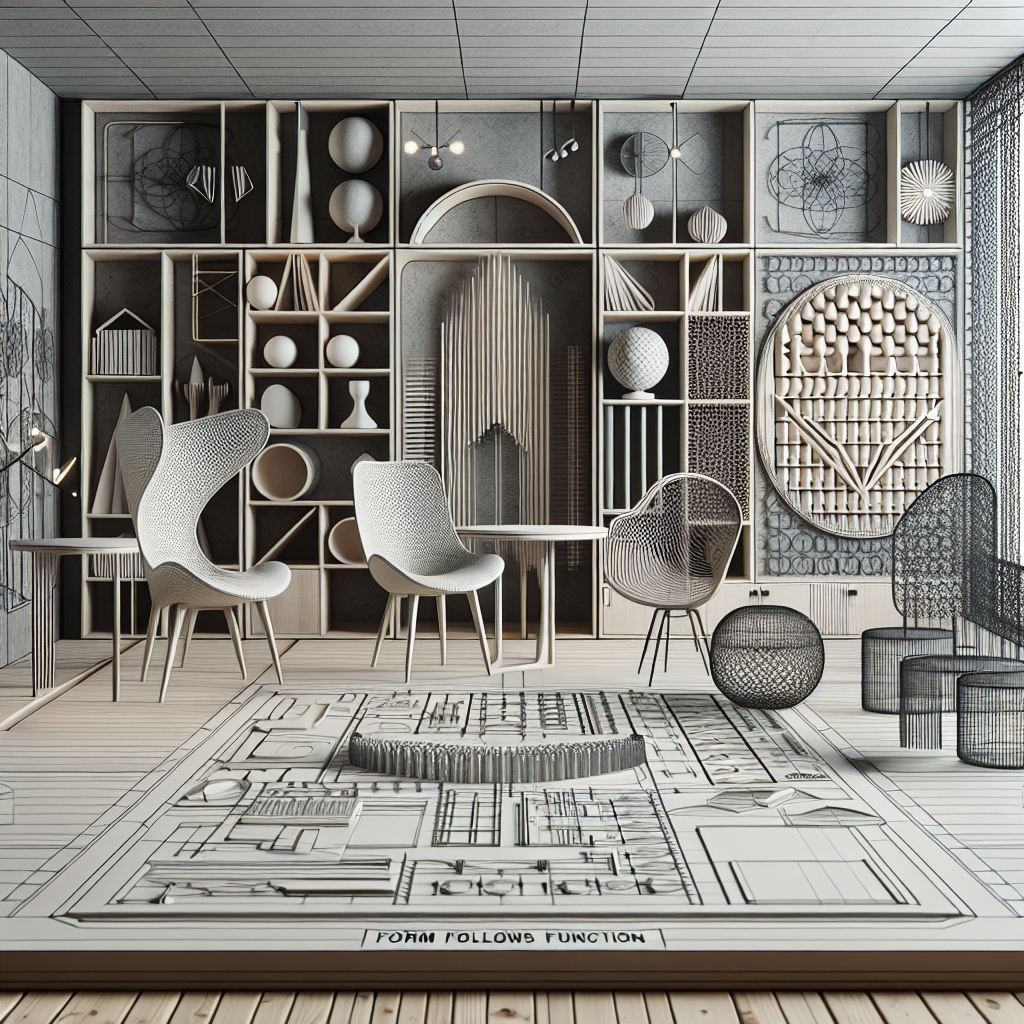
Architectural furniture represents a harmonious blend of design and utility, embodying the principle that form follows function. This design philosophy emphasizes that the shape of a building or object should primarily relate to its intended function or purpose. In the realm of architectural furniture, this translates to pieces that are not only aesthetically pleasing but also highly functional, serving the needs of the user while enhancing the space they occupy. By prioritizing functionality, designers create furniture that seamlessly integrates into architectural spaces, offering solutions that are both practical and visually compelling. This approach results in innovative designs that challenge traditional boundaries, merging architecture and furniture into cohesive, purposeful elements that elevate everyday environments.
Exploring the Intersection of Aesthetics and Utility in Architectural Furniture
Architectural furniture is a fascinating realm where the lines between art and utility blur, creating pieces that are as functional as they are visually striking. This unique intersection of aesthetics and utility challenges the conventional notion that furniture is merely a practical necessity. Instead, it invites us to consider how the spaces we inhabit can be transformed by pieces that are both beautiful and purposeful. As we delve into this topic, it’s important to recognize that architectural furniture is not just about making a statement; it’s about enhancing the way we live and interact with our environment.
To begin with, let’s consider the concept of “form follows function,” a principle that has long been a guiding light in design. This idea suggests that the shape of a building or object should primarily relate to its intended function or purpose. In the realm of architectural furniture, this principle is taken to new heights. Designers are constantly pushing the boundaries, creating pieces that are not only functional but also serve as focal points in a room. For instance, a chair might be designed to provide ergonomic support while also resembling a piece of modern art. This duality is what makes architectural furniture so captivating.
Moreover, the materials used in architectural furniture play a crucial role in its overall impact. Designers often experiment with a variety of materials, from traditional wood and metal to more unconventional choices like glass, concrete, or even recycled materials. This experimentation not only adds to the aesthetic appeal but also enhances the functionality of the pieces. For example, a table made from reclaimed wood might tell a story of sustainability, while a sleek metal bookshelf could offer a minimalist touch to a contemporary living space. The choice of materials is integral to the design process, as it influences both the look and feel of the furniture.
In addition to materials, the craftsmanship involved in creating architectural furniture cannot be overlooked. Skilled artisans and designers work meticulously to ensure that each piece is not only visually appealing but also structurally sound. This attention to detail is what sets architectural furniture apart from mass-produced items. The craftsmanship imbues each piece with a sense of uniqueness and authenticity, making it a cherished addition to any space. Furthermore, the collaboration between designers and craftsmen often results in innovative solutions that enhance the functionality of the furniture, such as hidden storage compartments or modular designs that can be adapted to different needs.
As we explore the intersection of aesthetics and utility in architectural furniture, it’s also worth considering the impact of technology. Advances in technology have opened up new possibilities for designers, allowing them to experiment with forms and functions that were previously unimaginable. From 3D printing to computer-aided design, technology has become an invaluable tool in the creation of architectural furniture. It enables designers to push the boundaries of what is possible, resulting in pieces that are not only functional but also cutting-edge in their design.
In conclusion, architectural furniture represents a harmonious blend of form and function, where each piece is thoughtfully designed to enhance both the aesthetic and practical aspects of a space. By embracing innovative materials, craftsmanship, and technology, designers continue to redefine what furniture can be. As we incorporate these pieces into our homes and workplaces, we are reminded that furniture is not just about filling a space; it’s about creating an environment that reflects our values and enhances our daily lives.
The Evolution of Functional Design in Modern Architectural Furniture
In the ever-evolving world of design, architectural furniture has emerged as a fascinating intersection of form and function, capturing the imagination of both designers and homeowners alike. This unique blend of architecture and furniture design has given rise to pieces that are not only visually stunning but also incredibly practical. As we delve into the evolution of functional design in modern architectural furniture, it’s essential to appreciate how this trend has transformed the way we think about the spaces we inhabit.
To begin with, the concept of architectural furniture is rooted in the idea that furniture should do more than just occupy space; it should enhance the functionality of a room while also serving as a statement piece. This philosophy can be traced back to the early 20th century, when architects like Le Corbusier and Frank Lloyd Wright began to explore the relationship between architecture and furniture. They believed that furniture should be an integral part of a building’s design, seamlessly blending with the overall aesthetic while also serving a practical purpose.
Fast forward to today, and this idea has evolved into a movement that prioritizes multifunctionality and adaptability. In an era where urban living spaces are becoming increasingly compact, the demand for furniture that can do more with less has never been higher. Designers are now tasked with creating pieces that not only look good but also maximize the utility of a space. This has led to the rise of innovative designs such as modular sofas, extendable dining tables, and storage solutions that double as decorative elements.
Moreover, the materials used in architectural furniture have also seen a significant transformation. While traditional materials like wood and metal remain popular, there’s been a growing interest in sustainable and eco-friendly options. Designers are now experimenting with recycled materials, bamboo, and even biodegradable plastics to create pieces that are not only functional but also environmentally conscious. This shift towards sustainability is not just a trend; it’s a reflection of a broader societal push towards more responsible consumption.
In addition to materials, technology has played a crucial role in the evolution of architectural furniture. With advancements in digital fabrication techniques such as 3D printing and CNC machining, designers have more freedom than ever to push the boundaries of what’s possible. These technologies allow for the creation of complex, intricate designs that were once thought impossible, opening up a world of possibilities for both form and function.
Furthermore, the rise of smart furniture has added another layer of functionality to modern designs. Imagine a coffee table that charges your devices wirelessly or a bed that adjusts its firmness based on your sleep patterns. These innovations are not just about convenience; they represent a new way of thinking about how furniture can enhance our daily lives.
As we look to the future, it’s clear that the evolution of functional design in architectural furniture is far from over. With a continued focus on sustainability, technology, and adaptability, the possibilities are endless. Whether you’re a design enthusiast or simply someone looking to make the most of your living space, architectural furniture offers a unique opportunity to blend style and practicality in a way that truly reflects the needs of modern life. So, the next time you find yourself in a beautifully designed room, take a moment to appreciate the thought and innovation that went into each piece of furniture. After all, when form follows function, the result is nothing short of extraordinary.
How Minimalism Influences Form and Function in Architectural Furniture
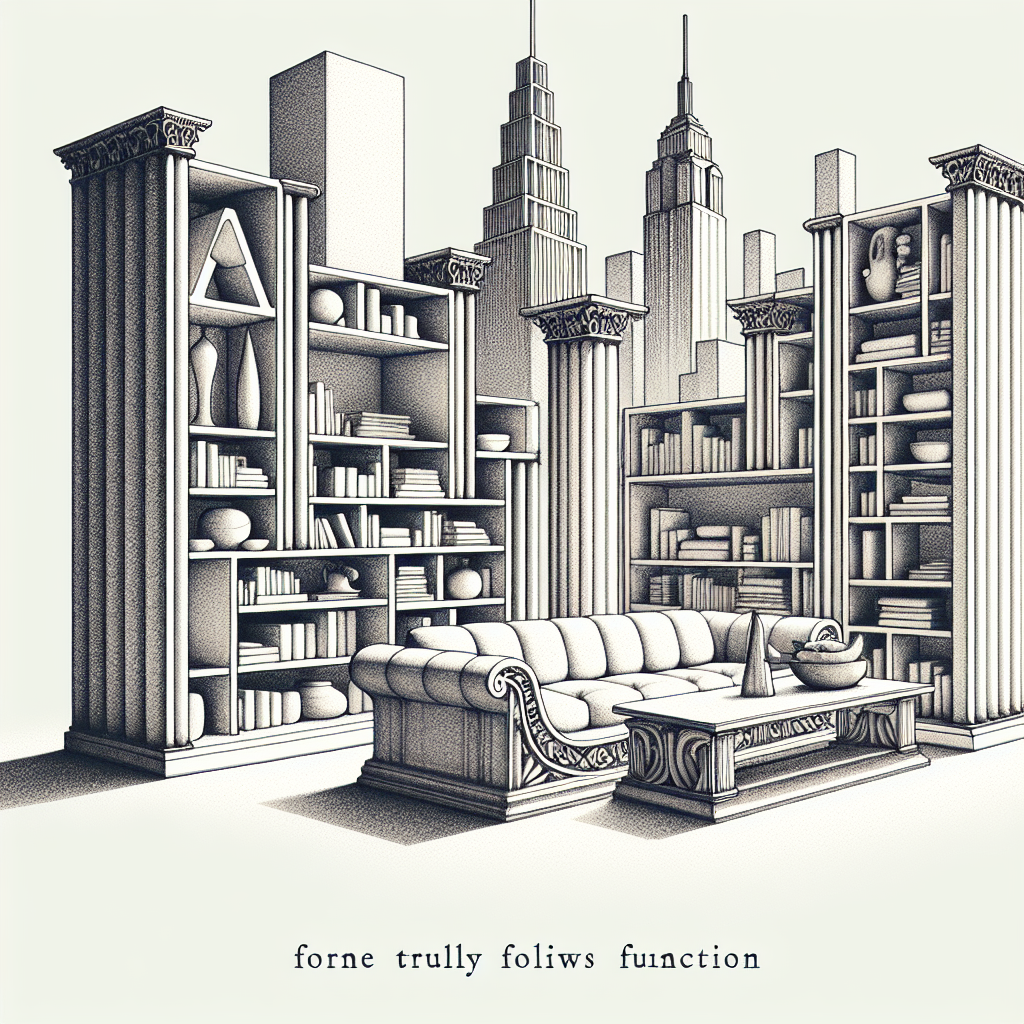
In the world of design, minimalism has long been celebrated for its ability to strip away the unnecessary, leaving only the essence of an object. This philosophy is particularly evident in architectural furniture, where form and function are seamlessly intertwined. As we explore how minimalism influences this unique intersection, it becomes clear that the mantra “less is more” is not just a design principle but a way of life.
To begin with, minimalism in architectural furniture is all about creating pieces that serve a purpose without overwhelming the space they inhabit. This approach often results in designs that are both visually striking and highly functional. For instance, consider a sleek, modern chair that not only provides comfort but also acts as a statement piece in a room. Its clean lines and simple silhouette are a testament to the minimalist ethos, where every element is carefully considered and nothing is superfluous.
Moreover, the influence of minimalism extends beyond aesthetics. It encourages designers to think critically about how furniture can enhance the way we live and interact with our environments. By focusing on functionality, designers are able to create pieces that are not only beautiful but also practical. A minimalist desk, for example, might feature hidden storage compartments that keep clutter at bay, allowing for a more organized and efficient workspace. This thoughtful integration of form and function is what sets architectural furniture apart from more traditional designs.
Transitioning from the practical to the philosophical, minimalism in architectural furniture also invites us to reconsider our relationship with the objects we surround ourselves with. In a world where consumerism often encourages us to accumulate more, minimalism challenges us to prioritize quality over quantity. By investing in well-designed, functional pieces, we can create spaces that are not only aesthetically pleasing but also meaningful. This shift in mindset can lead to a more intentional way of living, where each piece of furniture serves a purpose and contributes to the overall harmony of a space.
Furthermore, the minimalist approach to architectural furniture often results in designs that are timeless. By eschewing trends and focusing on the essentials, these pieces are able to transcend the ever-changing landscape of interior design. A minimalist table, for example, with its simple yet elegant form, can easily adapt to different styles and settings, making it a versatile addition to any home. This timelessness is not only a testament to the enduring appeal of minimalism but also a practical consideration for those looking to invest in furniture that will stand the test of time.
In conclusion, the influence of minimalism on architectural furniture is profound, shaping both the form and function of the pieces we choose to incorporate into our lives. By embracing this philosophy, designers are able to create furniture that is not only beautiful but also purposeful, enhancing the way we live and interact with our environments. As we continue to navigate the complexities of modern life, the minimalist approach offers a refreshing perspective, reminding us that sometimes, less truly is more. Whether you’re a design enthusiast or simply looking to create a more intentional living space, the principles of minimalism in architectural furniture offer a compelling blueprint for a more harmonious and fulfilling way of life.
Innovative Materials Shaping the Future of Functional Architectural Furniture
In the ever-evolving world of design, architectural furniture stands out as a fascinating intersection of form and function. As we delve into the realm of innovative materials shaping the future of this unique niche, it’s clear that the possibilities are as exciting as they are endless. Imagine a world where your furniture not only complements your living space aesthetically but also serves a multitude of practical purposes. This is the promise of architectural furniture, and it’s being realized through the use of cutting-edge materials that are redefining what furniture can be.
To begin with, let’s talk about the role of sustainable materials in this transformation. With growing awareness about environmental impact, designers are increasingly turning to eco-friendly options. Bamboo, for instance, is gaining popularity due to its rapid growth and renewability. It’s not just about being green, though; bamboo is incredibly strong and versatile, making it perfect for creating furniture that is both durable and stylish. Similarly, reclaimed wood is making a comeback, offering a rustic charm while reducing waste. These materials are not only sustainable but also bring a unique character to each piece, ensuring that no two items are exactly alike.
Transitioning from sustainability, we find ourselves in the realm of technology-infused materials. Smart textiles are a game-changer in the world of architectural furniture. Imagine a sofa that can adjust its firmness based on your preference or a chair that can charge your phone wirelessly. These innovations are made possible by integrating technology into the very fabric of the furniture. Conductive threads and responsive materials are paving the way for furniture that interacts with its environment and its users, creating a seamless blend of comfort and convenience.
Moreover, the use of composite materials is revolutionizing the structural possibilities of furniture design. By combining different materials, designers can create pieces that are lightweight yet incredibly strong. For example, carbon fiber composites are being used to craft sleek, modern furniture that can withstand significant weight without compromising on style. This opens up a world of possibilities for creating furniture that is not only functional but also visually striking.
In addition to these advancements, 3D printing technology is making waves in the furniture industry. This innovative approach allows for the creation of complex designs that were previously impossible to achieve with traditional manufacturing methods. With 3D printing, designers can experiment with intricate patterns and structures, pushing the boundaries of what furniture can look like. This technology also allows for customization on a whole new level, enabling consumers to have furniture tailored to their specific needs and preferences.
As we look to the future, it’s clear that the fusion of innovative materials and technology will continue to shape the landscape of architectural furniture. The focus on form following function ensures that these pieces are not only beautiful but also serve a purpose, enhancing our living spaces in ways we never thought possible. Whether it’s through sustainable practices, technological integration, or groundbreaking design techniques, the future of architectural furniture is bright and full of potential. So, as you consider your next furniture purchase, think about how these innovations might fit into your home and lifestyle, and get ready to embrace a new era of design where form truly follows function.
Case Studies: Iconic Architectural Furniture Pieces Where Form Follows Function
When we think about furniture, we often consider comfort, style, and how it fits into our living spaces. However, some pieces transcend mere functionality and become iconic symbols of design, where form truly follows function. These pieces not only serve a practical purpose but also make a bold statement about the era and the designer’s vision. Let’s explore a few iconic examples where architectural furniture perfectly marries form and function, creating timeless pieces that continue to inspire.
One of the most celebrated examples is the Eames Lounge Chair and Ottoman, designed by Charles and Ray Eames in 1956. This piece was revolutionary for its time, combining luxury and comfort with a sleek, modern aesthetic. The Eameses were pioneers in using molded plywood, a technique that allowed them to create a chair that was both ergonomic and visually striking. The chair’s form, with its inviting curves and plush leather, is a direct response to the human body’s need for comfort, making it a perfect example of form following function. Its enduring popularity is a testament to its thoughtful design, which has made it a staple in both homes and offices around the world.
Transitioning to another classic, the Barcelona Chair by Ludwig Mies van der Rohe and Lilly Reich, designed in 1929, is a masterpiece of minimalist design. Originally created for the German Pavilion at the International Exposition in Barcelona, this chair was intended to be a modern throne for Spanish royalty. Its sleek lines and simple form are a reflection of Mies van der Rohe’s famous dictum, “less is more.” The chair’s design is both functional and elegant, with a stainless steel frame that supports leather cushions, providing both comfort and a sense of grandeur. The Barcelona Chair’s form is a direct response to its intended function as a symbol of modernity and sophistication.
Moving forward in time, we encounter the Wiggle Chair by Frank Gehry, designed in 1972. Gehry, known for his deconstructivist architecture, brought his innovative approach to furniture design with this piece. Made entirely from corrugated cardboard, the Wiggle Chair challenges traditional notions of what furniture should be made from. Its sculptural form is not only visually intriguing but also surprisingly comfortable, demonstrating Gehry’s commitment to creating functional art. The chair’s design reflects Gehry’s architectural philosophy, where unconventional materials and forms are used to create something both practical and beautiful.
Another fascinating example is the LC4 Chaise Lounge by Le Corbusier, Charlotte Perriand, and Pierre Jeanneret, designed in 1928. This piece is often referred to as the “relaxing machine” due to its adjustable frame that allows users to find their perfect lounging position. The chaise lounge’s form is a direct response to the human body’s need for relaxation, with its sleek, tubular steel frame and comfortable leather upholstery. The design is both functional and aesthetically pleasing, embodying the modernist principles of simplicity and efficiency.
In conclusion, these iconic pieces of architectural furniture demonstrate how form can beautifully follow function. Each piece reflects the designer’s vision and the era’s technological advancements, creating timeless designs that continue to captivate and inspire. Whether it’s the luxurious comfort of the Eames Lounge Chair or the minimalist elegance of the Barcelona Chair, these pieces remind us that when form follows function, the result is often nothing short of extraordinary.
Conclusion
Architectural furniture, where form follows function, emphasizes the integration of design and utility, creating pieces that are both aesthetically pleasing and highly practical. This approach prioritizes the purpose and usability of furniture, ensuring that each element serves a specific function while maintaining a cohesive and harmonious design. By focusing on the essential needs of the user, architectural furniture achieves a balance between minimalism and innovation, often resulting in timeless pieces that adapt to various environments. Ultimately, this philosophy champions the idea that beauty in design emerges naturally when functionality is the primary consideration, leading to furniture that enhances both the space it occupies and the experience of those who use it.