Sensory Luxury: Designing Spaces That Engage All Five Senses
November 2, 2021
The Luxury of Longevity: Timeless Design for Lasting Style
November 16, 2021
-
Table of Contents
Introduction
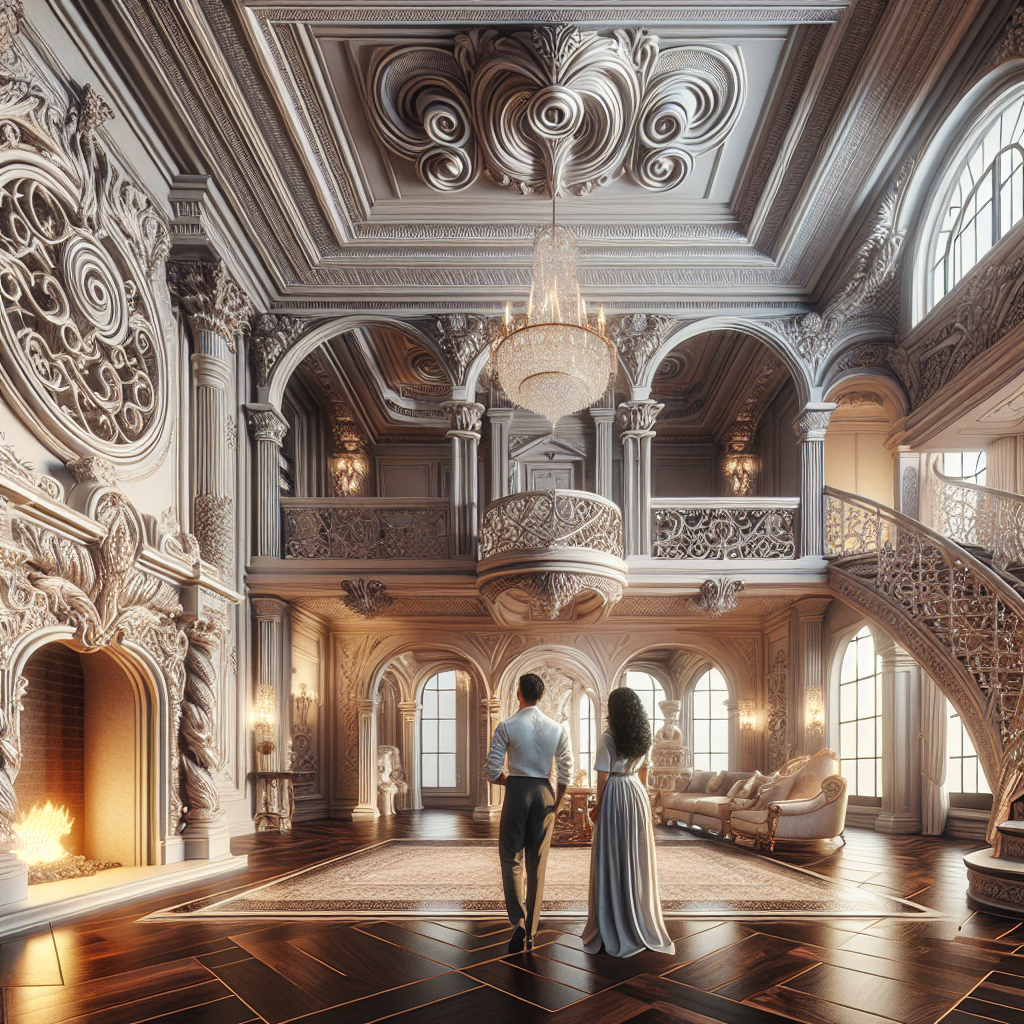
Architectural elements serve as the backbone of luxury decor, seamlessly blending structural integrity with aesthetic sophistication. These elements, ranging from grand columns and intricate moldings to expansive windows and bespoke staircases, are not merely functional components but are integral to the creation of opulent spaces. By incorporating these structural details, designers can transform ordinary interiors into extraordinary environments that exude elegance and timelessness. The interplay of light, texture, and form within these architectural features enhances the overall ambiance, creating a harmonious balance between utility and beauty. In luxury decor, every detail is meticulously crafted to reflect a sense of grandeur and refinement, making architectural elements pivotal in defining the character and allure of a space.
Integrating Exposed Beams for a Rustic Elegance
Incorporating exposed beams into your home decor is a fantastic way to blend rustic charm with luxury elegance. These architectural elements, often seen in countryside cottages or historic barns, have made their way into modern interior design, offering a unique blend of warmth and sophistication. Whether you’re renovating an old space or designing a new one, exposed beams can add character and depth to any room.
To begin with, exposed beams are not just structural necessities; they are design statements. They draw the eye upward, creating a sense of height and space that can make even the smallest room feel grander. This is particularly beneficial in open-plan living areas, where the beams can help define different zones without the need for walls. By using beams to delineate spaces, you maintain an open, airy feel while still providing a sense of structure and order.
Moreover, the material and finish of the beams can significantly influence the overall aesthetic of your home. For a more traditional look, consider using reclaimed wood beams. These not only add a touch of history and authenticity but also contribute to sustainable building practices. The natural imperfections and weathered texture of reclaimed wood can introduce a cozy, lived-in feel that is both inviting and timeless. On the other hand, if you prefer a more contemporary style, sleek metal beams or those with a polished finish can offer a modern twist, providing a striking contrast against softer elements like plush furniture or delicate fabrics.
Transitioning from the choice of materials, the color of the beams is another crucial aspect to consider. Dark beams can create a dramatic effect, especially when set against a lighter ceiling or walls, drawing attention to the architectural details. Conversely, painting the beams in a lighter shade can help them blend seamlessly with the ceiling, offering a more subtle approach that still retains the charm of exposed beams. This technique is particularly effective in smaller spaces, where you might want to avoid overwhelming the room with too many dark elements.
In addition to their aesthetic appeal, exposed beams can also serve practical purposes. They can be used to conceal wiring or ductwork, maintaining the clean lines of your decor without sacrificing functionality. Furthermore, beams can provide a convenient place to install lighting fixtures, allowing you to highlight specific areas of the room or create a cozy ambiance with strategically placed lights.
As you integrate exposed beams into your decor, consider complementing them with other rustic elements to enhance the overall theme. Natural materials like stone or brick can work beautifully alongside wooden beams, creating a harmonious blend of textures. Additionally, incorporating elements such as wrought iron fixtures or vintage accessories can further accentuate the rustic elegance of the space.
Ultimately, the key to successfully incorporating exposed beams into luxury decor lies in balance. By thoughtfully selecting materials, colors, and complementary elements, you can create a space that feels both luxurious and inviting. Whether you’re aiming for a cozy farmhouse vibe or a sleek modern retreat, exposed beams offer endless possibilities for adding character and charm to your home. So, embrace these architectural elements and let them transform your space into a haven of rustic elegance.
Utilizing Steel and Glass for Modern Sophistication
When it comes to creating a luxurious and modern living space, the materials you choose can make all the difference. Steel and glass, often associated with industrial design, have found their way into the realm of luxury decor, offering a sleek and sophisticated aesthetic that is both timeless and contemporary. These materials, when used thoughtfully, can transform a space into a masterpiece of modern elegance.
To begin with, steel is a material that exudes strength and durability. Its versatility allows it to be used in a variety of ways, from structural elements to decorative accents. In luxury decor, steel can be incorporated into furniture, such as tables and chairs, or used as a striking feature in staircases and railings. The clean lines and polished finish of steel add a touch of modernity, while its robustness ensures longevity. Moreover, steel can be paired with other materials, like wood or leather, to create a balanced and harmonious look that is both warm and inviting.
Transitioning to glass, this material is synonymous with transparency and light. In modern luxury decor, glass is often used to create a sense of openness and fluidity within a space. Large glass windows or walls can blur the boundaries between indoor and outdoor areas, allowing natural light to flood in and create a bright, airy atmosphere. Additionally, glass can be used in unexpected ways, such as in flooring or as a partition, to add an element of surprise and intrigue. The reflective quality of glass also enhances the sense of space, making rooms appear larger and more expansive.
Combining steel and glass can result in a stunning visual impact. The contrast between the solidity of steel and the delicacy of glass creates a dynamic interplay that is both captivating and sophisticated. For instance, a steel-framed glass door can serve as a focal point in a room, drawing the eye and inviting exploration. Similarly, a glass staircase with steel railings can become a work of art, showcasing the beauty of both materials while maintaining functionality.
Furthermore, the use of steel and glass in luxury decor is not limited to residential spaces. These materials are increasingly being used in commercial settings, such as hotels and restaurants, to create an ambiance of modern elegance. The sleek lines and minimalist aesthetic of steel and glass can elevate any space, making it feel exclusive and refined. In addition, these materials are easy to maintain, making them a practical choice for high-traffic areas.
Incorporating steel and glass into your decor doesn’t mean sacrificing comfort for style. On the contrary, these materials can be used to create a cozy and inviting environment. For example, a glass coffee table with a steel base can be paired with plush seating and soft textiles to create a living room that is both stylish and comfortable. Similarly, a steel-framed bed with a glass headboard can be complemented with luxurious bedding to create a bedroom that is both chic and restful.
In conclusion, steel and glass are powerful tools in the world of luxury decor. Their ability to convey modern sophistication while maintaining a sense of warmth and comfort makes them ideal for creating spaces that are both beautiful and functional. By thoughtfully incorporating these materials into your design, you can achieve a look that is both timeless and on-trend, ensuring your space remains a haven of modern elegance for years to come.
The Art of Incorporating Arches in Contemporary Spaces
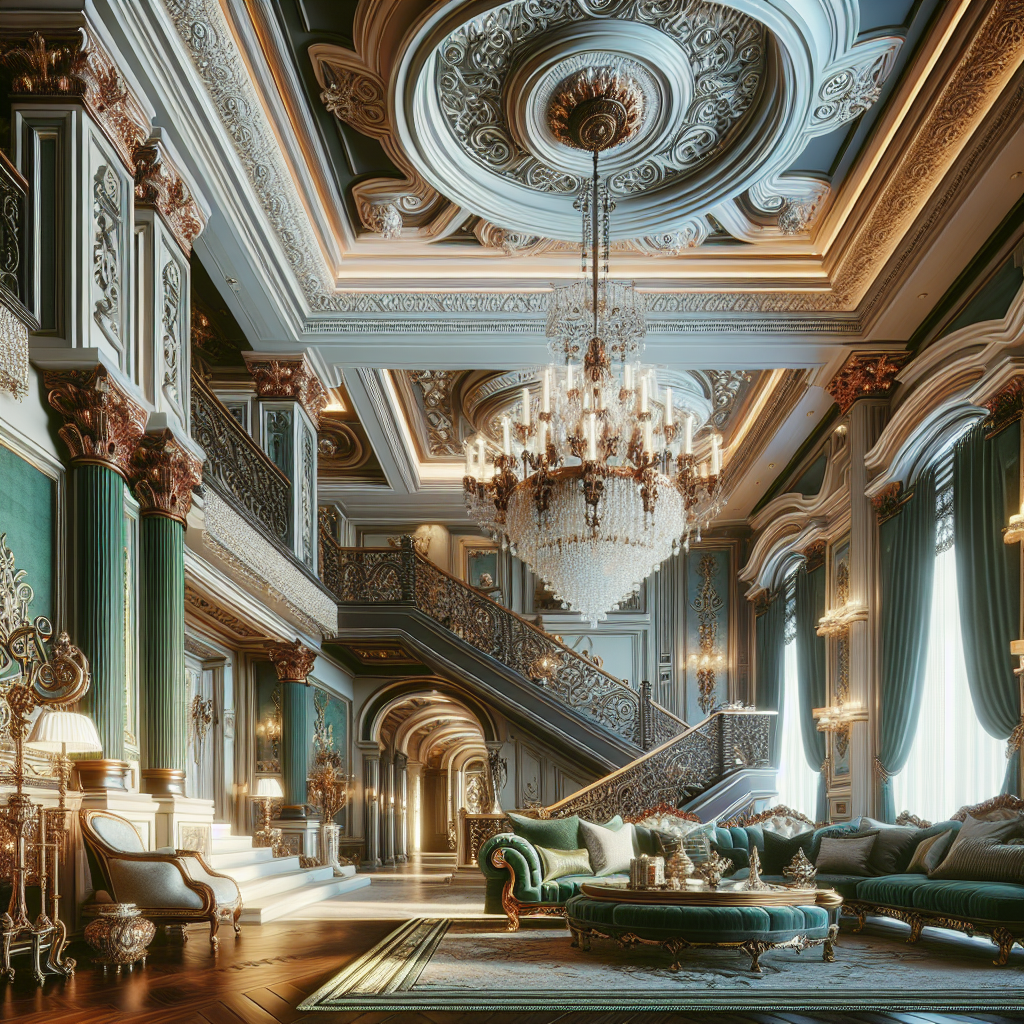
In the world of interior design, the fusion of architectural elements with luxury decor has become a captivating trend, and one of the most intriguing features making a comeback is the arch. Arches, with their timeless elegance and structural significance, are being reimagined in contemporary spaces, offering a unique blend of tradition and modernity. As we explore the art of incorporating arches into luxury decor, it becomes clear that these graceful curves are more than just structural necessities; they are artistic statements that can transform any space.
To begin with, arches have a rich history that dates back to ancient civilizations, where they were used not only for their structural benefits but also for their aesthetic appeal. Fast forward to today, and these architectural elements are being embraced in contemporary design for their ability to add depth and character to a room. Whether it’s a grand entrance or a subtle alcove, arches can create a sense of flow and continuity, guiding the eye and inviting exploration.
One of the most appealing aspects of using arches in modern interiors is their versatility. They can be adapted to suit various styles, from minimalist to opulent, and everything in between. For instance, in a minimalist setting, a simple, unadorned arch can serve as a focal point, drawing attention to the purity of form and the beauty of simplicity. On the other hand, in a more luxurious space, an arch can be embellished with intricate moldings or gilded accents, adding a touch of grandeur and sophistication.
Moreover, arches can be used to define spaces within an open-plan layout, creating distinct zones without the need for walls. This is particularly useful in contemporary homes where the emphasis is on open, airy spaces. By incorporating arches, designers can maintain the openness while subtly delineating areas for different functions, such as dining, lounging, or entertaining. This not only enhances the functionality of the space but also adds an element of surprise and intrigue.
In addition to their aesthetic and functional benefits, arches also have a psychological impact on the inhabitants of a space. The gentle curve of an arch can evoke feelings of comfort and security, creating a welcoming atmosphere. This is especially important in luxury decor, where the goal is often to create an environment that is both beautiful and inviting. By incorporating arches, designers can achieve this balance, crafting spaces that are as warm and inviting as they are visually stunning.
Furthermore, the use of arches in contemporary spaces is not limited to traditional materials like stone or wood. Modern technology and materials have expanded the possibilities, allowing for the creation of arches in glass, metal, or even concrete. This opens up a world of creative opportunities, enabling designers to experiment with different textures and finishes, and to push the boundaries of what is possible in interior design.
In conclusion, the art of incorporating arches into contemporary spaces is a testament to the enduring appeal of this architectural element. By blending the old with the new, designers can create spaces that are not only luxurious but also rich in character and charm. Whether used as a bold statement or a subtle accent, arches have the power to elevate any interior, making them an essential tool in the arsenal of modern design. As we continue to explore the possibilities of luxury decor, it is clear that arches will remain a beloved feature, celebrated for their beauty, versatility, and timeless elegance.
Blending Industrial Elements with Opulent Textures
In recent years, the world of interior design has seen a fascinating trend: the blending of industrial elements with opulent textures. This fusion creates a unique aesthetic that marries the raw, unrefined beauty of industrial design with the luxurious, plush feel of high-end decor. It’s a style that speaks to those who appreciate the history and character of industrial spaces but also crave the comfort and elegance of luxury living.
To begin with, let’s consider the appeal of industrial elements. These often include exposed brick walls, steel beams, and concrete floors—features that were once the backbone of factories and warehouses. They bring a sense of authenticity and rugged charm to a space, telling stories of a bygone era. However, on their own, these elements can sometimes feel cold or stark. This is where the magic happens: by introducing opulent textures, you can transform these industrial features into something truly special.
Imagine a living room where a rough, exposed brick wall serves as the backdrop for a sumptuous velvet sofa. The contrast between the hard, textured brick and the soft, inviting velvet creates a visual and tactile experience that is both striking and harmonious. Similarly, a sleek, polished concrete floor can be softened with a plush, hand-knotted rug, adding warmth and comfort underfoot. These combinations not only enhance the aesthetic appeal but also create a balanced environment that feels both grounded and luxurious.
Moreover, lighting plays a crucial role in this design approach. Industrial spaces often feature large, open windows that allow natural light to flood in, highlighting the textures and details of the materials used. To complement this, consider incorporating statement lighting fixtures that blend industrial and luxurious elements. For instance, a chandelier with an iron frame and crystal accents can add a touch of glamour while maintaining the industrial vibe. The interplay of light and shadow on different surfaces can further enhance the ambiance, making the space feel inviting and sophisticated.
In addition to furniture and lighting, accessories are key to achieving this blend. Think about incorporating metallic accents, such as brass or copper, which can add a touch of opulence to an industrial setting. These metals can be introduced through picture frames, vases, or even hardware on cabinets and doors. The warm tones of these metals contrast beautifully with the cooler tones of industrial materials, creating a cohesive and visually appealing look.
Furthermore, textiles are an excellent way to introduce luxury into an industrial space. Consider using rich fabrics like silk, velvet, or cashmere for curtains, cushions, and throws. These materials not only add a layer of comfort but also bring a sense of elegance and refinement. By layering different textures, you can create depth and interest, making the space feel more dynamic and inviting.
Ultimately, the key to successfully blending industrial elements with opulent textures lies in balance. It’s about finding the right mix of raw and refined, hard and soft, old and new. By thoughtfully combining these elements, you can create a space that is not only visually stunning but also comfortable and inviting. This approach allows you to celebrate the beauty of industrial design while indulging in the luxury of opulent textures, resulting in a truly unique and personalized interior.
Enhancing Interiors with Sculptural Staircases
When it comes to luxury decor, the devil is in the details, and one of the most striking ways to enhance an interior is by incorporating sculptural staircases. These architectural elements not only serve a functional purpose but also act as a centerpiece that can transform the entire ambiance of a space. Imagine walking into a home where the staircase isn’t just a means to get from one floor to another but a piece of art that commands attention and admiration. This is the magic of sculptural staircases, and they are becoming increasingly popular in luxury interiors.
To begin with, sculptural staircases offer a unique opportunity to express personal style and creativity. Unlike traditional staircases, which often fade into the background, these artistic structures can be customized to reflect the homeowner’s taste. Whether it’s a sleek, modern design with clean lines and minimalistic features or a more ornate, classical style with intricate details, the possibilities are endless. This flexibility allows homeowners to make a bold statement and set the tone for the rest of the decor.
Moreover, the materials used in sculptural staircases can significantly impact the overall aesthetic. For instance, a staircase made of glass can create an illusion of space and light, making it perfect for smaller areas or homes with a contemporary vibe. On the other hand, a wooden staircase with a rich, dark finish can add warmth and elegance, complementing more traditional or rustic interiors. Metal staircases, with their industrial charm, can also be a great choice for those looking to add an edgy, modern touch to their home. By carefully selecting materials, homeowners can ensure that their staircase not only stands out but also harmonizes with the rest of the decor.
In addition to their visual appeal, sculptural staircases can also enhance the functionality of a space. For example, a spiral staircase can be a great space-saving solution in homes where square footage is at a premium. These staircases can be tucked into corners or used to connect loft spaces, making them both practical and stylish. Furthermore, incorporating storage solutions into the design, such as built-in shelves or drawers, can add an extra layer of utility without compromising on aesthetics.
Transitioning from the practical to the experiential, sculptural staircases can also influence the way people interact with a space. A beautifully designed staircase invites exploration and can become a focal point for gatherings and social interactions. Imagine hosting a party where guests are naturally drawn to the staircase, using it as a backdrop for photos or as a conversation starter. This element of interaction adds a dynamic quality to the home, making it not just a place to live but a space to experience and enjoy.
In conclusion, sculptural staircases are more than just a means of vertical transportation; they are an opportunity to infuse luxury and artistry into a home. By carefully considering design, materials, and functionality, homeowners can create a staircase that not only enhances their interior decor but also elevates their living experience. So, the next time you’re thinking about revamping your space, consider the transformative power of a sculptural staircase. It might just be the element that takes your home from ordinary to extraordinary.
Conclusion
Incorporating structural details into luxury decor involves a seamless blend of form and function, where architectural elements become integral to the aesthetic and experiential quality of a space. By highlighting features such as exposed beams, intricate moldings, and grand staircases, designers can create environments that exude sophistication and timeless elegance. These elements not only serve as focal points but also enhance the overall narrative of the space, reflecting both historical influences and contemporary innovations. The thoughtful integration of structural details into luxury decor elevates the ambiance, offering a unique and personalized experience that resonates with the occupants’ tastes and the architectural integrity of the building.